










Shadows of the past and realities of the present The complexities of Tokyo–Seoul partnership
It recently became known that Japan and South Korea will resume joint maritime search and rescue exercises on June 7 — for the first time in nearly nine years. For the two countries, this has become yet another symbol of a new thaw following a long period of cooling in relations.
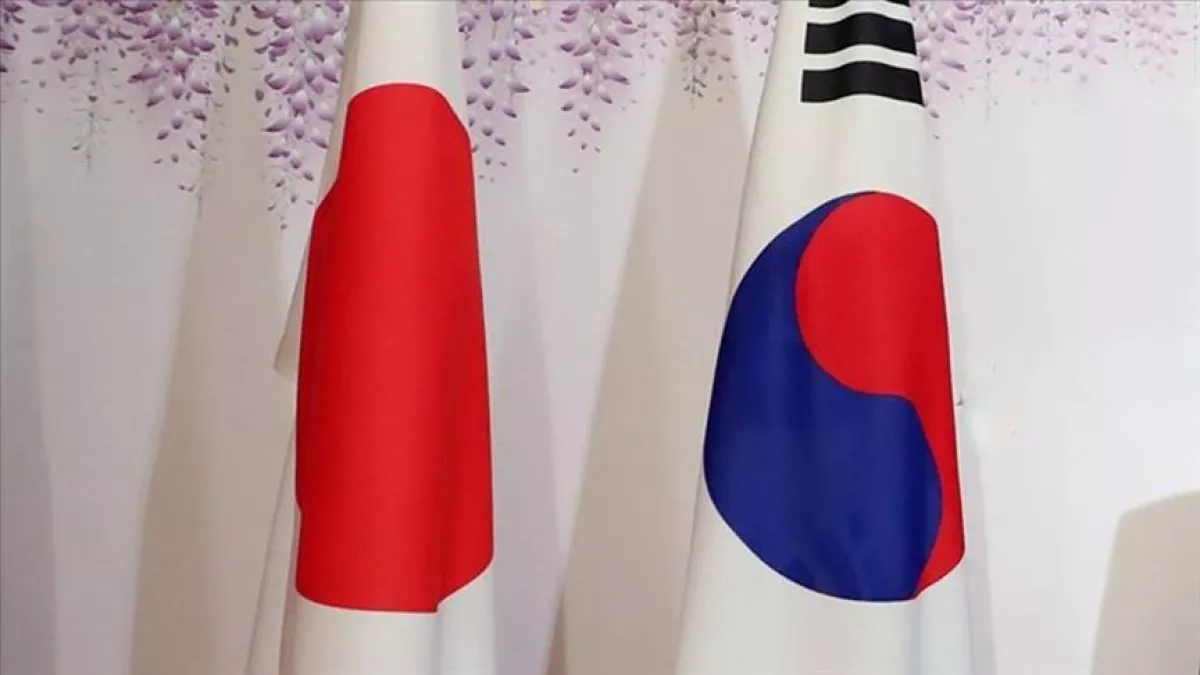
Relations between Japan and South Korea are one of the most contradictory and emotionally charged narratives in contemporary East Asia. Formally, they are allies of the United States, the largest economies in the region, and countries with close trade ties. Yet at the same time, they are societies that for decades have been unable to fully agree on the past.
The root of the problem goes back to the period of Japanese colonial rule over Korea in 1910–1945, which remains a national trauma for Koreans. The country clearly remembers forced labour, policies of cultural assimilation, the ban on the Korean language in schools, and the issue of so-called “comfort women” — Korean women who were used in brothels by the Japanese military. It is precisely this historical memory that still shapes the emotional tone of relations more strongly than economics or diplomacy.
After the Second World War, relations between the two states remained virtually frozen for a long time. Japan was under American occupation when the Korean War began. During the conflict, the Land of the Rising Sun became a crucial rear base for the United States: supplies were transported through Japanese ports, American troops used Japanese infrastructure, and Japanese industry received a powerful boost for recovery. In fact, the Korean War became one of the key factors behind Japan’s economic miracle.
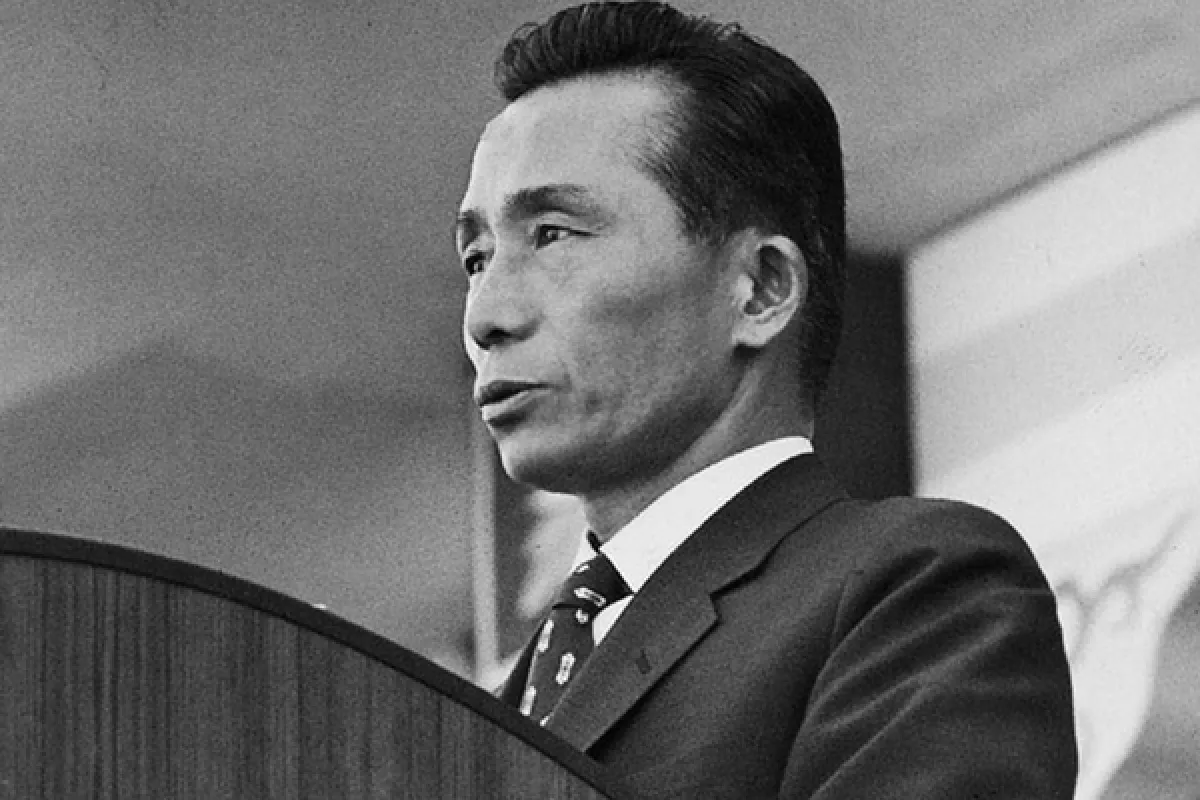
Full normalization of relations occurred only in 1965, when Seoul and Tokyo signed a basic treaty establishing diplomatic relations. The agreement was concluded under strong pressure from the United States, which sought to create an anti-communist bloc in East Asia. Japan provided South Korea with financial aid and loans, while South Korean President Park Chung-hee focused on economic cooperation with the former colonial power. In South Korea, this decision was highly unpopular: many believed that the military dictatorship had effectively “forgiven” Japan without a proper public discussion of colonial-era crimes.
Nevertheless, Japanese investment, technology, and industrial cooperation played a major role in the industrialisation of the Republic of Korea. Many South Korean corporations in the 1970s and 1980s developed by following Japanese production models. Economic ties gradually became increasingly close, while mistrust persisted in politics and public opinion.
In the 1980s and 1990s, relations began to improve gradually. South Korea democratized, and the two countries expanded cultural and educational exchanges. Japan supported the hosting of the 1988 Seoul Olympics, and both countries increasingly coordinated their policies with the United States. At that time, it seemed that historical conflicts were slowly fading into the background.
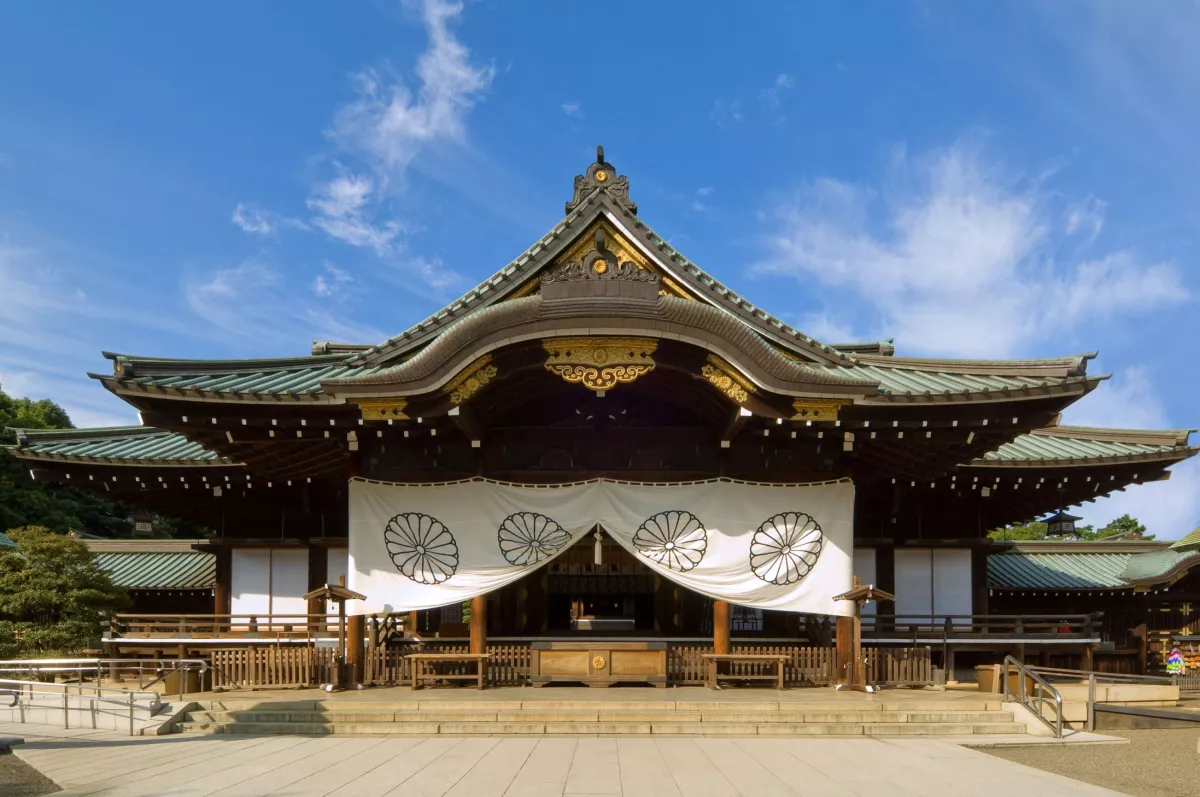
But this did not happen. Almost every few years, relations would again fall into crisis. Triggers included visits by Japanese officials to the Yasukuni Shrine, where Class-A war criminals are also honoured, disputes over school history textbooks, the territorial dispute over the Dokdo/Takeshima islands, and, most importantly, the lack of a clear compromise on compensation for victims of the colonial period. The latter issue became the cause of a real trade war in 2018–2019, when Japan imposed export restrictions on materials critical to South Korea’s semiconductor industry, while South Korea launched a large-scale boycott campaign against Japanese goods and tourism.
At the same time, the two states increasingly faced common strategic challenges — the rise of China’s power and North Korea’s nuclear programme. The United States actively pushed Tokyo and Seoul toward reconciliation, viewing the rift between its allies as a threat to its own strategy in the Asia-Pacific region. As a result, since the early 2020s, relations have begun to improve again, albeit slowly. In South Korea, there has been a growing recognition that endless confrontation with Japan undermines regional security and harms the economy. The Land of the Rising Sun has also become more active in seeking compromises. The two countries now participate together in joint exercises with the United States, exchange intelligence, and coordinate missile defence operations. In 2024 and 2025, the three countries conducted the Freedom Edge exercises, which included maritime, air, and cyber components.
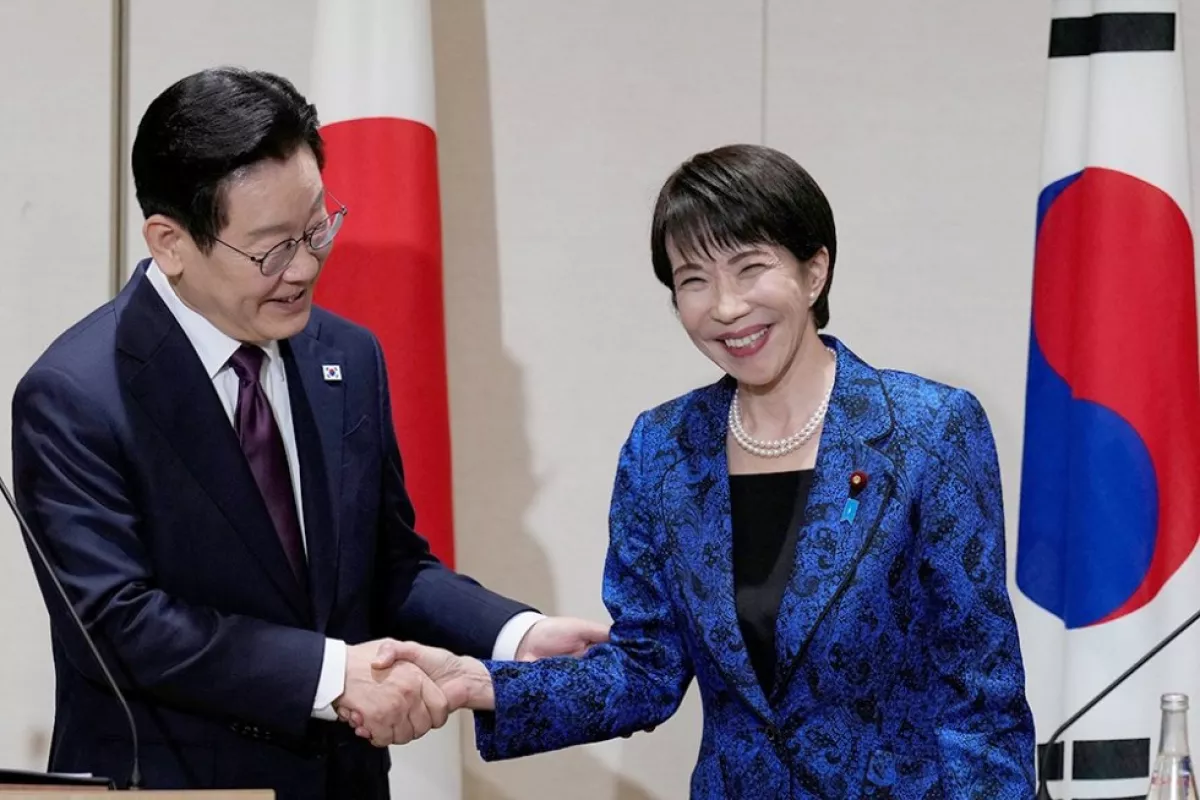
It is characteristic that the new rapprochement is accompanied not only by diplomatic statements, but also by attempts to build a warmer public image of the relationship. In January 2026, talks were held in Nara Prefecture, Japan, between South Korean President Lee Jae Myung and Japanese Prime Minister Sanae Takaichi. After the official part, the leaders took part in an unusual joint musical performance, playing several well-known K-pop songs on drums.
Today, relations between Tokyo and Seoul remain paradoxical. Economically and strategically, the two countries are increasingly dependent on each other. However, the shadows of the past still prevent cooperation from turning into genuine friendship. Given Japan’s current trends toward militarisation and a return to nationalist and conservative ideas — including a growing reverence for imperial heritage — a breakthrough on this issue still seems unlikely.







 editor@caliber.az
 +994 55 444-88-98
 Азербайджан, Баку, ул. Низами, 203, Af Business House, 5-й этаж