










President Aliyev in Kyrgyzstan and the Iranian deadlock Caliber.Az weekly review
The Caliber.Az editorial team presents a new edition of the “Events” programme, hosted by Murad Abiyev, in an analytical review of the key developments of the week.
Azerbaijan
Ilham Aliyev’s state visit to Kyrgyzstan demonstrated that Azerbaijan is becoming one of the key participants in the emerging regional architecture. The first major outcome of the visit was the signing of the Treaty on Allied Relations between Azerbaijan and Kyrgyzstan. With this agreement, Bishkek became another capital linked with Baku by allied commitments. Azerbaijan had previously signed similar agreements with its key regional partners — Kazakhstan and Uzbekistan.
The practical substance of this new status is also highly significant. The two sides agreed to increase the capital of their joint investment fund from $100 million to $200 million and signed a package of agreements covering transport, energy, cybersecurity, education, financial regulation, and digital development. All of this indicates that the partnership is built around a long-term economic strategy.
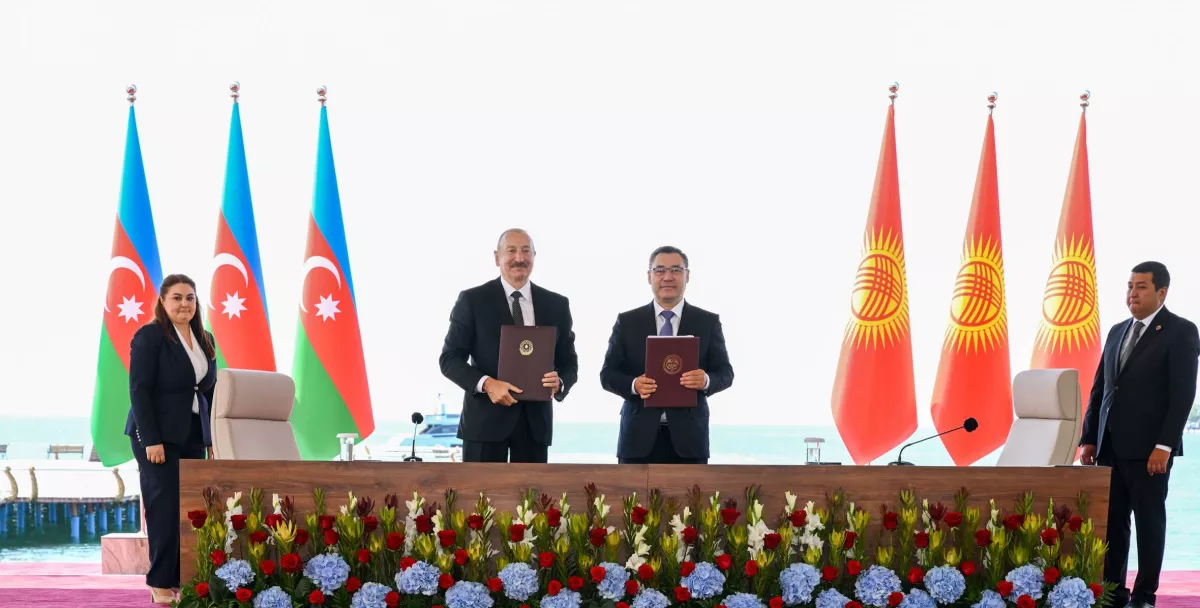
However, the significance of the visit goes far beyond bilateral relations. The following day, Cholpon-Ata hosted an informal summit of the leaders of Central Asian states and Azerbaijan. For the first time, the Azerbaijani president participated in the consultative meeting not as an invited guest, but as a full-fledged participant in a new regional format. The signed Cholpon-Ata Declaration effectively marked a transition from the traditional “Central Asian Five” towards a new format that some experts are already referring to as the “Central Asian Six.”
The reasons behind this rapprochement go beyond cultural and historical ties. Following the outbreak of the war between Russia and Ukraine, the importance of the Trans-Caspian International Transport Route, also known as the Middle Corridor, has increased significantly. In this new reality, Azerbaijan is not merely a geographical link, but one of the key architects of the routes connecting Central Asia with Türkiye, the Mediterranean region, and European markets. As a result, Azerbaijan is increasingly becoming one of the decision-making centres in this emerging macro-region.
US - Iran
After several days of relative calm, the war between the United States and Iran has once again entered a phase of sharp escalation. The latest escalation was triggered by missile strikes carried out by the Islamic Revolutionary Guard Corps against US facilities. One of the targets was a US base in Jordan. According to the US Central Command, all missiles were intercepted. However, Washington’s response was significantly larger than previous retaliatory actions.
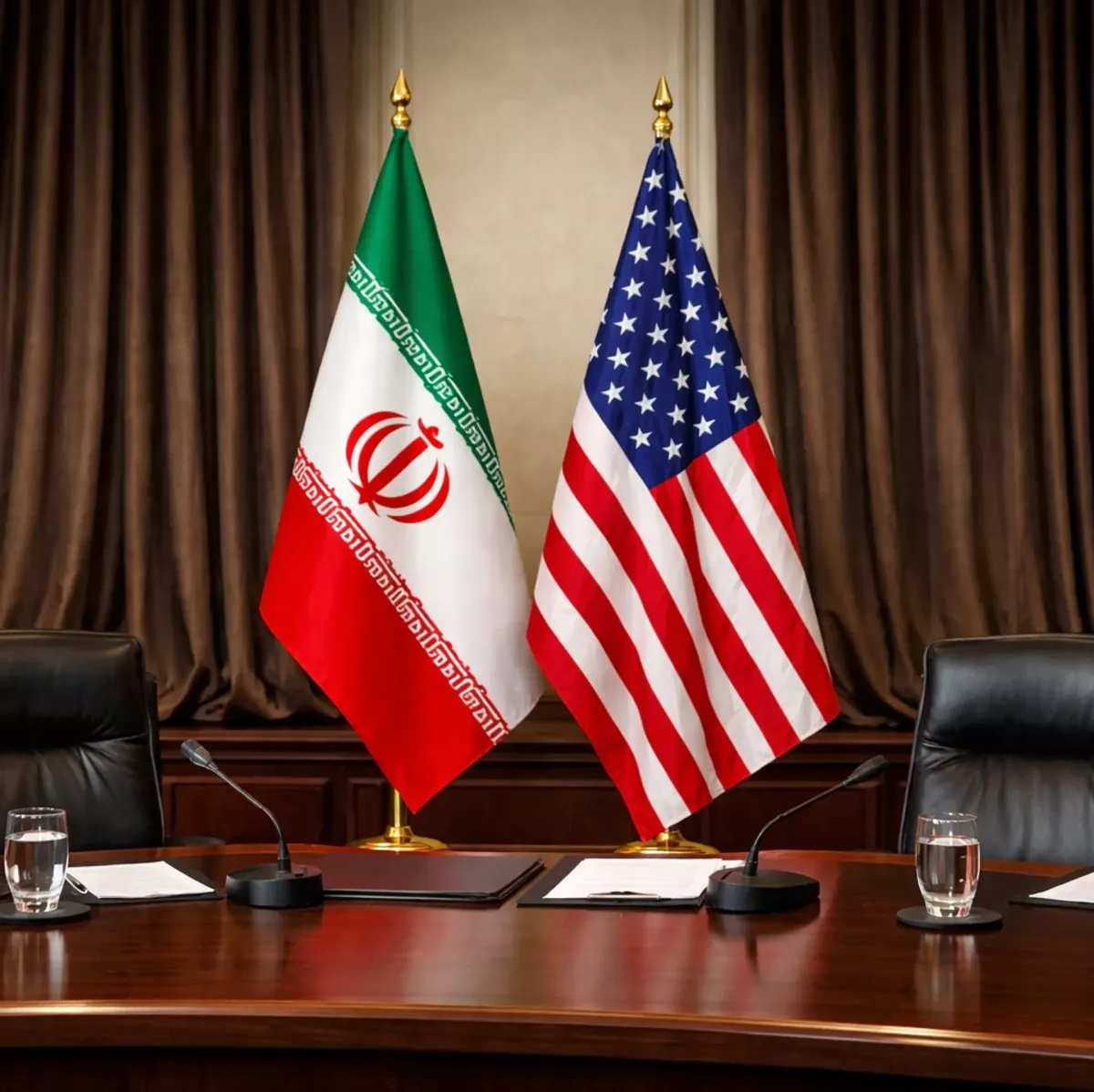
On the night of July 30, US aircraft carried out strikes on targets inside Iran for nearly two hours. The areas hit included Bushehr, Bandar Abbas, and strategic islands in the Strait of Hormuz. The main targets were command centres, drone storage facilities, and Islamic Revolutionary Guard Corps infrastructure responsible for controlling the coastline and maritime traffic.
Against this backdrop, information emerging from the White House has been particularly noteworthy. According to US sources, Central Command chief General Brad Cooper presented the administration with an operational plan lasting between ten and fourteen days. If implemented, this would no longer be limited to targeted retaliatory strikes, but would represent an attempt to significantly weaken Iran’s military capabilities, deprive Tehran of the ability to strike US forces, and reduce its capacity to threaten maritime navigation in the Persian Gulf.
At the same time, the geography of the conflict is expanding. Saudi Arabia has joined the United States in carrying out strikes against pro-Iranian formations in Iraq. The consequences of the conflict have also been felt in Egypt for the first time, where a drone attacked two commercial vessels at the port of Damietta. This indicates that hostilities are gradually moving beyond the immediate confrontation between the United States and Iran.
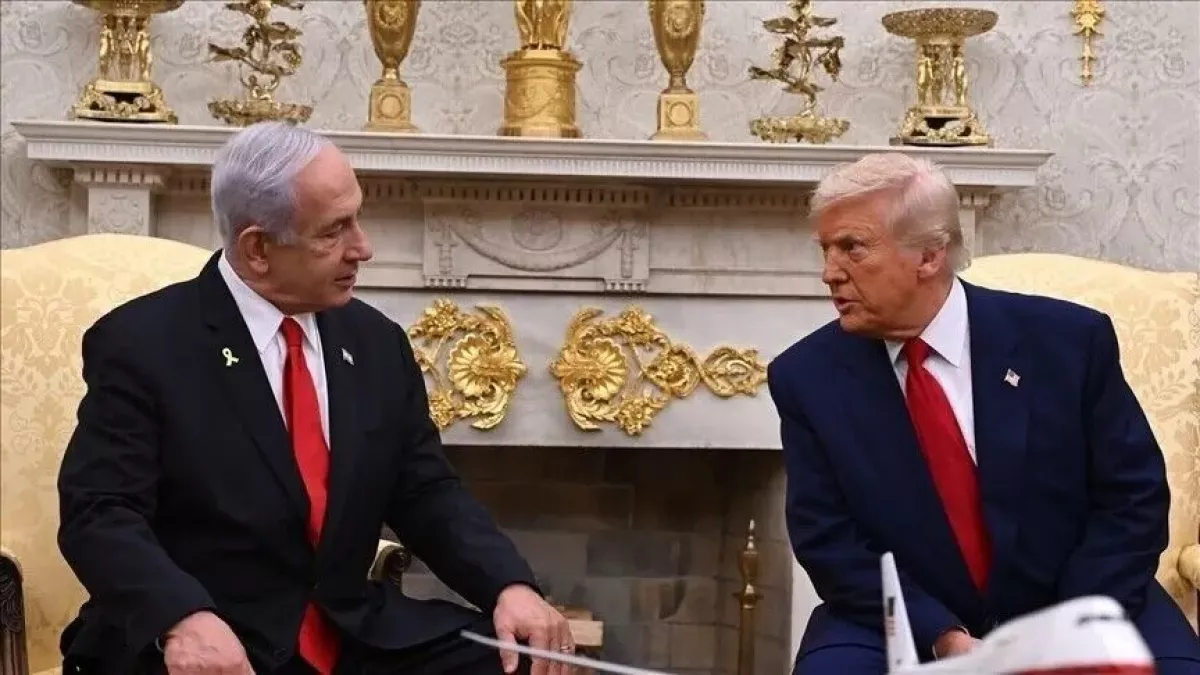
Against this backdrop, Donald Trump and Benjamin Netanyahu held their eighth meeting at the White House. The main outcome was the coordination of a unified hardline strategy of “maximum pressure” on Iran, while differences remained behind the scenes over the scale of military operations in Lebanon and Syria. Officially, the sides described the talks as “excellent and productive.”
Thus, the outgoing week has shown that the conflict is entering a new phase. According to many analysts, the United States appears to be preparing for a broader campaign aimed at forcing Iran’s leadership to accept American terms. This is also indicated by the accelerated deployment of additional US forces and military assets to the Middle East, including further army units. The dynamics of recent weeks suggest that any new large-scale operation in the region — as well as Iran’s response — is likely to involve an increasing number of actors.







 editor@caliber.az
 +994 55 444-88-98
 Азербайджан, Баку, ул. Низами, 203, Af Business House, 5-й этаж