










South Caucasus moves towards a unified energy system Article by Vladimir Tskhvediani
The 9th World Forum on Energy Regulation (WFER) was held in Tbilisi on September 21–24, 2026, organised by the Georgian National Energy and Water Supply Regulatory Commission (GNERC) with the support of the International Confederation of Energy Regulators (ICER). Held under the slogan “When Balance is Achieved”, this year’s forum focused on the evolving role of energy regulation, the transition to renewable energy and the challenges facing energy markets.
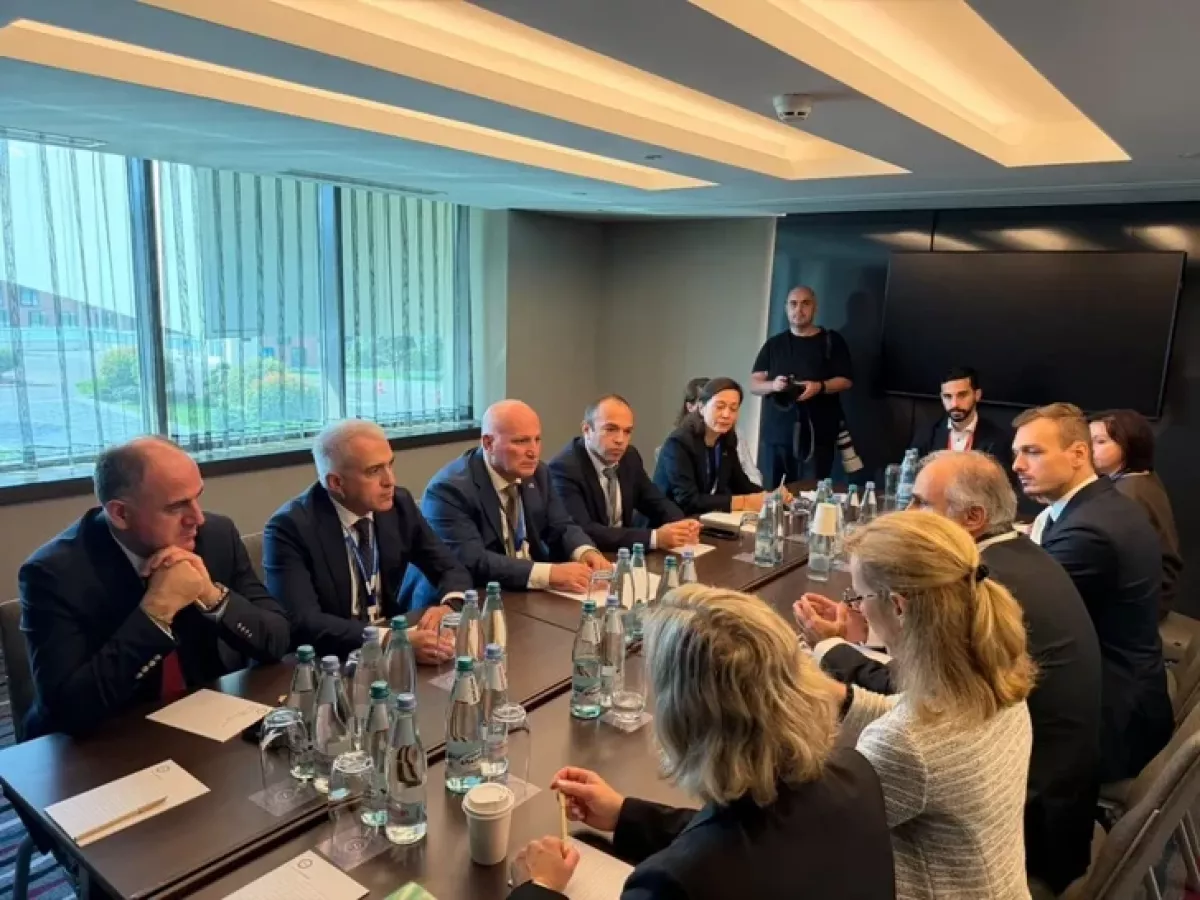
Representatives of Armenia, Georgia and Azerbaijan discussed in Tbilisi the prospects for integrating the energy systems of the South Caucasus countries and connecting them to Türkiye’s power grid. The meeting was attended by Davit Narmania, Chairman of the Georgian National Energy and Water Supply Regulatory Commission; Samir Akhundov, Chairman of the Board of the Azerbaijan Energy Regulatory Agency; the Chairman of Armenia’s Public Services Regulatory Commission; as well as Pedro Verdelho, President of the Council of European Energy Regulators (CEER), and representatives of the EU4Energy programme.
The participation of European energy regulators was not accidental: Türkiye’s electricity grid, operated by TEİAŞ, is technically synchronised with the continental European grid (ENTSO-E), allowing commercial electricity exchanges. The integration of the energy systems of Georgia, Azerbaijan and Armenia with Türkiye’s energy infrastructure could, in the future, enable electricity supplies to Europe.
The energy systems of Azerbaijan and Georgia have long operated in synchronous (parallel) mode, enabling mutual electricity exchanges to balance peak loads. As recent events have shown, such cooperation is one of the factors contributing to the stability of Georgia’s power system. It is enough to recall that the large-scale blackouts in Georgia on July 24 and 25, as well as August 5, 2026, occurred, among other factors, against the backdrop of temporary disconnection of Georgia’s power grid from Azerbaijan’s.
Cooperation between Georgia and Azerbaijan within projects aimed at transiting “green” electricity from Central Asian states to Europe is also promising. In summer 2026, Azerbaijan and Georgia approved a new 20-year agreement on the terms for the export of Azerbaijani electricity and its transit.
Until recently, political differences between Baku and Ankara, on the one hand, and Yerevan, on the other, had hindered the integration of the power grids of the three South Caucasus countries and their joint cooperation with Türkiye in the energy sector. However, the implementation of the “Trump Route” project makes the restoration of parallel operation between the power grids of Azerbaijan and Armenia a relevant prospect.
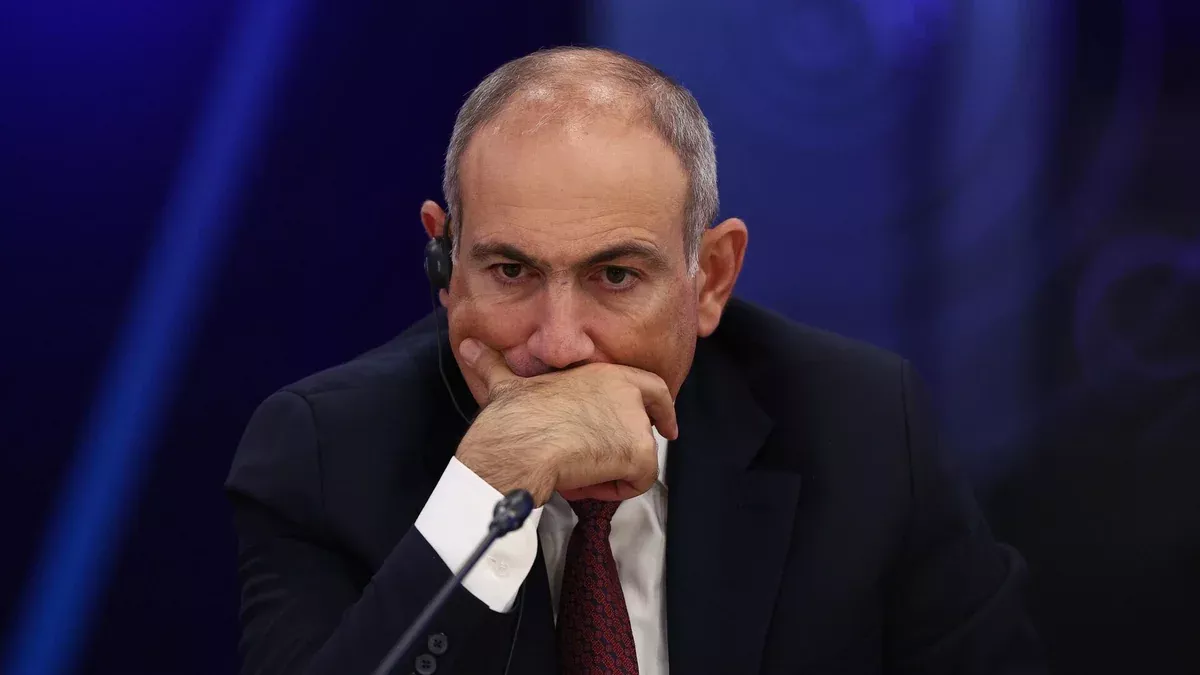
Less than a month ago, on August 24, 2026, Armenian Prime Minister Nikol Pashinyan said that power transmission lines between Azerbaijan and Armenia could become the first infrastructure project implemented under TRIPP. On August 25, representatives of the energy authorities of Azerbaijan and Armenia held talks in Lachin on the mutual import and export of electricity, as well as the connection of the two countries’ energy infrastructure along the border.
In the longer term, the power grids of Azerbaijan and Armenia are planned to be connected to Türkiye through Nakhchivan and the Zangezur Corridor via high-capacity direct-current converter substations. This would make it possible to transmit up to 1 GW of electricity without disrupting the synchronisation of Türkiye’s power grid with the European electricity system.

The integration of the power grids of Azerbaijan, Armenia and Georgia and their connection to Türkiye’s electricity system could become one of the most significant factors for long-term and sustainable peace in the region, as energy has in recent years, to a certain extent, served as a kind of “indicator of peace and war”.
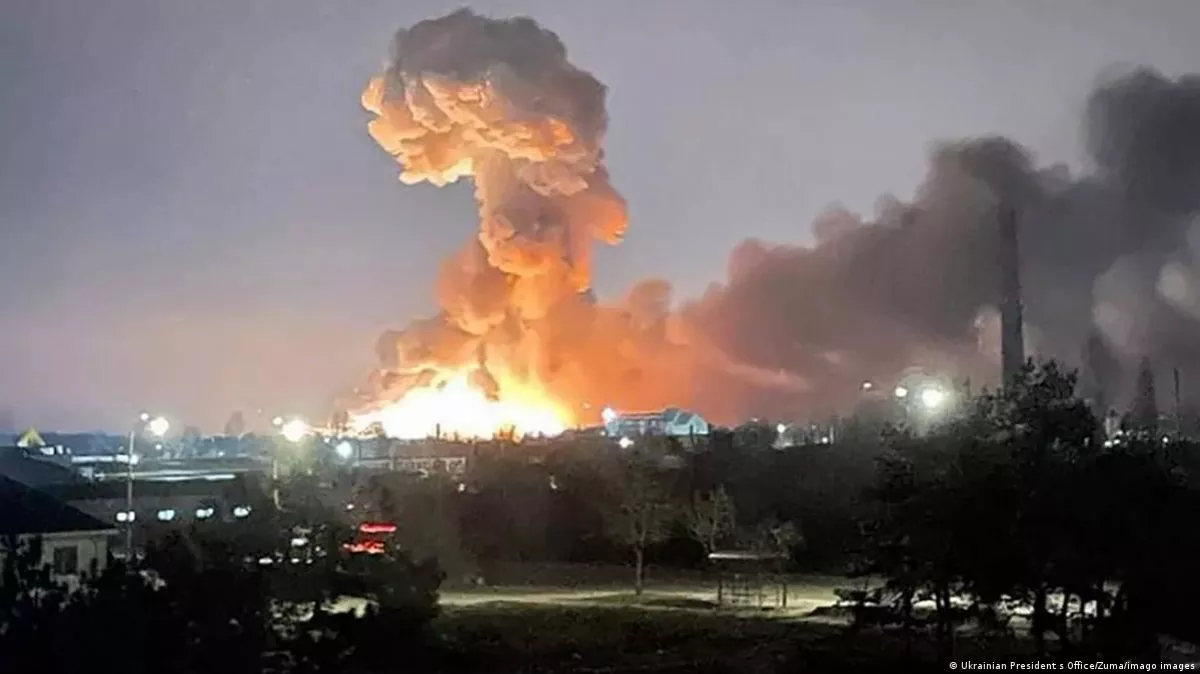
On February 24, 2022, not only did Russia’s military invasion of Ukraine begin. At midnight on February 24, Ukraine’s power system was disconnected from the power grids of Russia and Belarus. Ukraine had maintained a common electricity system with these countries since Soviet times. The disconnection was initially planned and intended to be temporary, lasting through February 26, 2022. Its purpose was to test the operation of Ukraine’s power system in autonomous mode and jointly with Moldova, so that Ukraine could subsequently connect to the European Network of Transmission System Operators for Electricity (ENTSO-E).
However, the war turned Ukraine’s temporary disconnection from the power grids of Russia and Belarus into a permanent one. The Ukrainian power system now operates synchronously with the European system, enabling it to mitigate the impact of Russian strikes on energy infrastructure.
Thus, the separation of the Ukrainian and Russian power systems in February 2022 became an “indicator of war”. Until the issue of the two countries’ power systems operating again in parallel arises, it would, from this perspective, be premature to speak of long-term and lasting peace. Moreover, in Russian-controlled areas of Ukraine, particularly Crimea, drone strikes are exacerbating power-supply problems that are unlikely to be fully resolved without a political settlement.
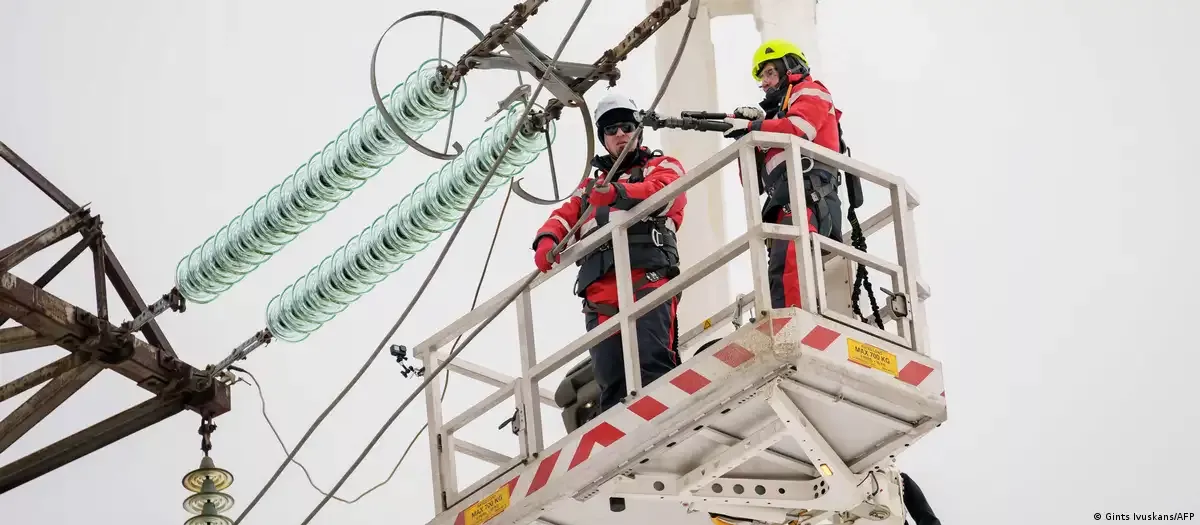
Another “indicator of the threat of war” was the final disconnection, on February 8, 2025, of the Baltic states — Lithuania, Latvia and Estonia — from the power grids of Russia and Belarus. On that day, the Baltic states synchronised their electricity grids with continental Europe. Following this, Estonia, Latvia and Lithuania stepped up preparations for a potential military confrontation with Russia. Thus, in this case too, according to the logic of the article, the severing of energy ties can be viewed as one possible sign of rising military and political tensions.
The fact that the power systems of the South Caucasus are, by contrast, becoming increasingly integrated could indicate that the era of wars and confrontation in the region has been left behind. Georgia, however, still faces the unresolved issue of restoring its territorial integrity and integrating Abkhazia and South Ossetia.
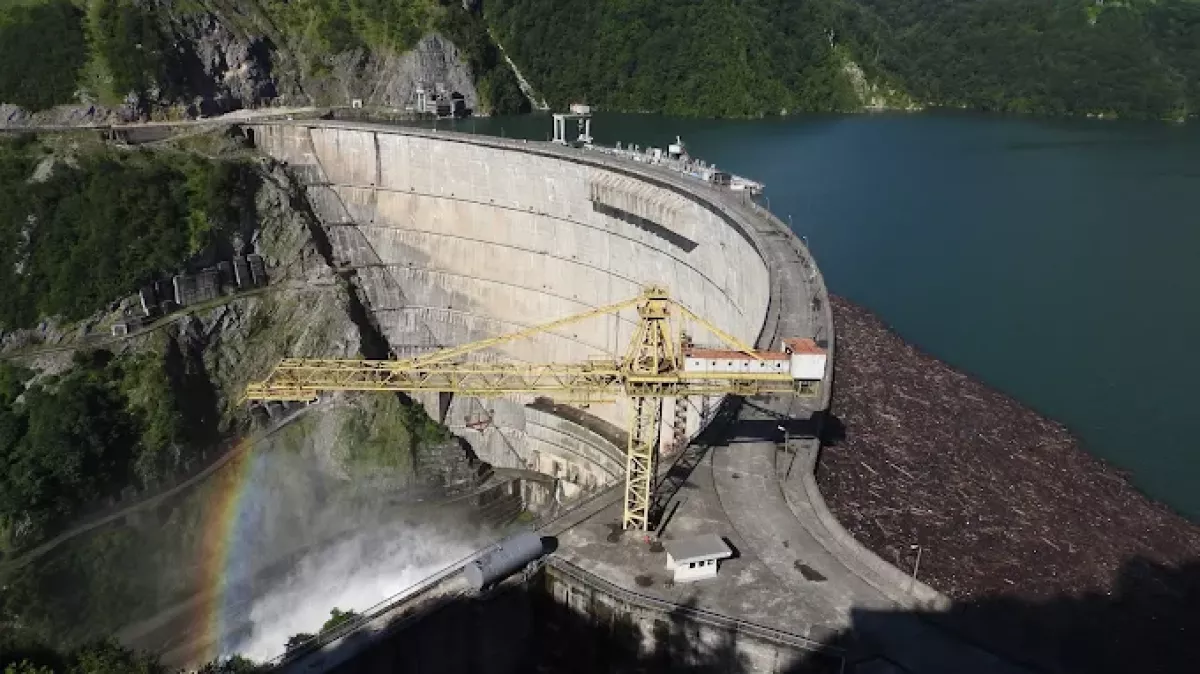
However, the case of Abkhazia’s dependence on the Inguri Hydroelectric Power Plant provides an example of how energy integration can contribute to a gradual rapprochement between the sides: a significant share of the electricity generated there is supplied to territory not controlled by the Georgian authorities.
Thus, in energy terms, Abkhazia is part of Georgia, and the question of when it will become fully part of Georgia politically is, ultimately, a matter of time.
By Vladimir Tskhvediani, Georgia, exclusively for Caliber.Az







 editor@caliber.az
 +994 55 444-88-98
 Азербайджан, Баку, ул. Низами, 203, Af Business House, 5-й этаж