










Rules of the fog of war: Rutte changes NATO’s strategic philosophy Analysis by Matanat Nasibova
The current month has been marked by a series of significant and, in many respects, programmatic statements by NATO Secretary General Mark Rutte, delivered at leading international forums. In effect, he has outlined the contours of a new strategic doctrine for the alliance, centred on a deliberate rejection of linear predictability and a radical redistribution of the burden of responsibility between the Old and New Worlds.
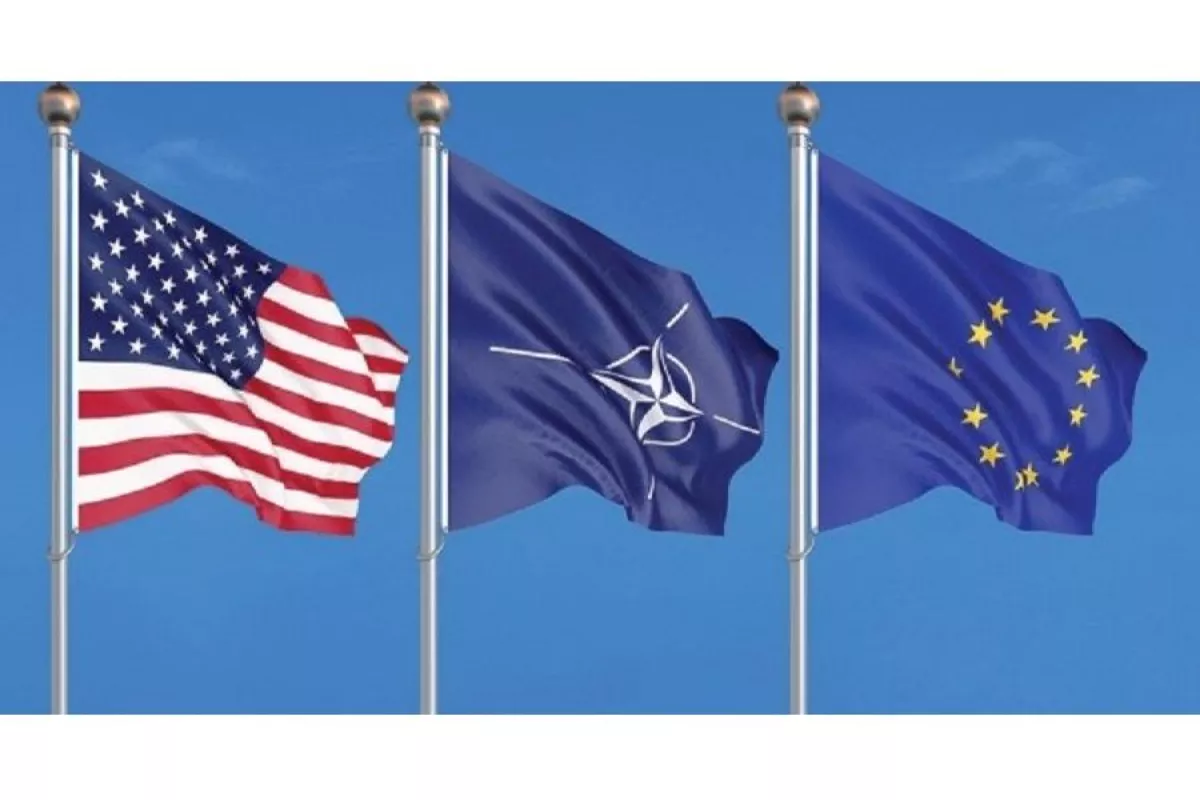
“A sovereign character”
Commenting on the flexibility of collective defence mechanisms, Rutte made a key admission: Article 5 of the Washington Treaty (North Atlantic Treaty) was deliberately worded ambiguously: “Article 5, that is deliberately ambiguous. So, we will never exactly tell anyone when Article 5 is exactly triggered or not, because we don't want to make our adversaries any wiser. But when it comes to hybrid, let me assure you, we have all the response options we need. But some of them you will not see because they are simply not public. And they will not always be 'tit for tat'. So it sometimes will be symmetric or asymmetric.”
Rutte’s remarks suggest that this flexibility is intended to prevent potential adversaries, primarily Russia and China, from developing precise mathematical models of how NATO would respond. Responses to cyberattacks, sabotage of undersea cables, or violations of airspace could come at any point and in the most unexpected form.
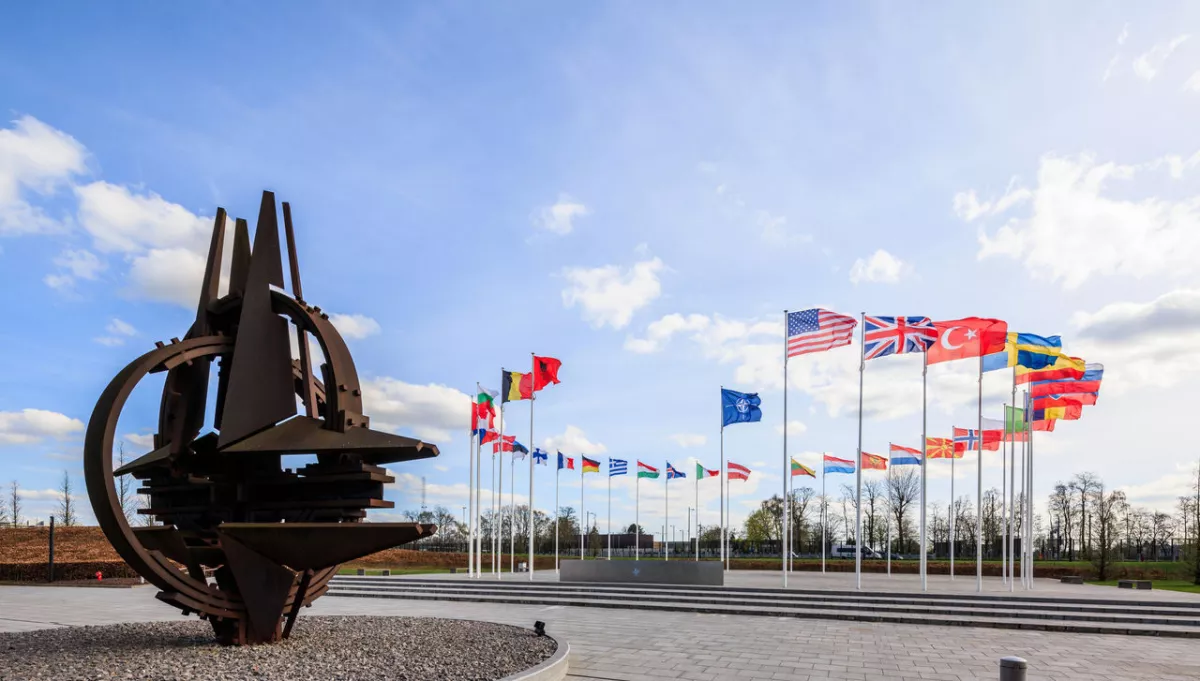
However, from a legal perspective, it is important to understand that Article 5 does not mean the automatic entry of all NATO member states into a war. Rather, it obliges them to provide assistance, with each country determining the nature of that assistance sovereignly — from supplying medicines and intelligence to deploying military contingents. At the same time, it should be noted that the July Ankara Declaration merely formalised a political “ironclad” commitment to the principle of the indivisibility of security, without removing national sovereignty over decision-making.
Thus, Rutte’s remarks constitute a strategic deterrence signal to the alliance’s potential adversaries, primarily Moscow and Beijing, that attempts to test NATO’s limits of tolerance or exploit the grey zones of hybrid warfare will encounter an unpredictable and forceful response. This is the first point.
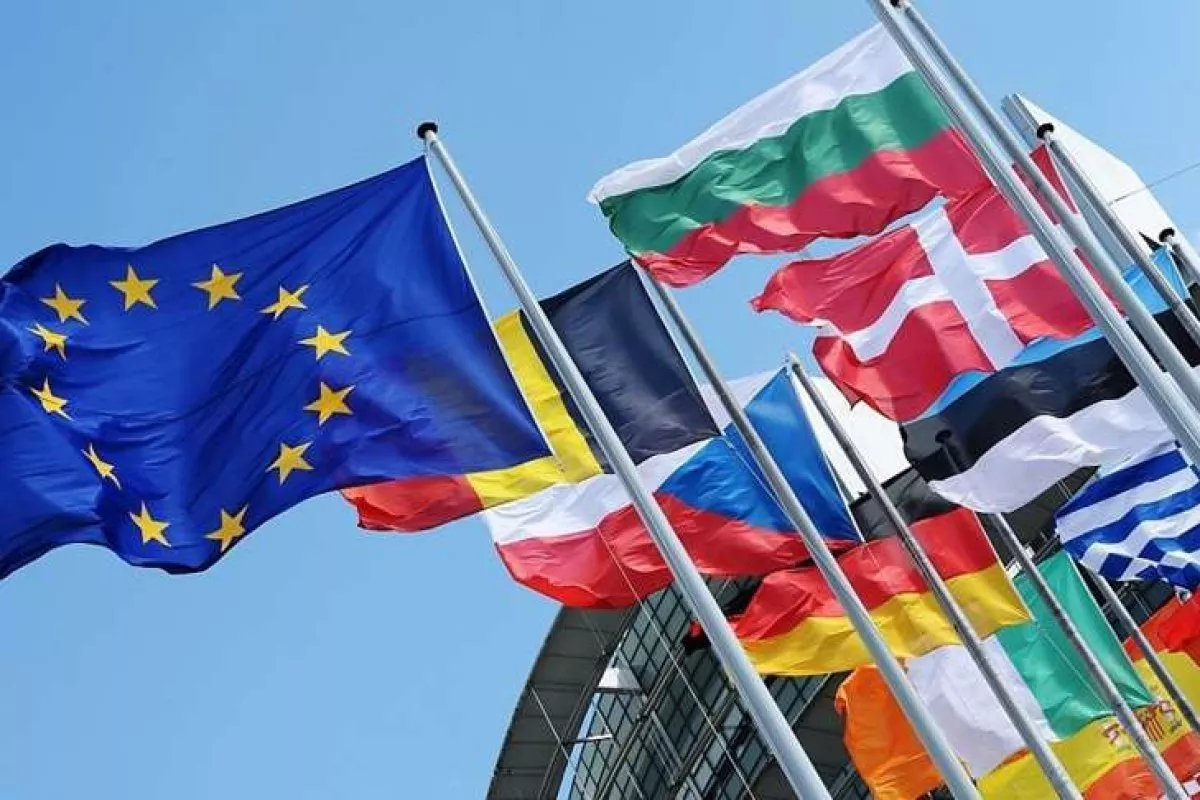
Secondly, the Secretary General’s remarks have another specific addressee: the European states. Their message is that they must consolidate their efforts, overcome internal differences and assume greater responsibility for the defence of the Old Continent. In other words, Rutte has effectively called on European capitals to invest more in their own security.
Overall, his statements point to a consistent conclusion: Europe’s security cannot rest solely on the “nuclear umbrella” or automatic US guarantees. Since Article 5 leaves each country free to determine the form of assistance it provides, European states must increase defence spending so that their collective deterrence capability remains sufficiently credible.
The crisis within
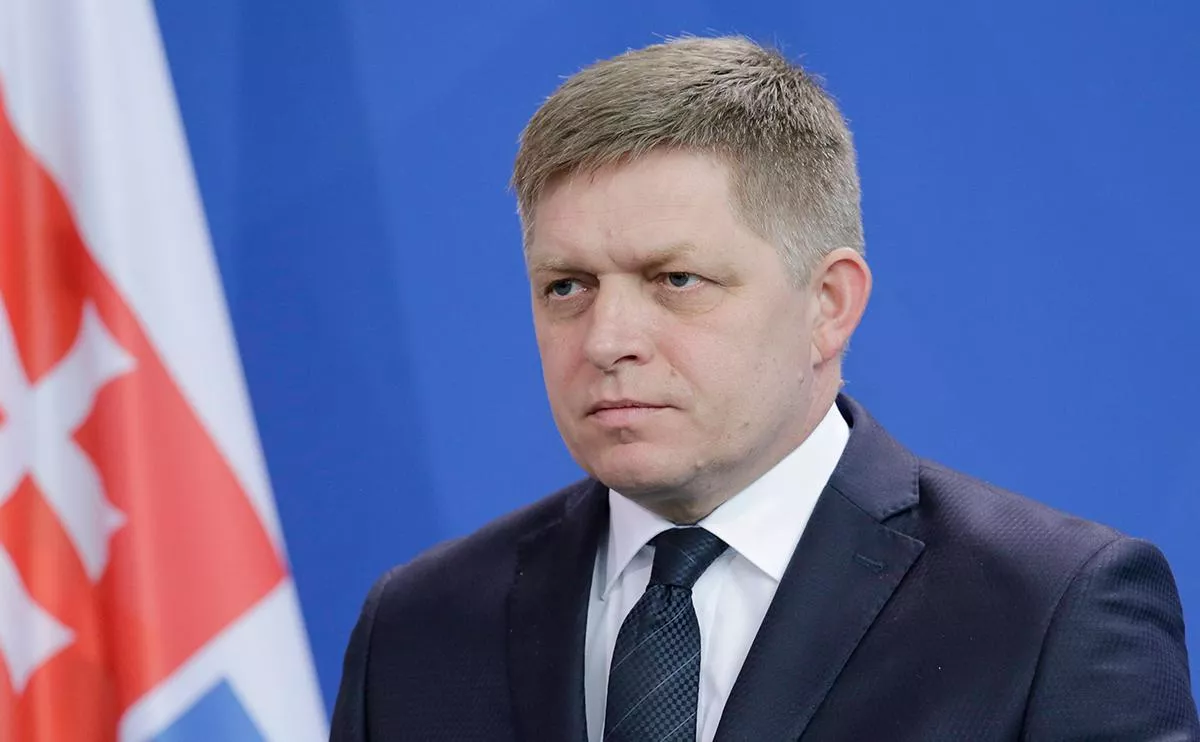
Beyond the points already mentioned, another context is particularly noteworthy: Rutte’s remarks came amid heated debates within the alliance itself. A striking example is the démarche by Slovak Prime Minister Robert Fico, who openly stated that he did not want to drag his country into an armed conflict over “some Article 5”. Such sentiments are strongly rejected by NATO’s Eastern European and Baltic members, for whom the provision is a matter of genuine survival.
Rutte’s approach is to use these nuances not to escalate internal tensions, but as an incentive for hard-headed pragmatism. His message is extremely simple: the era when Europe’s security was guaranteed entirely and exclusively by the American taxpayer under the umbrella of US nuclear parity is irreversibly over.
A defining transformation
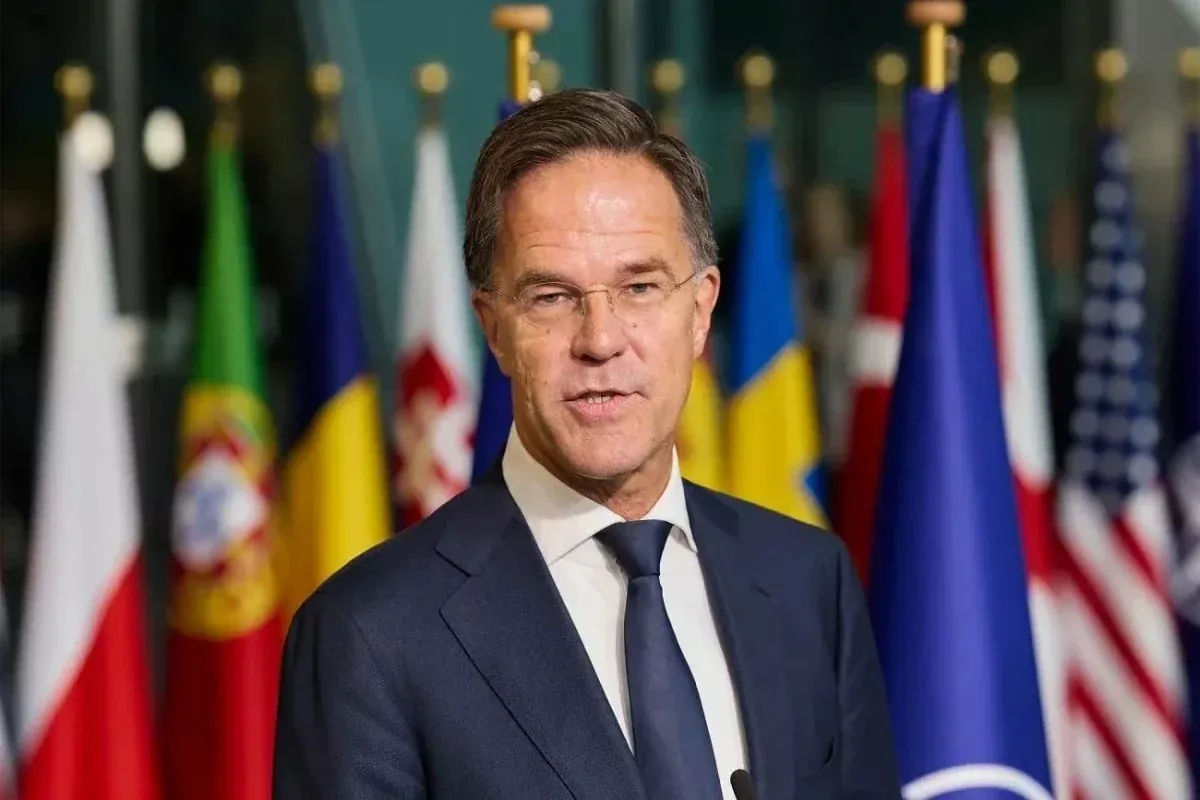
Speaking in Germany and the United Kingdom in September, Mark Rutte clearly outlined the framework of a new strategy that experts have long dubbed “NATO 3.0”, linking Europe’s security to developments in Asia. According to his assessment, a potential conflict over Taiwan would prompt Beijing to enlist Moscow in creating a diversionary crisis in Eastern Europe. Consequently, Europeans cannot afford to detach themselves from the global policy of the United States.
This approach is not without grounds, as against the backdrop of the unchanged course of US strategy, built around the America First concept and official NSS/NDS documents, Washington is demanding that Europe achieve full self-sufficiency in the field of high-end conventional weapons. In this configuration, Rutte is acting not as an instrument of American pressure, but as a crisis manager seeking to preserve the transatlantic alliance through its economic and defence decentralisation.
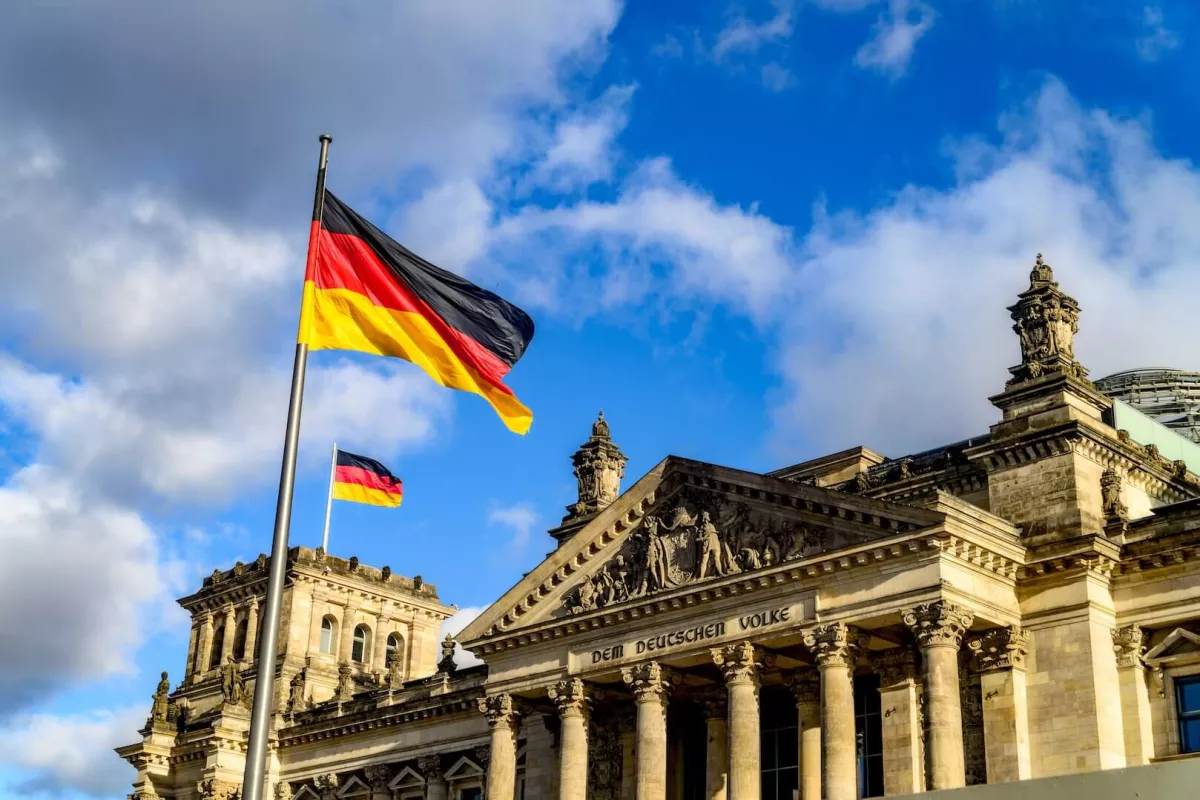
On the other hand, the implementation of the “NATO 3.0” concept is also changing the balance of power within the alliance itself: the traditional dominance of London and Paris is being diluted, while Berlin is ultimately assuming a central role in European defence. It is no coincidence that the Secretary General openly describes Germany as a leader in the transformation of the alliance, highlighting the growth of its defence industry and its substantial presence on NATO’s eastern flank. At the same time, Poland and the Nordic countries are de facto emerging as the alliance’s largest security contributors, with the Baltic-Scandinavian region consequently developing into a powerful deterrence bastion.
Thus, the main overarching conclusion from Rutte’s statements is that the North Atlantic Alliance is not breaking apart — it is undergoing the most painful and profound evolution since the end of the Cold War. The Secretary General, in turn, is not preparing to dismantle NATO, but is overseeing a deep modernisation of the alliance aimed at strengthening it and making it more resilient in the face of the global challenges of the 21st century. In other words, the security formula is shifting from the passive, paternalistic model of “America protects Europe” to a partnership model in which “America and Europe jointly protect their common frontiers, while Europeans fully provide for their conventional defence.”
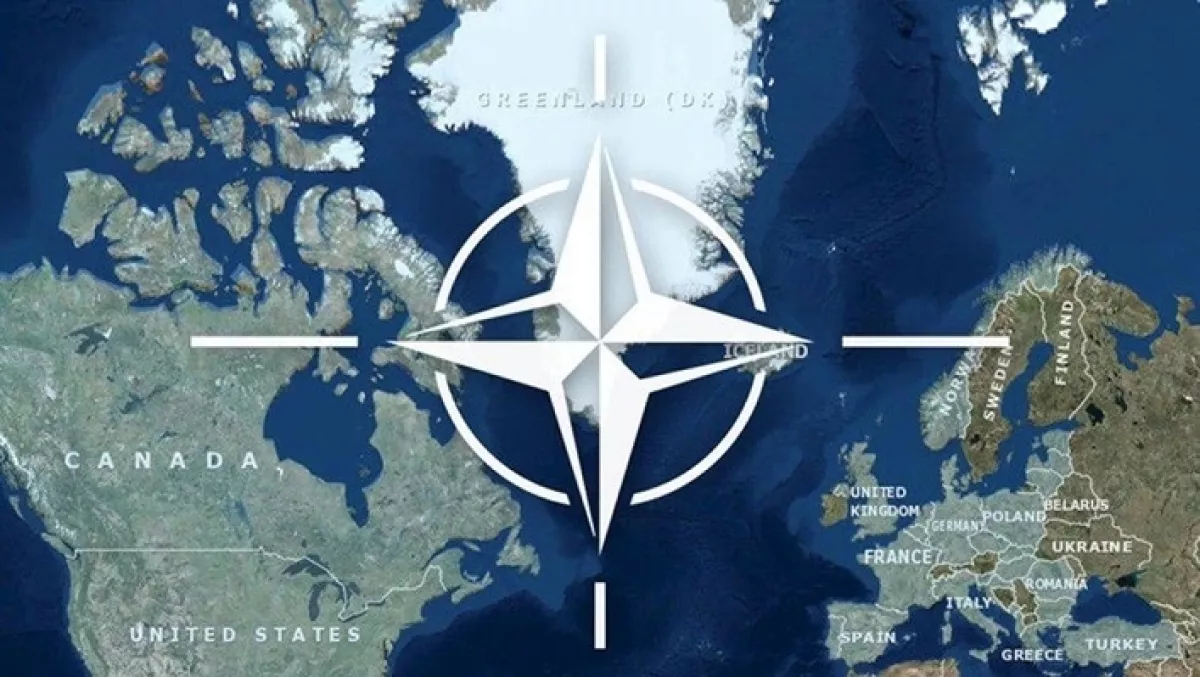
According to expert assessments, such a configuration reduces the risks of isolationism in the United States while simultaneously turning Europe into a mature, well-armed and politically responsible actor in global affairs. However, given the current budgetary pressures facing the economies of several leading European countries, it remains unclear whether Europe’s defence industry can launch a large-scale rearmament drive without placing an undue burden on the alliance’s member states.







 editor@caliber.az
 +994 55 444-88-98
 Азербайджан, Баку, ул. Низами, 203, Af Business House, 5-й этаж