










Crisis is not catastrophe Ahead of the 81st session of the UN General Assembly
The United Nations General Assembly opens the general debate of its 81st session in New York on September 22 against the backdrop of several problems confronting the UN simultaneously: the Security Council is struggling to forge common solutions to the biggest international crises, states are increasingly creating alternative diplomatic formats, while the Organisation itself is cutting spending and reducing its peacekeeping capabilities.
Each of these problems has emerged before, but today they have converged at a single point. International crises are becoming more numerous, and resolving them requires the coordination of many states, while the capabilities of the universal organisation remain constrained by political divisions and a lack of resources. This is particularly evident in the Middle East. The war involving the United States, Israel and Iran continues, Houthi actions are creating threats to shipping, and tensions are affecting energy markets.
The example of Gaza is also telling. Following the establishment of a Board of Peace linked to the US settlement plan, some issues concerning the future of the Strip have been moved to a new format. An international stabilisation force is under discussion, while a separate dispute is unfolding over the future of the UN Relief and Works Agency for Palestine Refugees in the Near East (UNRWA): Washington is advocating a change in the agency’s role, while its supporters regard it as a vital instrument of humanitarian assistance to Palestinians. In Lebanon, a new security arrangement is also being discussed following the end of the mandate of the United Nations Interim Force in Lebanon (UNIFIL). In Sudan, diplomatic efforts are being divided between the Organisation and regional actors. In each of these cases, the UN remains present, but it is no longer the only place where negotiations are taking place.
This is precisely where the main feature of the current crisis becomes apparent: the United Nations is not disappearing from international politics, but its universality increasingly coexists with other centres of decision-making. States are creating temporary coalitions, regional formats and bilateral negotiating channels. Sometimes this is because reaching agreement within the UN framework is difficult; sometimes it is because individual countries consider it more convenient to work with a narrower group of participants.
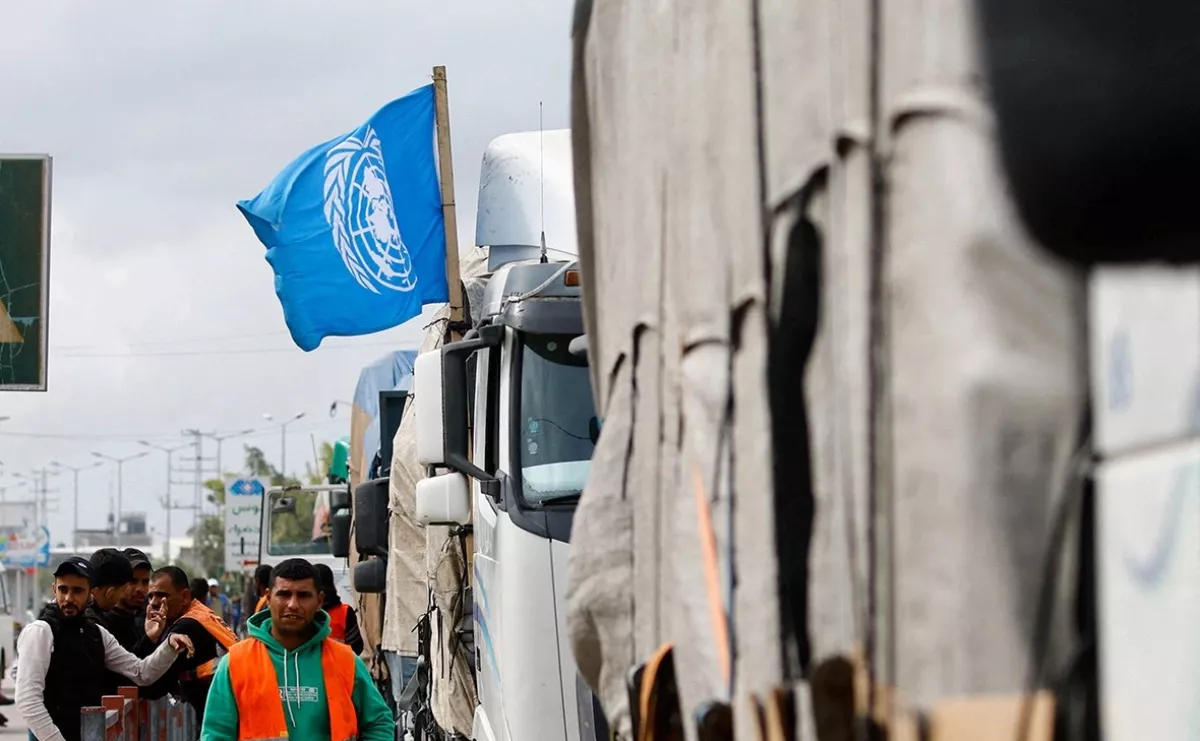
The financial problem is reinforcing this process. As part of the UN80 reform, the UN is proposing to cut the regular budget for 2026 by 15.1 per cent compared with the approved 2025 budget, while reducing staff numbers by 18.8 per cent. The Organisation’s leadership links these measures to improving efficiency, consolidating functions and reducing duplication.
However, the cuts are also affecting practical operations. The capacity of peacekeeping operations and special political missions is being constrained. The Organisation is receiving fewer resources at a time when it is still expected to provide humanitarian assistance, mediation and a presence in conflict zones.
This also raises a more fundamental question: “Does the current institutional architecture correspond to 21st-century international politics?” The Security Council reflects the balance of power of 1945, whereas the economic and political weight of states has changed substantially over the decades since then. Attempts to reform the system have been underway for a long time, but the permanent members of the Security Council themselves possess key instruments for preserving the existing order.
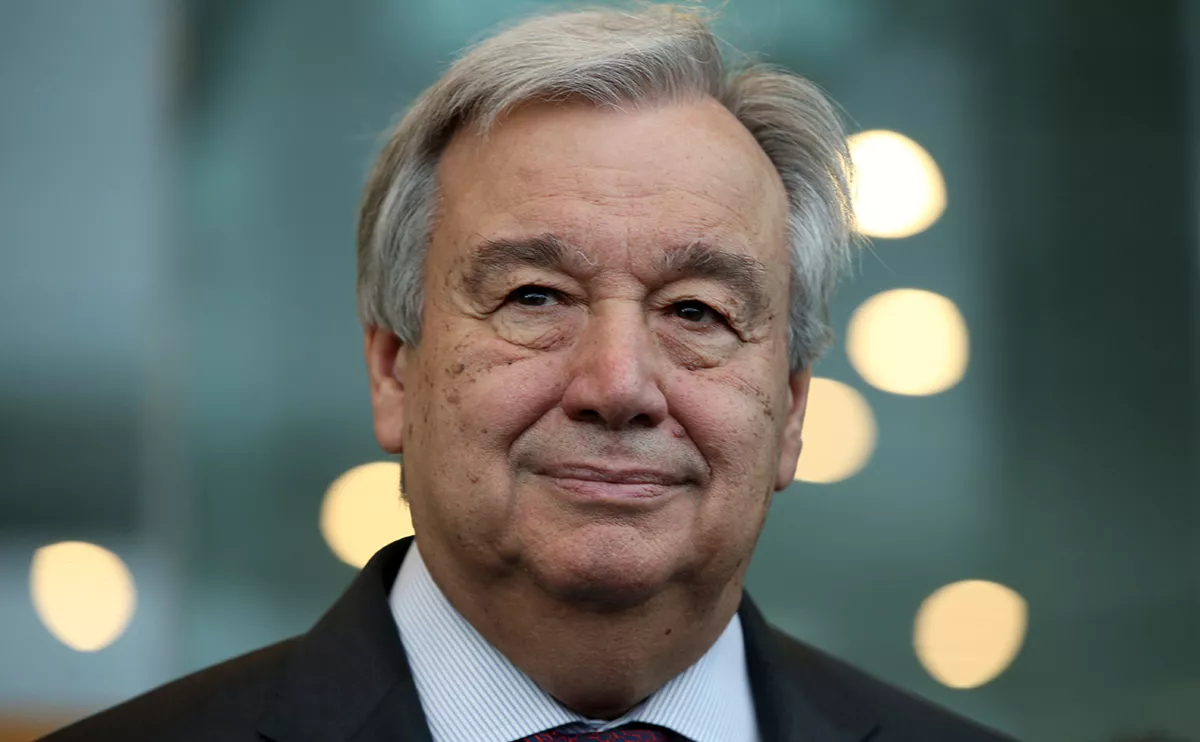
Against this backdrop, the change of UN Secretary-General takes on particular significance. António Guterres’s term of office ends in December 2026. The officially nominated candidates include Carolyn Rodrigues-Birkett, Rafael Grossi, María Fernanda Espinosa Garcés, Olara Otunnu and Yvonne Aki-Sawyerr. Formally, the new Secretary-General is elected by the General Assembly, but a candidate must first receive a recommendation from the Security Council. The contest to succeed Guterres is therefore inevitably linked to the positions of the United States, China, Russia, the United Kingdom and France.
Another test for the Organisation is artificial intelligence. Guterres is seeking to establish international rules governing its use, but states and technology companies still prefer to pursue their own approaches. This creates a familiar contradiction: problems are becoming global faster than states can agree on mechanisms to regulate them.
At the same time, today’s crisis cannot be reduced to the UN’s inability to make decisions. The Organisation continues to carry out an enormous amount of humanitarian, peacekeeping and technical work. The General Assembly remains a virtually universal forum, and on a number of issues this gives it an advantage over narrower coalitions.
Therefore, the current institutional decline is not a story of the UN once being capable of solving all the world’s problems and then losing that ability. Such a period never existed in the first place. The problem is that the number of issues on which compromise among the permanent members of the Security Council appears increasingly unattainable is growing, and this has a cascading effect on the Organisation’s entire system of functioning.
In this sense, the current General Assembly is important above all as the starting point for a discussion about the future of the Organisation itself. The change of Secretary-General, budget cuts and new diplomatic formats are all forcing countries to redefine which challenges they are prepared to address through the UN and what its role in global politics should be.







 editor@caliber.az
 +994 55 444-88-98
 Азербайджан, Баку, ул. Низами, 203, Af Business House, 5-й этаж