










A metre at a premium: Why are property prices rising in Baku? Overview by Khazar Akhundov
In recent years, Azerbaijan’s real estate and residential construction markets have faced a number of challenges: construction materials have become more expensive, other costs have risen, and the volume of newly completed housing has declined. Against this backdrop, prices have risen sharply, and in 2025 these trends led to a noticeable drop in apartment and house sales in Baku. A lack of purchasing power has kept the property market stagnant this year as well. However, experts continue to record rising prices in the housing market: price growth accelerated to 8.5% year on year in the second quarter of 2026, while the increase in the new-build segment exceeded this figure.
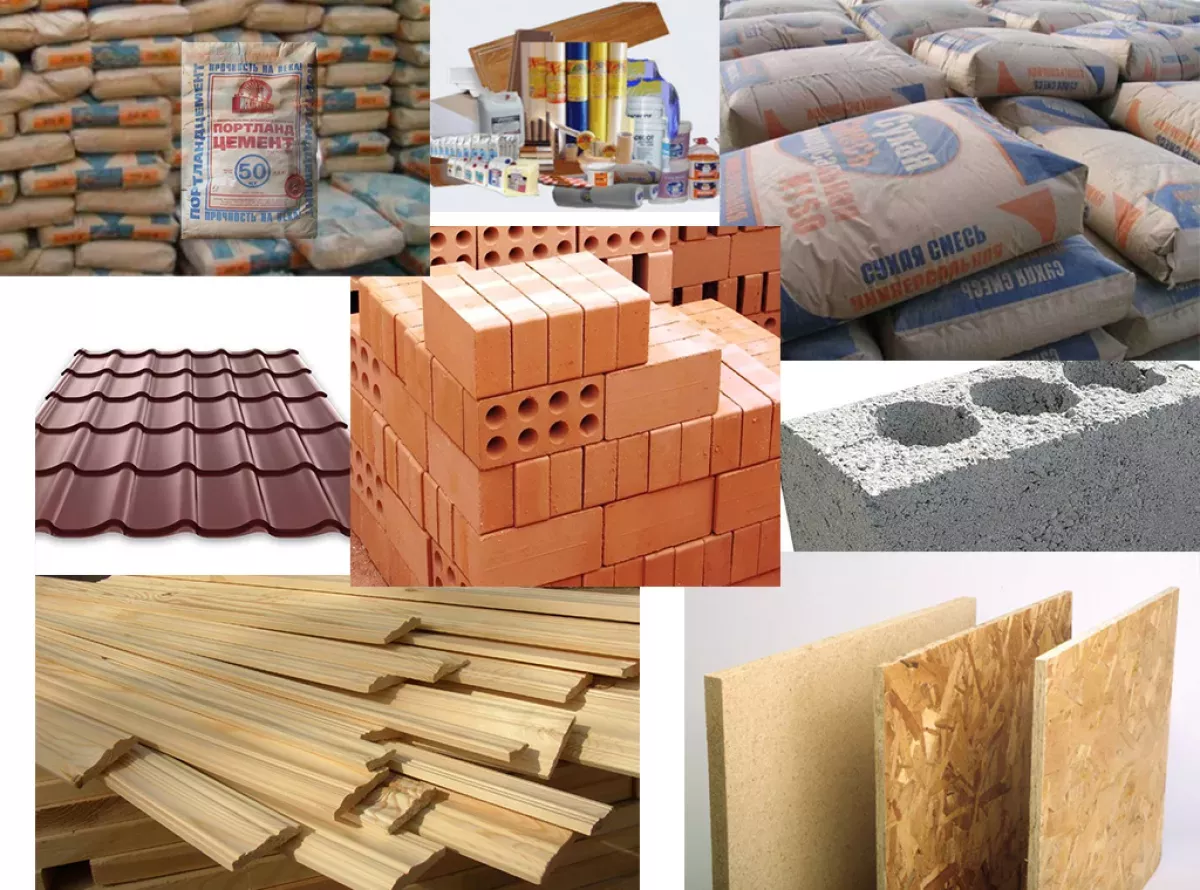
The inertia that has characterised the market in 2022–2025 was driven to a significant extent by imported inflation: prices for foreign-made construction materials and equipment rose, while fuel and transport costs increased in parallel. Another major factor behind rising prices was the acute shortage of suitable plots for construction in Baku, Sumgayit, the Absheron Peninsula and other urbanised parts of the country.
At the same time, construction regulations introduced several years ago require developers to strictly comply with building rules, preventing them from increasing the density of development by reducing non-residential space. The lack of large plots available for development is also holding back growth in the construction market.
For comparison, whereas previously up to 80,000 square metres of residential floor space could be built on a one-hectare site, the current limit is just 20,000–25,000 square metres. Ultimately, all these costs are factored into construction costs: over the past five to six years alone, property prices have risen by around 70%.
As Vugar Oruj, Chairman of the Board of the Azerbaijan Appraisers Society, noted the previous day, the amount of available land in the capital is gradually shrinking, while land prices are rising faster than those of other types of property. Prices for undeveloped plots are expected to increase by 16–22% by the end of this year.
The situation elsewhere in the country is somewhat different. According to the State Statistics Committee, a total of 35,390 residential buildings of various types, with a combined floor area of more than 4.629 million square metres, were commissioned in Azerbaijan in 2025, up 75.6% from 2024.
This positive trend is linked to the unprecedented construction boom in territories liberated from occupation, as well as relatively strong growth in the construction of private homes and new-build housing in regions where there are currently virtually no problems with land allocation.
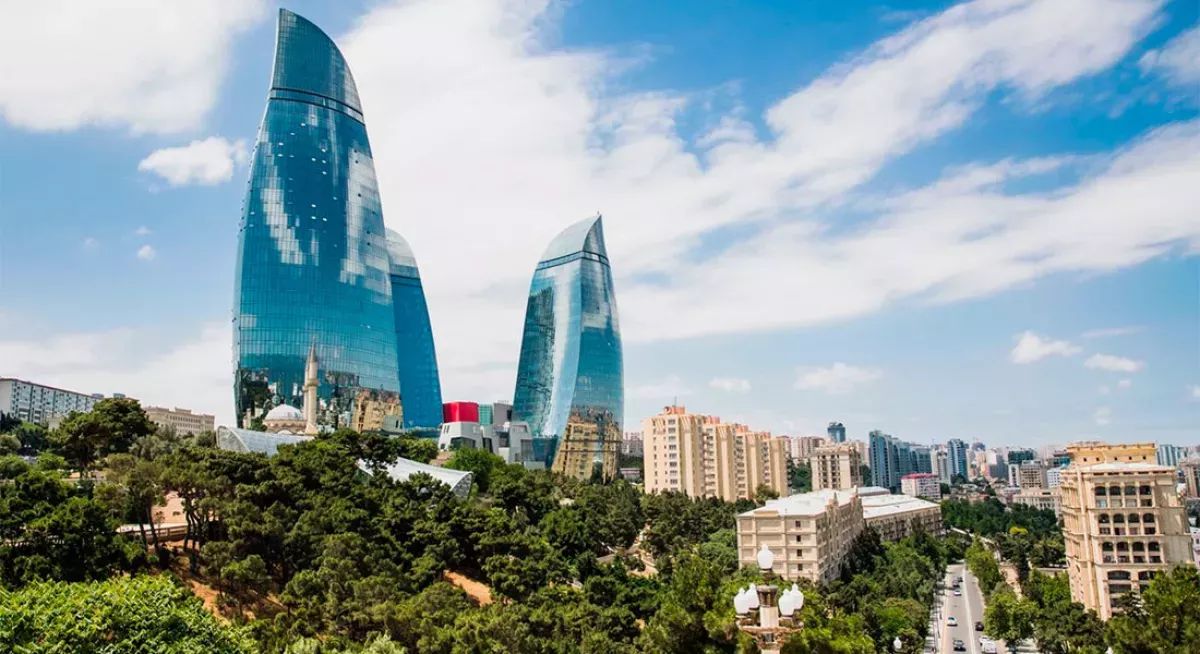
As for Baku, 9,711 apartments with a total floor area of 870,800 square metres were commissioned last year. This means that the capital accounted for around 18.81% of the total volume of newly commissioned housing, which is far from a large share.
At the same time, following the rise in land prices in the capital, properties at the foundation stage are also showing a noticeable increase in value, with prices forecast to rise by 13–17%. As for buildings already in use, Vugar Oruj said that average residential property prices in the capital rose by 8.5% year on year in the second quarter of this year, while price growth in the new-build segment exceeded 11%. Properties with a state registry extract and those eligible for mortgage financing were particularly in demand.
Overall, housing prices have risen across all 12 administrative districts of the capital, but the price gap is more than 2.8-fold. The highest prices were recorded in the Sabayil district, at 4,132 manats ($2,431) per square metre, while the lowest were in Pirallahi, at 1,452 manats ($854) per square metre. Meanwhile, the average price per square metre of residential property in Baku reached 2,934 manats ($1,726) by September this year.
It is worth noting that high property prices have a highly adverse effect on market activity. Overall, purchasing power in the capital's housing market has declined in recent years, and the market has entered a period of stagnation. According to a real estate market analytical report prepared by the International Bank of Azerbaijan (ABB) in August, the number of apartment registrations in the first half of 2026 showed virtually no change compared with the same period last year. The number of technical passports issued by the State Service for Property Issues also declined, falling by 4.7% in January–April 2026. At the same time, the physical supply of apartments is also contracting, as investment in residential construction has fallen significantly this year.
All of the above points to deep stagnation in the market, making it difficult to explain why residential property prices are rising. This is particularly the case given that the banking sector, which could drive the expansion of financing and capitalisation in the residential property market, is also showing no positive momentum.
According to data from the Central Bank of Azerbaijan, the volume of mortgage loans issued by banks in January–August 2026 amounted to 262.9 million manats ($154.6 million), down 13.7% from the corresponding figure last year. In addition, the volume of mortgage loans refinanced by the Azerbaijan Mortgage and Credit Guarantee Fund (AMCGF) amounted to 255.12 million manats ($150.1 million), a decrease of 10.8%. The only segment to see an increase was social mortgages provided through the AMCGF: during the reporting period, 63.75 million manats ($37.5 million) was allocated from the state budget for this purpose, up 33.5%.
However, social mortgages, together with subsidised state housing commissioned through the State Housing Development Agency of Azerbaijan (MİDA), are not yet substantial enough to meet a significant share of demand or meaningfully bring down prices in the overheated capital's housing market.
Thus, a paradoxical situation has emerged: current market prices for housing are several times higher than the population's purchasing power and exceed the existing limits of mortgage lending. Yet housing prices are not falling; on the contrary, they continue to rise.
This contradiction can be partly explained by imported and domestic inflation, prompting housing cooperatives to significantly inflate their margins on square-metre prices in anticipation of both current and future cost increases, given that housing is selling slowly while costs are rising faster. On the other hand, the limited supply of housing in the capital is creating a shortage that continues to push up prices for new-build apartments, which in turn drives up the overall price level across the market.
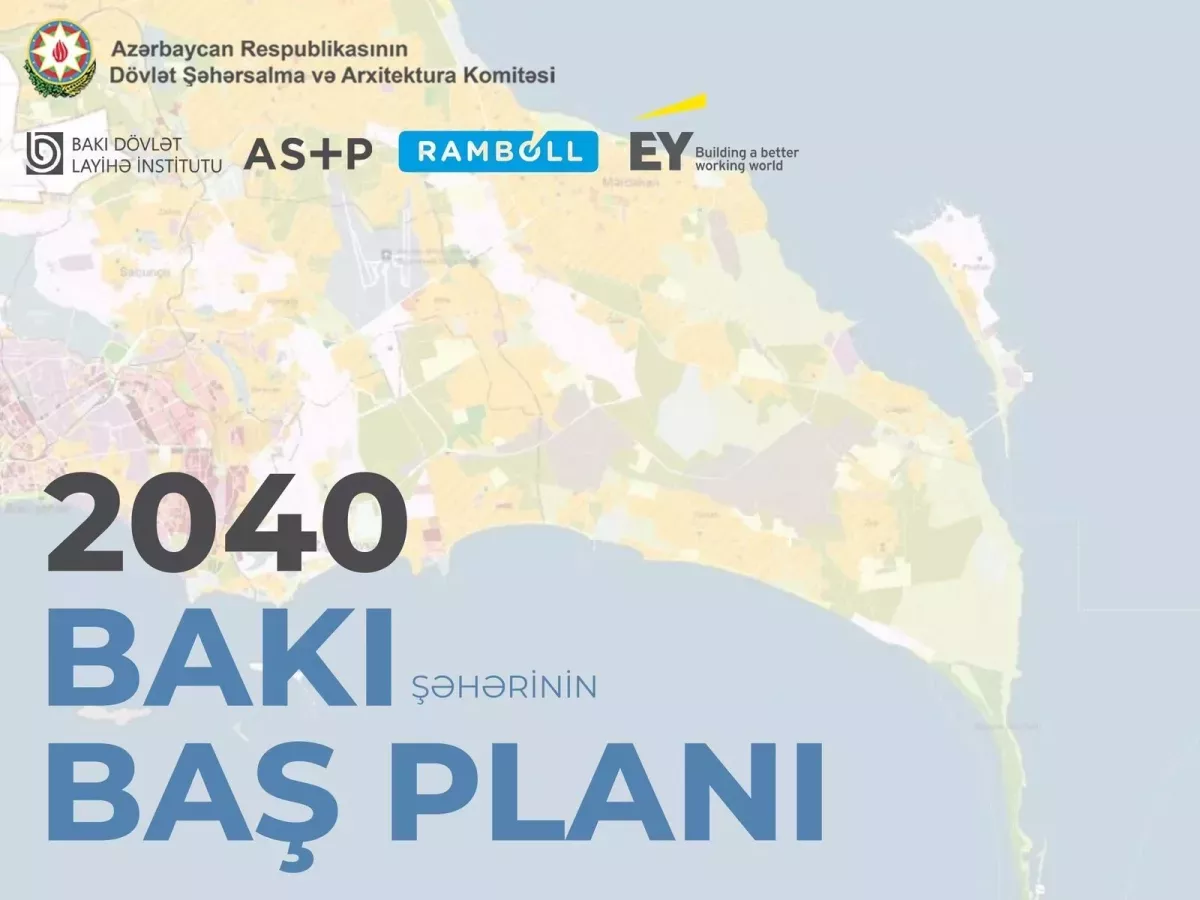
Nevertheless, the Baku Master Plan through 2040 envisages the implementation of a large-scale programme to redevelop the city and modernise its urban environment. In particular, the capital currently has around 1,100 dilapidated residential buildings classified as unsafe, as well as approximately 16,000 buildings whose service life has expired, most of which were built during the Soviet period. As part of reconstruction efforts covering the Sabayil, Yasamal, Binagadi, Narimanov, Khatai, Nizami, Sabunchu, Nasimi, Surakhani and Pirallahi districts, a considerable number of dilapidated low-rise buildings and unsafe high-rise residential blocks are expected to be demolished.
The programme is expected to free up more than 9,000 hectares of land for modern high-rise development, easing the acute shortage of land faced by housing cooperatives operating in the capital. Over the next 14 years, around 200,000 apartments are planned to be built in Baku, and the expected increase in construction volumes is likely to have a significant impact on housing market price dynamics.







 editor@caliber.az
 +994 55 444-88-98
 Азербайджан, Баку, ул. Низами, 203, Af Business House, 5-й этаж