










New clues from Pharaoh’s tomb revive queen’s lost remains theory
A new geophysical survey of the tomb of one of ancient Egypt’s most prominent pharaohs, Tutankhamun, points to the possible existence of hidden corridors and chambers behind the burial chamber, reviving a long-standing theory that part of Queen Nefertiti’s lost tomb may be concealed within the same complex in Luxor.
The study, led by former Egyptian antiquities minister Mamdouh Eldamaty, focuses on anomalies detected behind the walls of Tutankhamun’s burial chamber, as highlighted in an article by the Arab News outlet.
The data suggest the presence of hidden passageways and possibly sealed chambers adjacent to the known rooms, extending 25 to 30 metres north of KV62, the official designation of Tutankhamun’s tomb in the Valley of the Kings, where he was originally laid to rest following his unexpected death at the young age of 18 or 19.
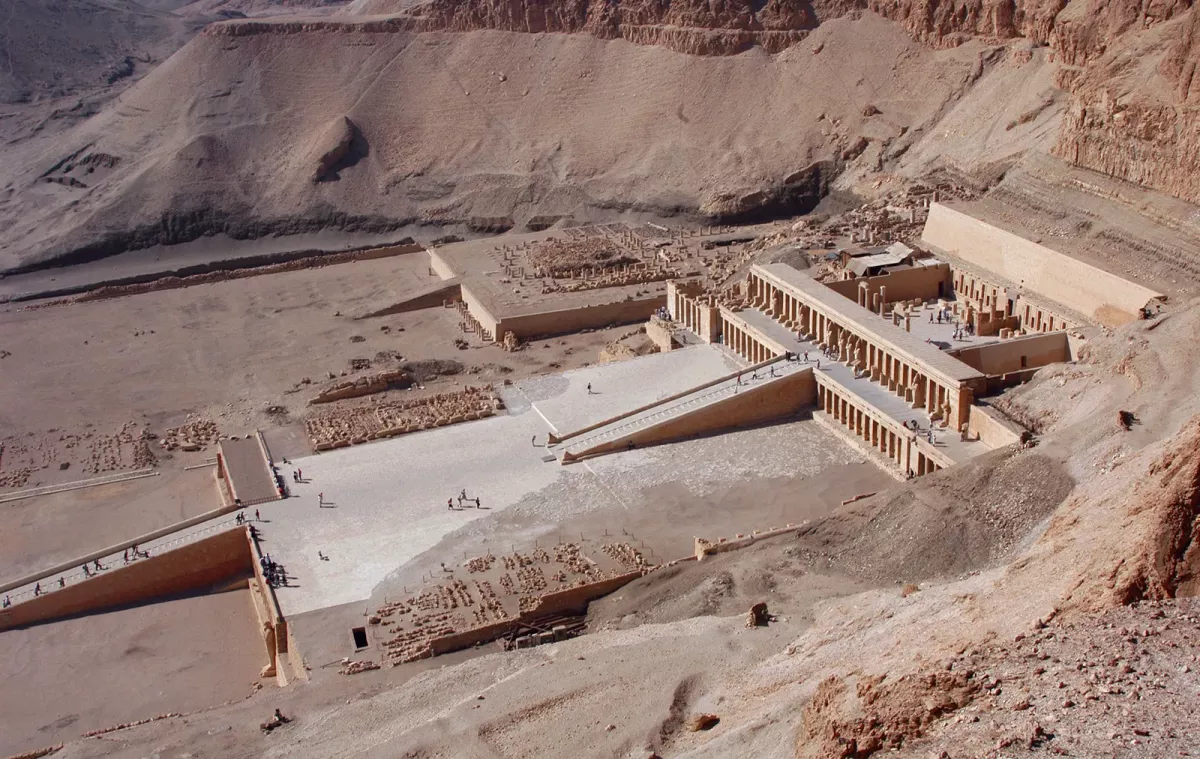
The research team has applied to Egypt’s Supreme Council of Antiquities for permission to drill an 8-centimetre hole through the limestone hill above the tomb, allowing miniature cameras to examine what may lie inside.
“There is genuine hope that beyond the walls of KV62 is a ‘hidden royal monument capable of illuminating one of the most obscure and controversial chapters of ancient Egyptian history’,” Eldamaty said in the team’s conclusions, published in the Occasional Papers of the Amarna Royal Tombs Project.
The researchers said the findings from an unprecedented range of scientific techniques, including radar, thermal imaging and measurements of deeply buried archaeological structures, “provide additional scientific support for the view that the structure of KV62 predates the interment of Tutankhamun and is likely to be more extensive than traditionally understood”.
Queen Nefertiti lived more than 3,000 years ago and was the wife of Akhenaten. She is also thought by many scholars to have been Tutankhamun’s mother.
Decades-old debate
The findings have generated a mixed reaction, partly because they reopen a debate that began in 2015, when British Egyptologist Nicholas Reeves, a co-author of the latest study, proposed that secret chambers and corridors behind Tutankhamun’s burial chamber could contain the long-lost tomb of Nefertiti, the wife of Pharaoh Akhenaten.
Reeves first suggested in 2015 that Nefertiti could be buried in a hidden chamber within Tutankhamun’s tomb, which was discovered by British archaeologist Howard Carter in 1922. He has spent the past decade seeking evidence to support the theory, including through several radar studies.
Reeves has pointed to the unusually small size of Tutankhamun’s tomb. KV62 contains four chambers, only one of which is decorated, a layout he argues does not fit a typical 18th Dynasty royal burial site.
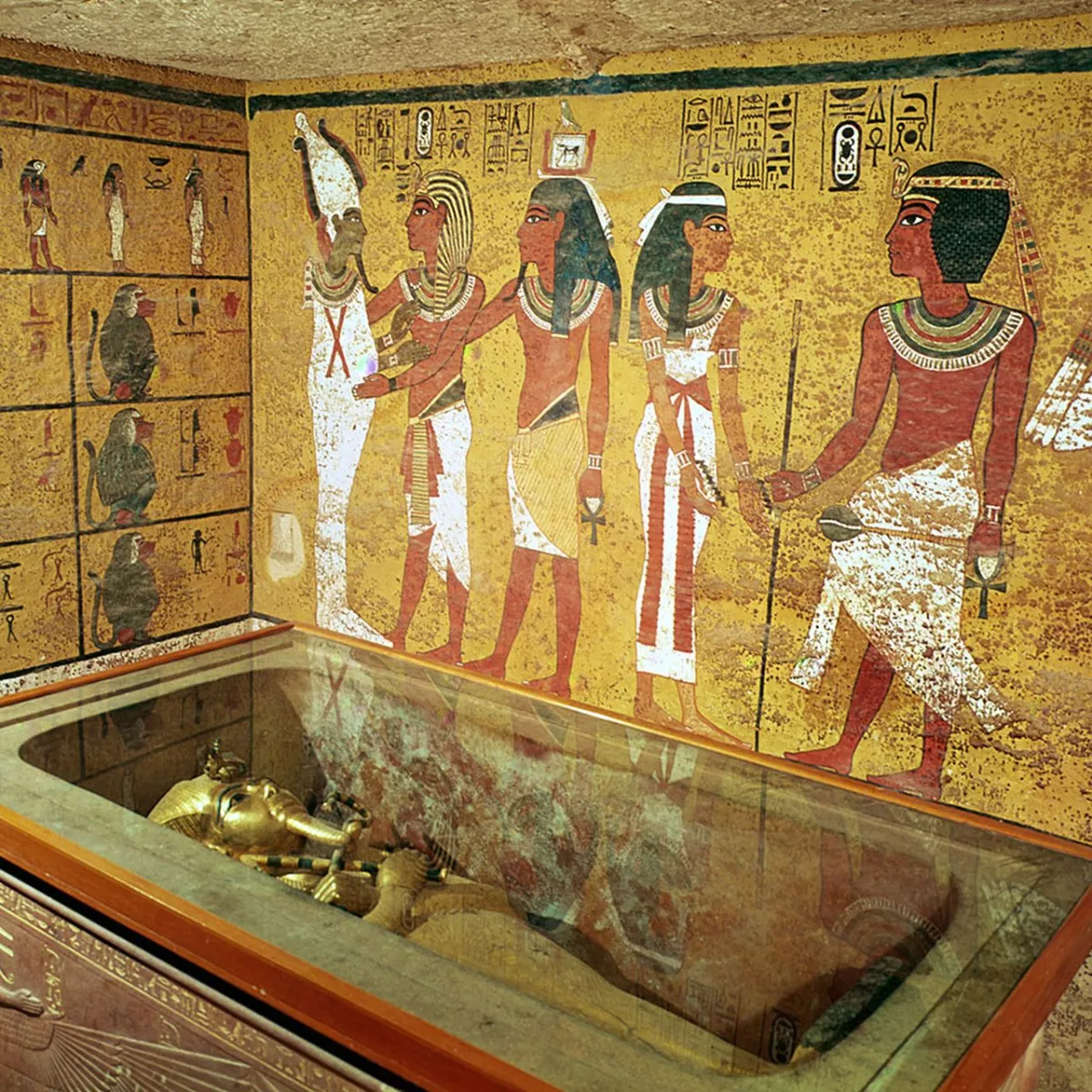
The traditional explanation is that the tomb was originally a private burial site that was hastily adapted for Tutankhamun after his unexpected death at the age of 19, when his intended tomb had not yet been completed.
Reeves instead argues that the original tomb was built for a queen and that only its outermost sections were adapted for Tutankhamun. Under his theory, the chamber was not originally intended for the young pharaoh but formed part of a larger royal tomb, with a decorated wall concealing passages leading to additional rooms.
Based on the layout and decoration, Reeves has argued that the occupant of those rooms would have been a woman of pharaonic status who preceded Tutankhamun — namely Nefertiti.
Nefertiti, the wife of the so-called “heretic” pharaoh Akhenaten, is one of ancient Egypt’s most famous figures. She is known for her iconic bust and her central role in a radical religious revolution that briefly moved Egypt’s capital to Amarna.
The bust of Nefertiti, discovered in 1912 during excavations at a sculptor’s workshop, is held at the Neues Museum in Berlin and has become the subject of a campaign calling for its return to Egypt.
Despite her prominence, Nefertiti’s final resting place has never been found. Her tomb remains one of Egyptology’s most sought-after discoveries and could provide valuable evidence about the end of the 18th Dynasty and Egypt’s return to traditional rule.
By Nazrin Sadigova







 editor@caliber.az
 +994 55 444-88-98
 Азербайджан, Баку, ул. Низами, 203, Af Business House, 5-й этаж