










Beyond the bombs: Washington’s next phase in the Iran conflict Analysis by Matanat Nasibova
Apparently, the conflict between the United States and the Islamic Republic of Iran will enter a fundamentally new phase in the foreseeable future – at least, that is what Washington’s latest messages appear to indicate.

In particular, in a recent exclusive interview with The New York Post, US Vice President J.D. Vance said the following: “We can’t predict the future, but I think the president is right to say that this thing will enter a much different phase in a couple of months.” He divided the development of the conflict into two stages, the first of which involved dismantling Iran’s nuclear programme, its armed forces, and its ability to project power at its previous level.
The essence of the second stage is to prevent Tehran from rebuilding. Judging by Vance’s remarks, this does not amount to a conventional end to the confrontation – the US administration is considering a shift from large-scale military operations to long-term deterrence. Thus, the White House is effectively signalling that the dismantling of the Islamic Republic’s military infrastructure is nearing completion and that the United States is moving towards a strategy of sustained pressure, while simultaneously signalling to the outside world that the Islamic Republic of Iran, as a major regional military threat, has been neutralised.
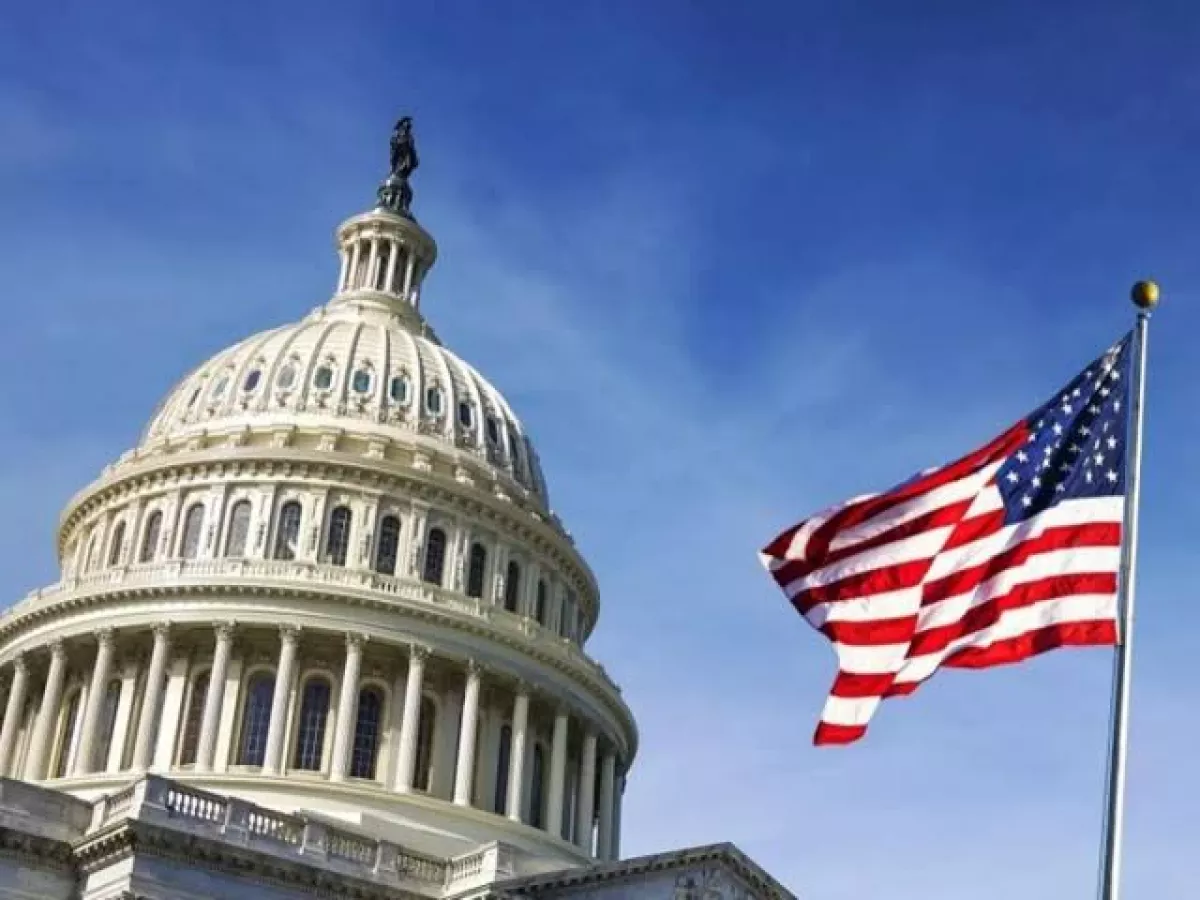
From this perspective, particular attention should be paid to the position of Congress. On September 15, the House of Representatives voted for the War Powers Resolution for the third time, calling for the withdrawal of US armed forces from combat operations against Iran. Formally, the document is advisory in nature, and the executive branch is entitled to disregard it. Nevertheless, there is a deep political contrast between the resolution and the White House’s rhetoric, reflecting not merely an attempt to end the war, but the emergence of a sustained demand within the US political system for a change in its approach towards the Islamic Republic.
Against this backdrop, it is particularly noteworthy that seven Republicans joined the Democrats – three more than in the previous votes – pointing to growing divisions within the ruling party. The situation is further complicated by the upcoming midterm elections in November, rising fuel prices and the financial costs of military operations. According to the Congressional Budget Office, as of early August, the conflict had cost the US Treasury more than $38 billion, while continuing it requires an additional $2–3 billion per month.
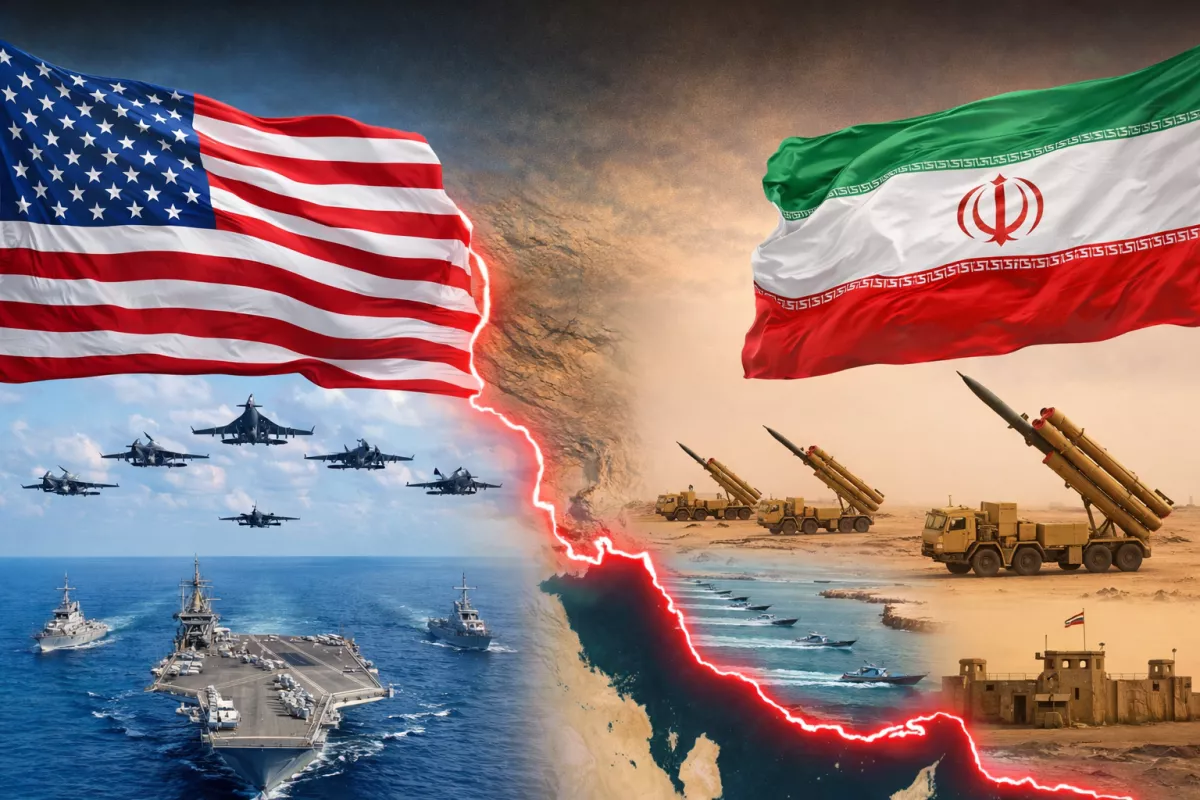
In light of the above, the current moment can be characterised not only as a confrontation between the “party of war” and the “party of peace”, but also as a fierce struggle over the terms of an exit from the crisis. In effect, the Trump administration and Congress are addressing the same overarching question – how to wind down and transform an exhausting conflict without reputational losses or the surrender of strategic positions – but are pursuing different approaches. Capitol Hill, for its part, intends to tie the executive branch’s hands and force it to fully wind down the operation.
Meanwhile, the White House’s plan is aimed at shifting the campaign from costly bombardments to a policy of “strategic strangulation”, involving sanctions and a permanent economic blockade. The United States is seeking to reduce Iran’s legal oil-export revenues to zero, forcing Tehran to spend enormous resources on finding ways around the restrictions. Washington is also focusing on strengthening the defensive capabilities of its regional allies, primarily Israel and the Gulf monarchies, while the US military presence in the Middle East serves as a deterrent against Iran’s missile capabilities. In parallel, the United States is carrying out targeted strikes against pro-Iranian groups in Yemen, Syria and Iraq.
It is difficult to predict at this stage whose approach – that of Congress or the White House – will ultimately prevail. However, it can be said with confidence that there are currently no signs of peace approaching. Moreover, the White House’s rhetoric to date points to continued pressure on the Islamic Republic, potentially extending all the way to the complete capitulation of the Iranian authorities.







 editor@caliber.az
 +994 55 444-88-98
 Азербайджан, Баку, ул. Низами, 203, Af Business House, 5-й этаж