










Warsaw’s nuclear choice: Between ambitions, the NATO umbrella and harsh reality Analysis by Matanat Nasibova
Amid persistent geopolitical turbulence and shifting US priorities under Washington’s updated security strategy, the question of developing nuclear weapons has increasingly entered the European security debate. This trend is particularly evident in Poland, where discussions about acquiring an independent nuclear capability are no longer considered taboo.
Security at any cost
The issue attracted major international attention in March, when Bloomberg reported on plans outlined by Polish Prime Minister Donald Tusk. Tusk said Warsaw intended, in the long term, to pursue its own nuclear weapons capability. “Poland takes nuclear security very seriously,” he said, adding that the country was preparing for “the most autonomous actions” as it sought to strengthen its national autonomy.
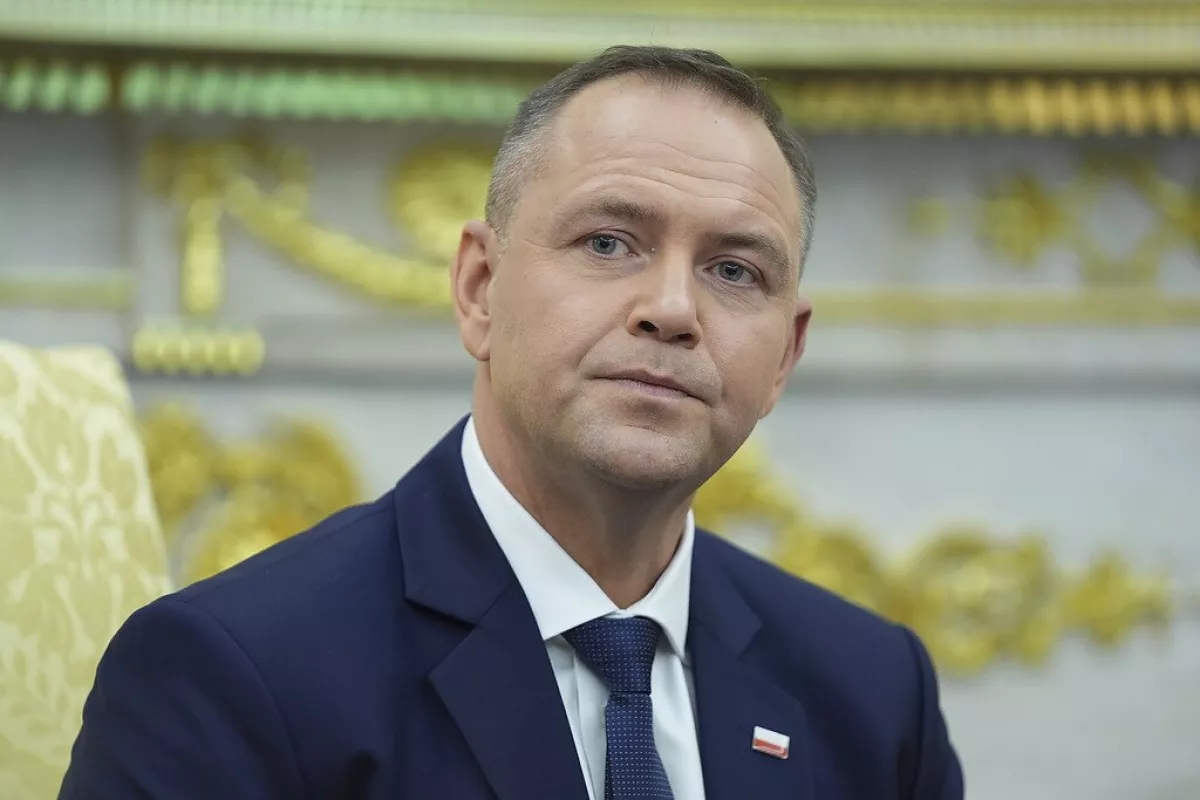
A month earlier, Polish President Karol Nawrocki had expressed a similar position. In an interview with Polsat News, he openly advocated strengthening Poland’s security “even on the basis of nuclear potential”.
In September, former President Andrzej Duda also addressed the issue, telling Euronews that he would like to see Poland become a nuclear power. “There’s no point hiding it, I would like Poland to have nuclear weapons,” he said, describing a nuclear arsenal as a key element of deterrence.
Between nuclear sharing and the NPT
At present, Poland benefits indirectly from NATO’s nuclear umbrella: no US nuclear warheads are stationed on Polish territory, although Polish authorities have repeatedly expressed interest in joining NATO’s Nuclear Sharing arrangements, following the example of Germany, the Netherlands and Belgium.
In February 2024, General Jarosław Kraszewski said such a scenario could become a possibility in the near future. In March 2025, then-President Andrzej Duda went further, calling on the United States to deploy nuclear weapons on Polish territory.
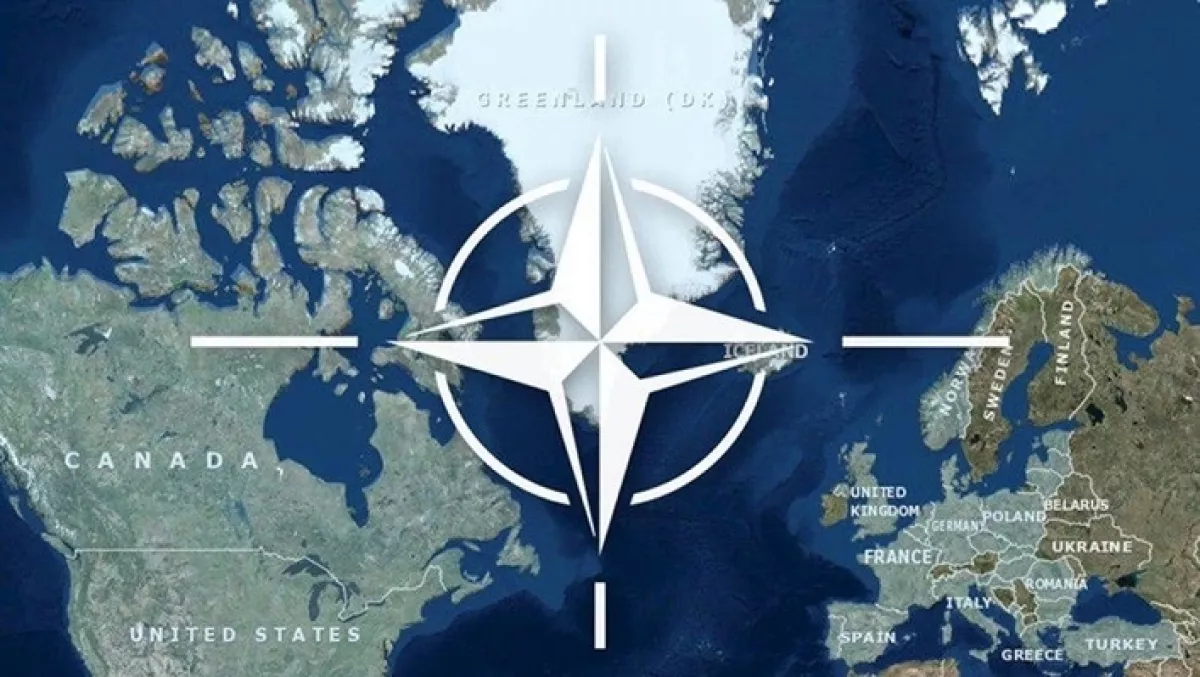
However, this raises an important legal and political nuance: the deployment of US nuclear weapons under NATO’s Nuclear Sharing arrangements is not considered a violation of the Treaty on the Non-Proliferation of Nuclear Weapons (NPT), which seeks to prevent the spread of nuclear weapons while promoting nuclear disarmament. By contrast, developing an independent Polish nuclear arsenal would put Warsaw in direct conflict with its NPT obligations and could carry severe diplomatic and reputational costs, including the risk of international isolation.
Deterrence without control of the nuclear button
In June 2026, the Financial Times reported on alleged discussions between the United States, Poland and the Baltic states over the possible deployment of nuclear weapons. In response, Polish Defence Minister Władysław Kosiniak-Kamysz told TVP Info that talks were indeed taking place within NATO between the United States and several European countries about a possible expansion of the Nuclear Sharing programme. He stressed, however, that the issue was highly sensitive and that “if there are any statements on the matter, they will only be final statements at the NATO level, not speculation”.
The Pentagon, for its part, has also shown little support for Warsaw’s ambitions to develop a national nuclear capability. In March, US Deputy Secretary of Defense Elbridge Colby explicitly said Washington would oppose efforts by Poland, Germany or the Scandinavian countries to develop their own nuclear weapons. From Washington’s perspective, such a move would amount to undesirable nuclear proliferation and could undermine the existing non-proliferation framework.
NATO has likewise maintained that the alliance’s nuclear posture is not intended to involve the deployment of nuclear warheads to new member states. This helps explain why the reported talks in summer 2026 focused on strengthening NATO’s nuclear posture on its eastern flank through greater coordination and the participation of Polish F-35 fighter jets in relevant alliance missions, rather than placing nuclear weapons under Polish control.
The cost of the nuclear option
Yet despite its enormous defence spending – with Poland’s military budget rapidly approaching 5% of GDP – and its large-scale acquisition of US F-35 fighter jets, Patriot air defence systems and Abrams tanks, alongside South Korean K2 tanks, K9 self-propelled howitzers and FA-50 light combat aircraft, building a sovereign Polish nuclear arsenal from scratch within a decade would be an exceptionally difficult undertaking for several reasons.
First, Poland currently has no facilities for enriching uranium to weapons-grade levels or producing plutonium. The country’s first commercial nuclear power plant, based on US technology, is not expected to begin operating until 2036. Second, establishing a complete nuclear fuel cycle and the infrastructure needed to support an independent weapons programme would require enormous financial and technical resources, potentially competing with Warsaw’s ongoing large-scale conventional rearmament programme. For the foreseeable future, therefore, the more realistic scenario appears to be an expanded Polish role within NATO’s existing nuclear deterrence architecture rather than the development of an independent arsenal.
In the medium term, Warsaw may seek deeper integration into NATO’s Nuclear Sharing arrangements or explore broader European security initiatives. Polish authorities are already sounding out the possibility of closer security cooperation with Paris, including discussions about the potential role of French nuclear deterrence in European security.
Thus, despite high-profile statements by Poland’s political leadership against the backdrop of the Russian threat, the idea of developing a national nuclear arsenal is likely, for now, to remain primarily a subject of political and expert debate. The more immediate question for Warsaw is not whether Poland can build its own nuclear force, but how far it can strengthen its role in Europe’s existing nuclear deterrence architecture without crossing the legal, financial and strategic thresholds that an independent arsenal would entail.







 editor@caliber.az
 +994 55 444-88-98
 Азербайджан, Баку, ул. Низами, 203, Af Business House, 5-й этаж