










“Heroes” who never fought, casualties kept hidden Ukraine’s shocking realities
Hardly a day goes by in Ukraine without a story that leaves the public wondering how such things could happen. One of the latest widely discussed cases concerns former Prosecutor General Ruslan Kravchenko, who has fled the country and officially holds combatant status. He was awarded a combatant certificate by an interdepartmental commission in April 2015.

The explanation, however, appears straightforward: although the former Ukrainian Prosecutor General never fought from a trench or carried a weapon into battle, he received combatant status for his work documenting crimes and helping maintain law and order in the areas of Debaltseve and Bakhmut. This, in turn, raises another question: How many people in Ukraine hold combatant status despite never having taken part in combat?
There are indications that the problem is not merely theoretical. At the end of August, police in Ukraine’s Dnipropetrovsk region documented the transfer of $20,000 in connection with five fake combatant certificates — $4,000 per document. Cases of this kind have been reported repeatedly.
Addressing such abuses should naturally fall within the remit of Veterans Affairs Minister Vitalii Kim, the former head of the Mykolaiv Regional State (Military) Administration. But there is a problem: the Ukrainian public has questions about the minister himself as well.
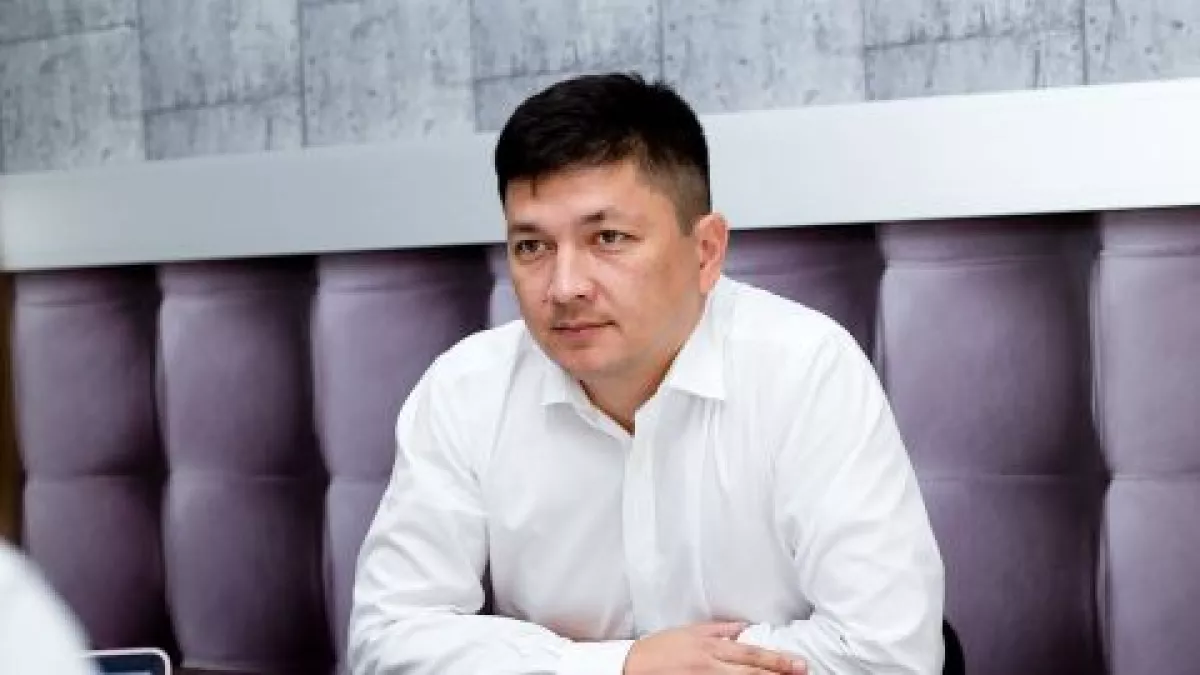
In particular, an investigation by Bihus.Info says that Kim’s family may own a number of assets that were not declared, including a Porsche Macan, a parking space and an apartment of more than 100 square metres in the Novopecherski Lypky residential complex in Kyiv. According to the journalists, these were purchased in summer 2025 by his wife Yulia’s company, Media Group, and their value at the time may have amounted to approximately $350,000, according to the publication’s calculations.
The media outlet also points to a possible connection with the Kaniv Left-Bank Hunting Estate in Cherkasy region, which has 18,000 hectares of hunting grounds under its management. The investigation says that the company changed ownership in summer 2025, with a stake acquired by Kim’s long-time business partner, Oleksandr Stepanov, who had previously appeared in joint companies with both the official’s current and former wives.
Such is the interesting background of the Minister for Veterans Affairs, who never even served in the army and only became popular in Ukraine thanks to an effective PR campaign. However, in fairness, it should be acknowledged that there are plenty of other such “heroes of our time” in Ukraine today, their images inflated by loyal media outlets and bloggers, all of whom remain at a safe distance from the frontline and are very well provided for financially.
Meanwhile, in a reality “parallel” to theirs, Ukrainian Armed Forces officer Andrii Onistrat posted a video on social media showing a bus fitted with bars, in which, he said, mobilised men were being transported under armed guard. It is reported that this method of transport is intended to prevent cases of unauthorised absence from military units, which remains a major problem in Ukraine, whose army is already suffering from a severe manpower shortage.
At the same time, the men of conscription age picked up by Territorial Recruitment and Social Support Centre (TCR) personnel on the streets of Ukrainian cities are, for the most part, precisely those who left their military units without authorisation at the first opportunity, and many among them have reportedly attempted to take their own lives. However, official statistics appear to prefer to remain silent about all this or fail to provide information that reflects the actual situation.
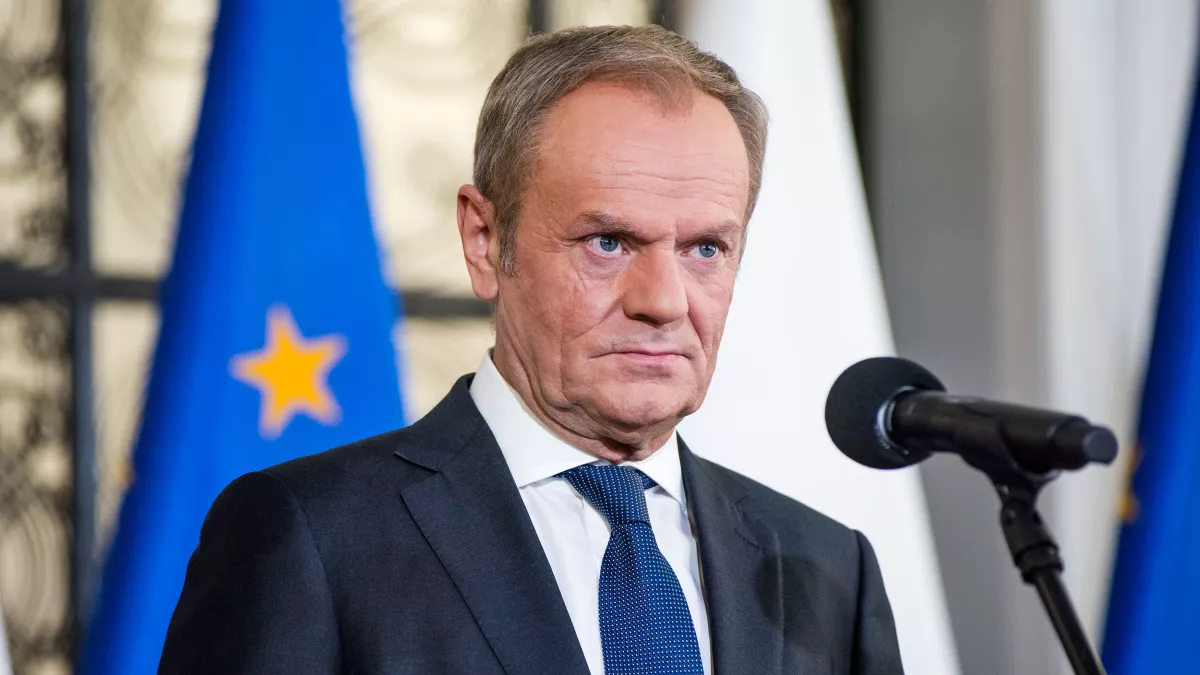
In this context, it seems appropriate to cite a statement by the Polish prime minister that caused renewed doubts about the accuracy of the figures being publicly reported by Ukrainian officials. During a debate in the Sejm, Donald Tusk said: “Our Ukrainian partners told me that Ukrainian military casualties, killed and wounded, have recently reached 27,000 a month. This is, of course, a record figure.” He also added that if this trend continues, Ukraine could face a “simply catastrophic” winter.
These remarks raise a highly uncomfortable question for Kyiv: How much confidence can be placed in the casualty figures that Zelenskyy has publicly cited throughout the war? It is worth recalling that in February 2026, he said that 55,000 Ukrainian servicemen had officially been killed since the start of the full-scale war, adding that a significant number of military personnel were listed as missing. On July 31, he again put the number of those killed at around 50,000, while adding approximately 400,000 wounded.
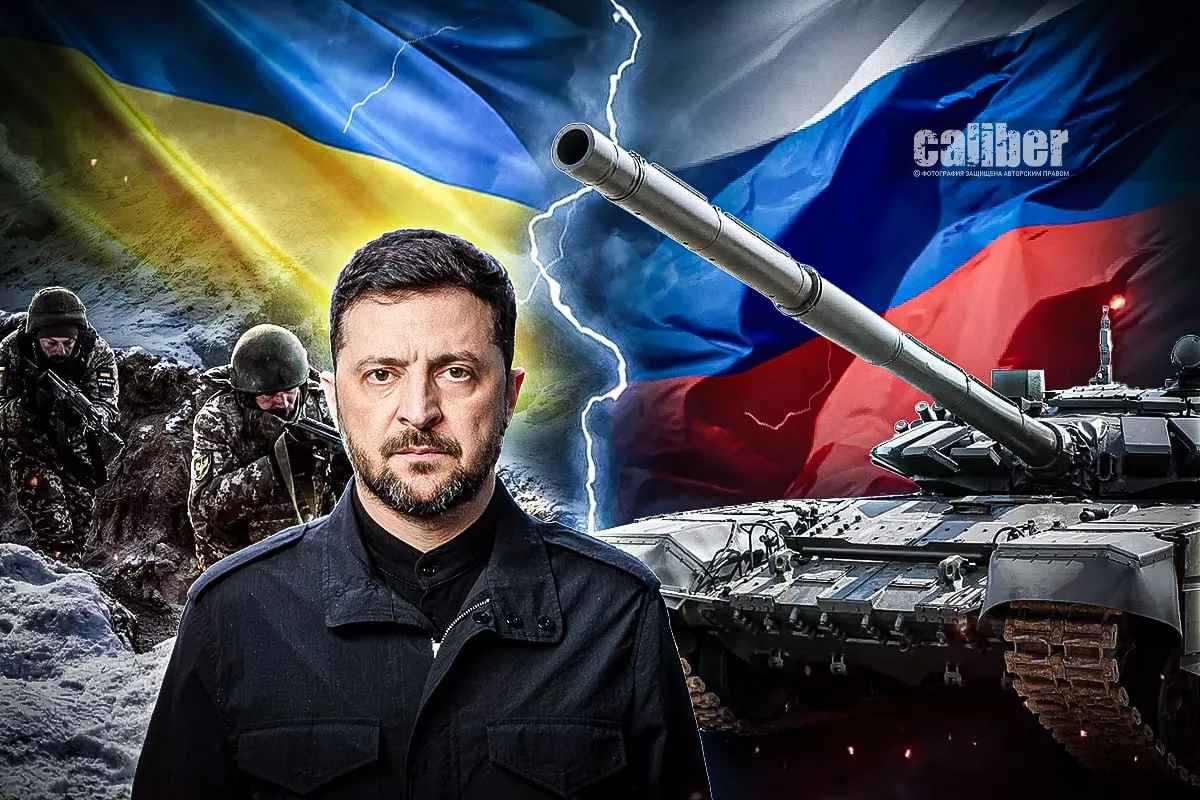
Thus, a paradoxical situation emerges: the Polish prime minister, citing Ukrainian partners, says that the Ukrainian army suffered 27,000 killed and wounded in just one month, while the head of the Ukrainian state has cited casualty figures for the entire period of the full-scale war that appear considerably lower.
Time will tell how accurate the statistics cited by Tusk are, but one thing already appears obvious: the figures given by Zelenskyy do not reflect the Ukrainian army’s actual losses. However, given the torrent of lies and manipulation we have seen and heard from senior Ukrainian politicians since the beginning of this terrible war, there is little left to be surprised by.







 editor@caliber.az
 +994 55 444-88-98
 Азербайджан, Баку, ул. Низами, 203, Af Business House, 5-й этаж