










Who and what is discrediting the republic? Armenia debates the meaning of independence
The 35th anniversary of independence has sparked a heated debate over what has happened to the Armenian state over the past three and a half decades and what Armenia should look like going forward.
The authorities propose viewing the issue through the prism of a shift in the national paradigm and the concept of “Real Armenia”. In his address marking the national holiday, Prime Minister Nikol Pashinyan declared the end of a “500-year era of dreaming about a mythical homeland”. According to him, the sovereign state itself is the embodiment of the homeland of that dream, created as a result of the 1991 referendum. The central thesis of the prime minister’s address is that the state itself has become the highest political value. He argued that it is the state that serves as the principal guarantor of the preservation of identity, security and historical continuity.
Meanwhile, Deputy Speaker of Parliament Ruben Rubinyan said Armenian society had long been persuaded that there was some “national interest” standing above state independence. However, he argued that this approach should be left in the past. In other words, the authorities are proposing a new point of reference: the interests of the existing Republic of Armenia should be defined on the basis of its own sovereignty, rather than previous foreign-policy or historical imperatives.
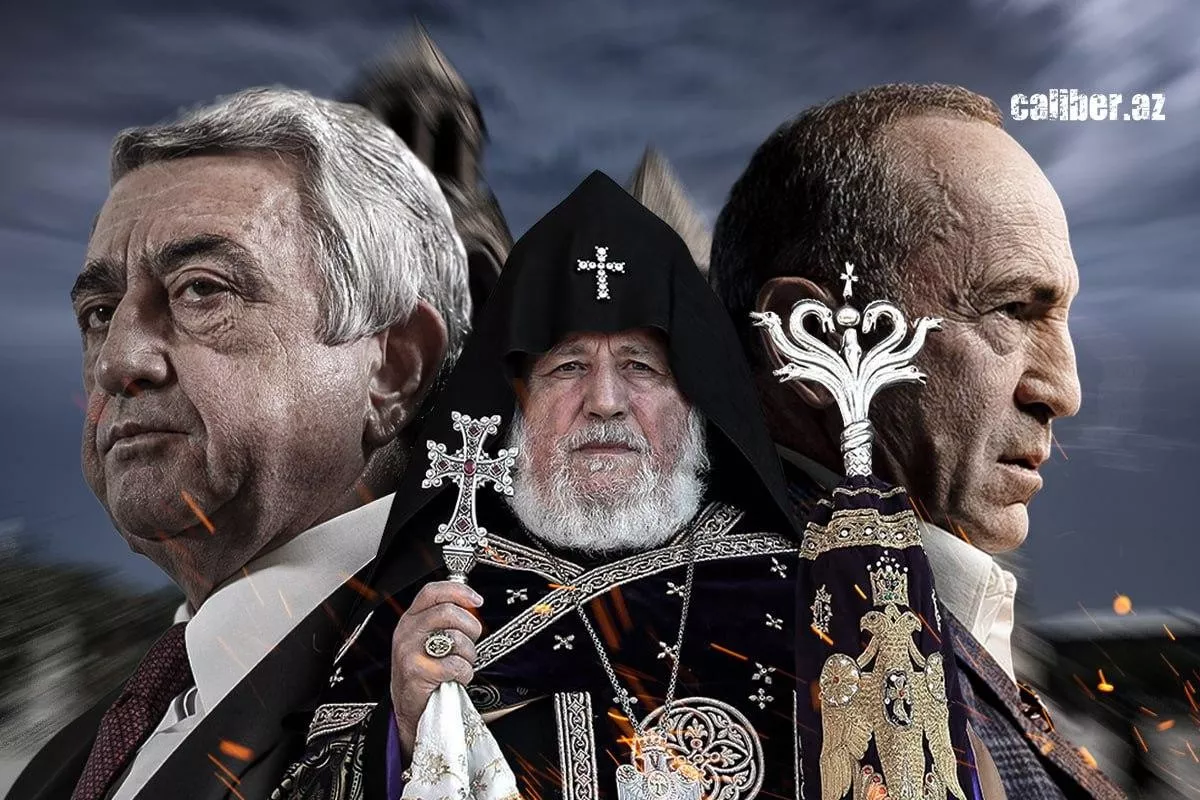
The opposition, unsurprisingly, sees the matter differently. Robert Kocharyan said that today’s Armenia has strayed from the goals pursued by the founders of the independent state. In his view, under the slogans of peace, the foundations of statehood are being dismantled, with the loss of “Artsakh” becoming the main symbol of this process.
Serzh Sargsyan also linked the prospects of a sovereign state to the preservation of national values. He said that the state cannot exist in isolation from the historical perceptions and goals that have taken shape in Armenian society over decades.
The Armenian Church has also actively joined the debate. Archbishop Bagrat Galstanyan, tragically known for his bleeding feet, spoke of a “stolen” 35-year history and lost joy and unity. He described “Artsakh” as the deceased “son of the Republic of Armenia” and, apparently to ensure that everyone grasped the essence of the metaphor he had come up with, added that its resurrection was either necessary or inevitable. To this end, he called on everyone to make a vow to reclaim what had been lost. Catholicos Garegin II adopted a more conciliatory tone, calling on society to unite in the face of internal and external threats despite existing differences.
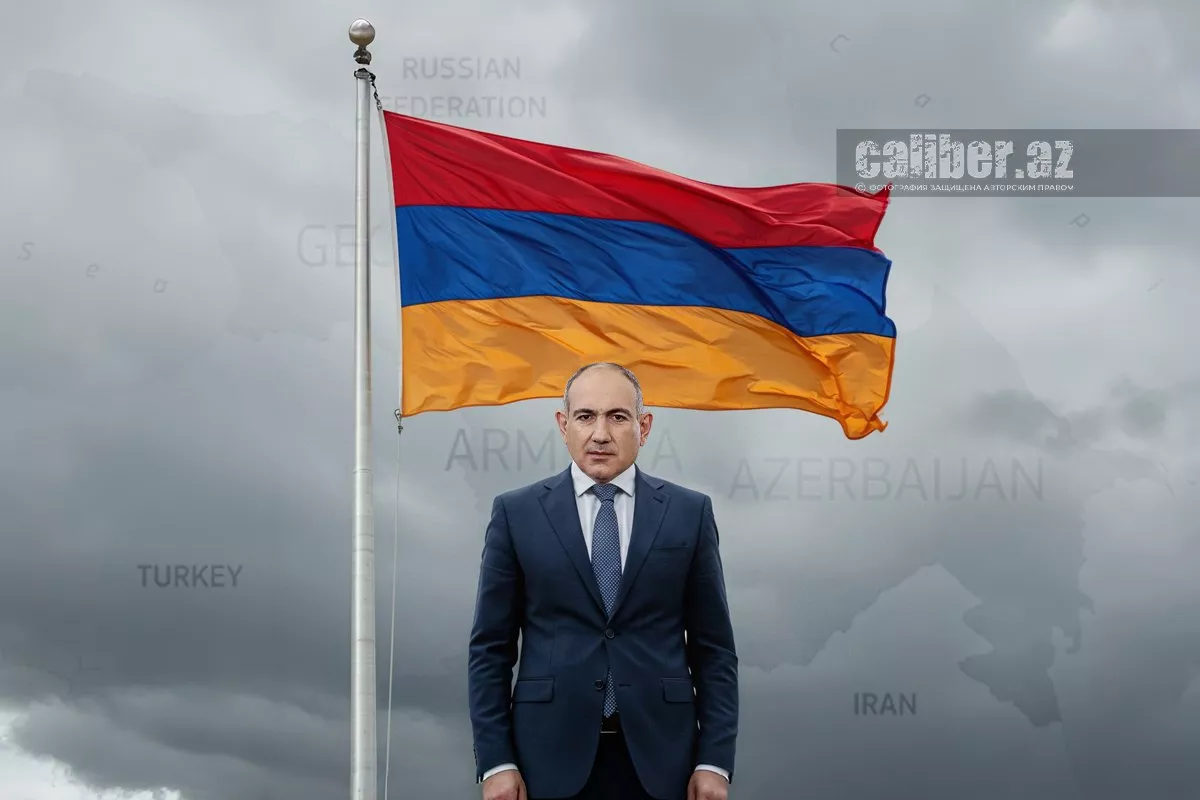
Thus, the anniversary has laid bare the dispute over the meaning of Armenian independence, once again fuelling the confrontation between supporters of “Real Armenia” and revanchist forces. Much of Armenia’s future will depend on how consistently Pashinyan and his team implement their doctrine of breaking free from the ideological premises of the past.
The Third Republic remains under the bloody shadow of the 1990 Declaration of Independence, adopted a year before the country’s Supreme Council formally declared Armenia an independent state, which enshrined territorial claims to Karabakh. This political foundation shaped Yerevan’s subsequent course and ultimately led to the occupation of Azerbaijan’s internationally recognised territories.
If Pashinyan genuinely wants to turn the page and usher in a Fourth Republic, changing the rhetoric alone will not be enough. Armenian society will still have to decide whether it is ready to enshrine in the country’s Constitution a new model of statehood entirely free of claims to the territories of neighbouring states. This is precisely where the crucial dividing line lies between a political declaration and a genuine historical turning point.
Ultimately, the day when the Armenian people vote for a country free of territorial claims against its neighbours will be the true birthday of a new Armenia — an Armenia independent of the dark shadows of its past.







 editor@caliber.az
 +994 55 444-88-98
 Азербайджан, Баку, ул. Низами, 203, Af Business House, 5-й этаж