










Unity in action: Azerbaijan, Türkiye and Uzbekistan strengthen defence cooperation Overview by Teymur Atayev
Azerbaijan’s victory in the Second Karabakh War significantly reshaped the geopolitical landscape of Eurasia, while also strengthening the position of Azerbaijan and Central Asia as a shared geographic and geostrategic space across the political, economic, cultural and humanitarian spheres.
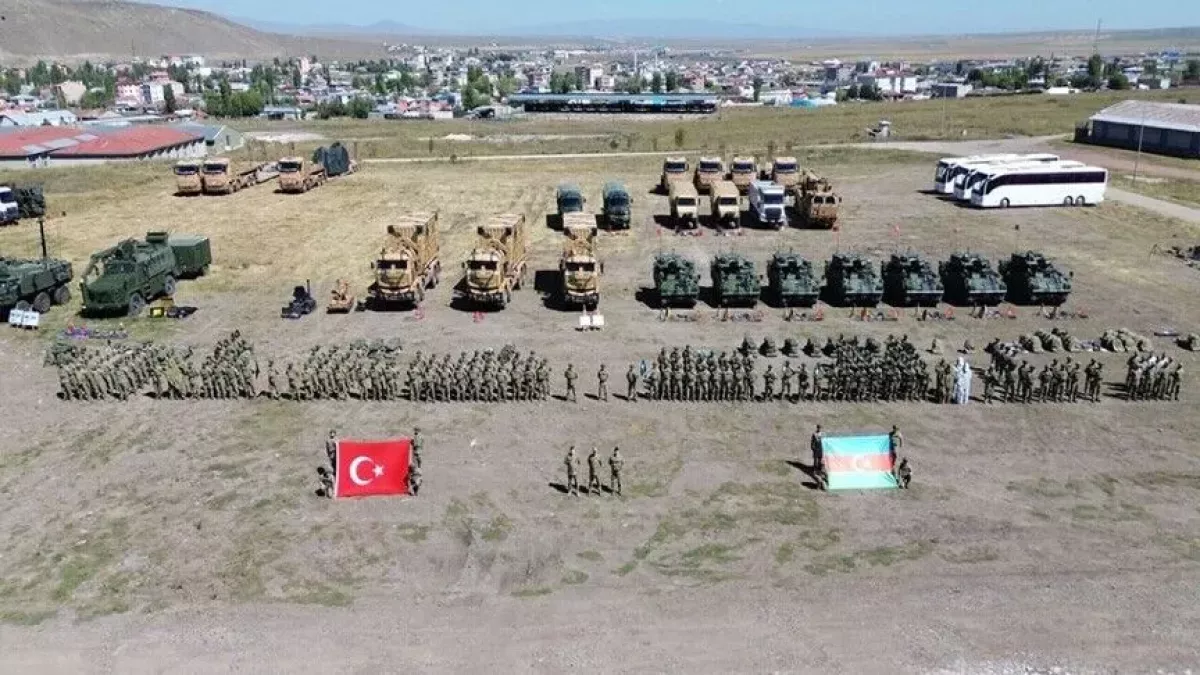
The drive to jointly strengthen the security and defence capabilities of the countries — united both within the Organisation of Turkic States (OTS) and the C6 format — is becoming increasingly pronounced. The ongoing “Power of Unity 2026” joint military exercises involving servicemen from Azerbaijan, Uzbekistan and Türkiye are a case in point. The main objectives of the exercises are to enhance readiness for joint operations, improve coordination among the participating forces and standardise training procedures, while further developing their combat capabilities.
As the Turkish Ministry of National Defence emphasises, “strong together, resolute together. Our brotherhood, rooted in history, is growing even stronger through joint exercises.” It would be hard to put it better!
And here, once again, the brilliant victory of the Azerbaijani Army in the Patriotic War comes to the fore. It was followed by the adoption of the 2021 Shusha Declaration on Allied Relations between Baku and Ankara, under which the parties pledged to promote measures aimed at strengthening defence capabilities and military security, including joint training and exercises, enhancing the interoperability of the armed forces of the two countries, as well as supporting similar activities “with the armies of other friendly states.”
In turn, the 2024 Treaty on Allied Relations between Tashkent and Baku, while reaffirming the strengthening of cooperation in the military-technical sphere with a view to enhancing the defence capabilities of the two states, also provided for joint training and exercises aimed, among other things, at improving the interoperability of the armed forces of the two countries.
More broadly, the world is well aware of the numerous large-scale Azerbaijani-Turkish tactical and air-tactical exercises involving live-fire drills conducted by the ground forces and air forces of both countries.
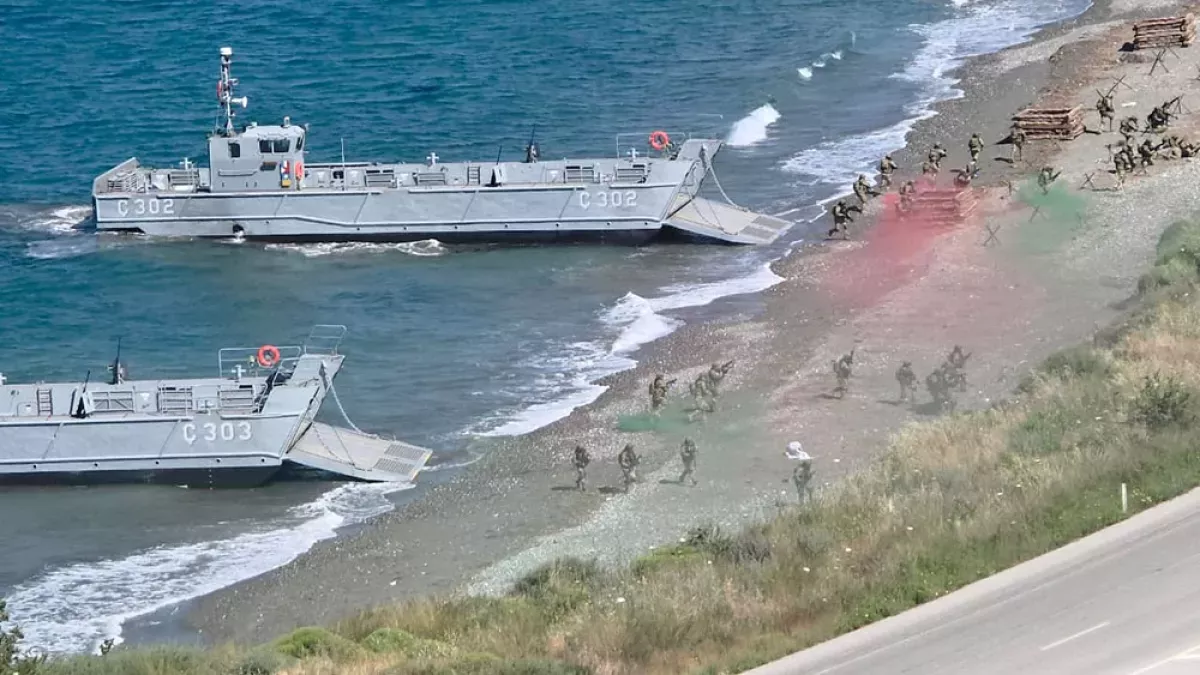
Let us also not forget the regular trilateral military exercises conducted by Azerbaijan, Türkiye and Pakistan, including the “Three Brothers” format, aimed at strengthening combat interoperability and regional security, as well as Ankara and Baku’s participation in the multinational EFES-2026 joint exercises.
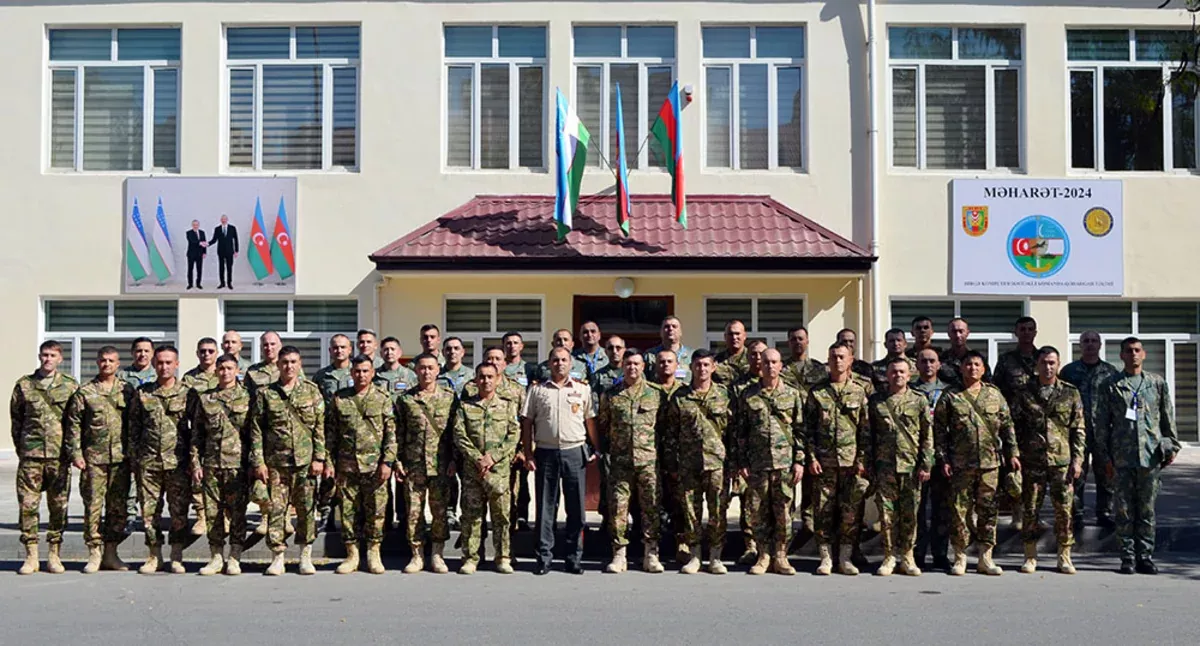
Azerbaijan and Uzbekistan have also conducted the UZAZ-2023 computer-assisted command-and-staff exercises and the Mastery-2024 joint command-and-staff exercises. In parallel, large-scale Birlik multilateral manoeuvres were held with Kazakhstan, Kyrgyzstan and Tajikistan.
We and the world at large are witnessing how the victorious spirit of the Azerbaijani people is shaping new regional paradigms. The importance of this is particularly evident against the backdrop of a world that continues to be rocked by turbulence. Wars are not coming to an end; if anything, they are expanding. Major transport routes of global significance are ceasing to function. External “security umbrellas” are failing to deliver.
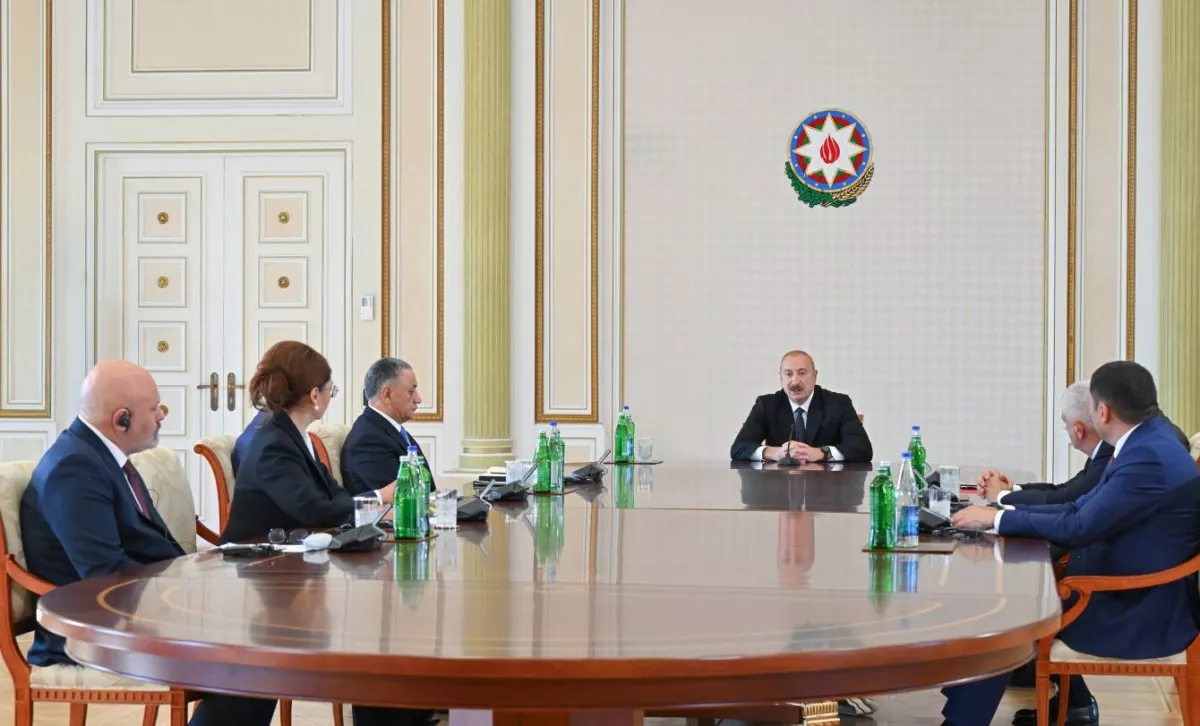
In other words, the planet finds itself at a crossroads, unable to cope with the turbulence. As President Ilham Aliyev emphasised at a recent meeting with the heads of the security councils of the OTS member states, under the circumstances taking shape at the current historical stage, “along the perimeter of our borders, issues related to energy security acquire particular significance.” Developing this point, he noted that the expanding geography of wars makes it increasingly urgent to address all aspects related to ensuring regional security.
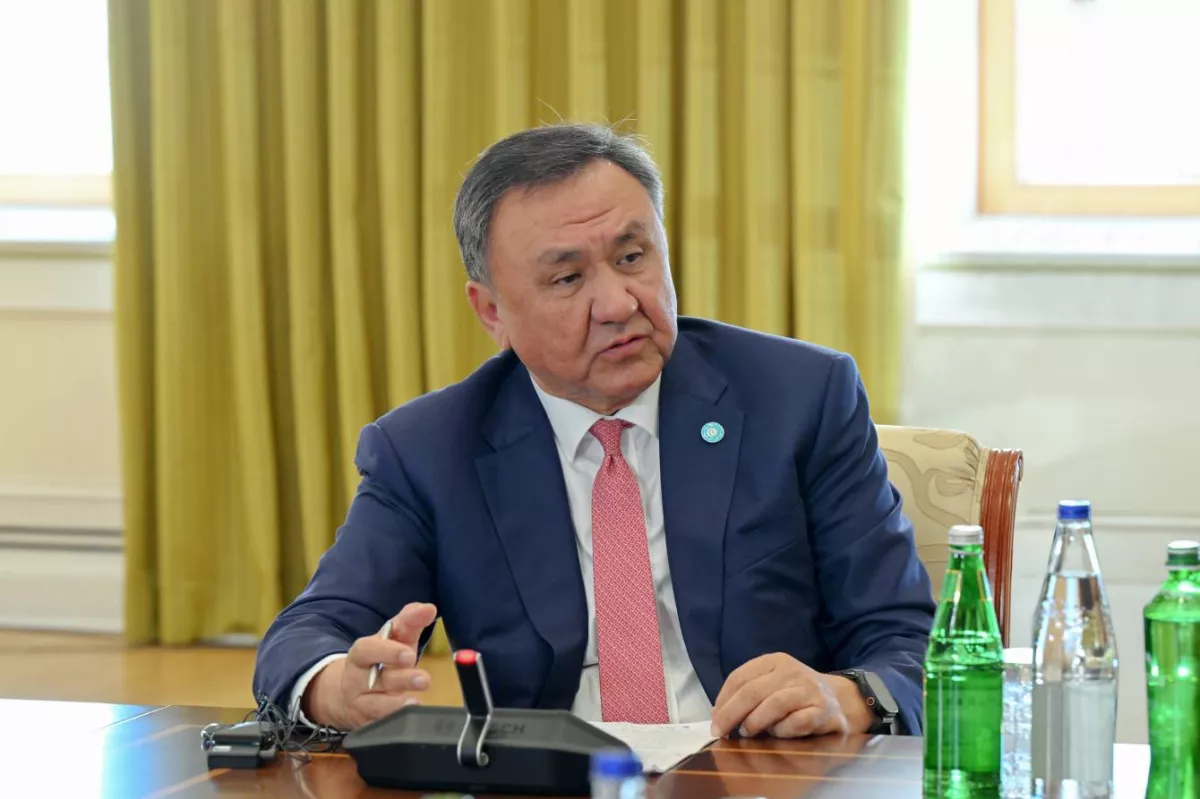
In this context, OTS Secretary General Kubanychbek Omuraliev announced that a meeting of the heads of the organisation’s defence industry agencies would be held on October 1, while Viktor Makhmudov, Secretary of the Security Council under the President of Uzbekistan, stressed that the format of meetings between the secretaries of the OTS security councils should serve as a coordination platform for deepening dialogue among the countries in the field of defence and security.
In his address to the participants of the fifth meeting of the secretaries of the Security Councils of the OTS member states, President Ilham Aliyev, speaking about new challenges, including cyber threats and the continuing crisis of international law, highlighted the need to define our common agenda and take steps towards coordinating activities across all areas. He subsequently drew attention to the military exercises being conducted, which contribute to cooperation in the field of defence. In his assessment, this aspect confirms the strategic nature of interstate ties.
Thus, the trilateral military exercises involving Azerbaijan, Uzbekistan and Türkiye are taking place at a timely juncture. Strengthening the defence capabilities of OTS countries is becoming an important factor in regional stability, while the parallel development of bilateral ties provides an additional foundation for this process. In this context, Azerbaijan and Uzbekistan’s discussions on a military cooperation plan for 2027 appear entirely natural.







 editor@caliber.az
 +994 55 444-88-98
 Азербайджан, Баку, ул. Низами, 203, Af Business House, 5-й этаж