










Shadow of the dragon over the Potomac: What to expect from Xi Jinping’s Washington visit? Analysis by Matanat Nasibova
The attention of the global political and financial elite is focused on Washington, where a landmark event is unfolding — Chinese President Xi Jinping’s two-day state visit.
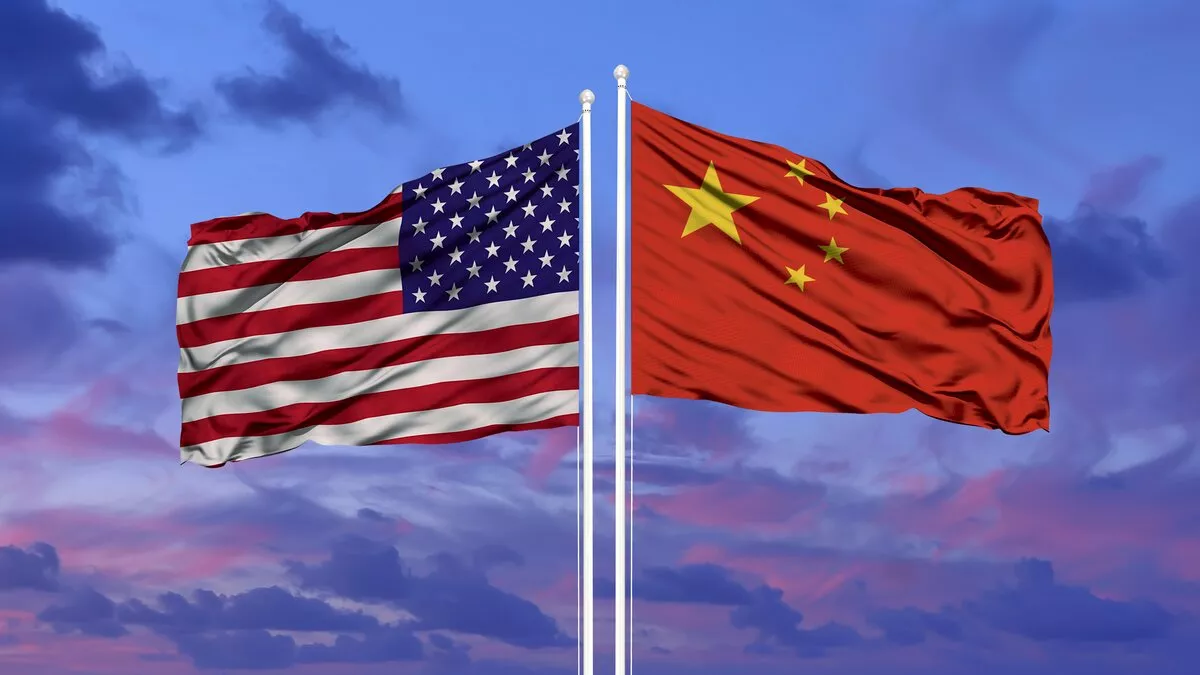
The significance of the visit is difficult to overstate: it is the first official visit by a Chinese leader to the US capital in 11 years, with Xi Jinping last visiting the White House in 2015. The current meeting is intended to consolidate the trends established at the May summit of the two superpowers in Beijing, while also serving as a kind of stress test for the entire global security system and world economy.
The architecture of compromise
An analysis of the current agenda suggests that the two sides are unlikely to sign a sweeping strategic agreement capable of resolving all their systemic differences at once. Instead, the main intrigue surrounding the visit lies in the attempt to consolidate a fragile stabilisation and extend the trade truce that is due to expire.
It should be recalled that the current arrangements provide for mutual reductions in some tariffs and a freeze on the most sensitive restrictive measures. For Beijing, it is critically important to ensure predictability in the trading regime and prevent a slide into a new phase of a large-scale tariff war.
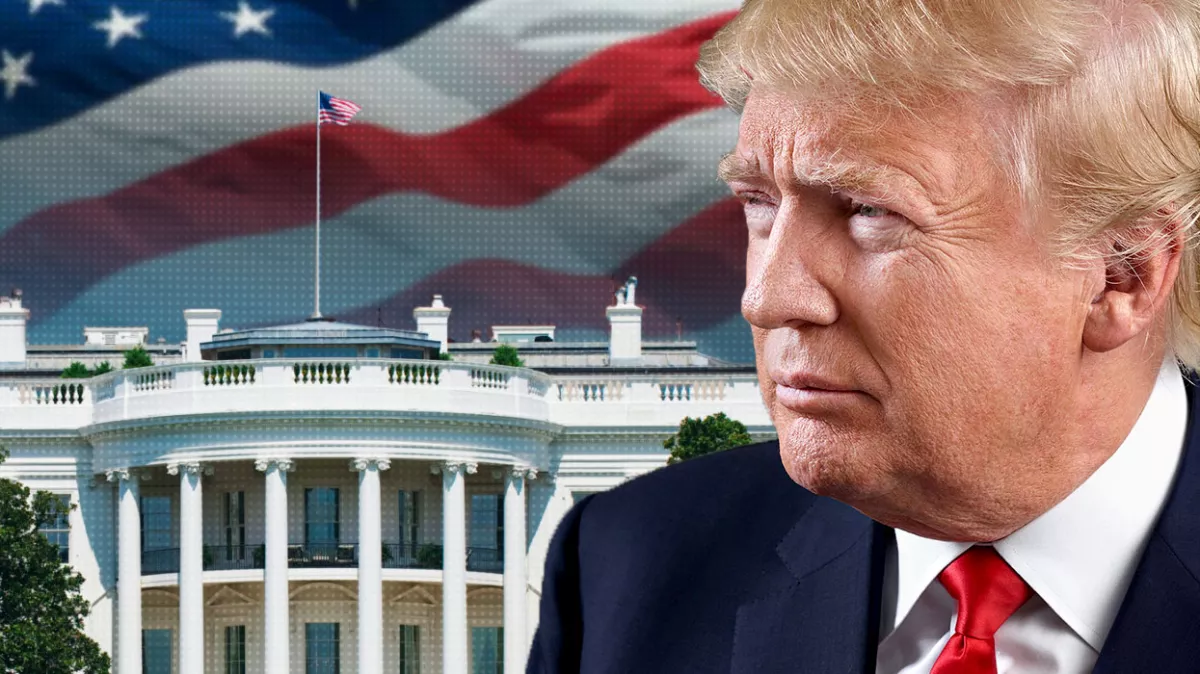
In turn, Washington, guided by the pragmatic approach of the Trump administration, intends to convert an extension of the truce into concrete concessions: sharply increase purchases of US agricultural products, expand opportunities for American companies in the Chinese domestic market, and maintain key leverage in the high-tech sector.
Rare-earth deal: blackmail or pragmatic exchange?
For Trump, demonstrating tangible economic successes — whether through containing prices, boosting exports, or ensuring strategic security — is of key domestic political importance. Beijing, for its part, categorically rejects a model in which the White House can arbitrarily use tariff levers as a permanent instrument of geopolitical pressure.
Against this backdrop, the commodities factor is likely to become a key item on the negotiating agenda. Amid fierce technological competition, China retains a dominant position in the supply chain for critical minerals — from rare-earth mining to their deep processing and the production of high-tech magnets. Washington urgently needs stable guarantees of supply, while Beijing is seeking a relaxation of export restrictions on advanced technologies and equipment.
In principle, the logic itself is pushing the two sides towards an inevitable exchange: China guarantees uninterrupted exports of rare-earth elements, while the United States agrees to targeted easing of sanctions barriers.
Washington should also take into account that today’s China is not simply the world’s second-largest economy and the world’s factory, but also a global player with enormous reserves of resilience. First, the country’s strategic oil reserves exceed 1.3 billion barrels. Second, China produces around 70% of the world’s electric vehicles. Third, the implementation of the Belt and Road Initiative enables Beijing to reshape the architecture of international relations by building close trade and logistics alliances with countries of the Global South and confidently challenging the dominance of Western institutions.
An irreconcilable contradiction or the art of manoeuvre?
If the two sides can still find areas of overlapping interests in the economic sphere, the Taiwan issue remains the main sticking point in the political arena, representing a sacred “red line” for China. According to reports in the international media, Beijing intends to raise the issue of US arms sales to the island forcefully, invoking the 1982 US-China Joint Communiqué.
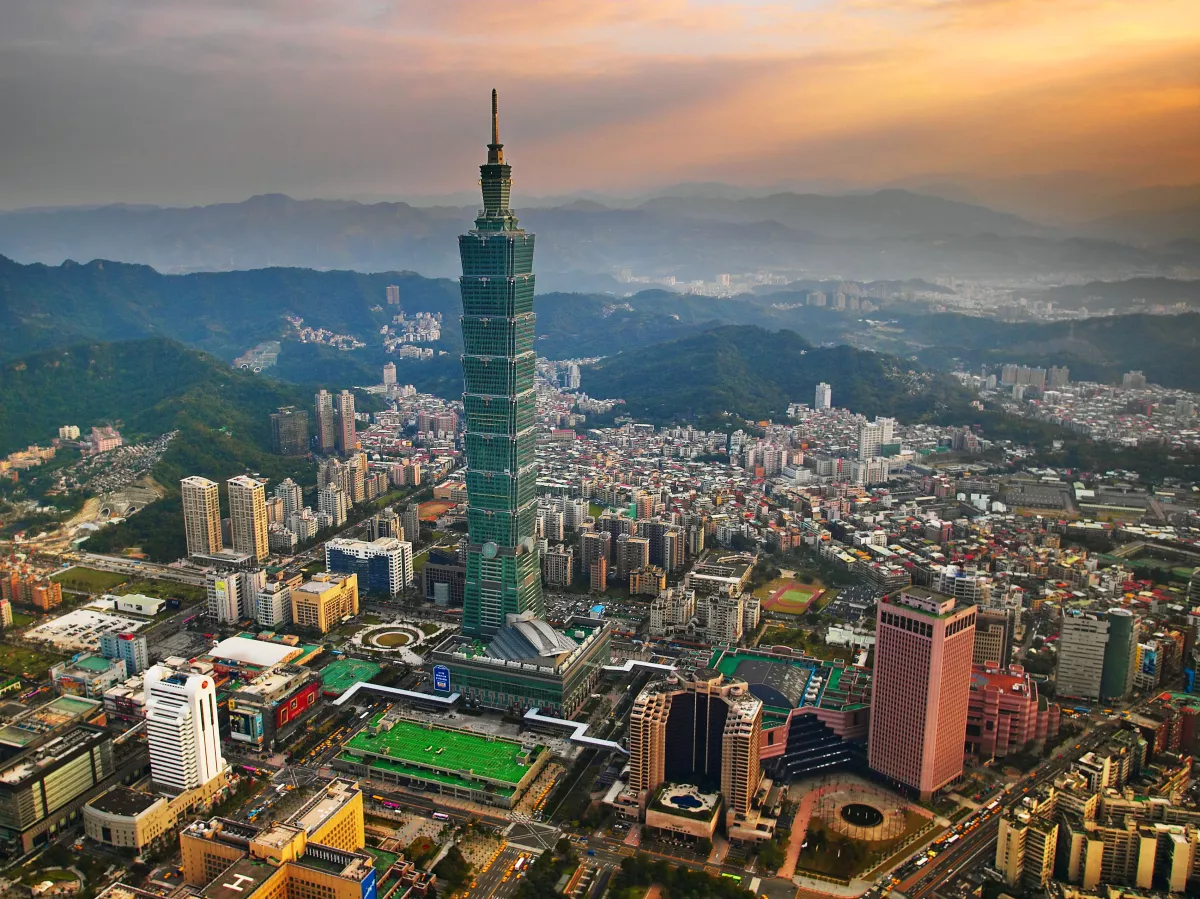
However, under existing US legislation, Washington is required to support the island’s defence capabilities. A full breakthrough or historic agreement on Taiwan should not be expected: Trump is unlikely to demonstrate weakness or disrupt the established balance of power. A more realistic outcome would be the development of an informal security protocol focused on maintaining direct lines of communication between the two militaries, minimising the risk of accidental incidents, and preventing escalation.
As analysts at the Center for Strategic and International Studies (CSIS) rightly point out, mechanisms for preventing military and maritime clashes are currently critical to containing the risk of a crisis.
A delicate matter
The ongoing conflict in the Middle East is directly affecting global energy stability and oil prices and, consequently, China’s economy, as China is the world’s largest importer of energy resources. Therefore, there is a strong likelihood that resolving the US-Iran confrontation will become another key issue during the Washington talks.
Xi Jinping has already held closed-door consultations with the Iranian leadership through diplomatic channels and, during his visit, may well propose an informal framework for cooperation with the United States aimed at containing Tehran. Trump, in turn, may seek to leverage China’s influence and economic clout with the Islamic Republic to help stabilise the region.
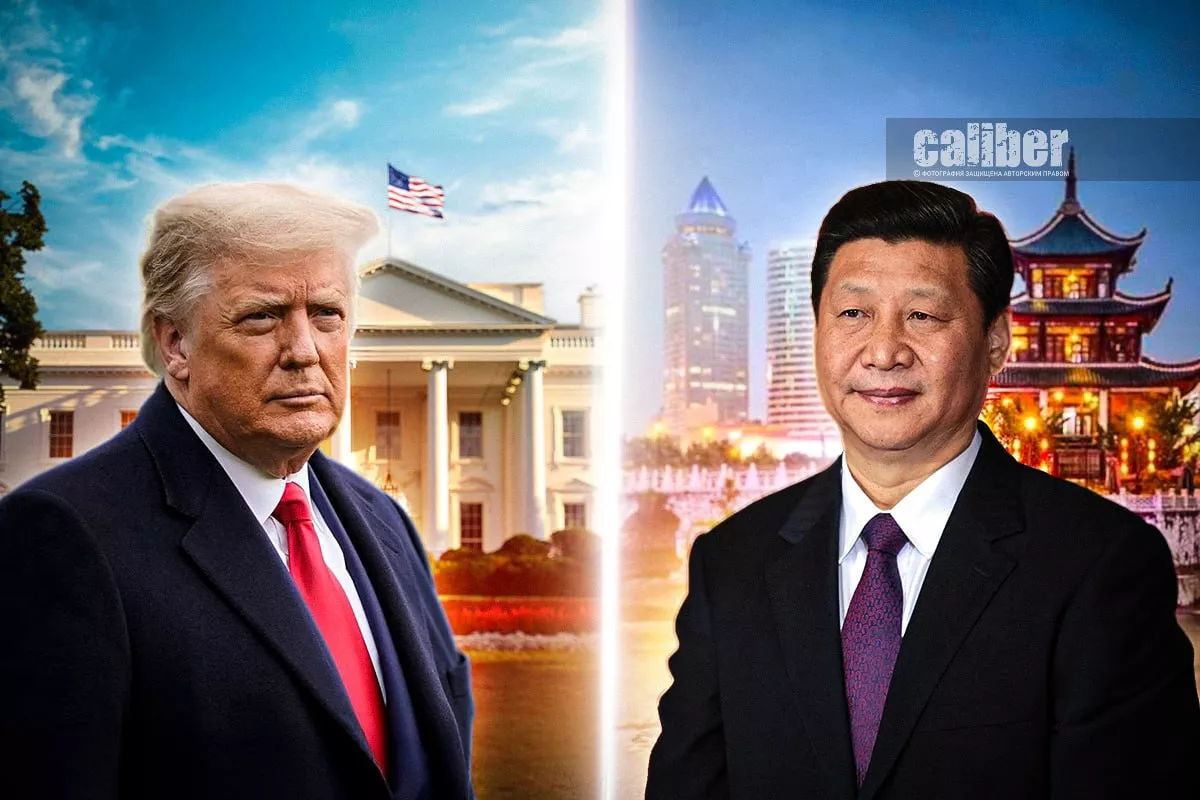
Thus, the main outcome of the upcoming summit will not be a historic reconciliation between the two superpowers, nor will it be the elimination of their fundamental differences. Rather, the key achievement for the US and Chinese leaders will likely be to prevent their systemic rivalry from entering an uncontrolled “hot” phase.







 editor@caliber.az
 +994 55 444-88-98
 Азербайджан, Баку, ул. Низами, 203, Af Business House, 5-й этаж