










Red Sea vortex: Is the EU moving closer to the Saudi-led coalition? Analysis by Matanat Nasibova
The European Union appears to be preparing to take on a new role in the confrontation with Yemen’s Ansar Allah movement (the Houthis), which has effectively blocked the Bab el-Mandeb Strait, a vital maritime artery for the international community as a whole and for the EU in particular.

At least, this is suggested by a statement from EU foreign policy chief Kaja Kallas, who, upon arriving at a meeting of the bloc’s defence ministers, said: “We are applying for observer status in this Saudi-led coalition.”
The EU’s move fits squarely into the pattern of escalation currently unfolding in the Red Sea, where the Houthis, having established control over a key area around the strait, including the port of Mocha, have been launching near-daily attacks on international commercial vessels. The situation has effectively paralysed this crucial maritime route linking the Red Sea with the Gulf of Aden and the Indian Ocean, creating enormous problems for global logistics and putting the economies of European countries directly at risk.
In the name of security
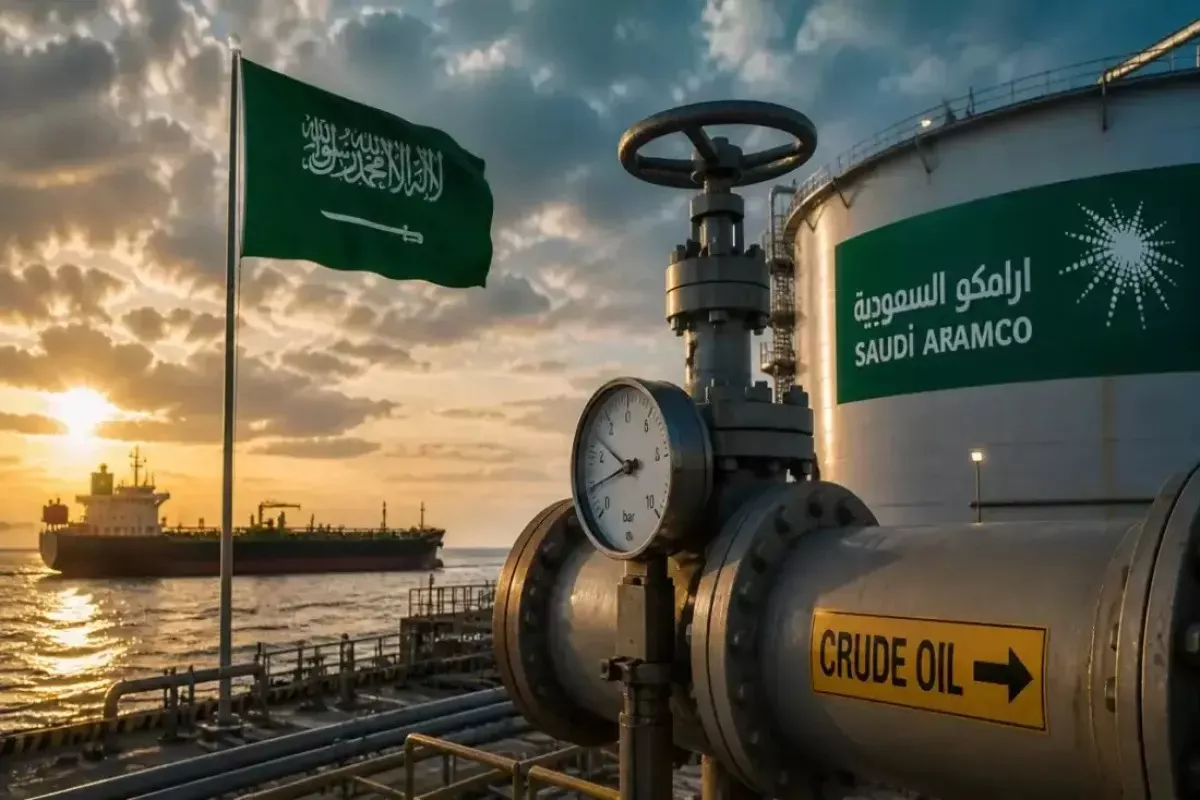
The Houthis’ actions have forced Saudi Arabia — whose national security, shipping, oil exports and critical energy infrastructure have come under threat — to carry out retaliatory airstrikes on the movement’s positions while simultaneously seeking ways to establish a robust mechanism for protecting transnational trade routes.
As a result of these efforts, on July 30, the Saudi authorities announced the creation of a maritime defence coalition — the Multinational Maritime Defense Alliance. Its main objectives and tasks are to ensure freedom of navigation and protect international trade routes; safeguard the transportation of energy resources, particularly Saudi oil; and conduct patrols and coordination in the Bab el-Mandeb Strait, the Red Sea and the Gulf of Aden.
Initially, 14 countries signed a joint declaration supporting the establishment of the alliance, including Kuwait, Bahrain, Qatar, Jordan, Egypt, Pakistan, Türkiye and several African countries. The list of signatories was subsequently expanded. The announced participation of EU member states further strengthens the standing of the alliance, highlighting the fact that the security of the Red Sea is a global concern, rather than merely an internal issue for the countries of the region.
Weighing the options
Kallas’s statement that the bloc is considering joining the Saudi-led coalition is backed by substantial arguments: the European Union is critically dependent on the stability of maritime trade routes, as the Red Sea and the Bab el-Mandeb Strait form an indispensable link in the transport corridor between Europe and Asia.
However, even taking this factor into account, full EU membership of the coalition in the near term appears unlikely, primarily because member states have differing approaches to the use of military force and diplomatic engagement with regional actors, and any expansion of the mandate would require lengthy political consultations.

A second consideration is that there is a deep divide between protecting civilian vessels as part of the EU’s ASPIDES naval operation and joining a coalition that the Houthis regard as aggressive and offensive, with all the consequences that could entail. These are fundamentally different forms of engagement, requiring Brussels to rethink some of its basic approaches — a process that would be highly time-consuming.
Against this backdrop, in the foreseeable future Brussels is more likely to focus on strengthening its own mission to protect civilian commercial vessels from Houthi attacks in the Red Sea and adjacent waters. This is particularly relevant given that on September 21, Kaja Kallas called for an urgent increase in the naval and air assets available to the ASPIDES operation to effectively counter the threats.
The dead end of coercive pressure
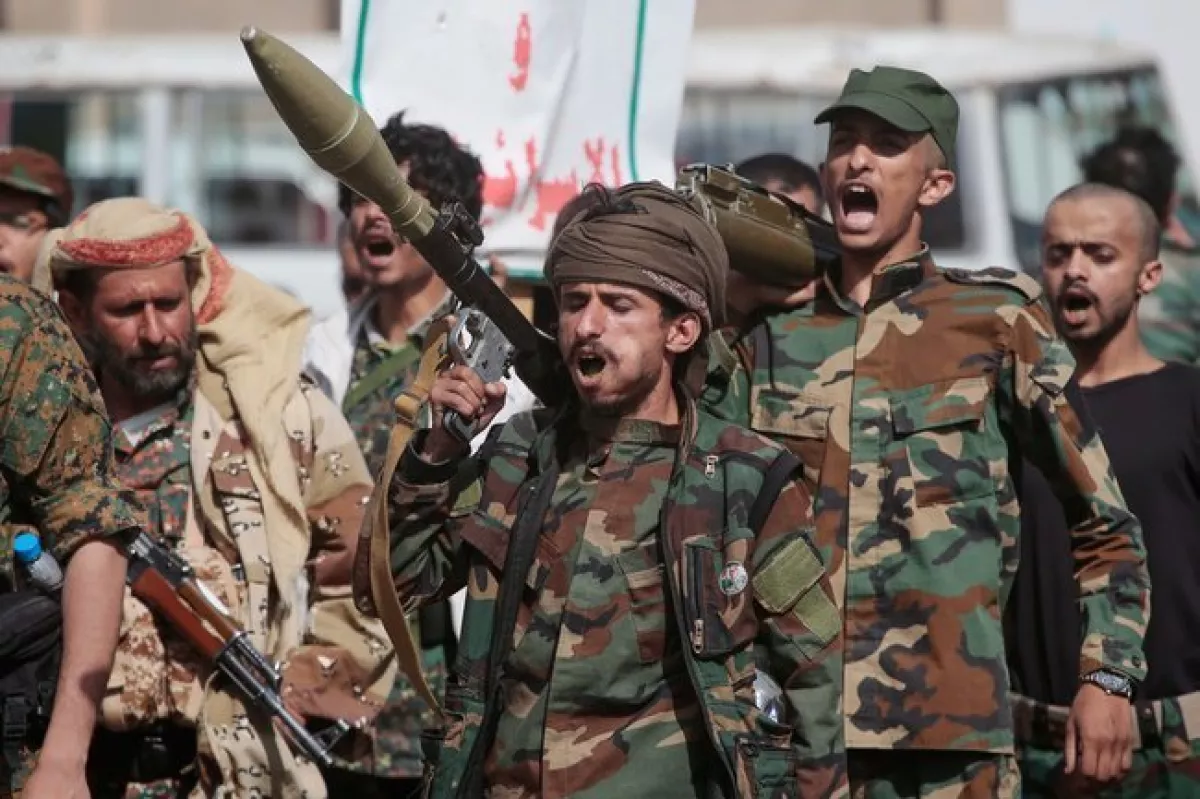
According to leading international experts, the Houthis’ actions are underpinned by strong support from a significant part of the population in northern Yemen, while their military successes and hard-line ideology enable them to mobilise substantial forces. At the same time, the confrontation is fuelled by regional rivalry. As a result, excessive pressure will inevitably provoke a forceful symmetrical response from the Yemeni movement.
It should be recalled that on September 19–20, the Houthis launched a large-scale operation, using ballistic missiles and drones to strike strategic targets in Riyadh. As reported by international media, this was the first major attack on the Saudi capital in several years, ending a prolonged period of relative calm and ushering in a new phase of escalation followed by a series of further strikes.
Diplomacy or war?

Although closer ties with Riyadh offer the EU new opportunities to protect trade and strengthen its partnership with the Gulf monarchies, viewing the emerging coalition as a unified military bloc against Iran would be a serious strategic mistake.
First, Saudi Arabia deliberately moved towards normalising relations with Tehran through Chinese mediation, and joining an anti-Iranian alliance would completely undermine that diplomatic achievement. Second, Riyadh’s ambitious national megaprojects require absolute regional stability, while a full-scale war with Iran would jeopardise the Kingdom’s investment future. Saudi authorities have skilfully balanced relations among the key global powers, avoiding binding military commitments that could draw the country into the geopolitical games of others.
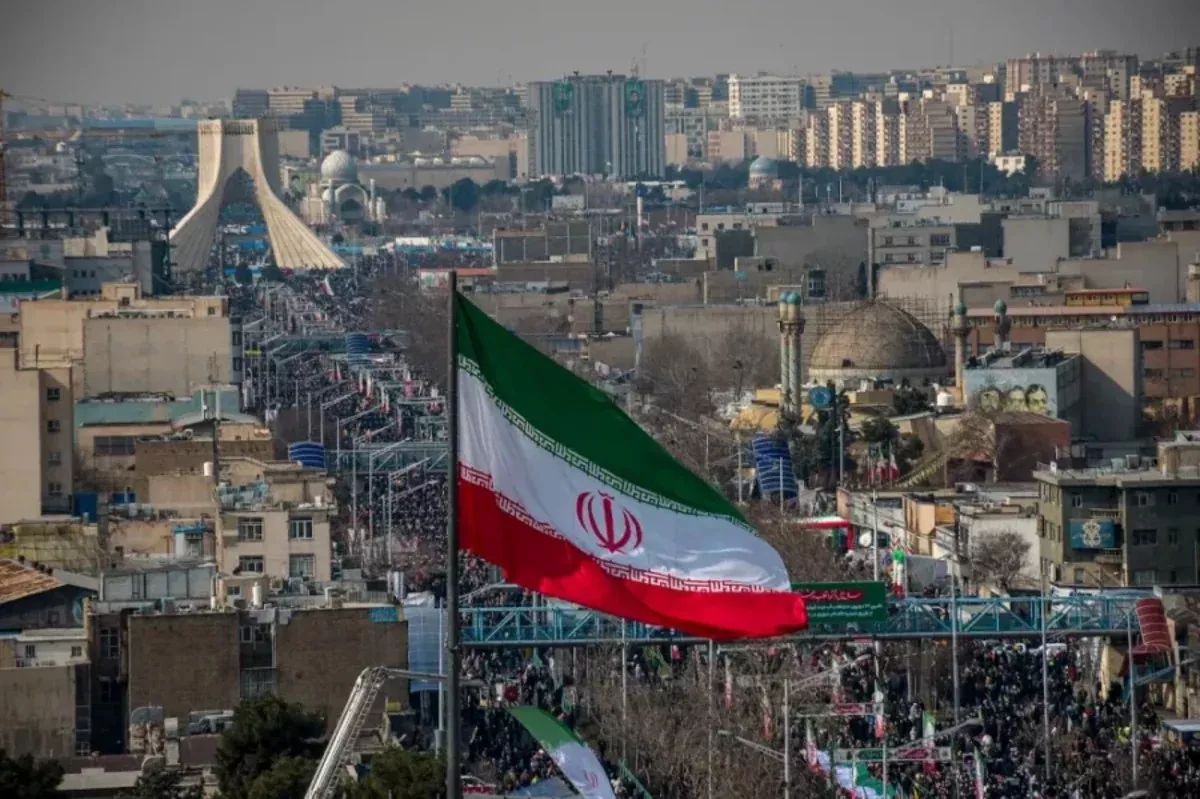
At the same time, the EU’s foreign policy is based on the principles of “soft power”, and there is no consensus within the European Union on an open military confrontation with Iran. On the contrary, Brussels seeks to maintain channels of open dialogue with Tehran on nuclear security and regional stability.
Thus, any attempt to establish an official anti-Iranian bloc would trigger a chain reaction and further activate Iranian proxy forces across the Middle East. Since neither Riyadh nor the EU has an interest in the complete disruption of global trade and hydrocarbon supplies, the prospect of them forming a military coalition against the Islamic Republic is effectively zero.







 editor@caliber.az
 +994 55 444-88-98
 Азербайджан, Баку, ул. Низами, 203, Af Business House, 5-й этаж