










Poland’s American bet How Warsaw is rebuilding its military
In New York, Polish President Karol Nawrocki discussed the possibility of a permanent US military presence in Poland with Donald Trump. The conversation took place on the sidelines of the UN General Assembly, continuing a series of contacts over a project that Warsaw has been seeking to advance for several years.
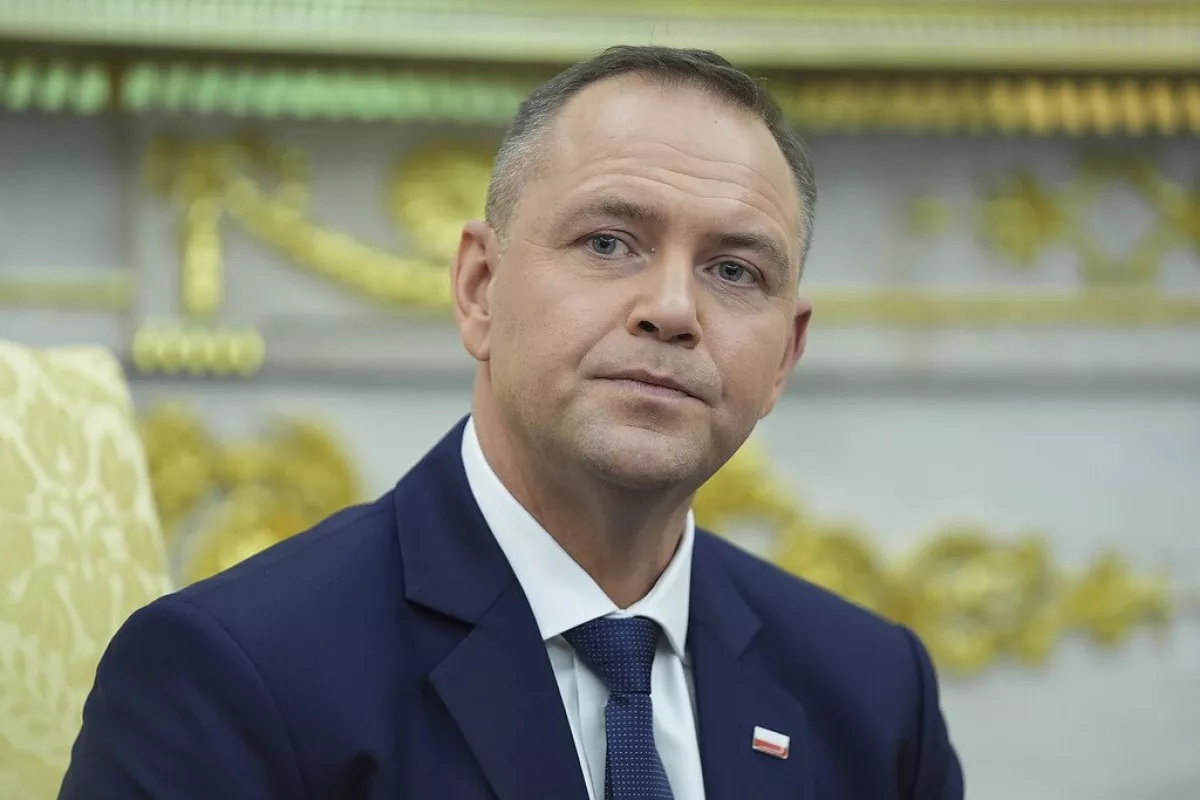
Judging by his recent public statements, Nawrocki appears to regard the project as largely a matter of time. In an interview with Bloomberg, he said that establishing the base was only a question of time and expressed hope that construction could be completed by the end of Trump’s current presidential term, in 2029. The project has even been given a name: “Fort Trump”.
According to Polish Deputy Defence Minister Stanisław Wziątek, if implemented, the project could bring the total number of US troops stationed in Poland to around 15,000. Of these, some 3,000–5,000 could form a permanent contingent at the new base. Wziątek said the full scale of the US deployment is expected to be reached gradually, by 2039.
For Poland, the initiative continues a policy that predates the current president. The idea of a “Fort Trump”-style facility was first proposed by Andrzej Duda in 2018. At the time, Warsaw called on Washington to establish a permanent US military base in Poland and was even prepared to commit substantial funds to the project.
The original plan was never implemented in its proposed form. However, in the years since, the US military presence in Poland has expanded considerably, accompanied by the development of permanent military infrastructure.
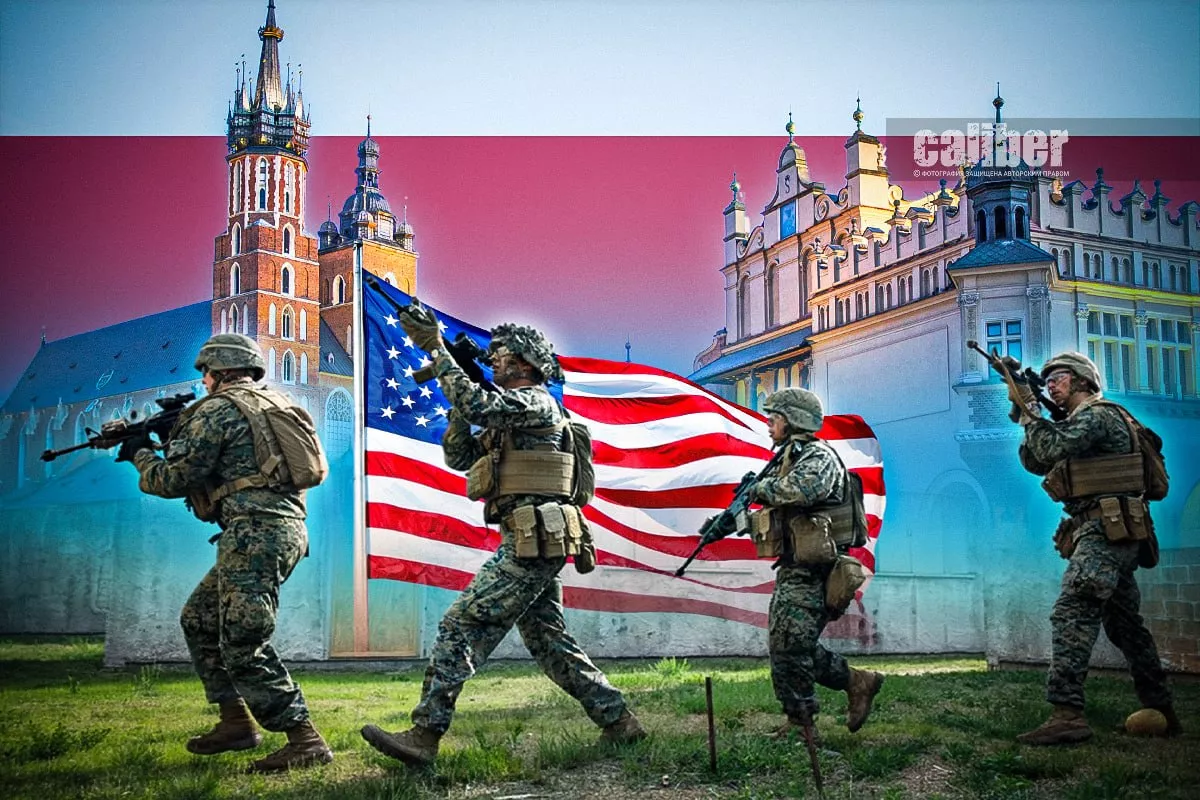
At various points, the US military contingent in Poland has numbered around 10,000 troops. Its current strength is lower due to changes in the rotation schedule, but Warsaw expects to increase the US presence by permanently stationing additional American units.
However, the US military presence is only one element of Poland’s broader defence strategy. Warsaw is also building armed forces capable of playing a much more prominent role in European security. In 2026, Poland allocated 200.1 billion zlotys to defence, equivalent to 4.81% of GDP. The Polish government describes this as a record level of spending for the country and the highest share of GDP among NATO members. The scale of the increase is particularly notable given that defence spending had already reached more than 186.5 billion zlotys, or around 4.7% of GDP, in 2025. In other words, defence expenditure continues to rise despite the sharp increases seen in previous years.
At the same time, Warsaw is drawing on European financial instruments to support its rearmament programme. According to the Polish government, Poland expects to receive up to €43.7 billion in loans under the SAFE programme — more than any other participating country.
Poland is also pursuing a broad procurement programme spanning both US and South Korean systems. It is acquiring US-made Abrams tanks, HIMARS rocket systems, Patriot air defence systems, F-35 fighter jets and Apache attack helicopters, while also purchasing K2 tanks, K9 howitzers and FA-50 aircraft from South Korea.
The scale of the programme reflects the breadth of Poland’s rearmament effort: Warsaw is expanding its armed forces, equipping them with large quantities of modern weaponry and developing the infrastructure required to operate and sustain these systems.
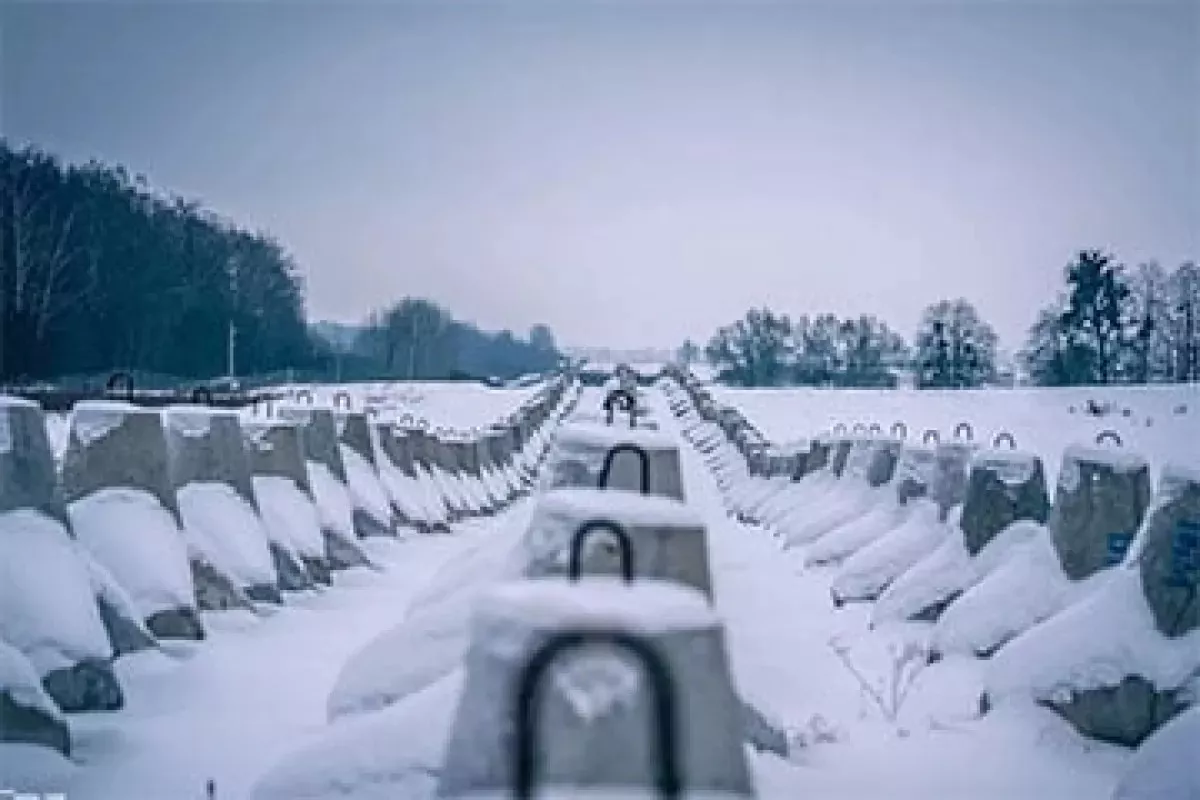
At the same time, the Polish authorities are building the “Eastern Shield” along the borders with Russia and Belarus, deploying surveillance systems, constructing fortifications and developing other defensive infrastructure. The US Aegis Ashore facility in Redzikowo, which forms part of NATO’s missile defence system, is also operational. Taken together, these measures are turning Poland into one of the main hubs of NATO’s military infrastructure in Eastern Europe.
This is where a central feature of Poland’s strategy becomes apparent: as Warsaw invests more heavily in its own armed forces, it is emerging as an increasingly significant military power in Europe, while simultaneously seeking to bind its security even more closely to the United States. The logic is straightforward: a stronger Polish military increases the country’s strategic importance to Washington, while a permanent US military presence reinforces Poland’s own defence capabilities.
Poland’s strongly pro-American orientation is particularly associated with the right-wing political camp led by President Nawrocki, which has traditionally been sceptical of deeper EU integration. At the same time, there is a broader political consensus in Poland on the need to strengthen the US military presence. The liberal government of Donald Tusk also officially supports an expanded US military presence in the country.
This consensus is rooted in a shared assessment across much of Poland’s political establishment that Russia represents the country’s principal military challenge. Within this framework, the US military presence is regarded as an additional deterrent.
However, the outwardly solid “American consensus” does not resolve the deep disagreement between the president and the prime minister over financing the armed forces through the aforementioned European SAFE programme. Nawrocki’s opposition to European loans is not rooted in a rejection of military strengthening, but in a fundamental dispute over the sources of funding. The right-wing camp insists that the armed forces should be modernised using Poland’s own national resources and domestic financial instruments, viewing long-term loans from Brussels as a threat to the country’s sovereignty.
Ultimately, the implementation of Poland’s military strategy is proceeding amid a bitter political deadlock. While Tusk’s government is seeking to “reap the benefits from different sources” by actively tapping external financing from EU funds, the presidential camp insists on relying on Poland’s own resources, backed by a direct alliance with Washington. The outcome of this dispute over the methods of military modernisation will have a significant bearing on how independent a military centre in Europe Warsaw can become in the coming decades.







 editor@caliber.az
 +994 55 444-88-98
 Азербайджан, Баку, ул. Низами, 203, Af Business House, 5-й этаж