










“Idiots or traitors”: Why the AfD’s success has alarmed Poland and Brussels Analysis by Limansky
The victory of the Alternative for Germany (AfD) in the Mecklenburg-Western Pomerania election has once again heightened concern in Europe: Poland fears a resurgence of revanchist sentiments in Germany, while Brussels is concerned about the growing influence of right-wing forces.
Right-wing victory and left-wing gains
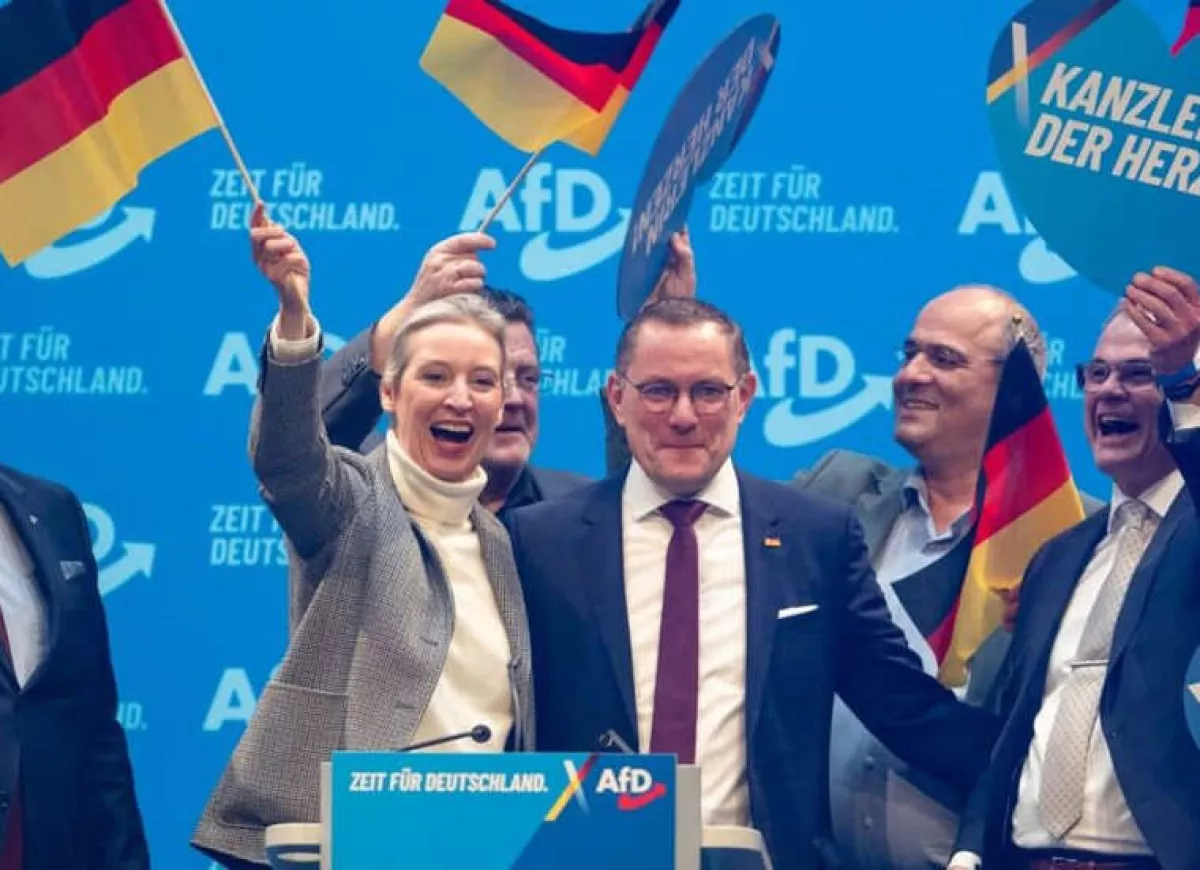
In Sunday’s election in Mecklenburg-Western Pomerania, the Alternative for Germany (AfD) came first with 38.2% of the vote. The Social Democratic Party of Germany (SPD) finished second with 35.5%. The Left (Die Linke) came third, receiving 6.5% of the vote, while the Greens won 5.7%.
The main surprise was the Christian Democratic Union (CDU) failing to clear the 5% threshold and thus failing to win seats in the state parliament. This is the first time in post-war German history that the CDU has failed to secure representation in a state parliament. Previously, the party’s lowest result in a state election was considered to be 9% in Bremen in 1951.
The Sahra Wagenknecht Alliance (BSW) received 4.8% of the vote, while the Free Democratic Party (FDP), formerly allied with the CDU, won just 1%. The state government, however, is likely to be formed by the SPD, the Left and the Greens. The AfD’s strong showing marks the party’s second major result in a state election this month. Its growing support is increasing pressure on the governing parties and has become one of the factors contributing to the continuing crisis within the governing coalition.
Friedrich Merz and the CDU leadership have faced strong criticism following the disappointing results in the regional elections. Debate within the party has intensified over the reasons for the defeats and the direction of its future political course. Merz, however, has said he has no intention of stepping down either as chancellor or as party leader.
Critics of the government attribute the CDU’s declining support, among other things, to the coalition’s socio-economic policies and Germans’ concerns about the economic situation and international tensions. At the same time, migration, which previously occupied a prominent place on the political agenda, is competing for voters’ attention with issues such as the cost of living, employment and social security.
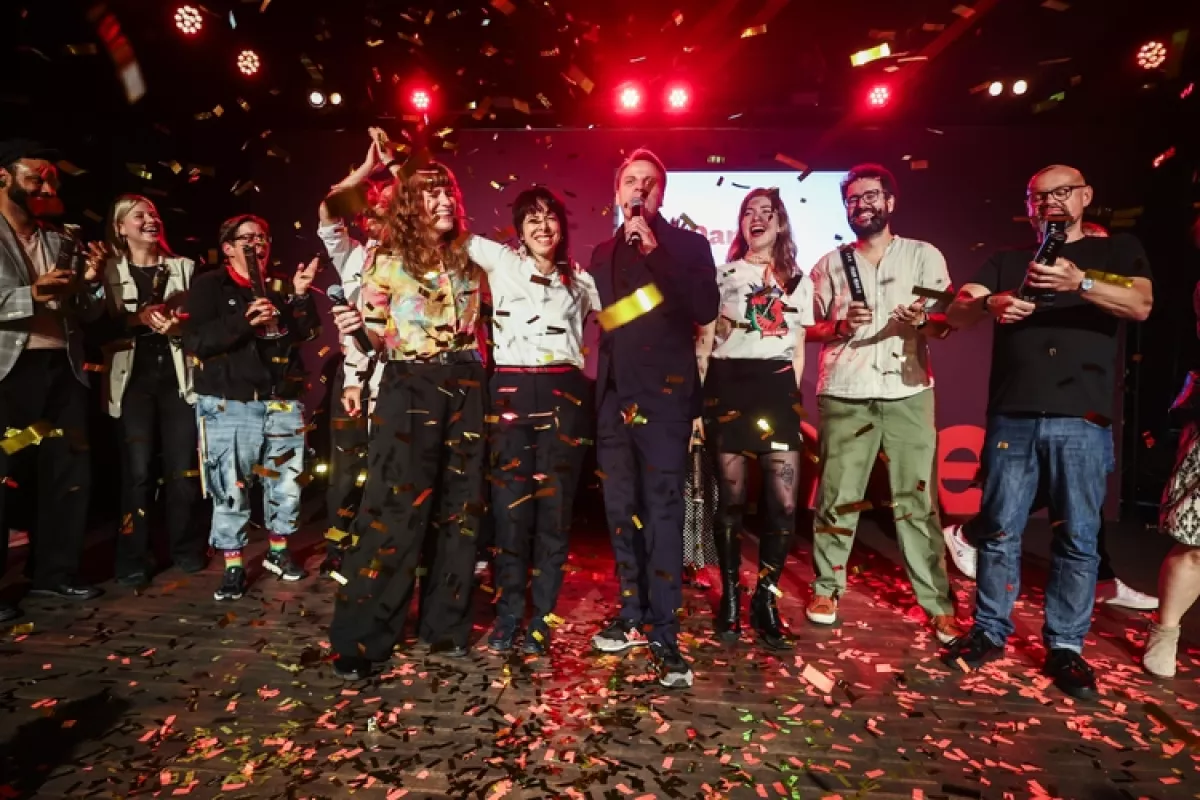
The significance of socio-economic issues for voters is also reflected in the election results. In Mecklenburg-Western Pomerania, the SPD, the Left and the Greens collectively won 47.7% of the vote. In the Berlin election held at the same time, the Left came first with 25.6% of the vote, its best-ever result. The CDU received 18.8%, while the AfD won 16.3%.
At the same time, all parties except the Left, the AfD and the Sahra Wagenknecht Alliance suffered electoral losses in the Berlin election. This result reflects a notable polarisation of political preferences and growing support for parties on opposite sides of the political spectrum.
The Left’s success is attributed not only to the popularity of its leader, Elif Eralp, a German politician of Turkish origin, but also to her party’s social programme. In particular, this includes pledges to reduce rents and socialise housing companies, some of which were previously privatised.
Just two months ago, some polls put the AfD in first place in Berlin as well. However, Elif Eralp’s active election campaign, during which she personally handed out €3 meals to those who wanted them, along with the emphasis on social issues, contributed to increased support for the Left.
Berlin’s city government, based at the Red Town Hall, could now also be formed with the participation of the Left, the Social Democrats and the Greens, if they manage to reach a coalition agreement.
“Idiots and traitors”
However, Berlin, with its large Turkish community, universities and numerous social initiatives, remains a favourable environment for the Left. At the same time, the AfD has now become the most popular party in Germany, raising concerns above all in neighbouring Poland.
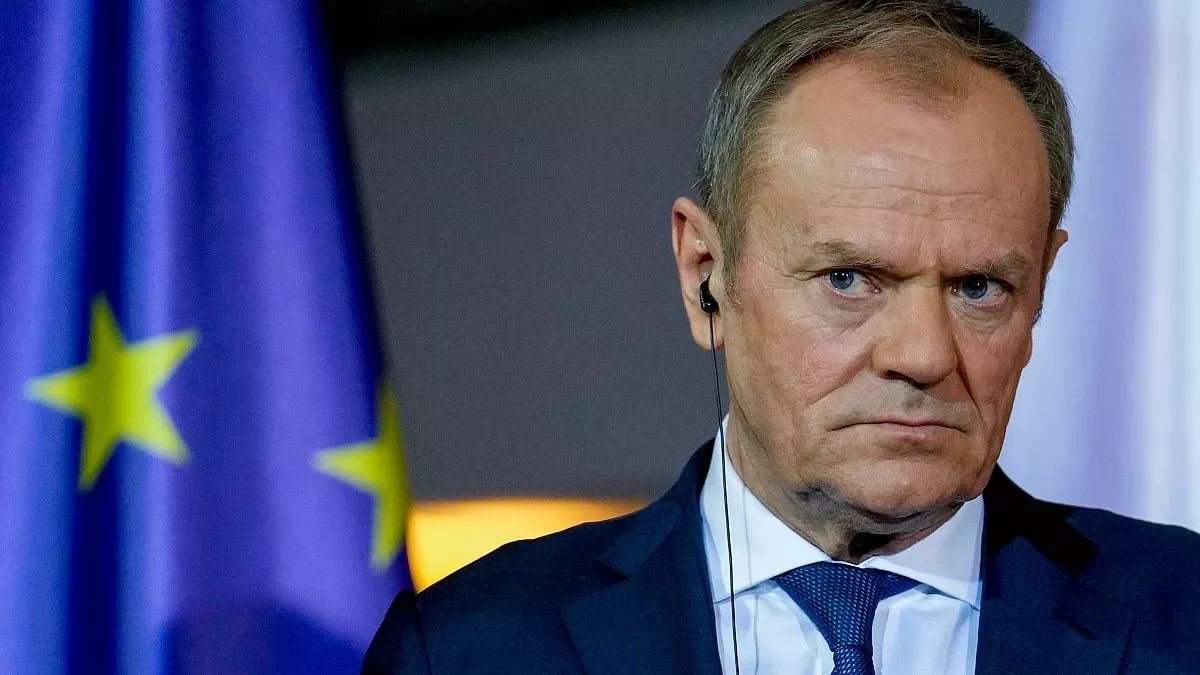
Following the right-wing victory in Saxony-Anhalt on September 6, Donald Tusk said: “Only idiots or traitors in Poland can rejoice at the triumph of the AfD in Germany.”
Among Poland’s far right, by contrast, the AfD’s victory was met with enthusiasm. Jacek Wilk, a former presidential candidate from the Confederation of the Polish Crown, said that “Germany is waking up”. Grzegorz Braun, the leader of the Confederation, also welcomed the electoral gains of Germany’s far right, although he added a caveat: as long as Germany “was defeated”, Poland’s western border along the Oder and Neisse rivers had remained unchanged.
Officially, the AfD recognises the post-war Polish-German border. However, the party’s current co-leader Alice Weidel has repeatedly come under criticism in Poland over remarks perceived there as revanchist. Weidel’s family is of German resettler background, and she herself often uses German rather than Polish names for cities that became part of Poland after 1945.
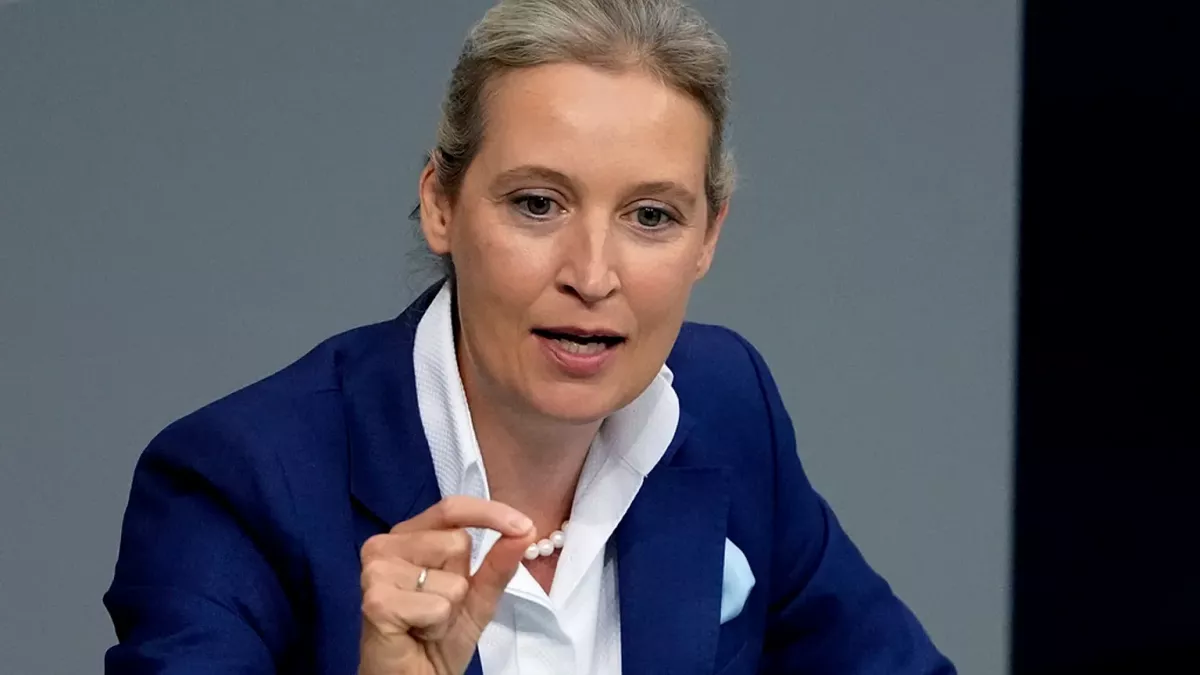
In June 2023, AfD co-leader Alice Weidel, commenting on a poll showing support for the party in Germany’s eastern states, referred to them as “Central Germany” (Mitteldeutschland). In response, Poland’s then-Prime Minister Beata Szydło said: “Soon, power over a large part of Germany, or perhaps all of Germany, may fall into the hands of a radical party whose leaders, as we can see, are openly suggesting that treaties be ignored and modern borders changed. This is a very dangerous scenario for the whole of Europe.”
Anna-Maria Żukowska, a Sejm deputy from the New Left, in turn said: “Alice, let me tell you this: the Polish army is better trained, better armed and better funded than the German army, so don’t even think about it.” She also advised the leader of the AfD parliamentary group in the Bundestag to “go back to her Nazi circus”.
Today, Germany’s armed forces are being rapidly strengthened. In April 2026, Defence Minister Boris Pistorius set the goal of making the Bundeswehr Europe’s strongest conventional military force.
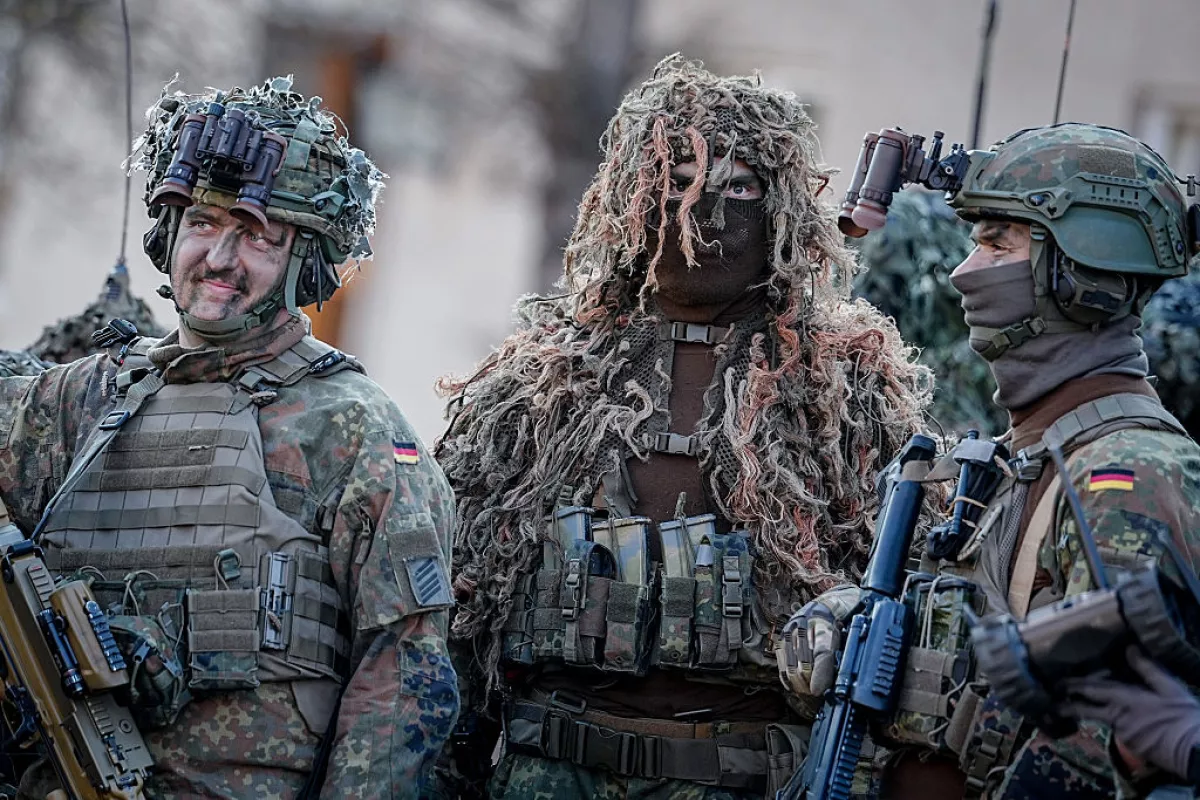
To achieve this, a special €100 billion fund was established. At present, Türkiye has the most powerful conventional armed forces in Europe. At the same time, the AfD and Marine Le Pen’s National Rally in France are widely perceived as anti-war parties, which, according to their supporters, is a major factor behind their electoral success. They are also often described as “pro-Russian”.
However, Łukasz Jastrzębski, chairman of the Association of Polish Thought Clubs, writes on the subject: “Neither the Alternative for Germany nor the National Rally, contrary to the view of the mainstream media, are pro-Russian formations. Nor are they pacifist formations. They are typical right-wing parties — today they are called national, but ten years ago they would have been considered centrist formations that additionally support neoliberalism. Liberal-left-wing media attach frightening labels to them in order to promote the parties chosen by their sponsors. Let us add that they are openly pro-war parties…”
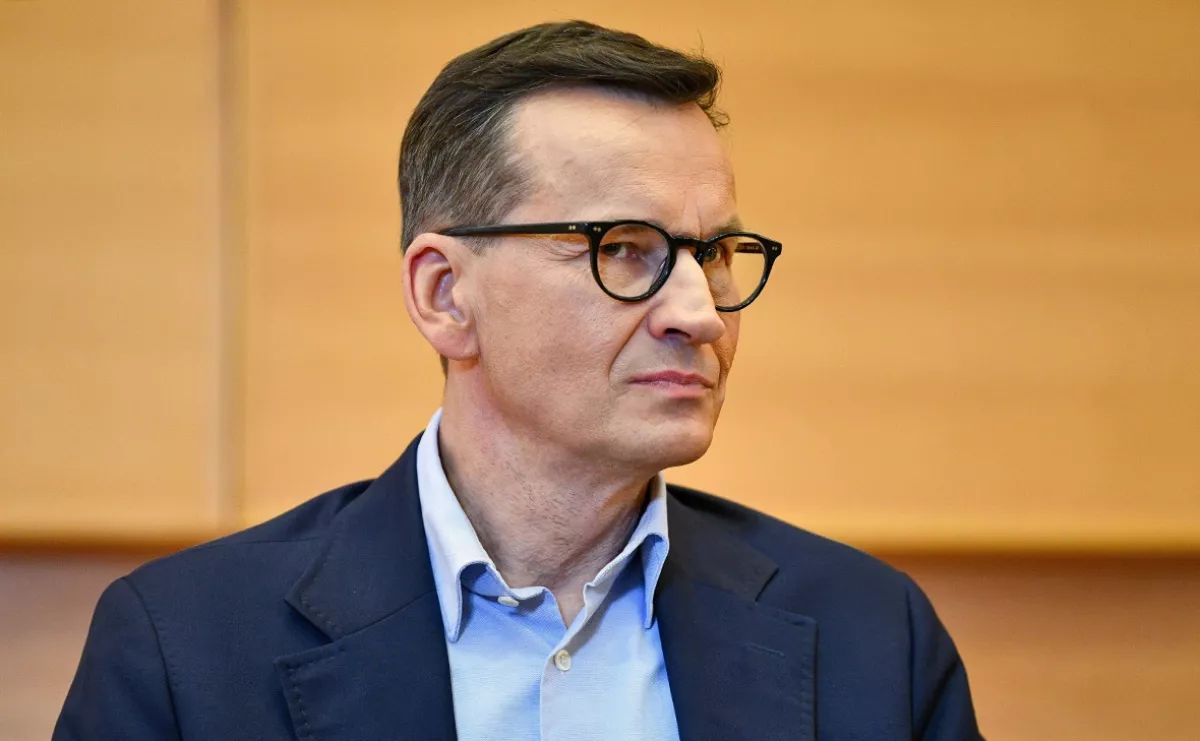
Former Polish Prime Minister Mateusz Morawiecki also expressed concern on September 7 that the AfD’s growing popularity is taking place against the backdrop of Germany’s militarisation: “I am connecting the dots here. Because if AfD is this very radical party that can also formulate revisionist demands towards Poland, meaning the return of territories, and has the audacity to demand compensation from Poland for not extraditing a person suspected of involvement in the sabotage of the German-Russian pipeline, then these are very worrying signals.”
The Wall Street Journal writes that Germany’s growing military power is causing concern among a number of European countries. At the same time, the need to strengthen the Bundeswehr to counter Russia is broadly supported in Western countries. What raises concerns is that, should the AfD come to power, the benefits of Germany’s rearmament could be exploited by a party that advocates abandoning the “culture of guilt” over Nazi crimes.
The newspaper also outlines another possible scenario that concerns some European countries: even without the AfD coming to power, a rearmed Germany and Russia could become the two largest powers on the continent, while Berlin could ultimately once again make concessions to the Kremlin in order to avoid conflict.
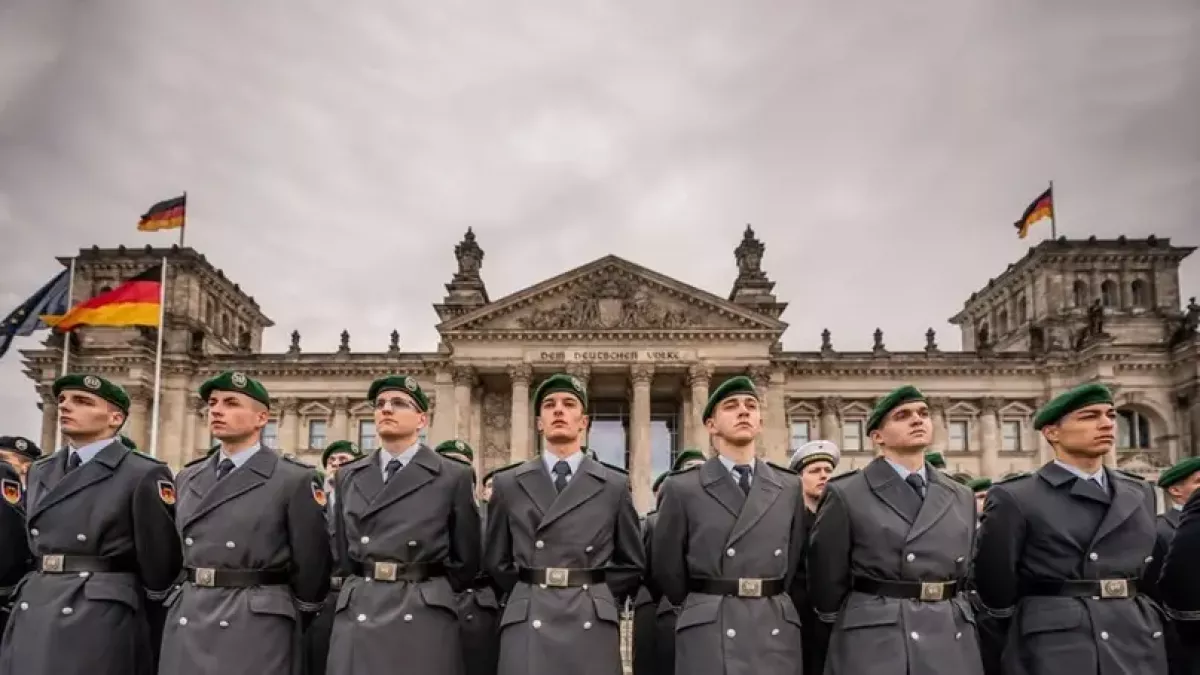
Moreover, Germany’s military build-up is being closely watched not only in Warsaw, but also in Paris and Brussels. Some European politicians and experts fear that if Germany, already the EU’s leading economy, also becomes Europe’s strongest military power, this could alter the balance of power within the European Union and strengthen Berlin’s influence.
At the same time, pragmatic Europe is also paying attention to the economic dimension of rearmament: the large-scale increase in military spending and preparations for the Bundeswehr to confront a potential major conflict are primarily providing a boost to Germany’s defence industry.
In short, in the “friendly European family”, everyone is keeping a close eye on everyone else, seeking to prevent any significant deviation from the “general line” set by Brussels.







 editor@caliber.az
 +994 55 444-88-98
 Азербайджан, Баку, ул. Низами, 203, Af Business House, 5-й этаж