










Metronome on the Korean Peninsula: Washington and Seoul await Pyongyang Article by Manat Nasibova
The situation on the Korean Peninsula has long resembled a metronome steadily ticking towards escalation. Yet in recent days, there have been signs that such a scenario may still be avoided.
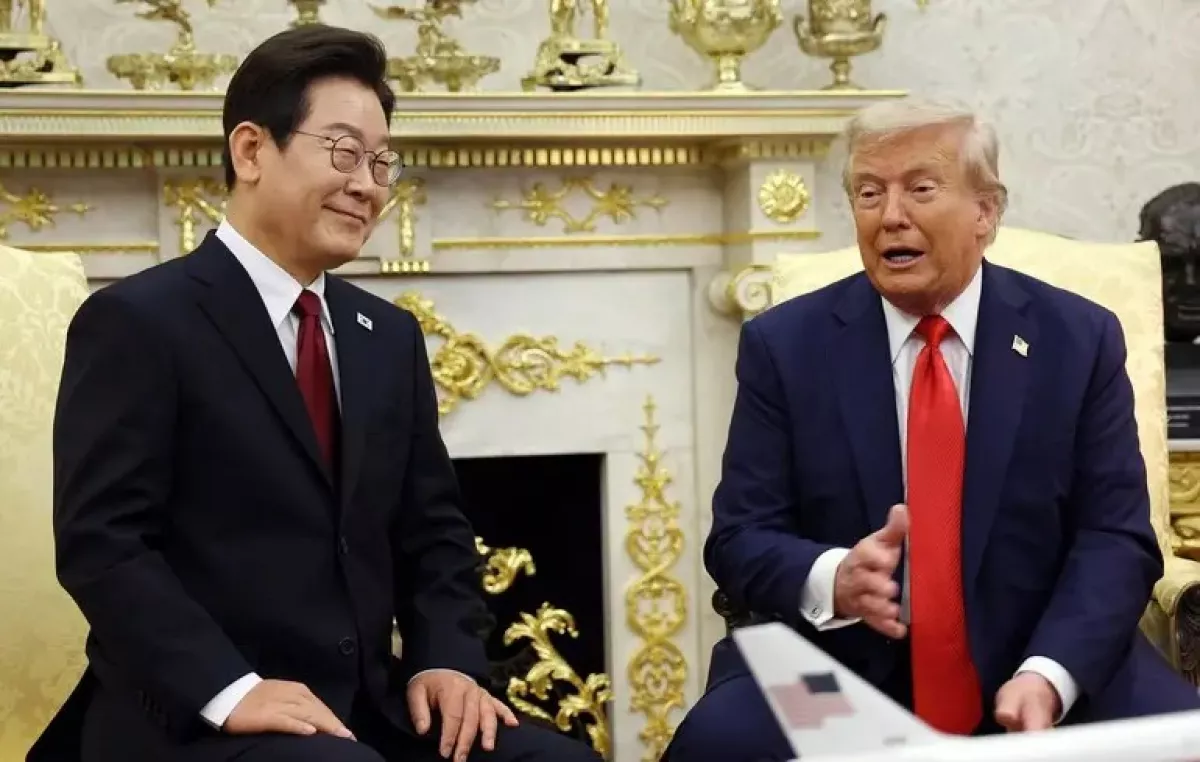
This cautious optimism stems from a number of statements by US and South Korean officials. US President Donald Trump, for example, has said he intends to discuss the possibility of resuming contacts with Pyongyang, an initiative that has received support from Seoul. According to Yonhap, South Korean President Lee Jae Myung said renewed dialogue between the United States and North Korea is necessary to maintain stability on the Korean Peninsula, adding that restoring communication between Washington and Pyongyang could also help improve inter-Korean relations.
Significantly, Washington's renewed interest in dialogue with Pyongyang comes against the backdrop of recent threats from North Korea to potentially use nuclear weapons to safeguard its security. Pyongyang has cited joint US-South Korean military exercises, expanded military cooperation and the establishment of new information-sharing mechanisms between Washington and Seoul as grounds for its warnings.
Clearly, the backdrop is far from straightforward, making it necessary to take a closer look at the key factors prompting Washington and Seoul to seek diplomatic avenues for engagement with Pyongyang.
Mitigating the threat
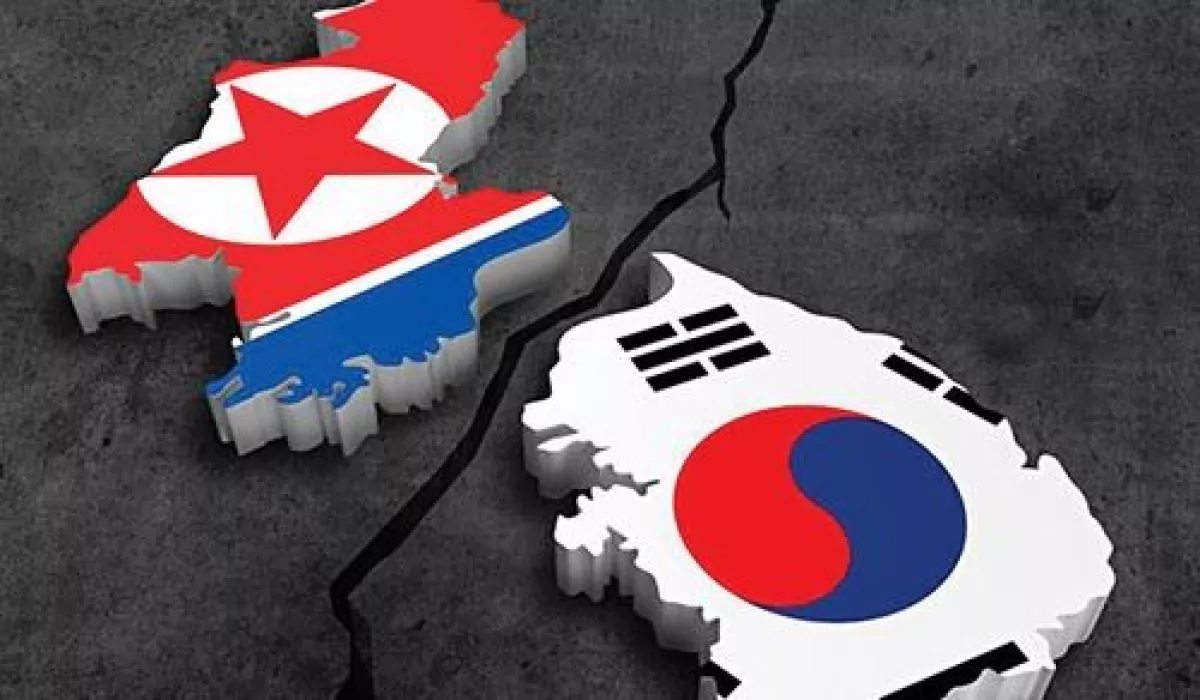
On this front, South Korea has placed security — above all, its own — at the top of the agenda, while following a highly pragmatic logic: if Washington has begun testing the waters for negotiations with Pyongyang, Seoul cannot afford to remain on the sidelines and must position itself as a key participant. This is particularly important for Lee Jae Myung, whose policy towards North Korea differs fundamentally from that of his predecessor, with the restoration of channels of communication at the heart of his approach.
Yet this presents a dilemma. North Korea has categorically rejected dialogue with Seoul, having formally enshrined South Korea's status as a “hostile state” in its Constitution. This gives Pyongyang both the legal and political grounds to regard its neighbour as a potential target for a pre-emptive nuclear strike in the event of a perceived threat.
Given North Korea's hard-line stance, Seoul's diplomatic initiatives face what appears to be an impenetrable wall of distrust. As a result, South Korea is effectively forced to pursue an “indirect” approach, working through the US-North Korea channel. Yet Seoul's involvement in this process remains crucial, particularly to ensure that no behind-the-scenes arrangements are reached without its participation.
Pragmatism over principle
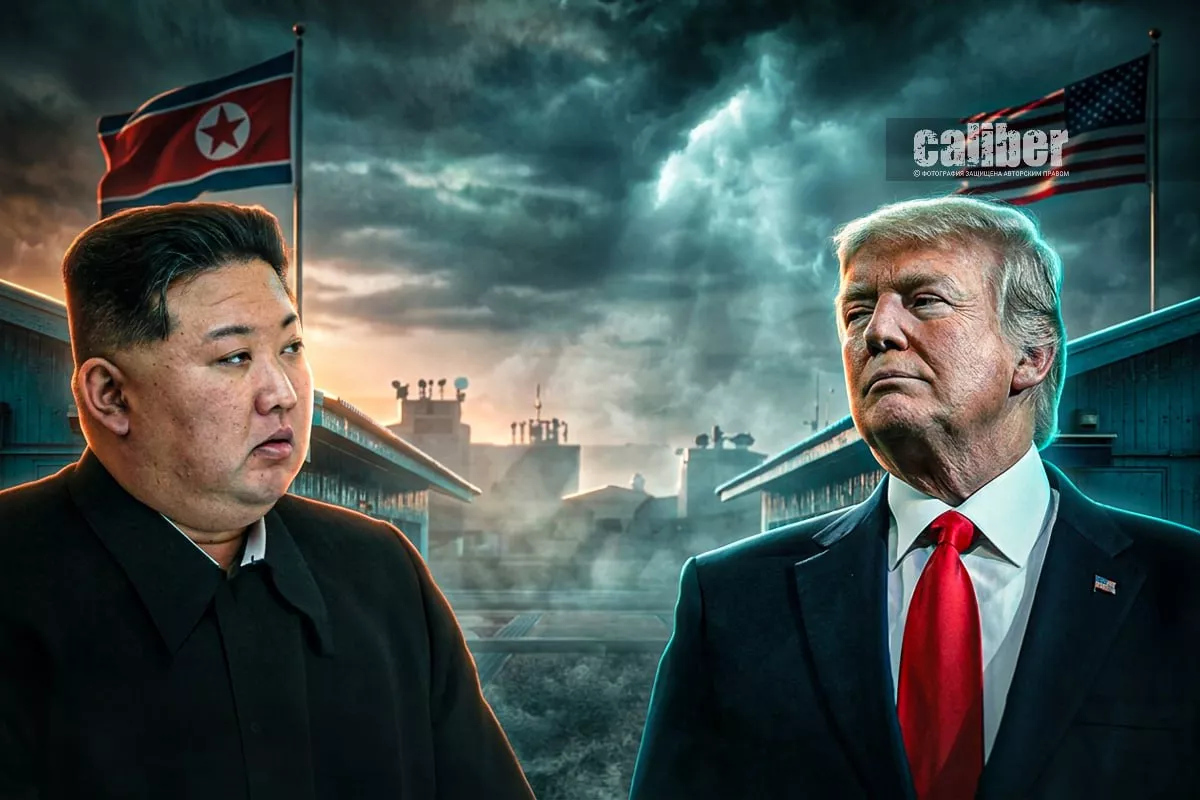
For the White House, the North Korean issue is about more than diplomatic protocol. Donald Trump has already demonstrated a willingness to move abruptly from a period of intense confrontation to direct, high-level negotiations. The 2018 US-North Korea summit and the 2019 Hanoi meeting are the clearest examples. The latter, however, ended without an agreement because of a fundamental disagreement: Washington demanded complete denuclearisation, while Pyongyang sought broad sanctions relief.
The balance of forces, however, has since changed. The White House has increasingly recognised that North Korea's leadership has no intention of abandoning its nuclear programme and is continuing to take an increasingly hard-line position. On September 17, for example, North Korean Vice Minister of Defence Kim Kang Il said the country's status as a nuclear power was irreversible and that Pyongyang would continue to strengthen and expand its arsenal. Around the same time, Kim Jong Un's sister and influential North Korean political figure Kim Yo Jong criticised an International Atomic Energy Agency (IAEA) report on Pyongyang's nuclear programme, stressing that North Korea's nuclear status was absolute and not subject to reconsideration.
Against this backdrop, Washington appears to be shifting its focus towards arms control, provided Pyongyang is willing to enter negotiations. Securing such talks could also become a personal objective for Donald Trump. A successful display of presidential diplomacy on the Korean Peninsula would reinforce his image as a peacemaker and underscore his role in shaping one of the world's most consequential security issues.
The balance of power and US objectives
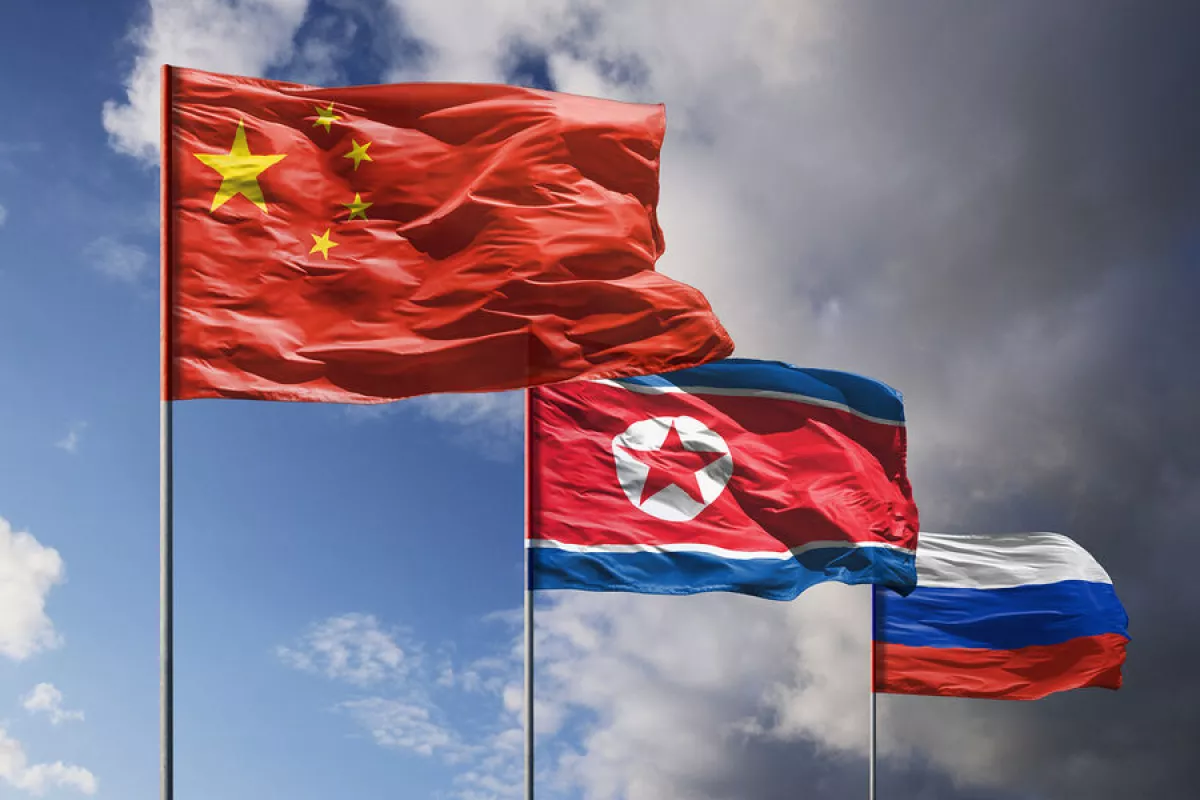
Overall, US interests regarding North Korea are multifaceted. For Washington, one of the key priorities is to prevent Pyongyang from becoming an even closer military and technological partner of Russia and China. From this perspective, Trump's efforts to establish a dialogue with Kim Jong Un can also be seen as an attempt to loosen Pyongyang's ties with Moscow and Beijing.
Russia has become one of North Korea's most important external partners, providing economic support, technology and diplomatic backing, including at the UN. If Kim Jong Un establishes a direct channel of communication with the White House, Pyongyang's reliance on Moscow could potentially diminish, which would run counter to Russia's strategic interests.
For Beijing, which regards North Korea as an important strategic buffer, the prospect of direct talks between Trump and Kim also carries significant geopolitical implications. If Washington and Pyongyang were to reach an understanding directly, China's influence over North Korea could be reduced. In this sense, even the resumption of US-North Korean dialogue could serve as a source of geopolitical pressure on both China and Russia.
Yet North Korea remains the pivotal actor in this equation. Under the current circumstances, the prospects for reducing tensions on the Korean Peninsula ultimately depend to a significant extent on Pyongyang's response. The metronome has paused — and the next movement awaits Kim's answer.







 editor@caliber.az
 +994 55 444-88-98
 Азербайджан, Баку, ул. Низами, 203, Af Business House, 5-й этаж