










European-style multilateralism: Brussels’ new project Analysis by Limansky
The EU is launching a new international alliance, declaring its commitment to protecting multilateralism, international law and global prosperity. Australia, Canada and a number of Global South countries have already joined “Partners for Multilateralism”. However, behind the high-profile rhetoric about reforming the international system may lie a much more ambitious project for Brussels — from strengthening its position at the UN to creating a new political and economic format.
New prosperity
The new initiative was announced during the UN General Assembly High-Level Week at the “Partners for multilateralism, international law, peace and prosperity summit” (P4M), attended by representatives of the EU, Australia, Barbados, Brazil, Canada, India and Kenya.
The stated goals are ambitious: cooperation to ensure peace and stability, inclusive and sustainable development, shared prosperity, human dignity and rights for all.
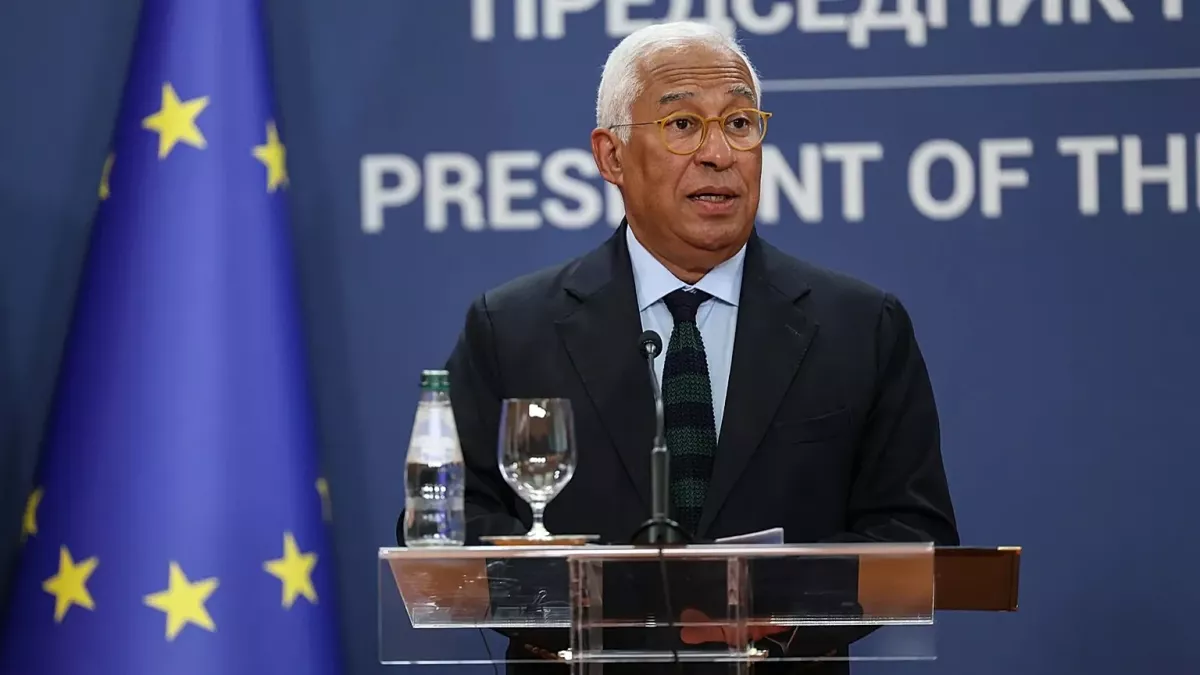
European Council President António Costa said: “We are at a critical moment for the world. Conflict is spreading. International law including the United Nations Charter are being repeatedly violated, including by permanent members of the United Nations Security Council. And the multilateral system is under stress. At the same time, climate change, pandemics, artificial intelligence and economic insecurity are challenges confronting the world to an extent that no country – neither big nor small – can address alone…”
In response to these challenges, the initiative proposes creating an open platform for dialogue and a network for practical cooperation to jointly address global problems. Overall, this is rhetoric typical of international gatherings of this kind.
The “Partners for Multilateralism” (P4M) summit declaration was also signed by Albania, Bosnia and Herzegovina, Croatia, Cyprus, Finland, Guatemala, Ireland, Liechtenstein, Luxembourg, Moldova, Norway, San Marino, Slovakia, Spain, Türkiye and Uruguay.
The EU Empire
So, why is this new international project being formed? It is noteworthy that the initiative was announced on the sidelines of the ongoing 81st session of the UN General Assembly. Essentially, almost all the goals declared by “Partners for Multilateralism” duplicate the objectives of the United Nations.
At the same time, both the European Council President’s remarks and the declaration state that the main goal of the new P4M alliance is to support the work of the UN and other multilateral organisations, uphold the UN Charter, and so on. At the same time, they call for reforming the UN so that it can meet modern-day needs.
António Costa, Canadian Prime Minister Mark Carney, Kenyan President William Ruto and Brazilian President Luiz Inácio Lula da Silva first called for UN reform in a joint article. Then, in January 2026, at the World Economic Forum in Davos, the Canadian prime minister called on the “middle powers” to unite in defence of multilateralism.
“Multilateralism” — not to be confused with multiculturalism — is one of the key concepts in the EU’s plans for UN reform. At the same time, calls for reforming and expanding the composition of both permanent and non-permanent members of the UN Security Council are not limited to the European Union; many other countries have also advocated such changes.
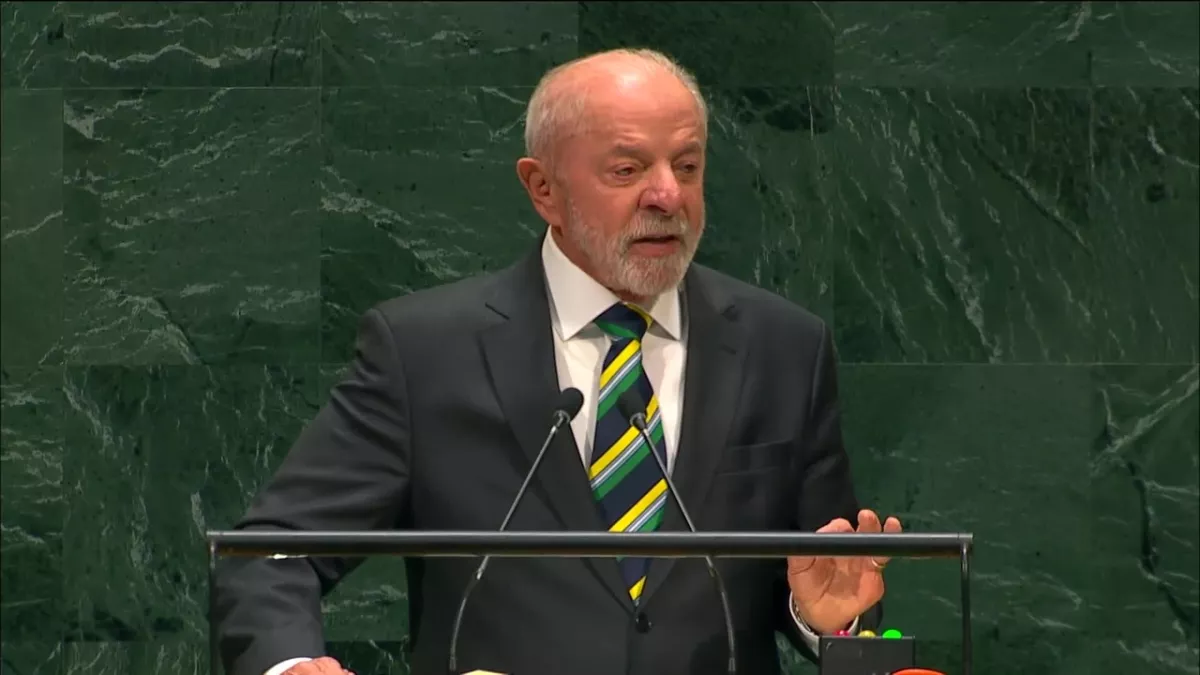
Thus, opening the general debate of the current 81st session of the UN General Assembly on September 22, Brazilian President Luiz Inácio Lula da Silva noted that the past year had seen the highest number of armed conflicts since the Second World War. According to Lula da Silva, this was largely the result of the Security Council’s inaction, and he called for the veto power of permanent Security Council members to be abolished.
Turkish President Recep Tayyip Erdoğan also pointed to the UN’s crisis and called for an expansion of the Security Council’s membership. UN Secretary-General António Guterres has likewise said that the UN must change while remaining true to its principles.
However, while invoking legitimate criticism of the UN and demands from Global South countries, Brussels is simultaneously advancing its own interests. Above all, this concerns strengthening the EU’s representation at the UN. The possibility of granting the European Union a permanent seat on the UN Security Council is already being discussed.
India and Brazil are also seeking permanent membership of the Security Council. However, in the case of the EU, this would require not merely reforming the United Nations but also substantial changes to the UN Charter, whose principles the EU itself insists must be upheld. In effect, this could amount to changing the very nature of the organisation.
Under Articles 3 and 4 and other provisions of the UN Charter, membership of the organisation is open to sovereign states. The European Union is not a state, and there is currently no precedent for a supranational union becoming a UN member. At present, the EU has representation at the United Nations with observer status.
But if we hypothetically consider EU membership of the UN Security Council, a question arises: would EU member states then effectively be represented at the United Nations twice?
From this perspective, Brussels’ ambitions once again raise the question of the EU’s de facto status as a kind of supranational state — a sort of “European Empire”.
Hegemons and multilateralism
Clearly, the rhetoric about reforming or even partially duplicating the UN is merely the tip of the iceberg. It appears that, within the “Partners for Multilateralism” initiative, the EU and Canada intend to create not simply another humanitarian association, but also a new economic grouping. At least, an economic component is clearly outlined in the P4M “Partners” declaration. It refers to “inclusive economic cooperation”, more diversified and resilient global supply chains, reform of the multilateral trading system, improvements to the international financial architecture, and stronger coordination in the field of international finance.
Perhaps, in the longer term, Brussels would also like to turn “Partners for Multilateralism” into an alternative to BRICS and the Shanghai Cooperation Organisation (SCO), which already have significant economic weight and steadily growing potential. There is also speculation that the P4M initiative could seek to serve as an alternative to the G20.
However, it is too early to speak of the new EU project’s success. It has yet to be clearly defined and structured: P4M is referred to variously as a “platform”, an initiative, or something else entirely.
It appears that the EU is being driven towards launching this new international project by intensifying global competition. China and the groupings forming around it are increasingly competing with the West in global markets.
In addition, the European Union is facing economic competition from the United States. Against the backdrop of the current rivalry, Washington’s approach even towards its traditional European allies is becoming increasingly tough. Presumably, in Brussels’ thinking, the new P4M alliance is intended to be one of the responses to these challenges.
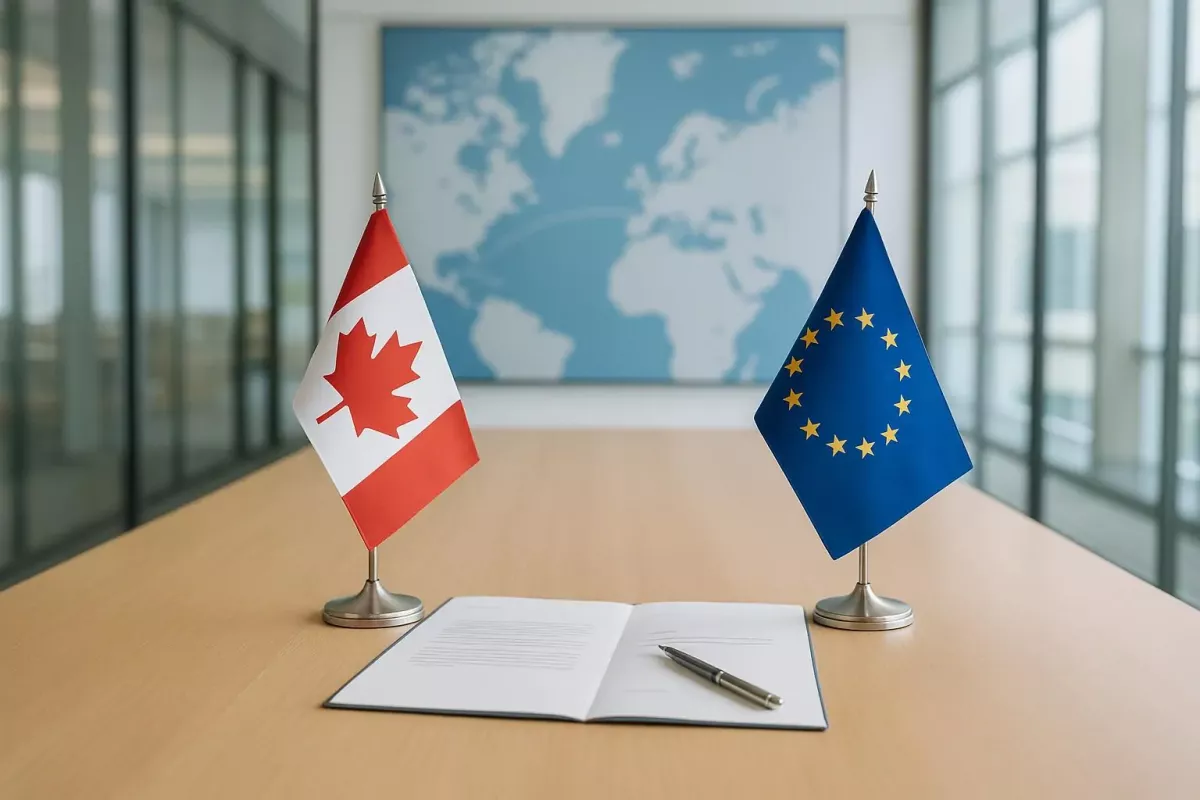
Canada’s inclusion in “Partners for Multilateralism” — with reports suggesting that Ottawa could be granted some form of “associate membership” in the EU — may indicate that Europe is raising the stakes in the competitive struggle and seeking to strengthen its position more actively in North America. More precisely, it may be seeking to return to the New World, as if reminding others whose colony the continent once was.
Therefore, the absence of major players such as China and Russia from the P4M initiative is hardly surprising. But the absence of the United States may point to serious changes and contradictions within the Western bloc itself.
All this suggests that, with Ottawa’s support, the EU is building the new project as an instrument for confronting the two largest global players — the United States and China. However, amid intensifying global competition, we are likely to see many more unexpected developments in the near future.
For example, the P4M initiators have spoken of the need to “build bridges” between countries with different political traditions. Commendable? But this is less about the much-vaunted pluralism and more an acknowledgement that attempts to impose one’s own rules on independent states under the guise of “democracy” can be counterproductive.
China itself, which does not attach particular importance to the ideological differences of its economic partners, has a certain advantage in this regard. Therefore, the new Western approach may involve a greater willingness to take into account the political systems and specific circumstances of other countries.
“Multilateralism”, as interpreted by the EU, can also be viewed as an attempt to offer an alternative to the concept of a “multipolar world”, which is popular in the Global South today. The growing economic potential of developing countries can no longer be ignored. And it appears that the EU has decided to engage more actively with the Global South in order to gain access to its growing potential.
However, the influence of major Global South powers such as Brazil and Türkiye could also serve as a counterweight — including to any inappropriate ambitions of the old hegemons. At the very first P4M summit, developing countries clearly voiced their grievances with the current world order, of which the EU is one of the pillars.
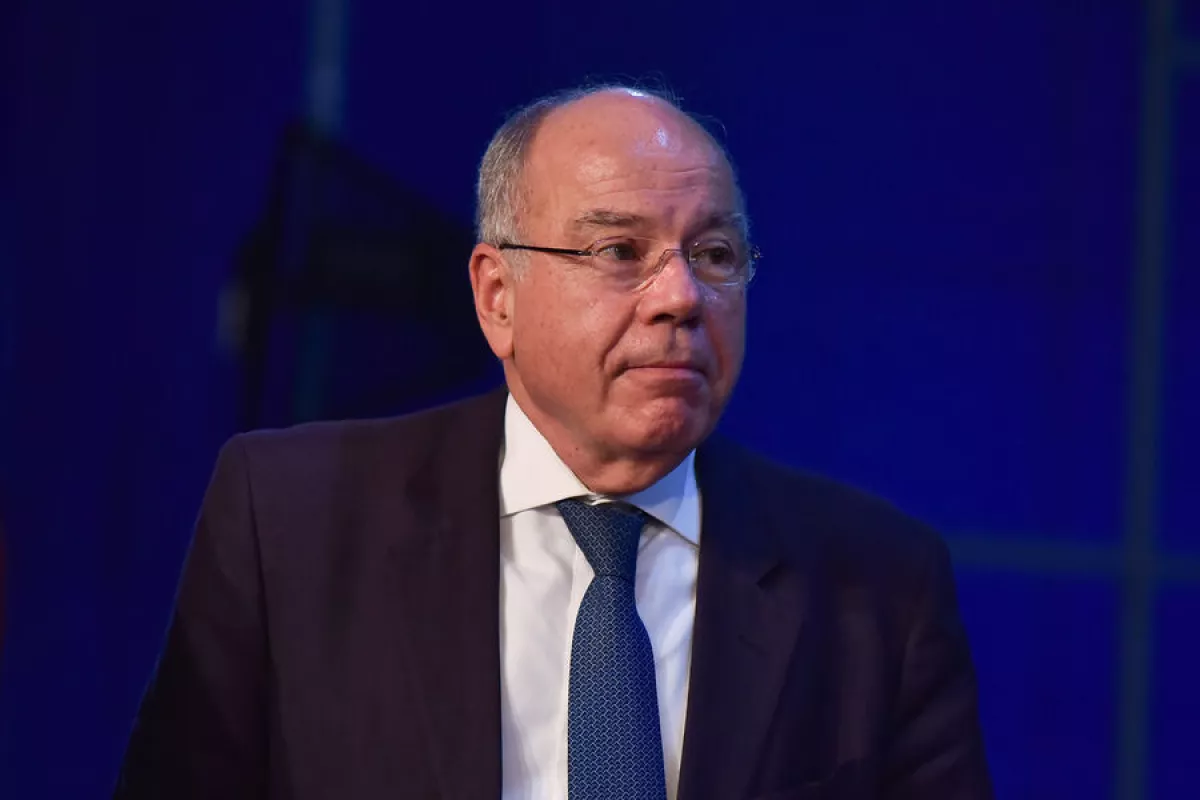
“Yet, there are those who seek to divide the world into spheres of influence in an attempt to halt the inevitable emergence of a multipolar order. In doing so, they attack multilateralism, international law and the UN Charter,” Brazilian Foreign Minister Mauro Vieira said at the summit.
Barbados Prime Minister Mia Mottley, in turn, said: “It is vital that countries like ours have a voice. The post-independence movement in the post-World War II era was intended to give us opportunity and choices. Regrettably, those are being taken from us without our participation, without our input.”
And perhaps the only way to achieve genuine multilateralism, peace and prosperity for humanity is to abandon bloc-based approaches, the logic of confrontation and attempts to suppress competitors by any means.







 editor@caliber.az
 +994 55 444-88-98
 Азербайджан, Баку, ул. Низами, 203, Af Business House, 5-й этаж