










Between the altar and the republic: What lies behind Leo XIV’s visit to France? Analysis by Matanat Nasibova
Pope Leo XIV’s historic visit to France, which began on September 25, is not merely a religious event but a subtle, multi-layered political and diplomatic mission, woven around discussions of key global challenges of our time — from the ethics of artificial intelligence and climate change to the future of a united Europe and ways of overcoming the Catholic Church’s internal institutional crisis.
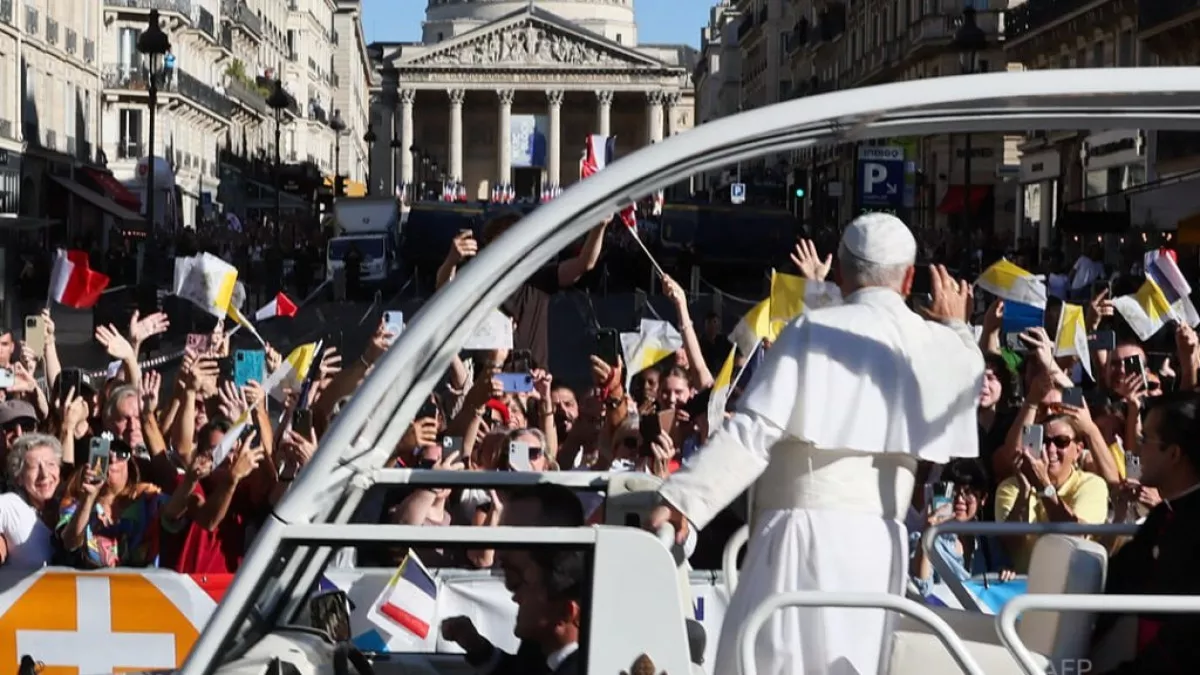
This is the first visit by the head of the Catholic Church to the Fifth Republic in 18 years, and its programme encompasses not only traditional spiritual centres such as Paris, Lourdes and Metz, but also the UNESCO headquarters. The visit’s protocol also includes official meetings with the French president, representatives of the country’s highest state institutions and the French clergy. A key feature of the visit is that it is taking place against the backdrop of difficult, at times openly cool, relations between Paris and the Holy See, as well as a growing crisis of confidence in the Catholic Church within French society.
Overall, it can be assumed that France was by no means chosen at random for such a major apostolic visit: amid profound geopolitical turbulence and the erosion of global security institutions, the Vatican is seeking to engage in dialogue across seemingly insurmountable divides, while defending traditional religious values in a secularised Europe.
A pillar of Catholicism and the cradle of laïcité
Although France has historically been known as the “eldest daughter of the Church”, the balance of power has transformed over the centuries into a permanent diplomatic and ideological confrontation. The French model of a secular state — laïcité — is one of the strictest and most uncompromising in the world, and since the adoption of the historic law separating church and state, France has consistently and systematically pushed religion out of the public sphere and into the private realm. In recent years, the gap between Paris’s social policies and the Vatican’s doctrine has become even more pronounced.
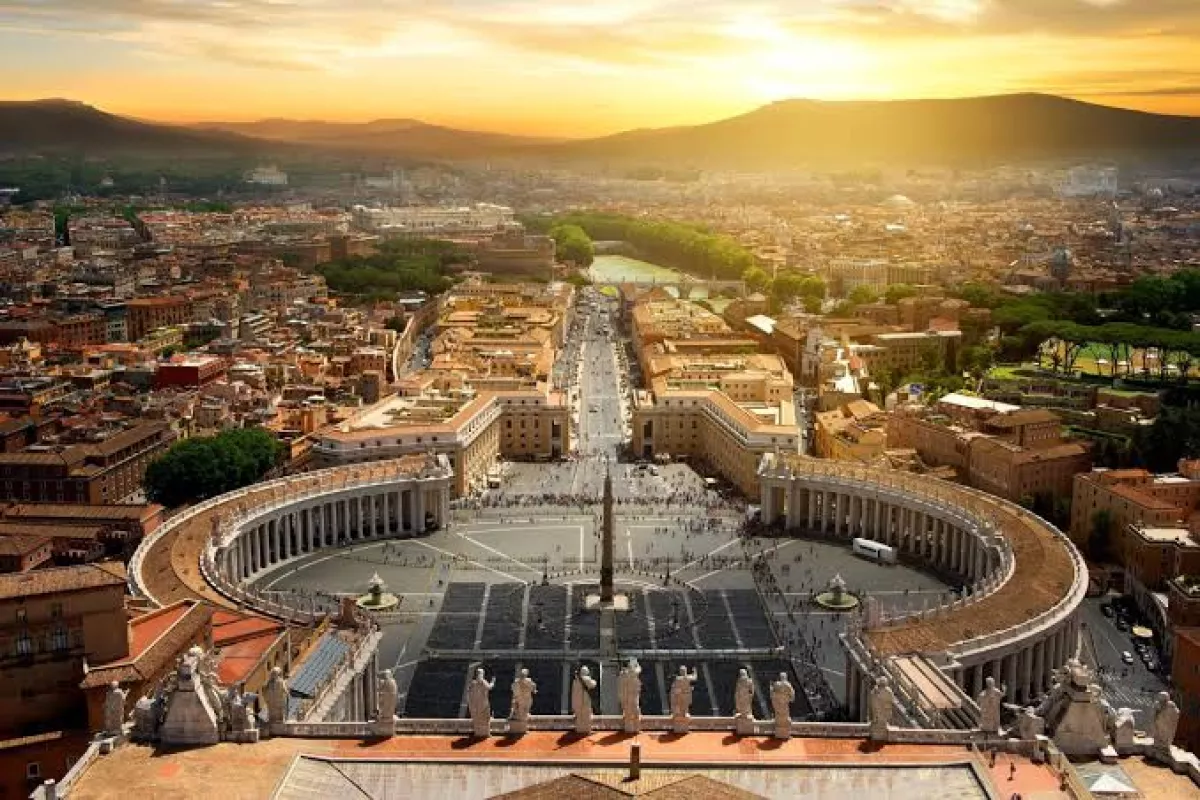
Against the backdrop of this enduring conflict of interests, the Holy See regularly criticises French laws restricting religious visibility and the freedom to express one’s faith, while Pope Leo XIV actively promotes the concept of “healthy secularism”, insisting that religious values and moral principles should not be confined to places of worship and private homes, but have every right to participate in public debate, shape the humanist agenda and contribute to the moral substance of political decisions. At the same time, it would be a profound mistake to assume that the Vatican is seeking to directly interfere in or control the political processes of a sovereign state.
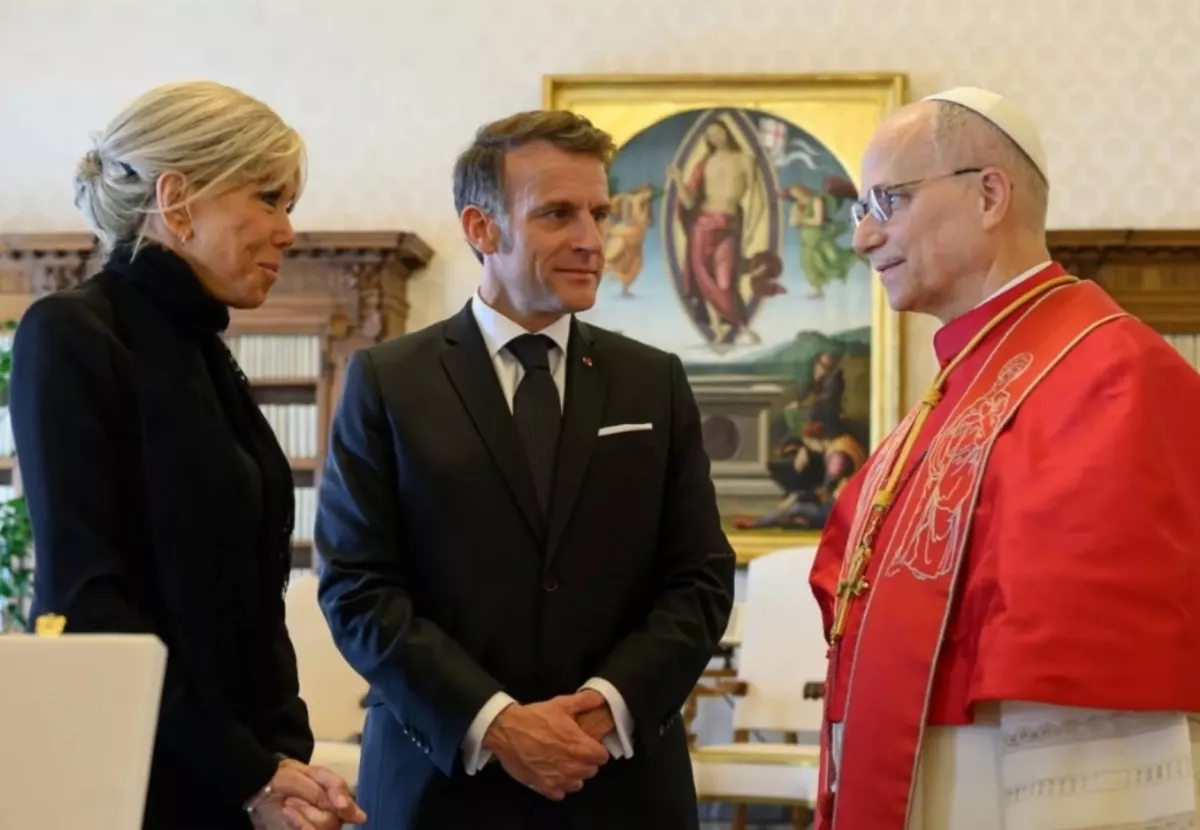
For Paris, in turn, the Holy See is a unique international diplomatic actor with global channels of informal communication with governments and social movements around the world, including regions where access for conventional Western diplomacy is closed. It is precisely for this reason that most international analysts believe the true significance of the meeting between Macron and Leo XIV lies in seeking a viable formula for coexistence between a secular republic and a global religious institution that seeks to maintain an independent moral voice in shaping the future of European civilisation.
Root causes of disagreement
One of the key aspects of the visit is to clearly articulate the Vatican’s humanitarian and peace-building approach to contemporary international conflicts. Traditionally, the Holy See has advocated the swift diplomatic resolution of wars, large-scale humanitarian assistance for those affected and refugees, and the unconditional protection of civilians. However, the geopolitical capabilities of the Apostolic See are objectively limited: it lacks the powerful military or economic levers of pressure available to superpowers or military-political blocs. Consequently, the real purpose of the visit is not to secure the immediate resolution of any particular armed conflict, but rather to provide moral support for the negotiating process and strengthen the authority of a culture of dialogue in the face of growing militarisation.
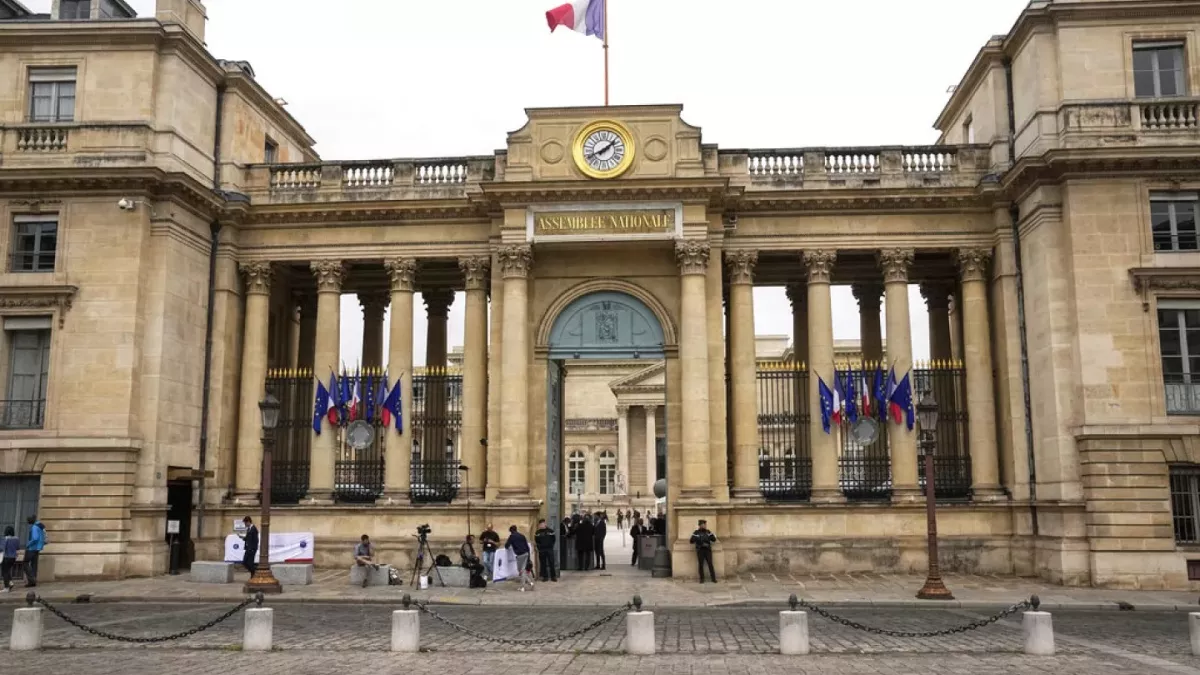
At the same time, Leo XIV’s visit vividly reflects a number of deep contradictions that shape the Vatican’s currently complex relationship with modern Europe, as represented by the Fifth Republic. For example, the French parliament has passed legislation legalising euthanasia for certain categories of seriously ill adults. The Holy See takes an uncompromising position on this issue, viewing human life as absolutely sacred and inviolable from conception to natural death.
Another area of divergence concerns the rights of sexual minorities. France has consistently expanded such rights at the state level. Diplomatic tensions between Paris and the Vatican have also emerged at a practical level, for example, over the approval of French diplomats who are openly homosexual for ambassadorial posts to the Holy See.
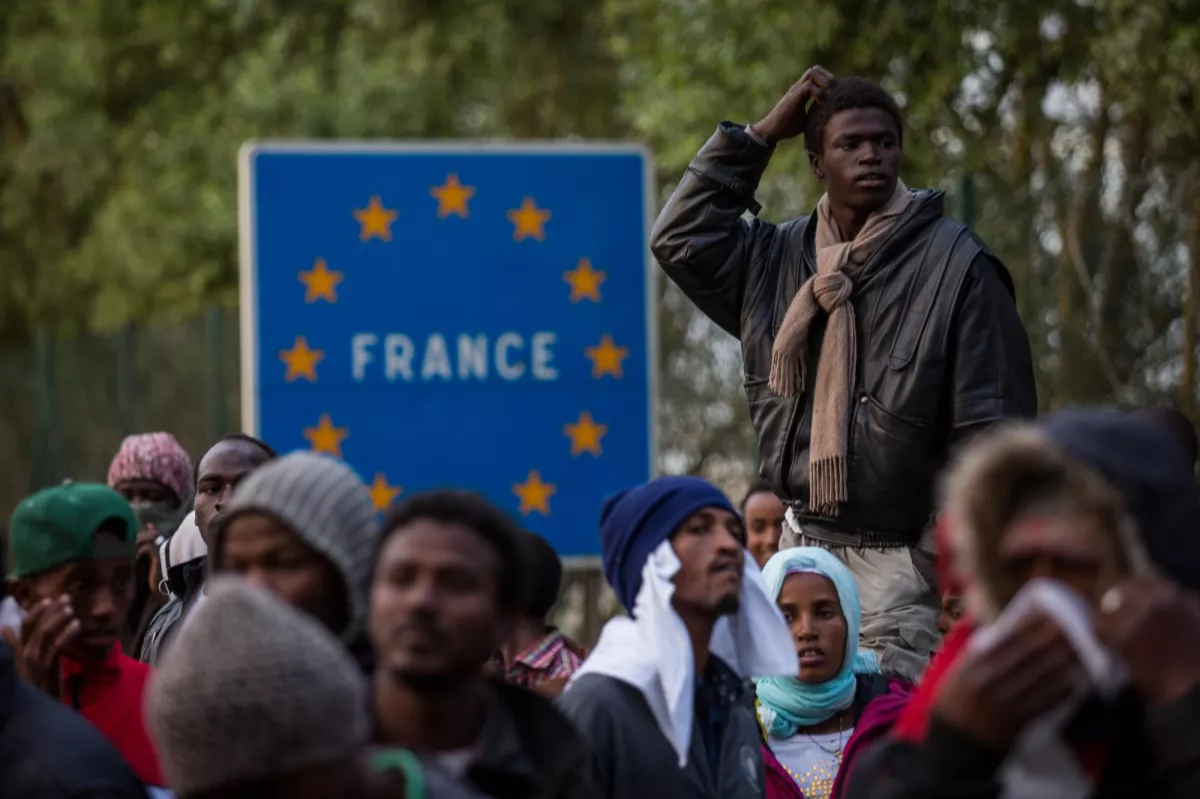
Another area in which the positions of the Vatican and France diverge is migration policy. The Holy See has traditionally been highly critical of European countries for the strictness of their migration policies, while the Fifth Republic has consistently introduced increasingly stringent controls on migration flows.
Additional tension has been created by the situation surrounding the Society of Saint Pius X (SSPX). Shortly before the Pope’s visit to Paris, the Vatican officially declared a canonical schism and excommunicated bishops of the ultra-conservative movement following the unauthorised ordination of four new bishops in Econe, Switzerland, in defiance of Leo XIV’s personal prohibition. French society has become divided on the issue, ranging from support for the Holy See’s tough measures and the official Church position to open resistance from local traditionalist communities, leaving its mark on the atmosphere surrounding the visit.
Constructive dialogue and future initiatives
Summing up the above, several fundamental conclusions can be drawn about the long-term implications of Leo XIV’s visit to France. First, the trip could help invigorate pragmatic diplomatic dialogue on the most pressing humanitarian issues and the search for ways to resolve international conflicts. Nevertheless, fundamental ideological differences between Paris and the Holy See over major questions of social morality, bioethics and family law are likely to persist.
Second, the visit will undoubtedly draw considerable public attention to Catholic initiatives in the social sphere, charitable work and assistance to the most vulnerable groups. However, the long-term sustainability of this effect will depend entirely on the effectiveness of local Church structures and their ability to engage in constructive dialogue with the secular world.
Third, the Pope’s visit objectively contributes to advancing the European peace agenda, while at the same time underscoring the Holy See’s unique role as an indispensable moral reference point in the global order. The success of this major mission will be determined not so much by the immediate symbolism of welcoming speeches as by the extent to which the bold ideas and appeals voiced by the head of the Catholic Church are translated into concrete political, diplomatic and pastoral initiatives in the future.
Ultimately, all these factors demonstrate that the Vatican’s influence in contemporary Europe has by no means disappeared; rather, it has undergone a fundamental transformation. Today, it manifests itself not through pressure on political institutions, but through profound intellectual debate and global values-based diplomacy.







 editor@caliber.az
 +994 55 444-88-98
 Азербайджан, Баку, ул. Низами, 203, Af Business House, 5-й этаж