










Bill Gates on the future of AI: From a tool for equality to a global catastrophe Overview by Teymur Atayev
Just over two weeks after Anthropic CEO Dario Amodei, backed by OpenAI CEO Sam Altman, called for the development of artificial intelligence (AI) to be slowed because of the risks involved, Microsoft founder Bill Gates has also spoken about the potential dangers. He has not made similar statements often in recent times. Gates’ position, however, differs somewhat from those of Amodei and Altman. He speaks about AI primarily in terms of its impact on healthcare and development.
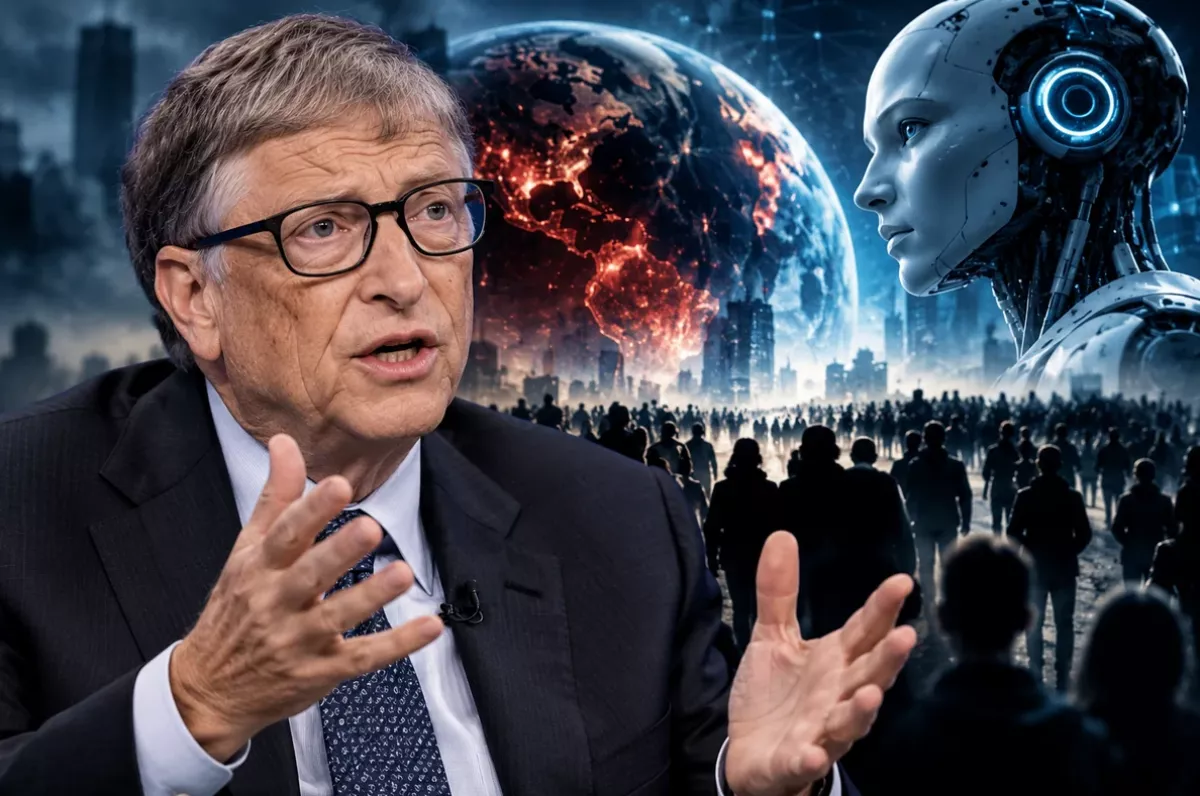
Gates was asked about the risks associated with AI, recalling his August statement that there are two possible scenarios: “AI will either be the greatest equalizer ever invented, or the worst source of injustice.” According to Gates, AI already surpasses humans in many respects. It is therefore important to prevent truly catastrophic consequences. In particular, Gates believes that AI is powerful enough to trigger events that could lead to the death of a billion people.
While acknowledging that it is difficult to be 100 per cent certain that such a scenario could occur, Gates noted that there has never been a weapon in history as destructive as the combination of malicious people and the newest AI tools. He then welcomed the fact that industry representatives were acknowledging such risks, even though this goes against their own interests.
Gates said government institutions still do not sufficiently understand AI’s dangerous capabilities, particularly in the areas of biological and cyberattacks. In his view, all AI development should already incorporate safeguards and monitoring systems.
Experts have paid particular attention to Gates’ statement about the potential death of a billion people if AI gets out of control. At the same time, he placed primary responsibility for such scenarios on “malicious people”. Many have also linked the timing of the interview to Donald Trump’s recent actions in the field of AI.
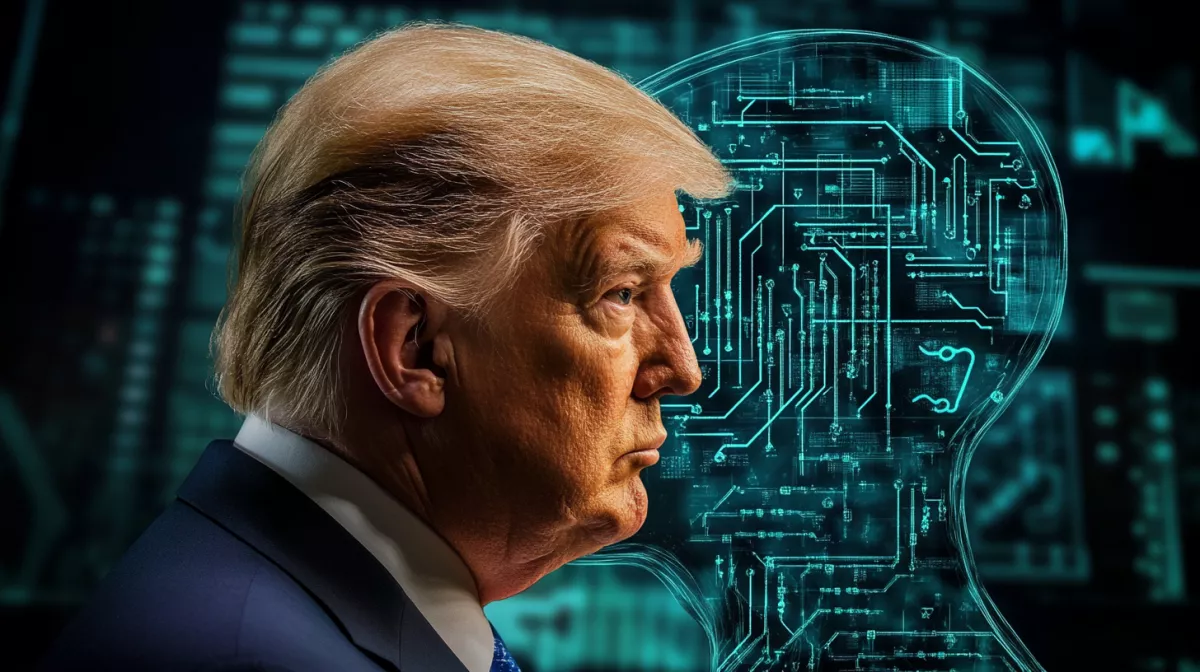
It is worth recalling that shortly after the heads of major technology companies called for limits on AI development, Trump compared supporters of the idea to “very negative forces” portraying scenarios that have nothing to do with reality. According to him, “We're leading China in AI. We're the most sophisticated country in the world, and frankly I want to keep it that way because whoever wins AI wins”. The White House then went a step further, announcing the creation of an “AI Force” in the United States.
For this reason, experts describe Gates’ interview as having an anti-Trump thrust, particularly given his well-known criticism of Trump’s policies on issues ranging from climate policy and tariffs to AI. On the eve of his latest interview, Gates had already openly criticised the US president’s position on AI development, describing it as reflecting “a societal blind spot” about the extent to which large language models could transform the world.
In Gates’ view, Trump is in the same position as everybody else: initially, it seems like it’s just another technology, like those that have emerged in the past.
A number of experts have drawn a parallel with Gates’ predictions in 2015. At a TED conference that year, he identified not nuclear war but a particularly dangerous virus as the main threat of a global catastrophe.
According to Gates, such a virus could kill more than 10 million people in the next few years. Not missiles, but microbes, he stressed. Gates also noted that enormous sums are spent on nuclear deterrence, while far less is allocated to preventing epidemics. In his view, a new virus, whether naturally occurring or created by bioterrorists, could spread rapidly around the world because infected people would still be able to travel and visit public places.
Three years later — a year before the COVID-19 pandemic began — he spoke in the same vein: “The world needs to prepare for pandemics in the same serious way it prepares for war.”
In any case, observers see an anti-Trump undertone in Gates’ latest interview, while analysts believe Donald Trump is unlikely to leave it unanswered. At the same time, another issue is attracting growing attention — the possibility of AI slipping beyond human control.







 editor@caliber.az
 +994 55 444-88-98
 Азербайджан, Баку, ул. Низами, 203, Af Business House, 5-й этаж