










Baku Investment Forum and Xi–Trump meeting Caliber.Az weekly review
The Caliber.Az editorial team presents a new edition of the “Events” programme, hosted by Murad Abiyev, in an analytical review of the key developments of the week.
Azerbaijan
The stir caused by foreign diplomats’ visit to Albanian churches may have cast a shadow over the Armenian establishment’s willingness to reconsider its long-standing ideological approach. Nevertheless, it did not derail the peace process. This was underscored by the visit of Kristinne Grigoryan, Chief of Armenia’s Foreign Intelligence Service, to Baku to attend the 4th International Security Forum.
Meanwhile, Azerbaijani Foreign Minister Jeyhun Bayramov met with his Armenian counterpart, Ararat Mirzoyan, in New York on the sidelines of the UN General Assembly. Among other issues, the two ministers discussed opportunities to promote a positive agenda on various multilateral platforms.
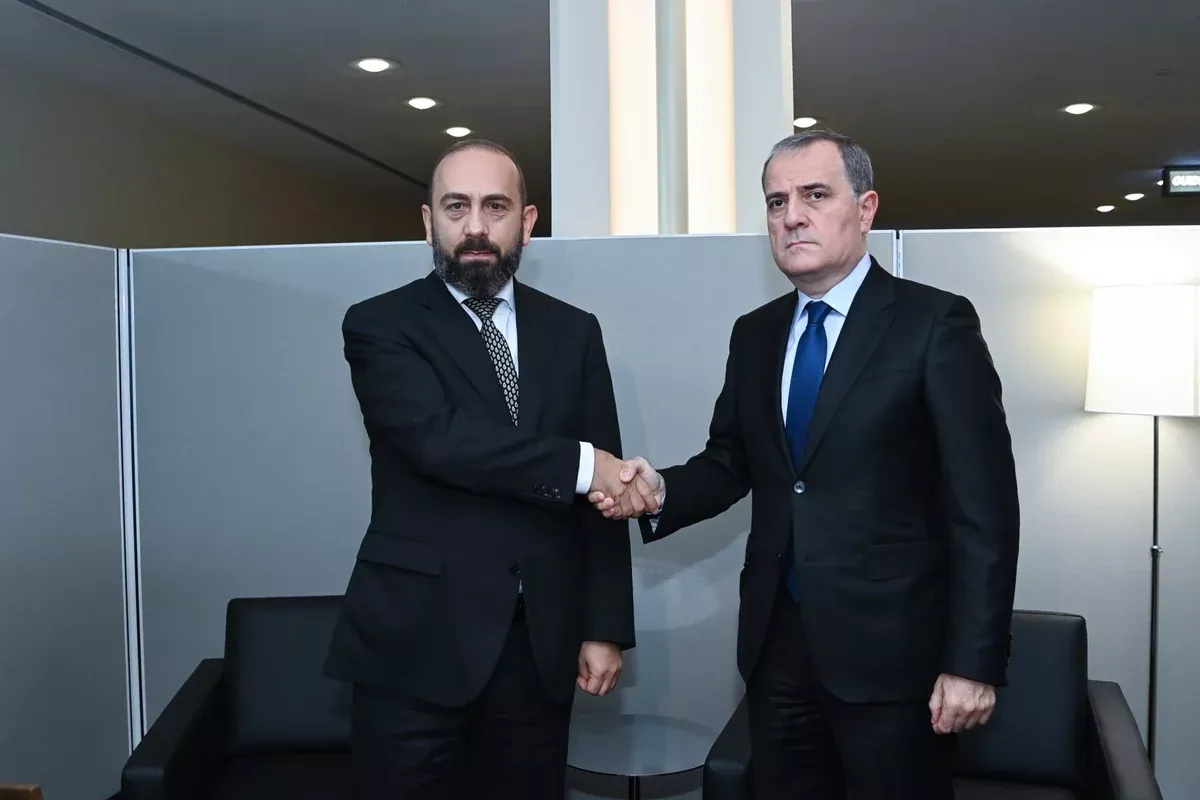
During his meetings in New York, Bayramov outlined several key priorities of Azerbaijan’s foreign economic and regional policy, from its strategic partnership with the United States to TRIPP, the Middle Corridor and energy projects. Addressing the UN, he linked the emergence of de facto peace to tangible economic outcomes, including the removal of transit restrictions and the launch of trade between Azerbaijan and Armenia.
According to Bayramov, more than 90,000 Azerbaijanis have already returned to the liberated territories. He also pointed to a 90% increase in cargo traffic along the Middle Corridor and the development of digital connectivity across the Caspian Sea.
Taken together, these messages suggest that Baku is seeking to frame the peace process and the expansion of regional transport links as components of a broader strategy to strengthen Azerbaijan’s position as a key hub connecting Central Asia with Western markets.
The 2nd Azerbaijan International Investment Forum has opened in Baku.
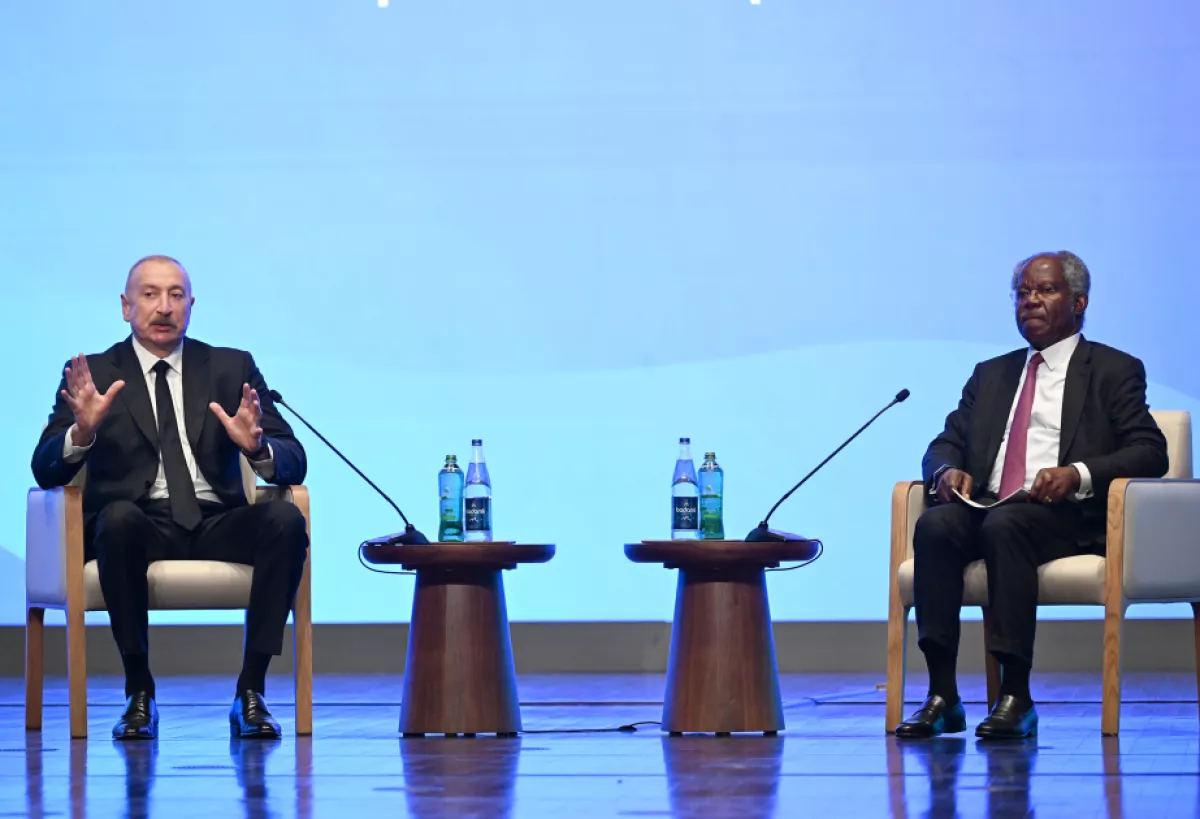
Speaking at the forum, President Ilham Aliyev identified the development of solar and wind energy as one of Azerbaijan’s key economic priorities for the next five years. According to the president, expanding renewable energy will help reduce domestic consumption of natural gas, freeing up more gas for export.
A number of agreements were signed with major international companies during the forum. One of the most significant was the decision to proceed with the full-scale development of the Absheron gas field. Agreements were also reached on new projects in oil and gas, digital technologies and industry.
Through these initiatives, Azerbaijan is seeking to attract new investment, expand gas production and strengthen its position in international energy markets. At the same time, the scope of cooperation is extending beyond the energy sector, creating additional opportunities for broader economic development.
US–China
The 81st session of the UN General Assembly is currently under way in New York.
The session has already been marked by high-profile speeches by US President Donald Trump and Iranian President Masoud Pezeshkian, a video address by Palestinian President Mahmoud Abbas after he was unable to obtain a US visa, and a walkout by several countries during Israeli Prime Minister Benjamin Netanyahu’s speech.
At the same time, all these events took place within the walls of the UN, while reflecting the profound crisis in international relations today, also — and largely because of this very factor — do little to help the organisation overcome its long-standing crisis of effectiveness.
Interestingly, Chinese President Xi Jinping skipped the events in New York. Instead, he travelled directly to Washington for an official state visit and face-to-face talks with US President Donald Trump.
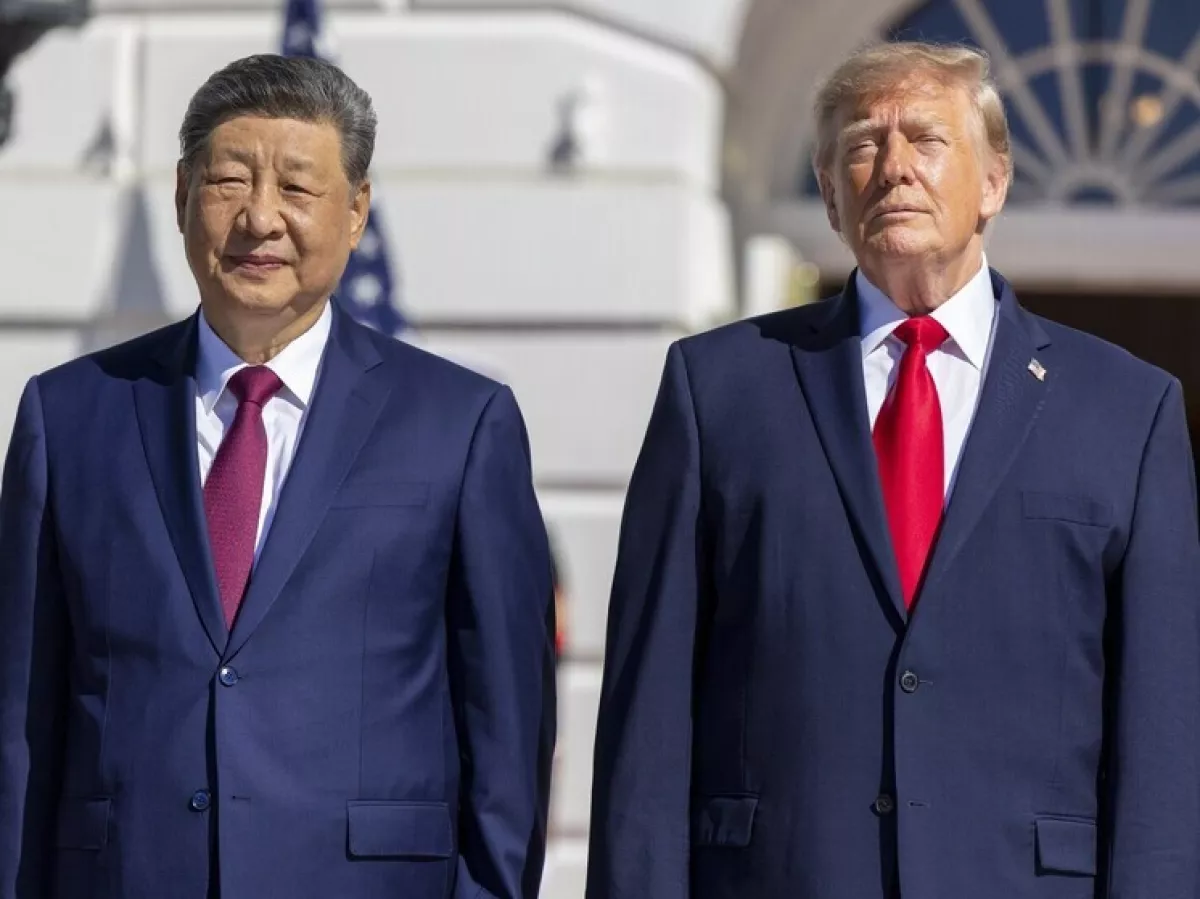
International analysts were quick to note that Xi’s decision underscored the priority being given to bilateral diplomacy between the two superpowers over the UN’s multilateral platform.
Indeed, Xi Jinping’s visit to the United States became the central event of the week, as the trajectory of US–China relations will have a profound impact on global affairs in the decades ahead.
Trump’s meeting with Xi in Washington took place against the backdrop of continuing strategic rivalry between the United States and China. Trump nevertheless placed considerable emphasis on his personal relationship with the Chinese leader, arranging a lavish welcome and, most notably, travelling personally to Joint Base Andrews to receive his guest.
It is worth noting that, throughout modern US history, presidents have personally gone to the airport to receive foreign leaders only on a handful of occasions. Behind closed doors, the two leaders discussed tariffs, supplies of rare-earth metals, US exports to China, Taiwan, artificial intelligence and international crises.
However, there was no major convergence of positions on the principal contentious issues. The main practical outcome was an extension of the trade truce until January 2027. The other agreements reached so far appear to represent more a continuation of dialogue than a resolution of the problems that have accumulated between the two countries.
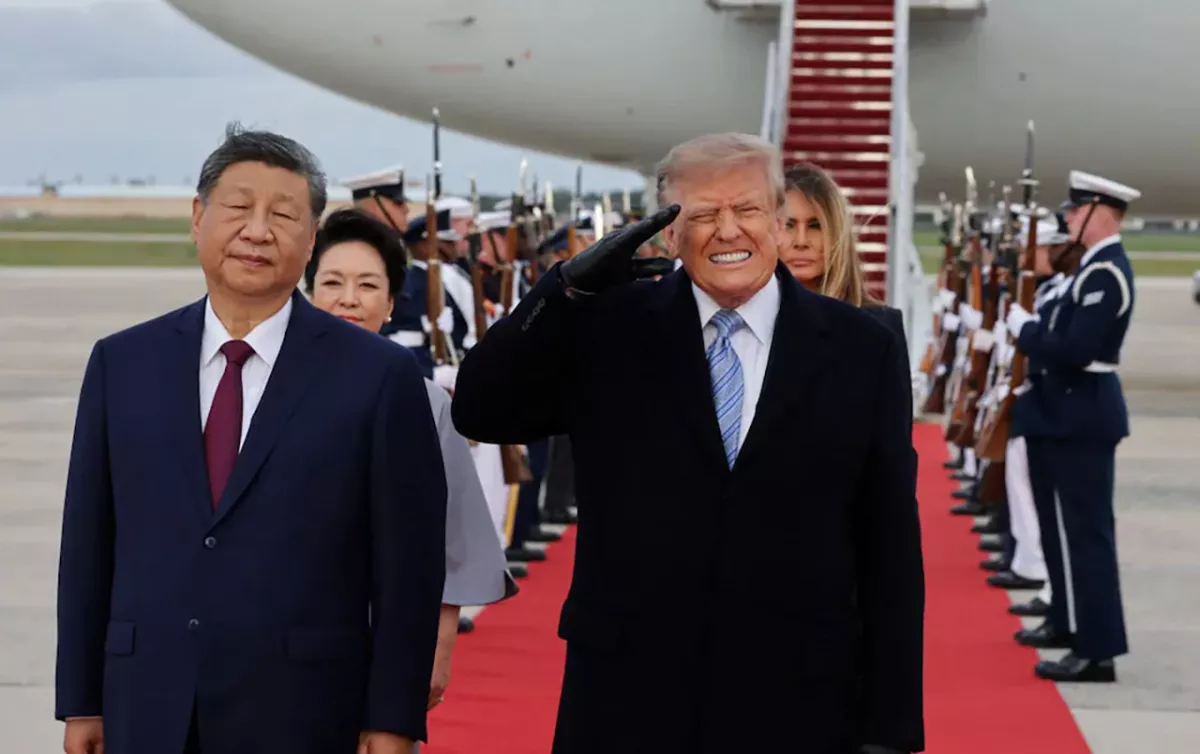
Perhaps this is the summit’s main takeaway: Washington and Beijing are still seeking ways to manage their rivalry without allowing it to escalate into direct confrontation, with personal diplomacy between Trump and Xi emerging as one of the tools for doing so.
So far, the two leaders appear to be making some headway. A telling moment came during the meeting when the usually impassive Chinese leader was seen bursting into laughter. This happened when Trump, showing his guest a gallery of US presidents, pointed to a photograph of an autopen that, at the 47th president’s initiative, had replaced the portrait of the 46th president.
Indeed, perhaps few things unite Xi and Trump more than their shared dislike of the liberal camp. Whether that will be enough to resolve the deep-seated contradictions between the two superpowers, however, remains to be seen.







 editor@caliber.az
 +994 55 444-88-98
 Азербайджан, Баку, ул. Низами, 203, Af Business House, 5-й этаж