










Green investment wave: What does Azerbaijan offer investors? Overview by Khazar Akhundov
In recent years, Azerbaijan has accelerated its transition towards Industry 4.0, while the development of its energy and transport infrastructure has increasingly been driven by digital and “green” technologies. These priorities are playing a growing role in shaping the future of the country’s non-oil economy and strengthening its contribution to GDP growth. At the same time, Azerbaijan is aligning its capital mobilisation mechanisms with this strategy, making the attraction of foreign direct investment (FDI), advanced technologies and know-how a key priority. The progress is already evident. At the recently concluded II Azerbaijan International Investment Forum (AIIF 2026), 23 agreements were signed covering potential investment projects worth more than $10 billion.
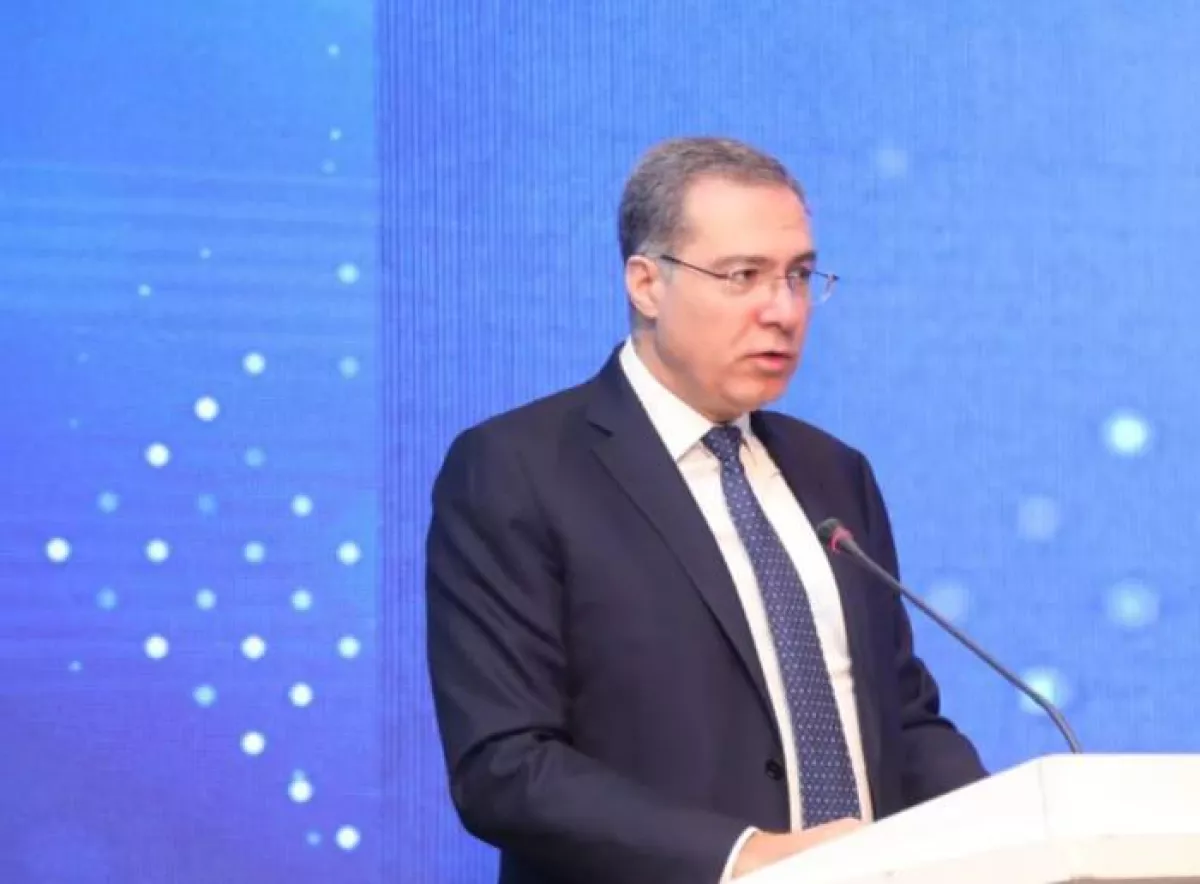
As Shahmar Movsumov, Assistant to the President of the Republic of Azerbaijan and Head of the Department for Economic Affairs and Innovation Development Policy at the Presidential Administration of the Republic of Azerbaijan, stated, “The agreements signed as part of AIIF 2026 cover potential investments worth approximately $10.8 billion.” He also stressed that the combined capitalisation of the largest investment funds represented at the forum is estimated at more than $30 trillion, and that these institutions are considering all possible options for investing in Azerbaijan.
According to the presidential aide, specific projects to receive investment will be identified in the future, while the forum laid a foundation for larger-scale projects, particularly in the areas of digitalisation and transformation. He further noted that the availability of affordable and “green” energy in the country is an important advantage for the development of data centres in Azerbaijan.
Meanwhile, during AIIF 2026, Nouriel Roubini, CEO of New York-based consulting firm Roubini Macro Associates, said: “We are at the centre of one of the largest technological innovation processes in human history – the development of artificial intelligence (AI) and the technologies of the future. And this is not only about the US and China; there are many other countries working in AI hardware and participating in the supply chains for the raw materials and energy needed to fuel the investment boom.”

Thus, the CEO’s remarks suggest that opportunities to participate in the global division of labour and attract investment into the innovation sector are available not only to developed powers but also to other countries willing to make the right strategic choice. To understand the scale of these opportunities, consider data from a report by the United Nations Conference on Trade and Development (UNCTAD), which states that more than one-fifth of the value of all investment projects worldwide in 2025 went to high-tech sectors. In particular, more than $270 billion was invested in the construction of data centres alone.
Against this backdrop, it is crucial for Azerbaijan to capture a share of the global investment flow into this sector. The country has considerable advantages in this regard, one of which is its ability to generate relatively cheap electricity from alternative energy sources, which is particularly important for the profitable operation of the highly energy-intensive infrastructure of data centres.
Another advantage is Azerbaijan’s robust internet infrastructure and the near completion of the Azerbaijan–Kazakhstan Trans-Caspian Fibre-Optic Cable project between Sumgayit and Aktau. The 380-kilometre subsea cable has a capacity of 400 Tbit/s, enabling large volumes of data to be transmitted at high speeds. This is a highly significant factor in supporting future cloud infrastructure designed to meet the needs of the entire Caspian region.

Taken together, this potential creates favourable conditions for attracting foreign investors and expertise in digital services, including artificial intelligence. In this context, it is worth noting that substantive negotiations on the subject have been held with Global Infrastructure Partners (GIP) and Dell Technologies. Moreover, this area became a key component of the “Charter on Strategic Partnership between the Government of the Republic of Azerbaijan and the Government of the United States of America”, signed in February 2026. At the same time, during AIIF 2026, held in the Azerbaijani capital, interest in AI investment was expressed by BlackRock, one of the world’s leading asset management companies.
Overall, the agenda of the event and the investment documents signed there once again confirmed the priority of the digital economy and renewable energy sectors in expanding FDI in Azerbaijan. As Valerio De Molli, CEO of leading Italian think tank TEHA Group, stated, “Azerbaijan’s attractiveness to foreign investors in the region, the development of digital infrastructure and the formulation of an AI strategy are key factors expanding the country’s investment opportunities.” He particularly emphasised that the region’s two largest data centres are located in Azerbaijan, 99% of households have access to fibre-optic broadband Internet, the country is among those worldwide experiencing the fastest growth in the number of scientific publications, and it was the first in the region to develop an Artificial Intelligence Strategy.
An equally attractive investment environment is emerging in the green energy sector, as noted by forum participant Tariq Mahmood Ahmad, a member of the UK House of Lords: “Yes, oil and gas are important, but investment is also being directed into renewable energy.” According to him, AIIF 2026 demonstrates Azerbaijan’s openness to the world and its efforts during the transformation process, creating real prospects for investment cooperation in renewable energy, technology, transport systems and the expansion of electric mobility.
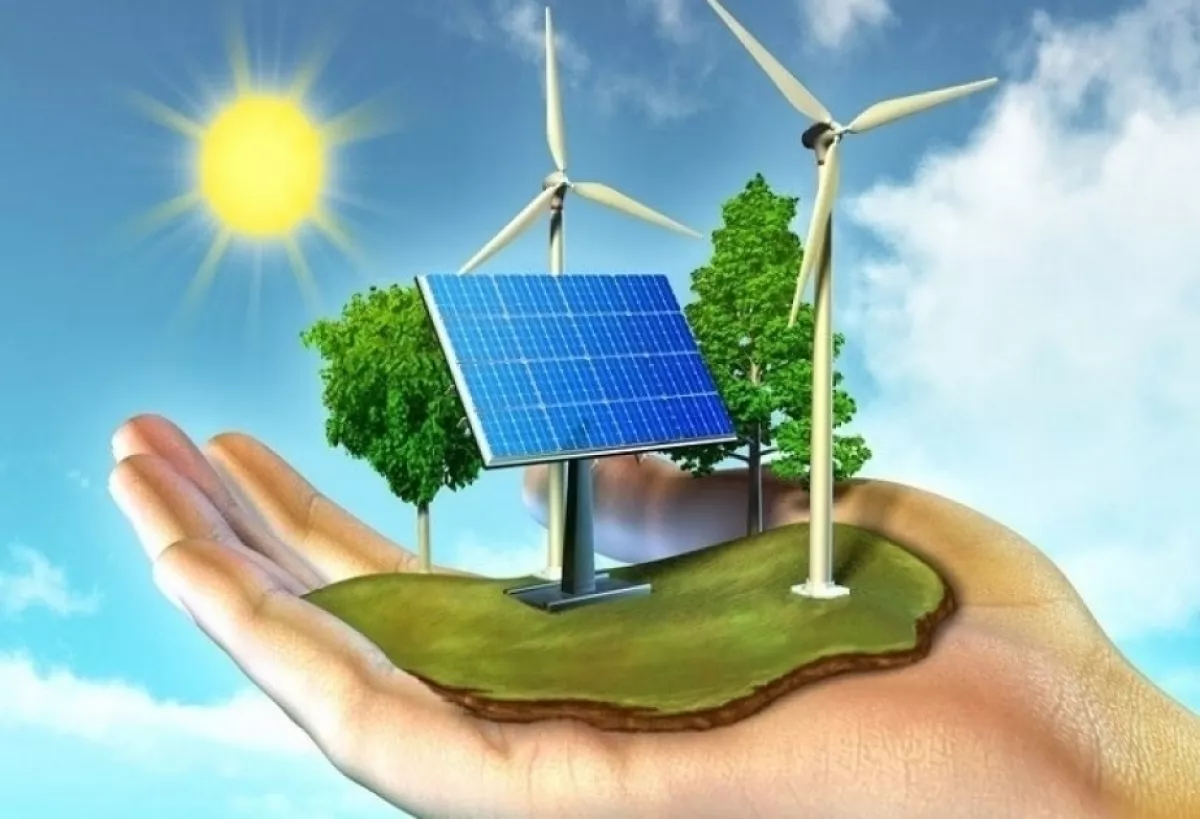
Azerbaijan’s “green” natural resources are being developed in stages, and renewable energy generation already accounts for approximately 20.8% of the country’s total installed power capacity. These projects are being implemented primarily with financial and technical support from companies from the Gulf states, China, the United Kingdom and Türkiye. According to estimates by the Ministry of Energy, by 2027, investment in the construction of 11 solar and wind power plants will exceed $2.7 billion, adding another 2 GW of capacity to Azerbaijan’s power system, while this potential is expected to increase to 8 GW by 2032.
At the same time, European companies also expressed interest in Azerbaijan’s renewable energy sector during AIIF 2026. Germany’s Skyborn Renewables is exploring investment opportunities in offshore wind energy in Azerbaijan and, according to its CEO Patrick Lammers, preliminary discussions with Azerbaijani officials were held on the sidelines of the forum.
The event also featured dynamic discussions on the establishment of a new energy interconnector with the countries of Central Asia. As Deputy Minister of Energy Orkhan Zeynalov emphasised, Azerbaijan, Kazakhstan, Uzbekistan and Turkmenistan could become major hubs for supplying affordable energy to the European market by developing infrastructure for the transit of “green” resources. EU financial institutions have expressed investment interest in these initiatives, while the Asian Development Bank, together with the Asian Infrastructure Investment Bank, is supporting the preparation of a feasibility study for the Caspian “Green” Energy Corridor project.
Thus, AIIF 2026 demonstrated the considerable potential for developing an innovation-driven economy in Azerbaijan. According to Sevil Yahyayeva, Adviser to the Executive Director of the Azerbaijan Export and Investment Promotion Agency (AZPROMO), the next stage will involve not only increasing FDI volumes but also improving the quality and strategic focus of investments. Successfully addressing these objectives requires training local specialists, developing suppliers, building engineering and management capabilities, and gradually localising more sophisticated functions. This would enhance the long-term impact through technology transfer and the active integration of Azerbaijani companies into global value chains.







 editor@caliber.az
 +994 55 444-88-98
 Азербайджан, Баку, ул. Низами, 203, Af Business House, 5-й этаж