










“Your wars — without us”: German youth rise up against conscription Analysis by Limansky
The law on a new military service system, which came into force in January this year, has sparked a mixed reaction in German society. And young people were the first to respond to it. But not in the way the government would have wanted.
Peace for Germany
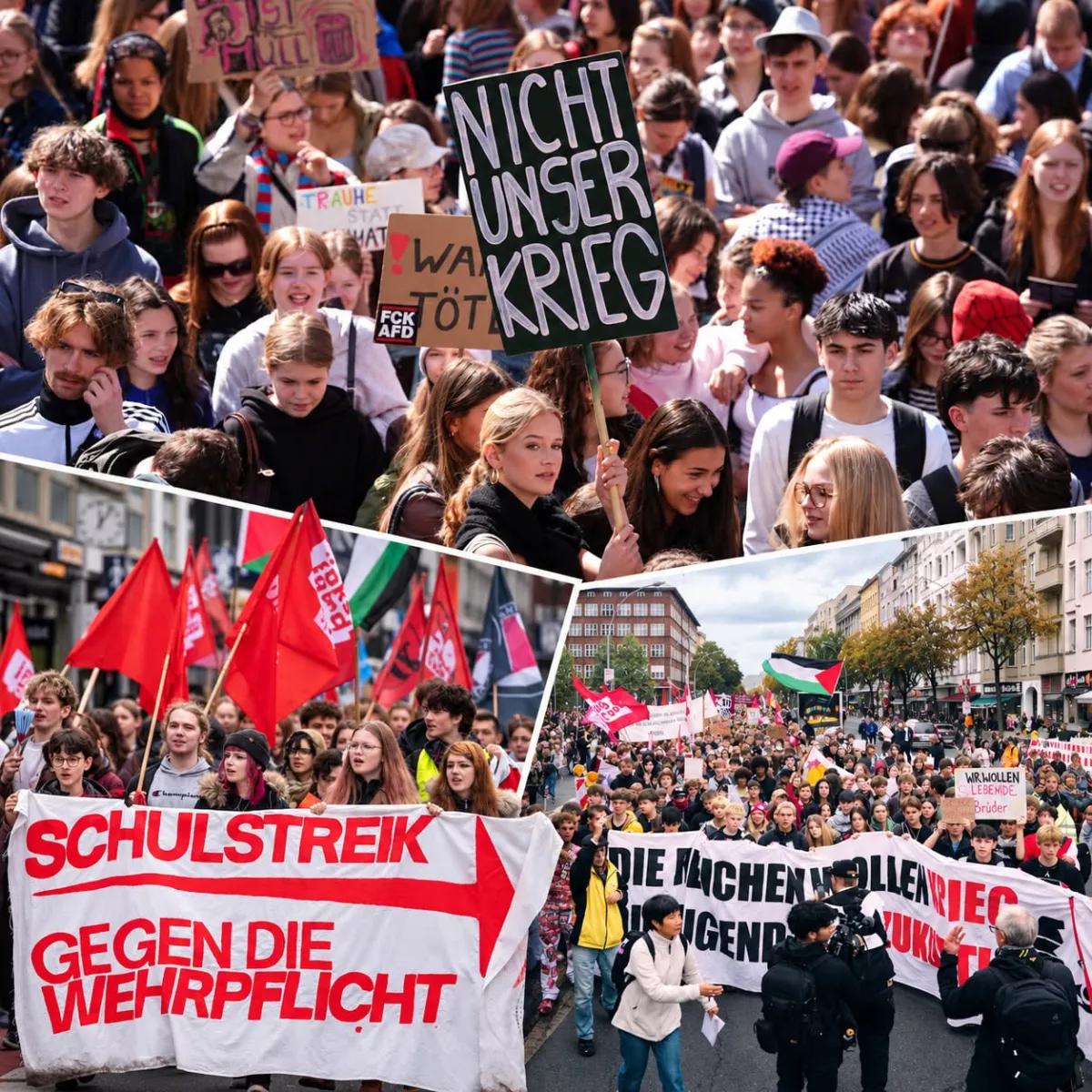
On September 25, students across Germany took to the streets to protest the introduction of conscription into the Bundeswehr and mandatory military medical examinations. According to the organisers, around 45,000 people had joined the “School Strike Against Conscription” by noon. In Berlin, 7,000 people took part in a demonstration in the Wedding district alone, while 6,000 participated in Hamburg. Students and schoolchildren also organised demonstrations and rallies in Frankfurt am Main, Munich, Stuttgart, Nuremberg, Chemnitz, Dresden, Erfurt, Halle and Leipzig — in more than 100 German cities in total.
Participants in the nationwide protests opposed the possible return of compulsory military service in the Bundeswehr, the introduction of mandatory civilian service, and the “Red Storm Charlie” exercises being held in Hamburg. As part of the drills, the military, police and civilian authorities practised joint operations to protect the port’s critical infrastructure, respond to acts of sabotage and ensure NATO logistics in the event of an external military crisis.
Another demand was an end to cuts in funding for education and social services, which are taking place against the backdrop of Germany’s record military budget for 2027, increased by 30% compared with the previous year.
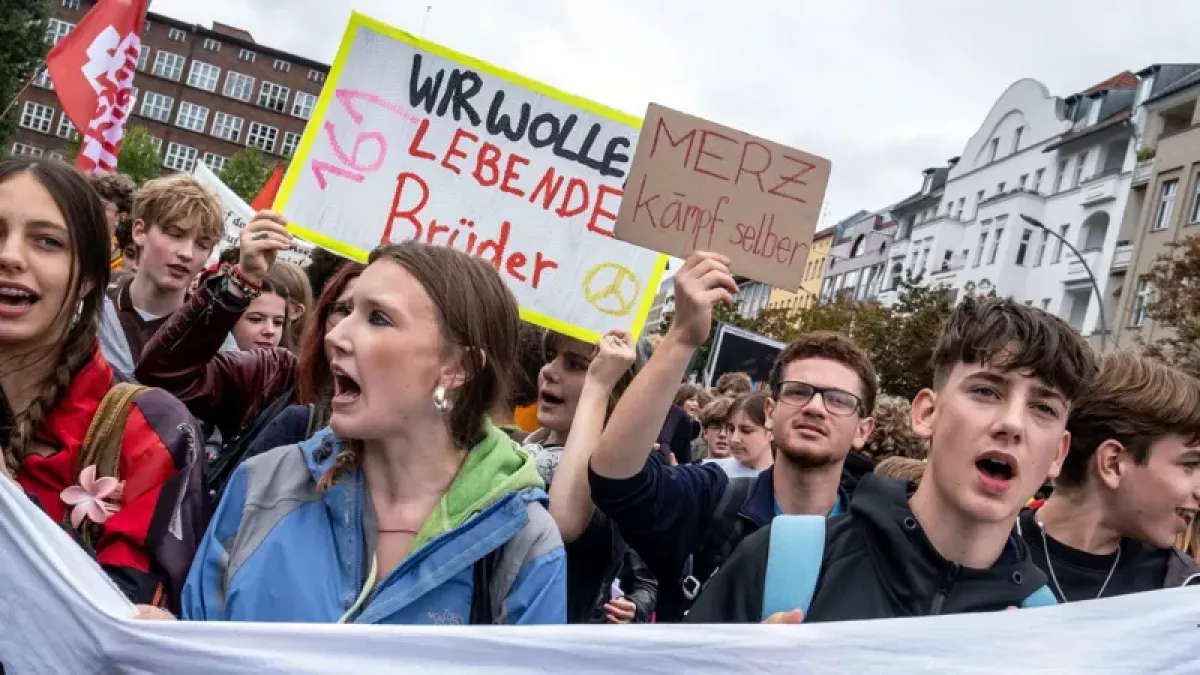
Protesters carried banners and placards reading, “We don’t want war”, “War on war”, “Russia is not our devil”, “Your wars, without us”, “Against your rearmament — for our peace”, and “Education, not weapons”. They also chanted slogans such as, “Not a single person, not a single cent for the Bundeswehr”, “More weapons will not bring peace”, and “Friedrich Merz to the Eastern Front!” Protesters called for peace in all regions of the world, from the Middle East to Russia and Ukraine.
Speakers at the rallies sharply criticised the stoking of war hysteria, the militarisation of Germany and the propaganda for war, which they said were fundamentally changing society’s priorities. They argued that funds being diverted from social services and education to military needs were also being taken away from the future of the younger generation.
One of the participants speaking in Halle described as particularly cynical the attempt to portray the involvement of women in military service as an achievement in the struggle for their rights: “Now we women are finally allowed to die on the front line. This is what equality looks like.”
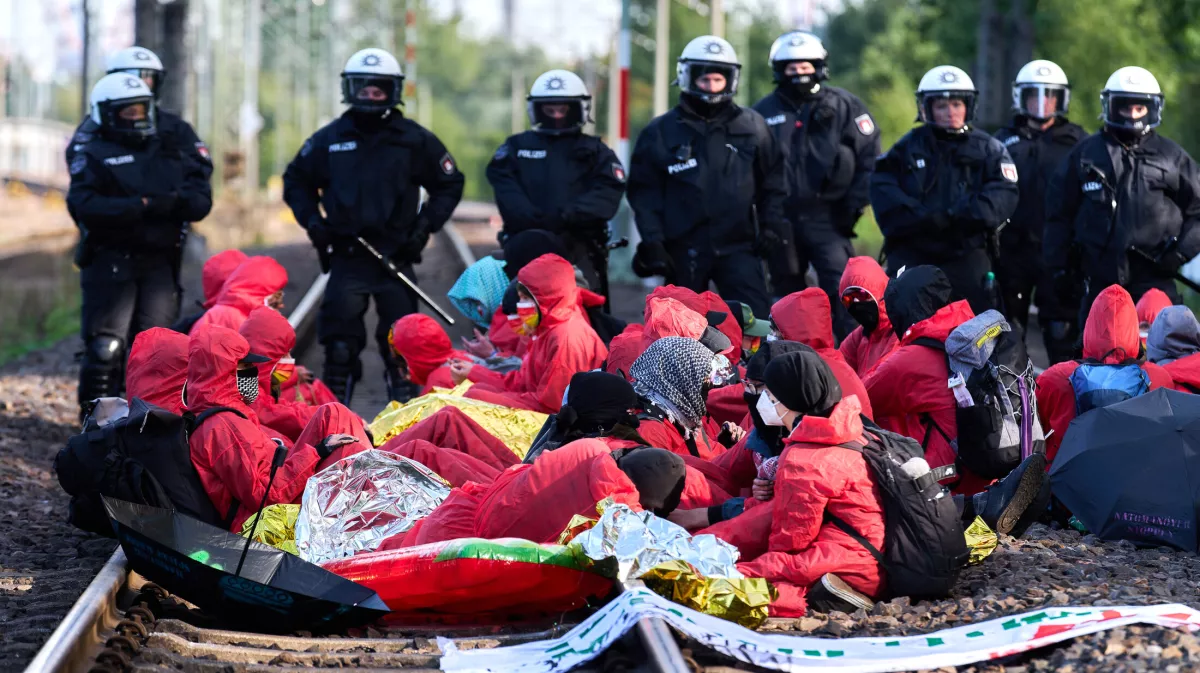
Meanwhile, in Hamburg, the anti-war alliance “Rheinmetall Disarm” staged an action during which around 80 activists blocked railway tracks leading to the port, where NATO military equipment is normally loaded.
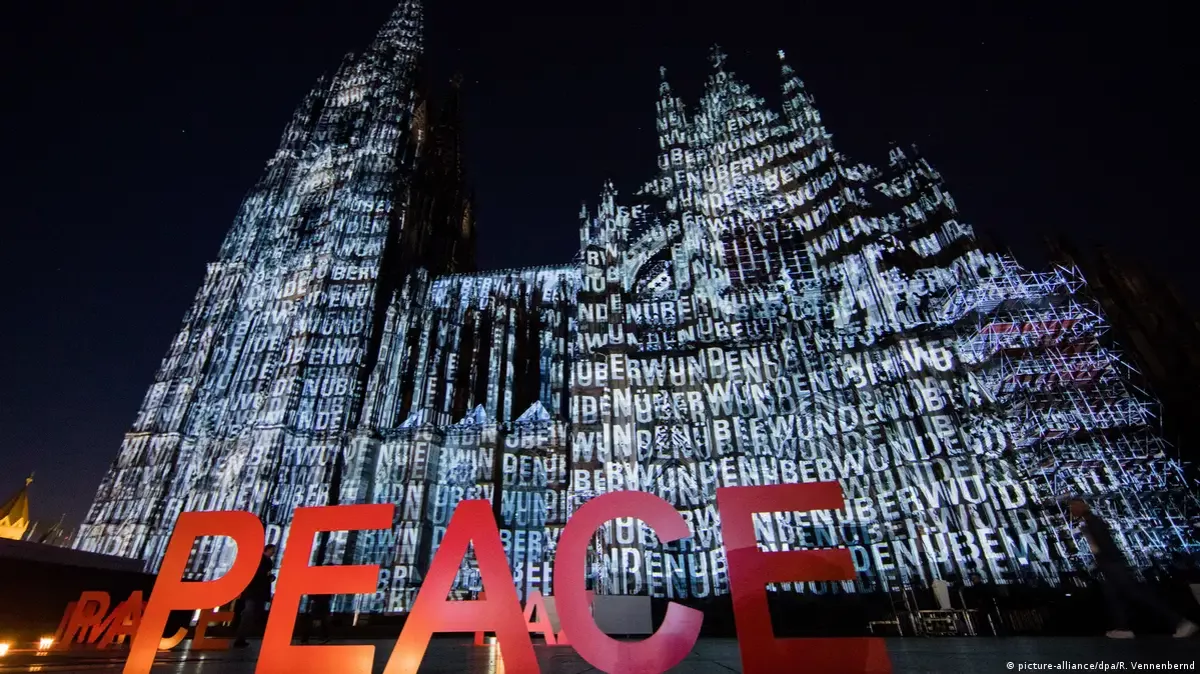
At a rally in Cologne, Lela, an activist with the Socialist German Workers’ Youth, said: “We know who profits from war: when military vehicles roll off Volkswagen’s assembly lines again, while Thyssen, Krupp and Rheinmetall post record profits. These big corporations are lining their pockets while we sit in dilapidated schools. But it won’t be the children of Rheinmetall’s bosses lying in the trenches. They will leave the dying to us.” Some protesters also publicly destroyed their conscription notices. Near the famous Cologne Cathedral, activists laid out the word “Peace” in huge letters.
According to police, the street protests were largely peaceful. However, several arrests were made in Berlin.
War propaganda and anti-war actions
Universal military conscription was abolished in Germany in 2011. However, the new law that came into force this year effectively restores compulsory military service. If targets for increasing the Bundeswehr’s personnel strength are not met, compulsory recruitment among young people of conscription age is to be introduced. The new system also introduces military registration and mandatory medical examinations for potential conscripts.
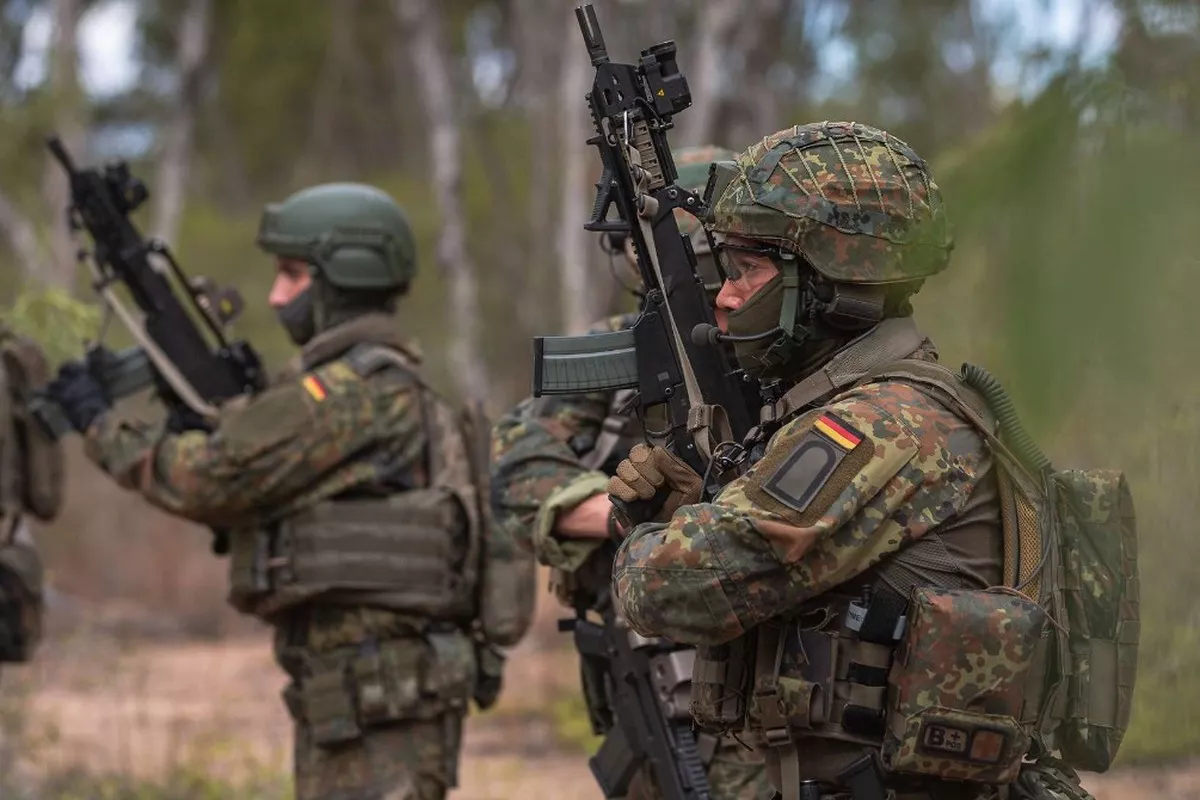
Since the beginning of the year, questionnaires have been sent to young people turning 18. They are required to provide personal information and answer a question about their willingness to serve in the military. For men, completing the questionnaires is mandatory, while women fill them in voluntarily. Undergoing a military medical examination is also mandatory for men. From mid-January to the end of August, more than 451,000 such questionnaires were sent out for military registration.
By 2035, Germany plans to increase the Bundeswehr’s personnel strength to between 255,000 and 270,000. This year’s target has been met: the German military currently has 186,000 service members of both sexes. This is the highest figure in the past 13 years.
Despite this, and contrary to previous assurances that conscription would not begin until July 2027, the Defence Ministry has already launched the conscription process for around 1,000 people. The Berliner Zeitung reports that young people in Kiel and Flensburg began receiving call-up notices as early as July. According to the organisers of the “School Strike Against Conscription”, the Defence Ministry confirmed on September 18 that the process of recruiting conscripts into the Bundeswehr had begun.
However, the conscription procedure has yet to be clearly defined and currently remains somewhat opaque. The notices merely state that their recipients are being summoned for a medical examination as part of the recruitment process. But those who fail to appear have reportedly been warned by phone that the police would come to their homes. Meanwhile, around 1,000 young people who indicated in the aforementioned questionnaire that they had no interest whatsoever in military service have already received court summonses.
The conscription drive might already be more extensive, but Germany currently lacks the necessary infrastructure. The local military recruitment offices were abolished back in 2011. For now, the process is being handled by the Bundeswehr’s recruitment and career centres.
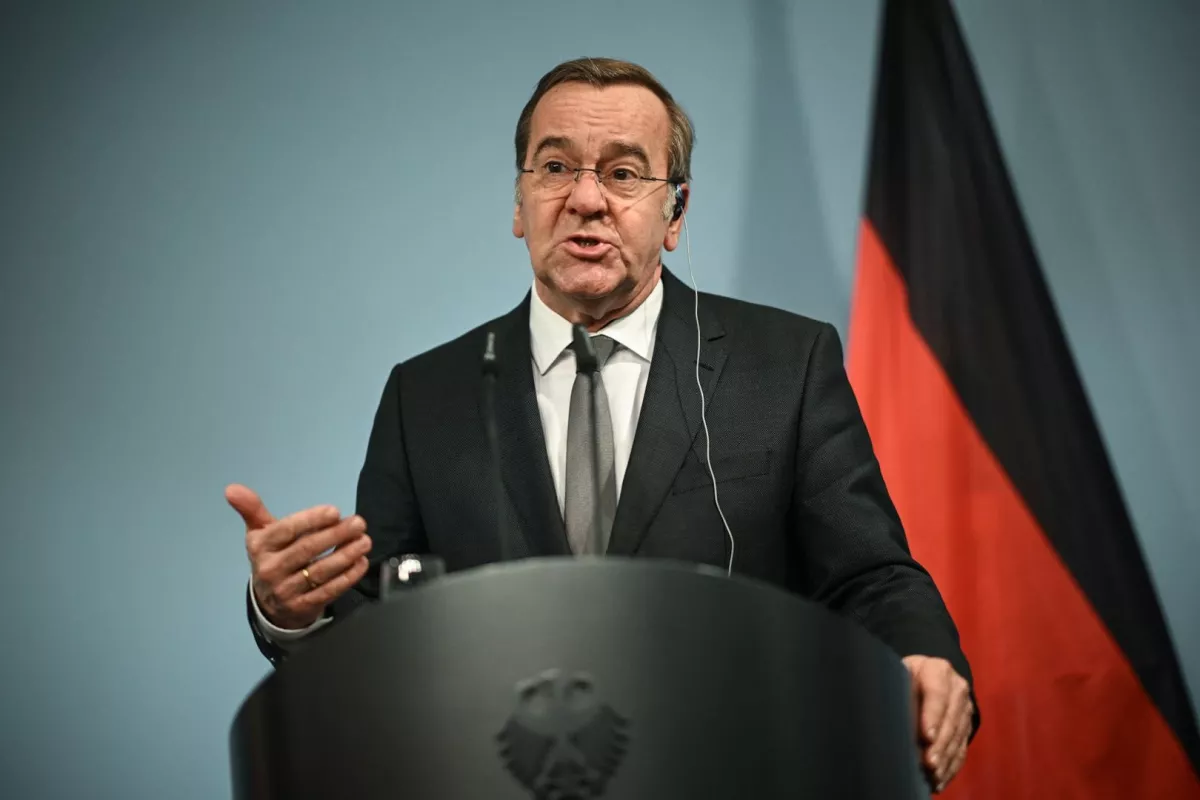
The Bundeswehr is conducting a proactive recruitment campaign, producing colourful promotional videos, while officers visit schools. At the same time, Defence Minister Boris Pistorius said on September 22 that soldiers of diverse sexual orientations were also welcome in the armed forces and that “diversity is strength”.
However, sociological surveys show that a large proportion of young Germans do not want to serve in the Bundeswehr. Even survey data show that only 34% of young men and 17% of young women aged 16 to 29 have a moderate or strong interest in military service. Only 20% of young men can imagine themselves serving as soldiers.
Nevertheless, the intensive military propaganda is producing results: 59% of the population as a whole consider the new military service system based on conscription necessary, up 6 percentage points from a year ago. Representatives of the anti-war movement said they intend to continue striking until the possibility of military conscription is abolished.
Children of different nations against war
The national strike against conscription into the Bundeswehr was organised by school committees. Activists from a number of left-wing youth organisations and groups, as well as anti-fascists, pacifists and environmentalists, are also taking part. However, it would be wrong to portray all participants in the anti-war demonstrations as “left-wing radicals”: many of those who joined the protests are ordinary young people who had previously been unaffiliated with either the political left or any other political circles.
At the same time, most major mainstream parties did not support the protests, with the exceptions of the left-populist Sahra Wagenknecht Alliance and Die Linke. Sahra Wagenknecht described the new conscription model, which will include elements of a lottery, as “Russian roulette”. The Wagenknecht party’s youth organisation was one of the co-organisers of the nationwide school strike. At the same time, the Sahra Wagenknecht Alliance is not fundamentally opposed to the German military.
The Greens, which entered the political scene back in the 1980s as an explicitly pacifist force, now vote in favour of the defence budget. Participants in the current protests have also directed criticism at left-wing parties that are or have been in government — the Greens and the SPD.

The Left Party (Die Linke) also came in for criticism, with protesters accusing it of supporting military spending. However, Die Linke MPs in the Bundestag voted against the law on the “new” military service system based on conscription, while the party itself expressed solidarity with the anti-war demands of the school committees.
The far-right Alternative for Germany (AfD), meanwhile, which often seeks to capitalise on the anti-war sentiments of a significant part of its electorate, did not support the school strike. The right-wing populists did, however, say that they shared the substance of the students’ demands and their concerns.
This is already the fourth nationwide school strike against war. It should be noted, however, that while 55,000 people took part in the first strike in December 2025, the third, held in May 2026, drew 45,000 demonstrators. The organisers attribute this decline to threats against participants made by the Federal Office for the Protection of the Constitution and the Federal Criminal Police Office (BKA).
The movement is becoming increasingly organised, with growing coordination among its activists. An international network has now been established, involving student committees from other European countries. On November 14–15, the fourth conference of the school committees will be held in Bonn, where plans for further actions will be discussed.

An international student strike under the slogan “Together Against War” is also scheduled for November 20, jointly with student committees from France, Spain, the United Kingdom and Italy.
Will this help prevent a major war looming in Europe? One thing, however, is clear: a significant proportion of those taking part in these protests oppose war, while the younger generation is showing a willingness to openly and actively defend its anti-war views.







 editor@caliber.az
 +994 55 444-88-98
 Азербайджан, Баку, ул. Низами, 203, Af Business House, 5-й этаж