










The boomerang effect What awaits Zelenskyy after the war and once he leaves office?
Ukrainian President Volodymyr Zelenskyy recently shared his vision of the future in an interview with The Wall Street Journal, saying quite literally: “It's about in the way that you can continue after the war and after this presidential job; you will continue living [in] your country, go through the streets, and nobody will want to kill you and hate you. And just because you've been like a piece of (censored), not a leader, and not a man.”
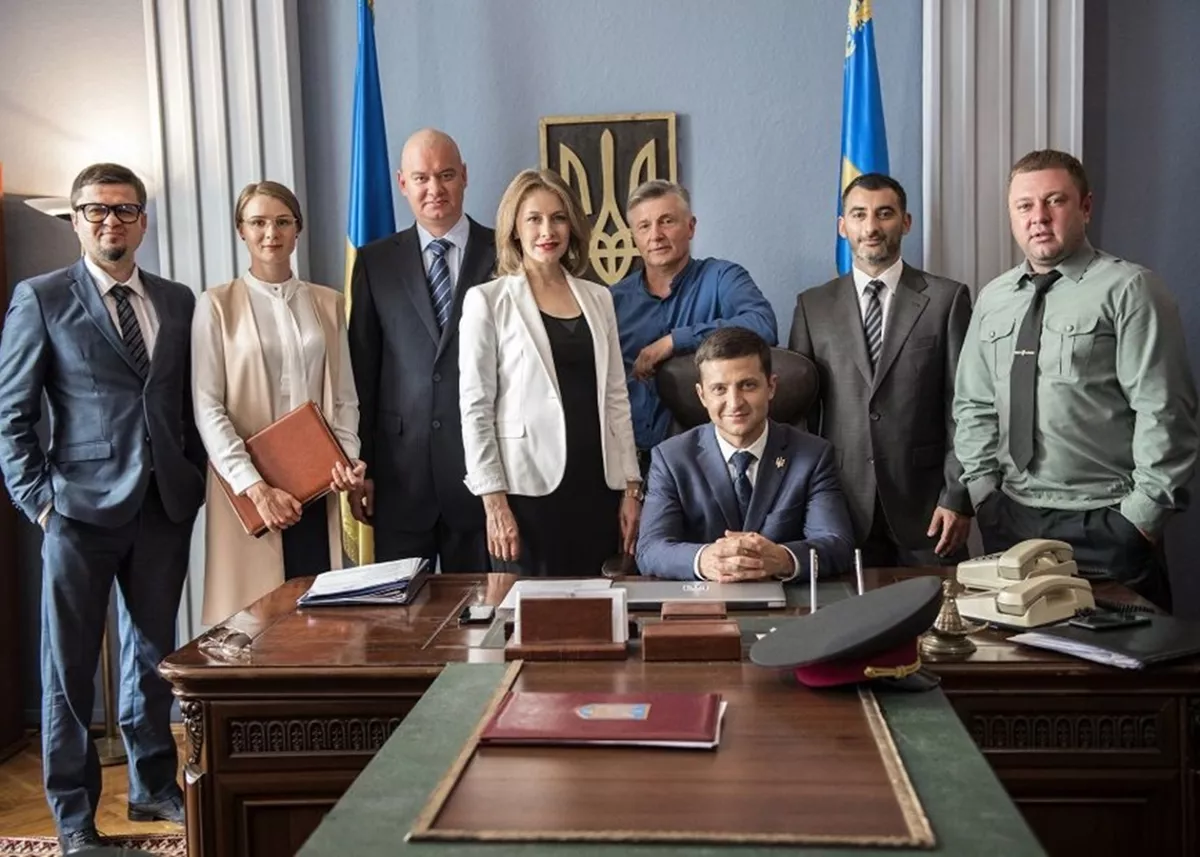
Indeed, the words are absolutely true. However, what fate actually awaits Zelenskyy after the war will be shown by time — which, in principle, has already demonstrated a great deal. For example, during the 2019 presidential campaign, he said in an interview with RBC-Ukraine that he wanted to “get rid of motorcades altogether.” This was part of the image of an ordinary schoolteacher, Holoborodko, from the TV series Servant of the People. After watching the series, millions of Ukrainians ultimately voted for Zelenskyy, thereby equating him with his on-screen character.
However, after taking over the country, Zelenskyy did not switch to a bicycle like Holoborodko, while reality as a whole proved to be considerably harsher than portrayed. This is also confirmed by the findings of a survey conducted by the Sociopolis research company from September 16 to 21, according to which 75.2% of Ukrainians believe that the level of corruption in the country has increased during the war. Moreover, 59% of respondents associate this negative development with the president and his entourage, while 54.7% blame members of parliament and the Verkhovna Rada, where, following the 2019 elections, the Servant of the People faction formed a single-party majority for the first time in the history of independent Ukraine.
At the same time, this verdict from the country's residents confirms the manipulative and biased nature of the findings of a recent study by the Kyiv International Institute of Sociology, which claimed that 54% of Ukrainian citizens trust the incumbent president. At first glance, such a figure appears to indicate unequivocal support for Zelenskyy, but, as they say, the devil is in the details: only 18% said they fully trusted the president, while 36% said they rather trusted him. Thus, what we have is a straightforward manipulation in which those who “rather trust” him were counted among those who “fully trust” him.
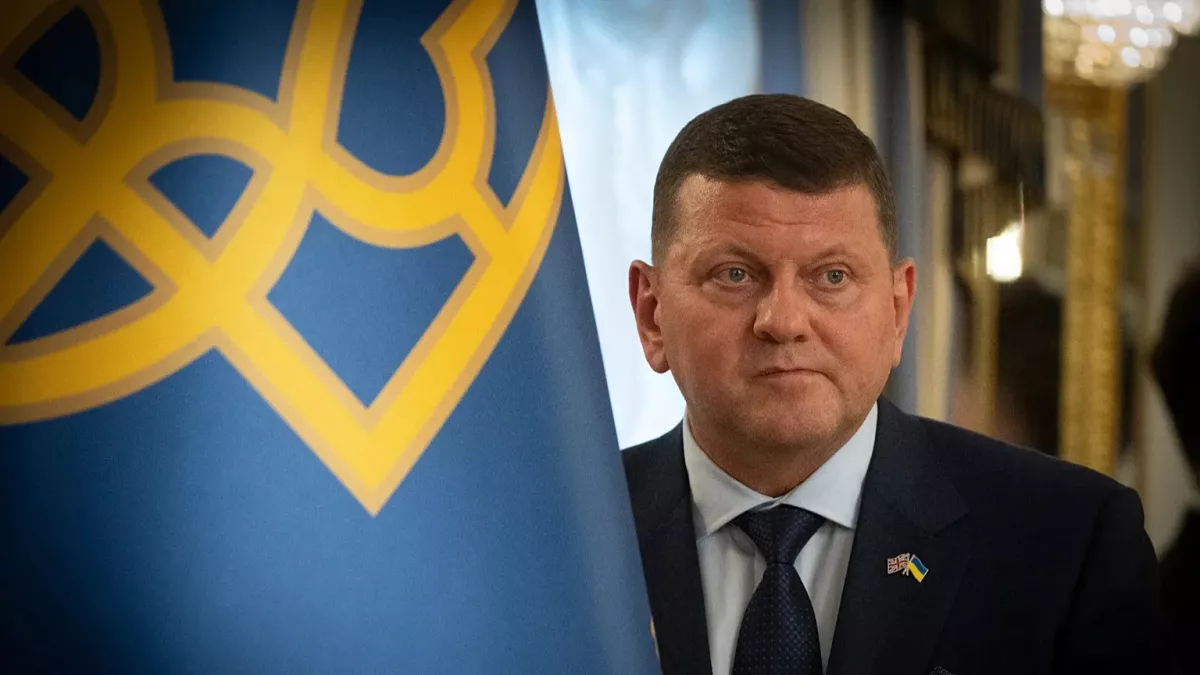
Following the publication of the Sociopolis poll results, the entire artificially constructed narrative put together by the Kyiv International Institute of Sociology came crashing down, not least because another highly significant detail came to light: if parliamentary elections had been held in the second half of September, the greatest support would have gone to a potential party of former Commander-in-Chief of the Armed Forces of Ukraine and current Ukrainian Ambassador to the United Kingdom Valerii Zaluzhnyi — 13.2%.
Meanwhile, 11.4% of respondents said they would be ready to vote for a potential party of Zelenskyy, while 11.1% would support Petro Poroshenko's European Solidarity. What is noteworthy here is that not only do the trust figures presented by KIIS fail to materialise, but there is not even any mention of the Servant of the People party. This makes it quite possible to conclude that this project, created exclusively for the 2019 elections, will burst like a soap bubble, with a potential Zelenskyy party emerging from the splashes.
In this context, it is worth recalling a statement by former Defence Minister Mykhailo Fedorov, made in an interview with Ukrainska Pravda, that the Ukrainian president had been ready to hold elections in June but abandoned the idea after it became known that Valerii Zaluzhnyi might take part. This inevitably brings to mind a quote from Zelenskyy's interview with the BBC HARDtalk programme on October 12, 2020: “I said immediately that I am not clinging to ratings or power. If I can't stop the war, then there needs to be a different person who will be able to end this tragic story between our countries.”
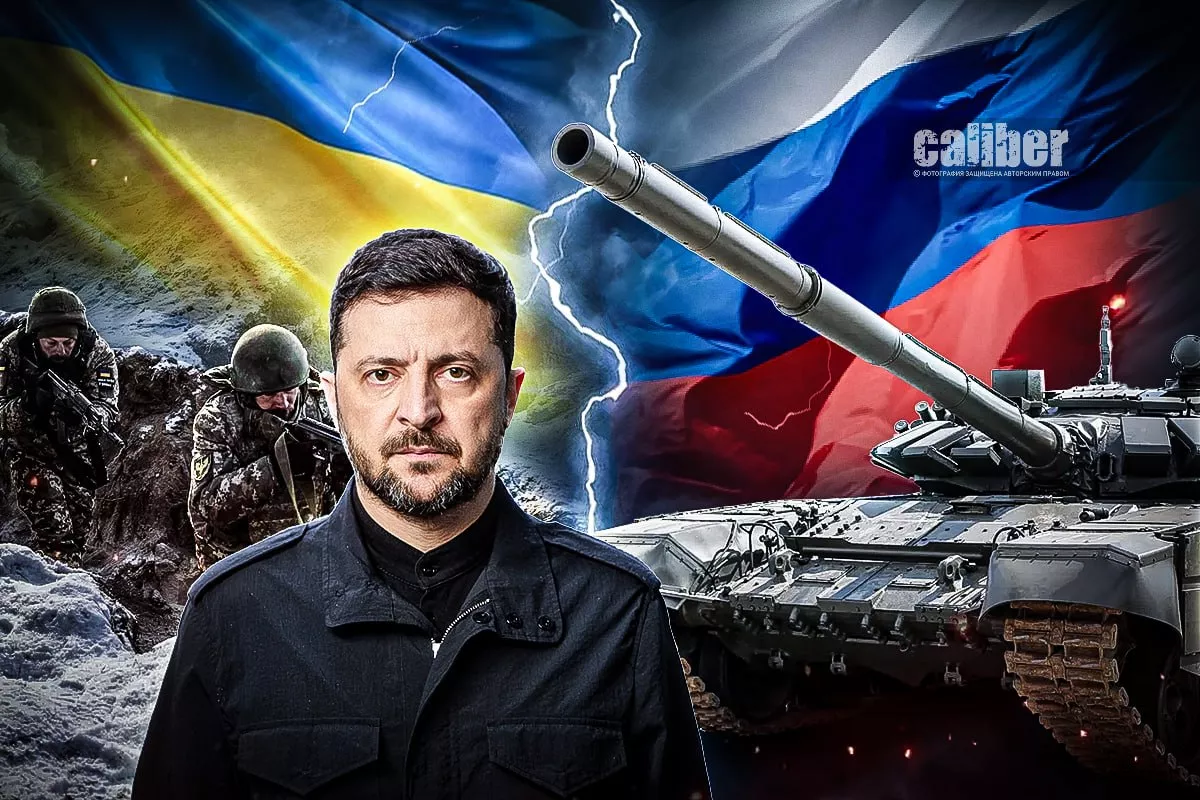
Zelenskyy has failed to end the war — that is a fact, and facts, as we know, are stubborn things. Yet this has in no way prevented him from remaining in the presidential office longer than any of his predecessors, while Fedorov's aforementioned statement turns his words about not clinging to ratings or power into little more than empty rhetoric. There is, however, a whole body of other evidence to support this. It is enough to recall the public attacks on Zaluzhnyi by MP Mariana Bezuhla, who, according to Ukrainian media reports, was acting on direct instructions from the Office of the President at the time it was headed by Andriy Yermak.
In my view, the retrospective outlined above undermines the vision of the future Zelenskyy presented in his interview with The Wall Street Journal. What happens in reality, it seems to me, could be very different indeed.







 editor@caliber.az
 +994 55 444-88-98
 Азербайджан, Баку, ул. Низами, 203, Af Business House, 5-й этаж