










Georgia’s heritage question: Why Azerbaijan, but not Armenia? Overview by Teymur Atayev
In recent days, an unexpected issue has emerged in Georgian-Azerbaijani relations — one that, seemingly, should not have become a subject of interstate discussion. The issue concerns the Kurmukh Church in Azerbaijan and a statement by the Patriarchate of the Georgian Orthodox Church regarding archaeological work being carried out near the site.
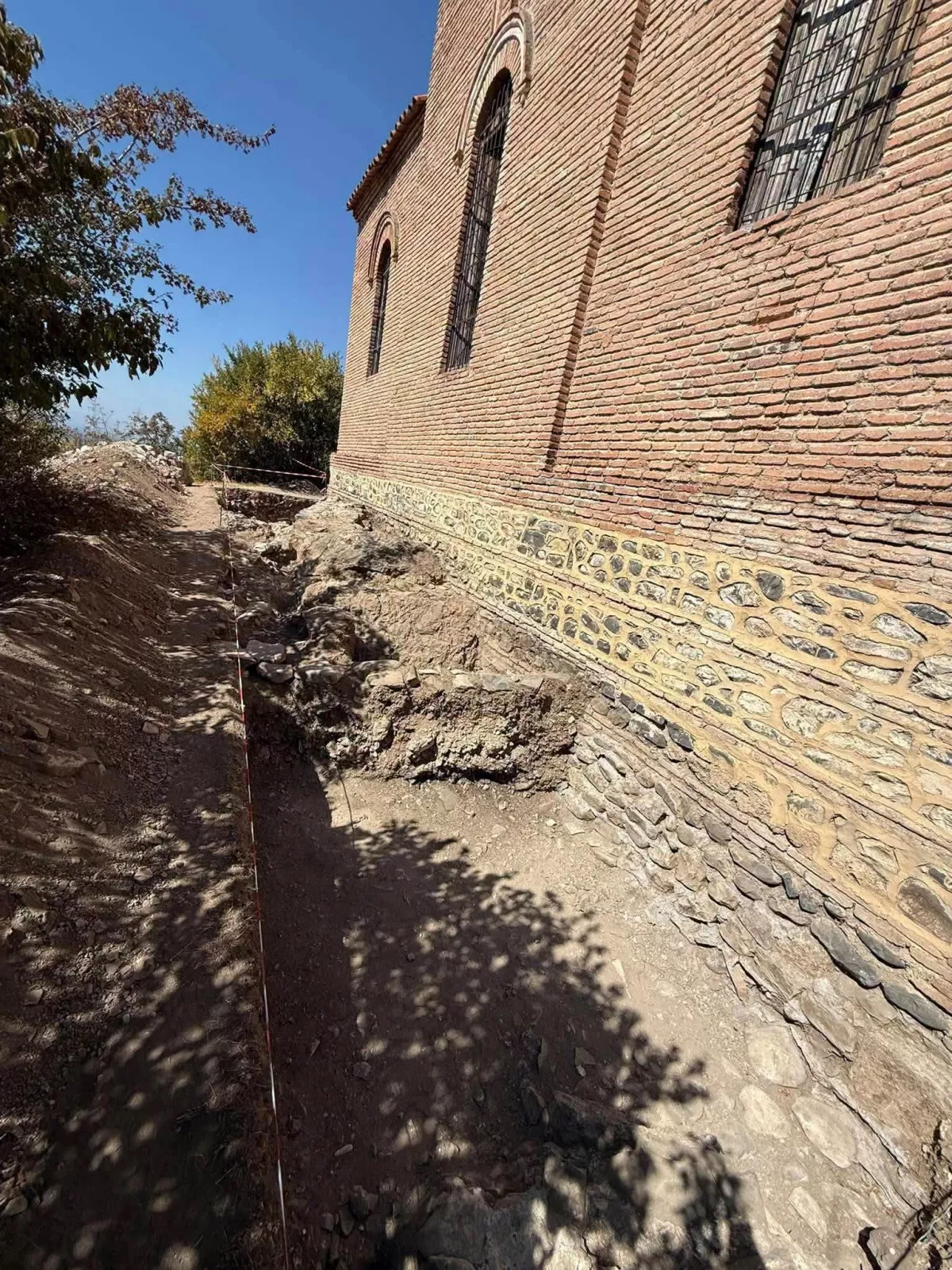
The Georgian Patriarchate stated that there had been “interference with the church and the surrounding area without coordination with the Georgian side”, and called on the Georgian authorities to respond. At the same time, the church and the surrounding area were presented in the context of Georgia’s historical and spiritual heritage.
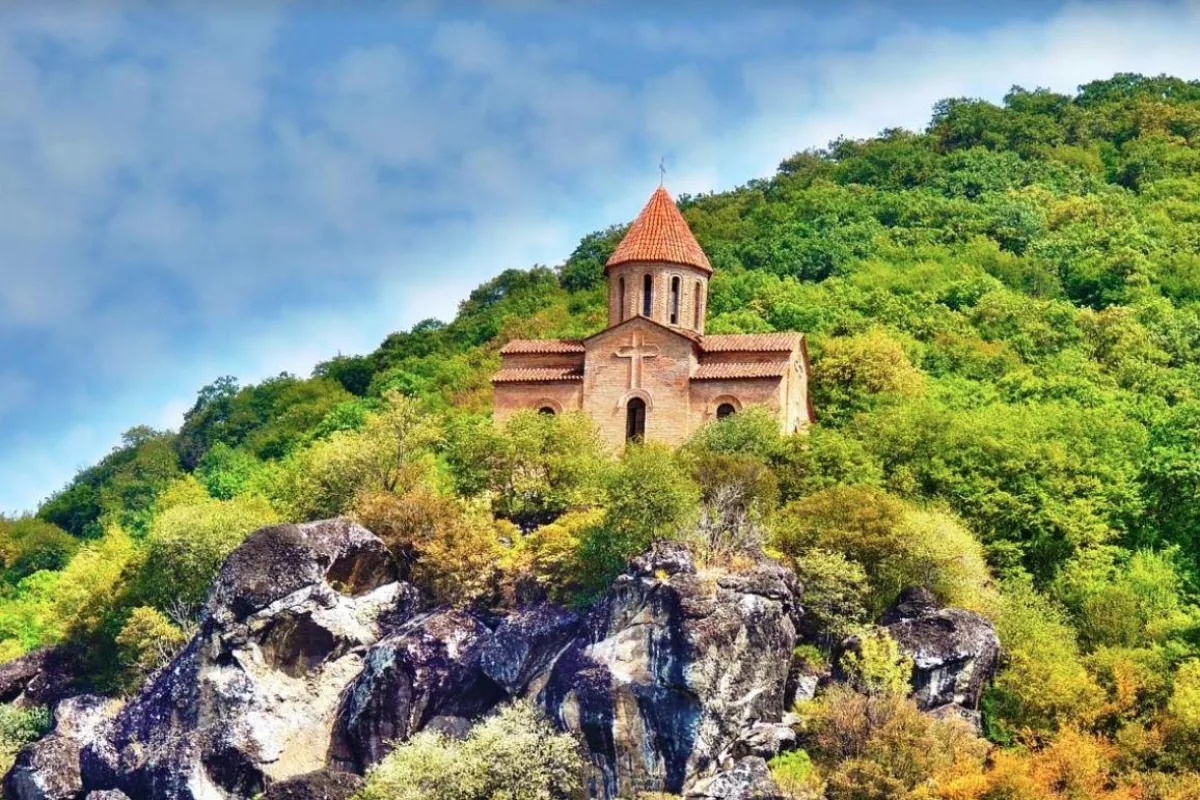
The issue here is not the preservation of the historical monument itself. The preservation of cultural and religious heritage is undoubtedly an important task. The question is different: why does the Patriarchate speak of the need to coordinate work with the “Georgian side” when the site in question is located on the territory of sovereign Azerbaijan?
This is precisely what Azerbaijan’s Foreign Ministry drew attention to. The ministry stressed the inadmissibility of presenting geographical and historical place names located on the territory of Azerbaijan under other names. The statement also noted that such approaches run counter to the spirit of partnership and good-neighbourly relations between Azerbaijan and Georgia. Particularly noteworthy is the fact that Azerbaijan’s Foreign Ministry specifically called on Georgia not to repeat the “well-known approaches of the Armenian Church”.
This part of the statement deserves particular attention because if the Georgian Patriarchate is indeed guided primarily by the need to protect Georgian cultural and religious heritage, a perfectly legitimate question arises: how consistently does it apply this principle?
To answer it, one need not turn to political statements by Azerbaijan, but rather to a document prepared by Georgian organisations themselves.
In 2023, as part of a review of Armenia’s implementation of the International Covenant on Economic, Social and Cultural Rights, a document was submitted by the Caucasus Center for Human Rights Monitoring (CCHRM) and the Caucasus International Centre for Research on Geohistory and Geopolitics.
The authors of the document raised concerns about the condition of Georgian cultural and religious heritage in Armenia. In particular, it was claimed that “along with the loss of cultural and historical monuments and place names”, the Georgian ethnic community’s right to preserve its own culture is gradually being eroded.
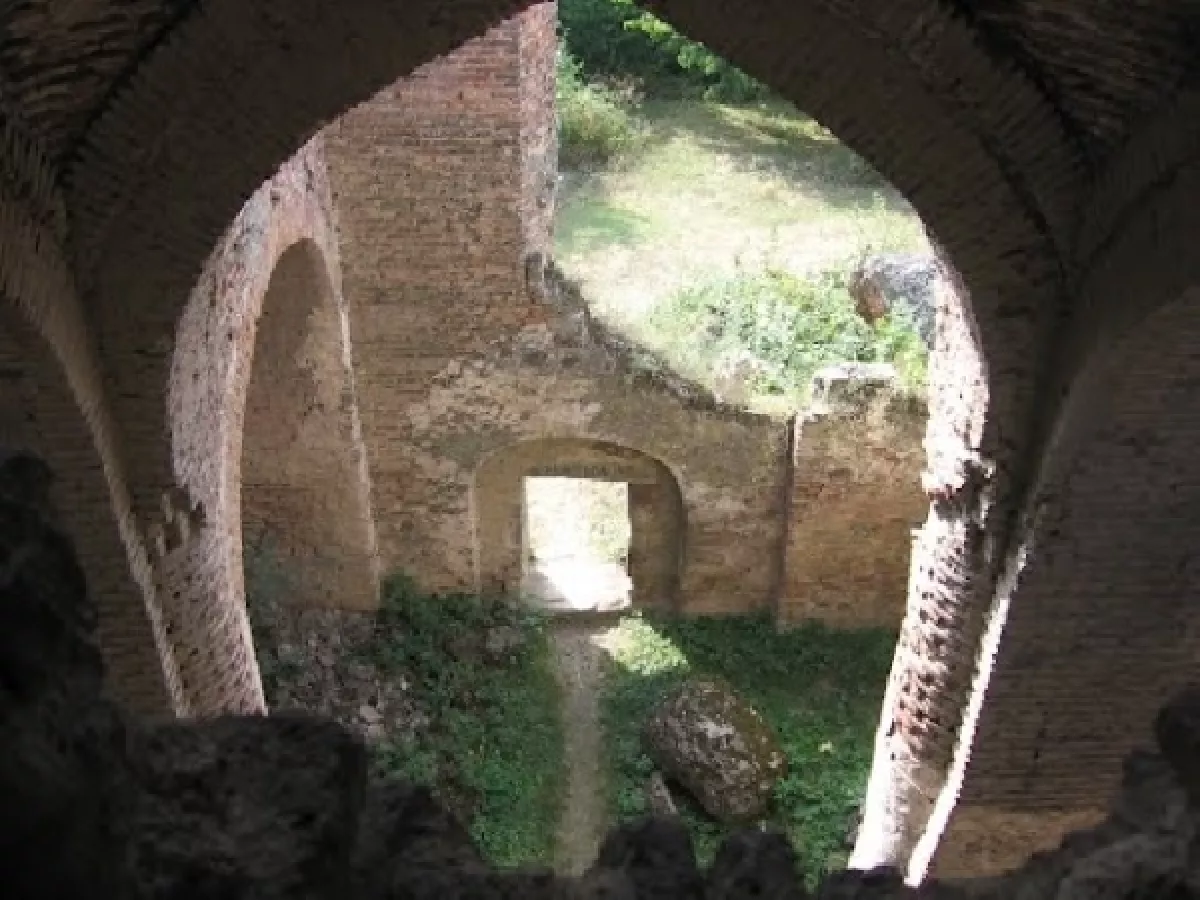
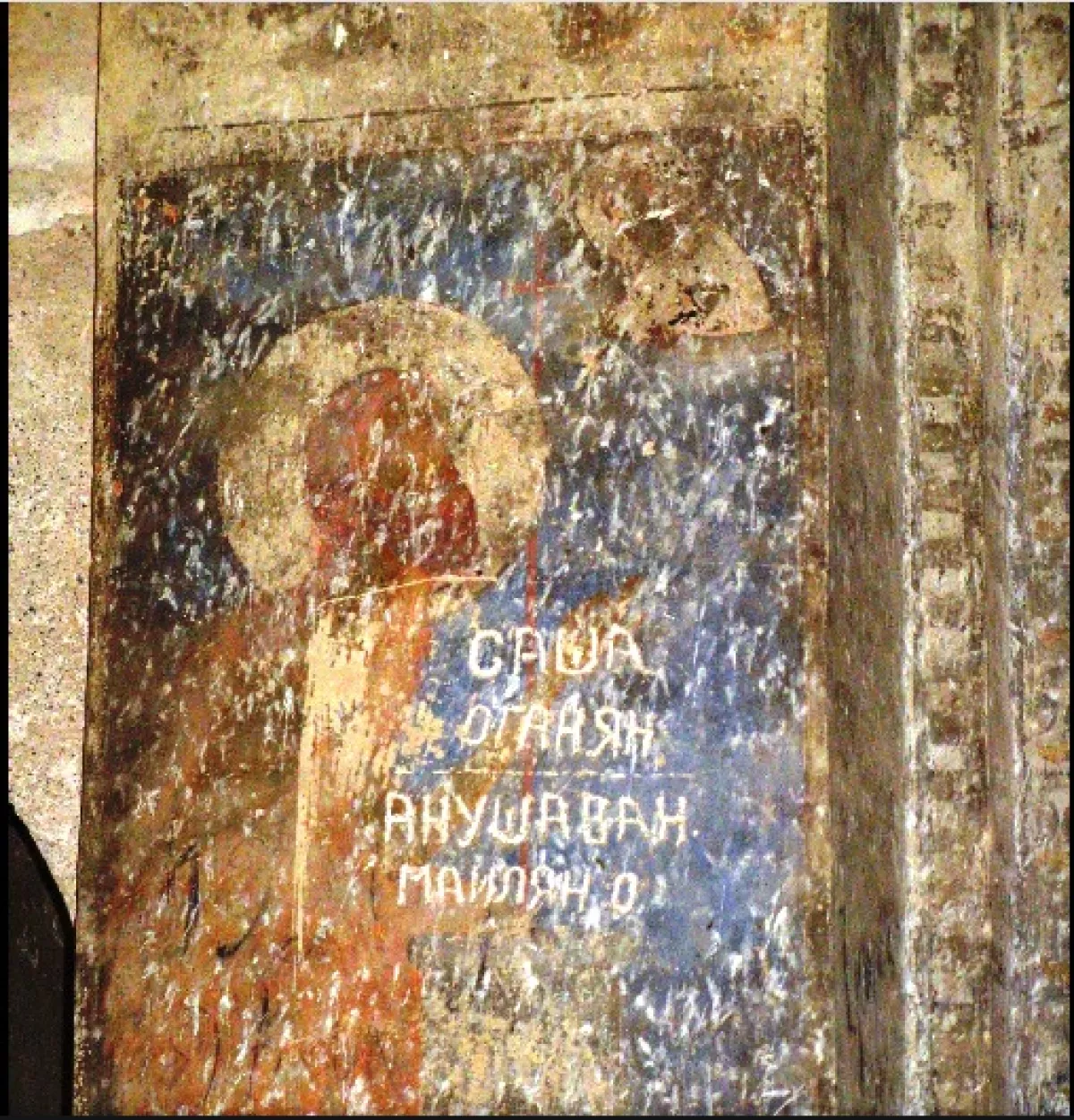
The document set out a number of specific allegations: according to its authors, several Georgian monasteries had fallen into ruin or been subjected to acts of vandalism; some churches had undergone unauthorised alterations; Orthodox liturgies were not permitted in certain churches; and Georgian frescoes and inscriptions in the ancient Georgian script had been removed from some sites.
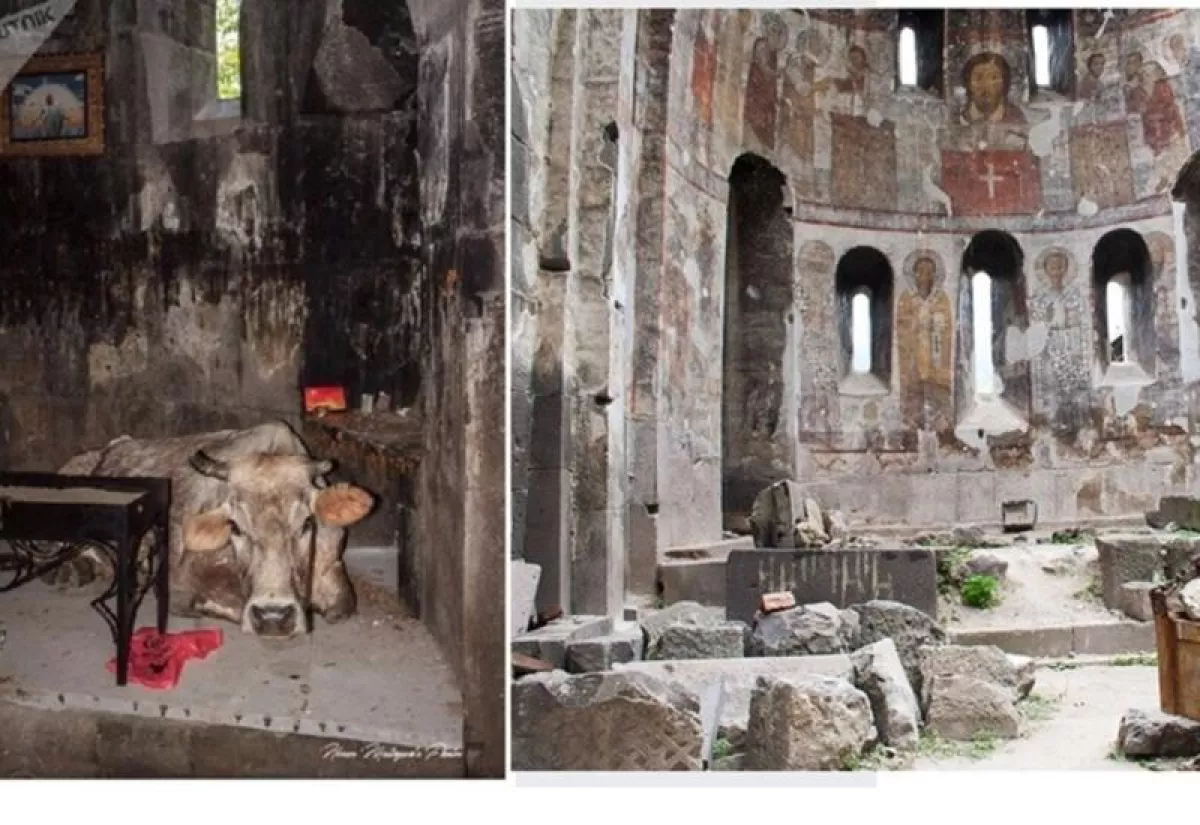
The authors also claimed that some church buildings were being used for domestic or practical purposes, including as premises for keeping livestock, which, in their view, poses a risk of further diminishing the ability to identify these sites as monuments of Georgian history.
Naturally, the document reflects the position of its authors and does not mean that the claims contained within it were verified or endorsed by the United Nations. Nevertheless, the situation described in Armenia appears, according to the authors, considerably more serious than the issue surrounding Kurmukh: it concerns allegations of destruction and vandalism targeting Georgian churches, unauthorised reconstruction, the removal of ancient Georgian inscriptions and frescoes, and restrictions on Orthodox worship.
Why, then, has the Georgian Patriarchate not shown a comparable degree of public engagement under such circumstances? If the issue is indeed the consistent protection of Georgian cultural and religious heritage, questions inevitably arise regarding the selectivity of this approach. This is all the more relevant given that the position of the official authorities in Tbilisi regarding Azerbaijan has repeatedly been expressed in clear and unequivocal terms.
In 2025, Georgian President Mikheil Kavelashvili, speaking about relations with Azerbaijan, stressed the importance of trust and noted Tbilisi and Baku’s firm support for each other’s sovereignty and territorial integrity.
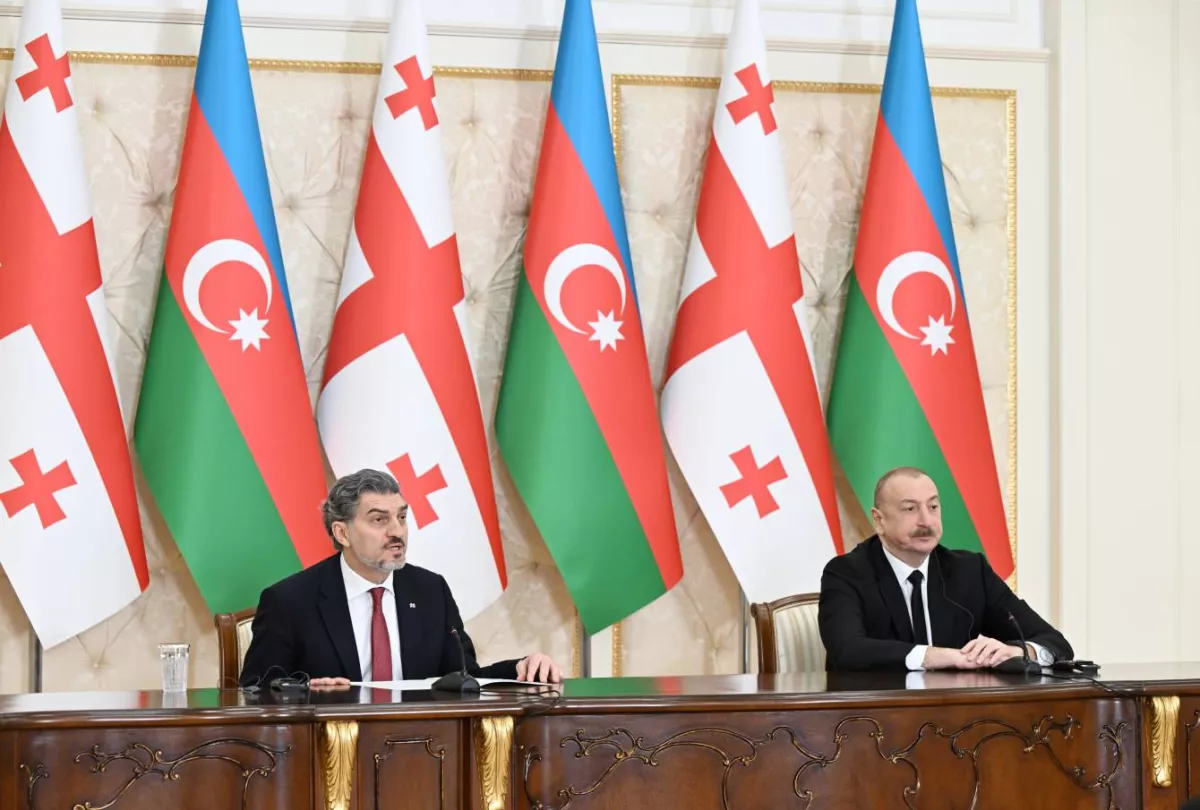
In April 2026, Georgian Prime Minister Irakli Kobakhidze expressed gratitude to Azerbaijan for its firm support for Georgia’s sovereignty and territorial integrity. At the same time, he emphasised that Georgia had always been and remained a supporter of Azerbaijan’s national interests, sovereignty and territorial integrity.
Against this backdrop, the statements by the Georgian Patriarchate raise additional questions: the official position of Tbilisi is based on respect for Azerbaijan’s sovereignty and territorial integrity, whereas the Patriarchate’s rhetoric gives historical issues a different dimension.
It is worth recalling the events of 1945. Following the end of the Second World War, the Soviet Union made territorial claims against Türkiye. According to the memoirs of US President Harry Truman, at the Potsdam Conference Joseph Stalin spoke of territories that had previously “belonged” to Armenia and Georgia. This was followed by materials in the Soviet information space aimed at providing a historical “justification” for the respective claims.
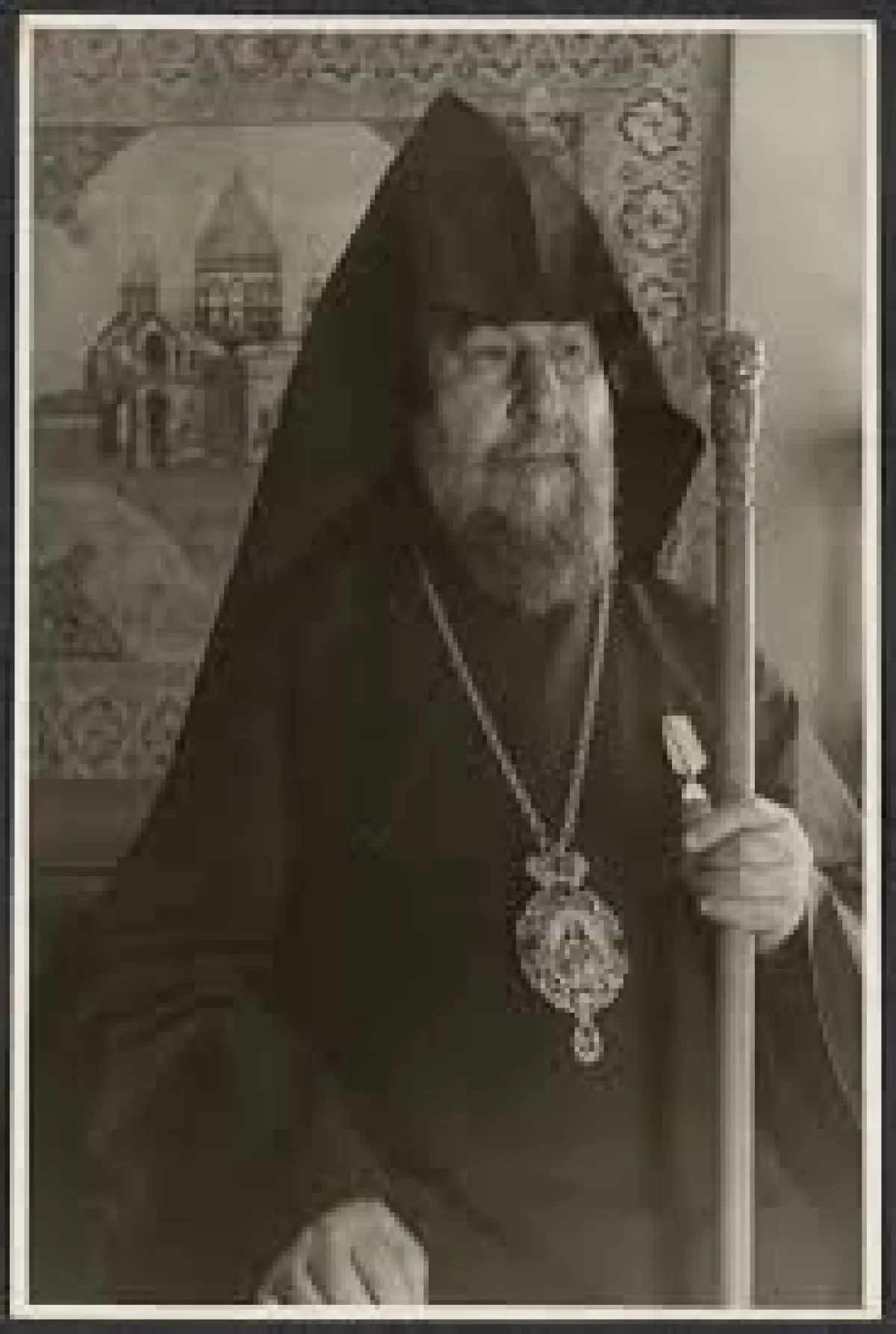
On November 29, 1945, Catholicos of All Armenians Gevorg VI addressed the leaders of the Soviet Union, the United States and the United Kingdom, demanding the incorporation of Türkiye’s vilayets into Soviet Armenia. Then, on December 14, 1945, the Tbilisi newspaper Kommunisti published a letter by academics Simon Janashia and Niko Berdzenishvili entitled “On Our Legitimate Claims to Türkiye”. It “substantiated” claims to a number of territories in present-day Türkiye, including Ardahan and Artvin.
Naturally, the events of 1945 cannot be equated with the present situation: the historical context, political system and nature of relations between the states are fundamentally different. However, history itself shows how cautiously territorial and historical narratives should be handled, particularly when they concern territories under the sovereignty of another state.
The situation surrounding Kurmukh therefore raises a question that goes beyond the specific church: why is the Georgian Patriarchate so insistent on highlighting Georgian heritage in Azerbaijan, while not showing the same degree of concern over problems affecting Georgian monuments in Armenia? And to what extent does such rhetoric correspond to the official position of Tbilisi, which has repeatedly reaffirmed its respect for Azerbaijan’s sovereignty and territorial integrity? This is particularly noteworthy against the backdrop of the two countries’ strategic partnership, founded on mutual trust and respect for sovereignty.







 editor@caliber.az
 +994 55 444-88-98
 Азербайджан, Баку, ул. Низами, 203, Af Business House, 5-й этаж