










“Red phone” for superintelligence and panda diplomacy What Xi’s Washington visit achieved
Donald Trump’s meeting with Xi Jinping in Washington will be remembered for a long time for its diplomatic gestures and piquant details. One such detail was the fact that the US president personally greeted the Chinese president at the foot of his aircraft — an honour afforded to few foreign leaders in recent US history. The emotional high point came when the two leaders shared a hearty laugh over a photograph of an autopen in the presidential gallery at the White House, which Trump had had put up in place of Joe Biden’s portrait.
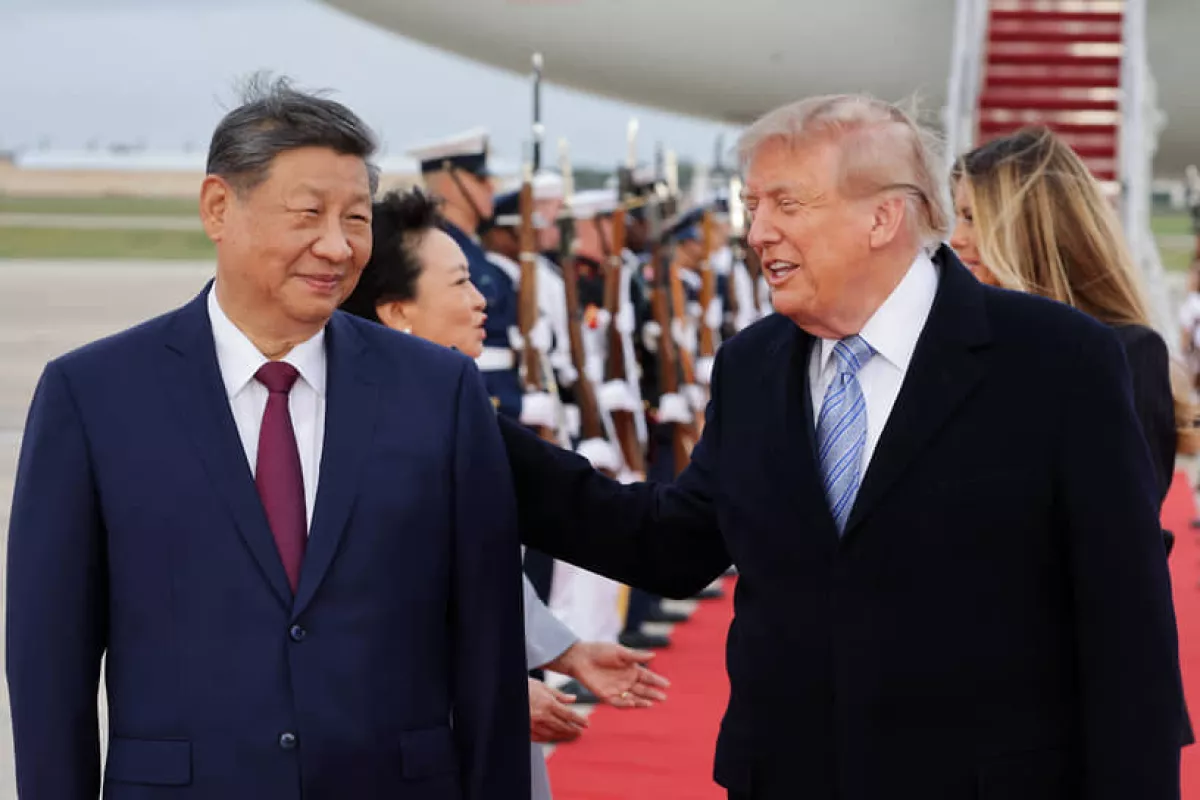
The mutual affinity demonstrated by Trump and Xi throughout the visit has a clear political basis. The US president prefers to engage with Beijing in the language of economic and geopolitical interests, without accompanying negotiations with the familiar lectures on democracy and human rights favoured by his predecessors. For China’s leadership, this approach is more convenient: with Trump, Beijing can drive a hard bargain without fearing that yet another round of talks will turn into a public discussion of China’s domestic political system.
However, the personal rapport between the two heads of state has so far failed to resolve their accumulated differences. Moreover, in recent years, traditional disputes over trade, Taiwan and military-political influence have been joined by a new dimension — artificial intelligence. Some commentators are already comparing today’s discussions on AI with the nuclear arms talks of the perestroika era. The logic is indeed similar in many respects. Two rival powers are seeking to secure technological superiority for themselves while simultaneously beginning to recognise the dangers of the uncontrolled development of technologies whose consequences remain not fully understood even by their creators.
In Washington, the two sides agreed to establish a special channel for discussing incidents involving artificial intelligence. However, they remain a long way from agreeing on common rules to regulate the field. This area of contention is also closely intertwined with another technology-related issue — US restrictions on the export of advanced microchips to China. Beijing is interested in easing technological barriers, while the United States has no intention of giving up the tools it uses to constrain the development of China’s high-tech industries.
In the trade and economic sphere, the results were more tangible: the two sides extended the existing trade truce for another two months, until January 10, 2027, postponing another escalation in the tariff confrontation. A joint Trade Council also became operational, its creation having been agreed at the leaders’ meeting in the Chinese capital in May. Within this framework, the two sides worked out recommendations for preferential tariff treatment for certain categories of goods worth $30 billion in each direction. The focus is primarily on products that do not directly affect national security interests.
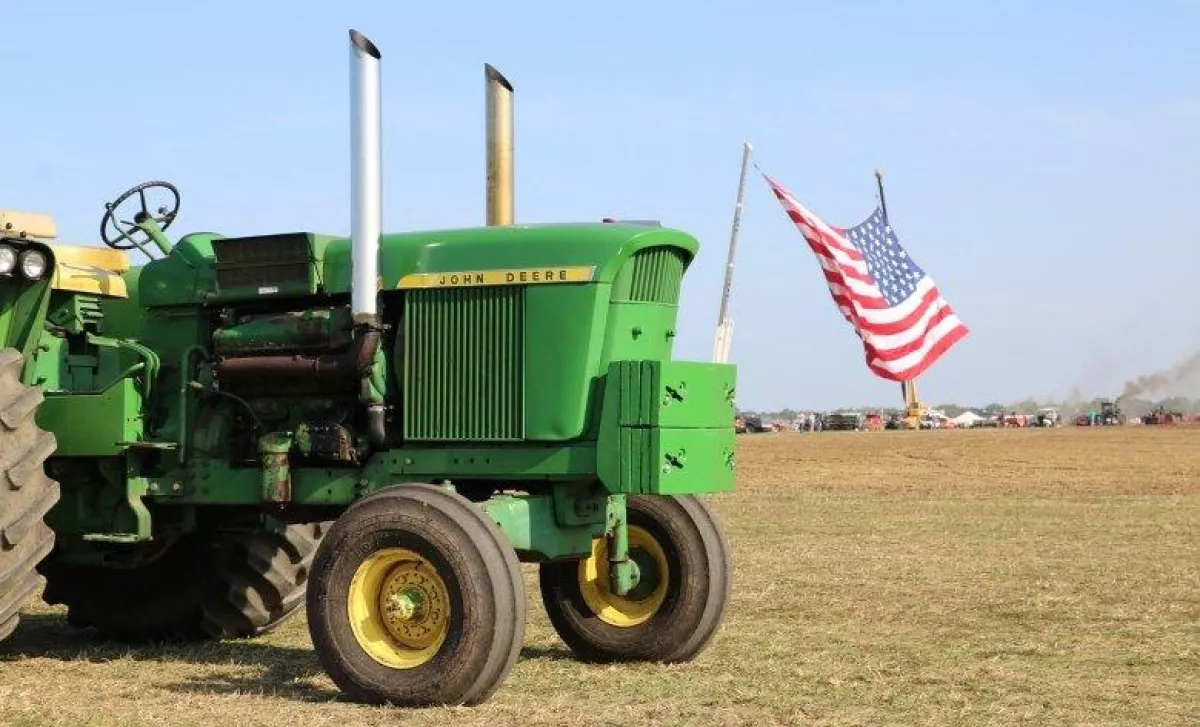
For Trump, China’s purchases of US agricultural products are particularly important. With the November midterm elections approaching, support for farmers carries additional political value. The two sides also continued negotiations on supplies of rare earth metals, on which US industry and high-tech manufacturing critically depend. However, there is still no guaranteed solution to the problem of supply disruptions.
While the two superpowers, recognising their mutual economic interdependence, appear willing to adjust their positions in the economic and trade spheres, there is clearly little sign of mutual understanding on geopolitical issues. This was most evident in the discussion of Taiwan. Xi Jinping called on Washington to oppose the island’s independence, using tougher language than is customary in China’s standard formulation. The US side, however, did not announce any change to its official policy. Thus, one of the most dangerous potential flashpoints between the United States and China will continue to smoulder.
The results of discussions on international crises were similarly limited. Trump is interested in reducing China’s economic support for Iran, particularly in the oil sector. Beijing, however, has no intention of abandoning its independent Middle East policy. According to the White House, the leaders agreed on the need to prevent Iran from acquiring nuclear weapons. The war between Russia and Ukraine was also discussed, but no specific joint steps towards resolving the conflict were announced.
There was, however, some movement in the military sphere: the two sides agreed to accelerate work on crisis communication mechanisms designed to reduce the risk of an accidental confrontation. For countries whose armed forces regularly operate in close proximity to one another in the western Pacific, such measures have clear practical significance.
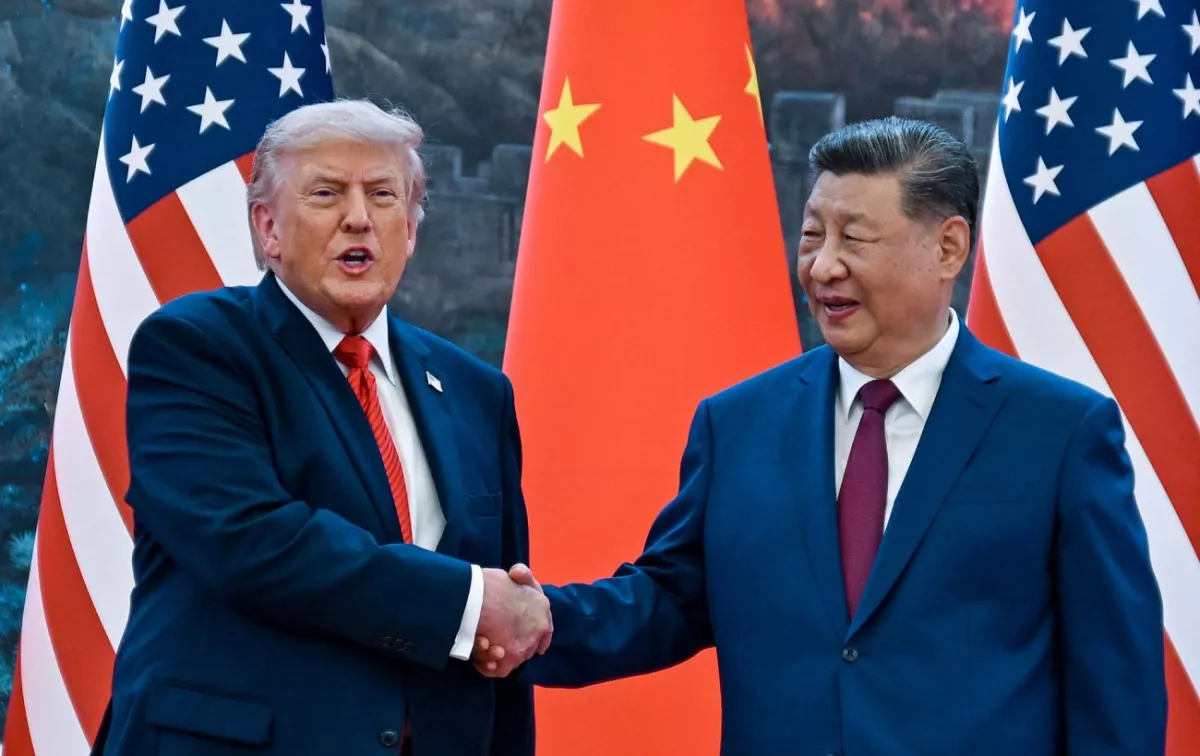
Thus, the Washington meeting demonstrated the distinctive nature of current US-China relations. Trump and Xi are prepared to maintain close personal contacts, conclude limited economic agreements and establish mechanisms to prevent crises. At the same time, neither side is prepared to abandon its strategic interests. The stability achieved so far is based on the ability of the two countries’ leaders to agree on the rules of competition, rather than on the disappearance of the underlying causes of that competition.
P.S. A special flight from China delivered two giant pandas to a zoo in Atlanta, providing yet another signal that, even if the two superpowers failed to achieve a breakthrough, it is still too early to speak of a deepening crisis in their relations.







 editor@caliber.az
 +994 55 444-88-98
 Азербайджан, Баку, ул. Низами, 203, Af Business House, 5-й этаж