










Beyond borders: Brussels is building a new network of allies Analysis by Matanat Nasibova
Brussels has recently been promoting a new geopolitical initiative — although it has yet to be formally enshrined in the EU’s founding treaties — to create an “associate membership” status for like-minded developed democracies. The shortlist of potential participants, judging by recent remarks by European Parliament President Roberta Metsola, could soon expand, with Australia and New Zealand potentially joining Canada.
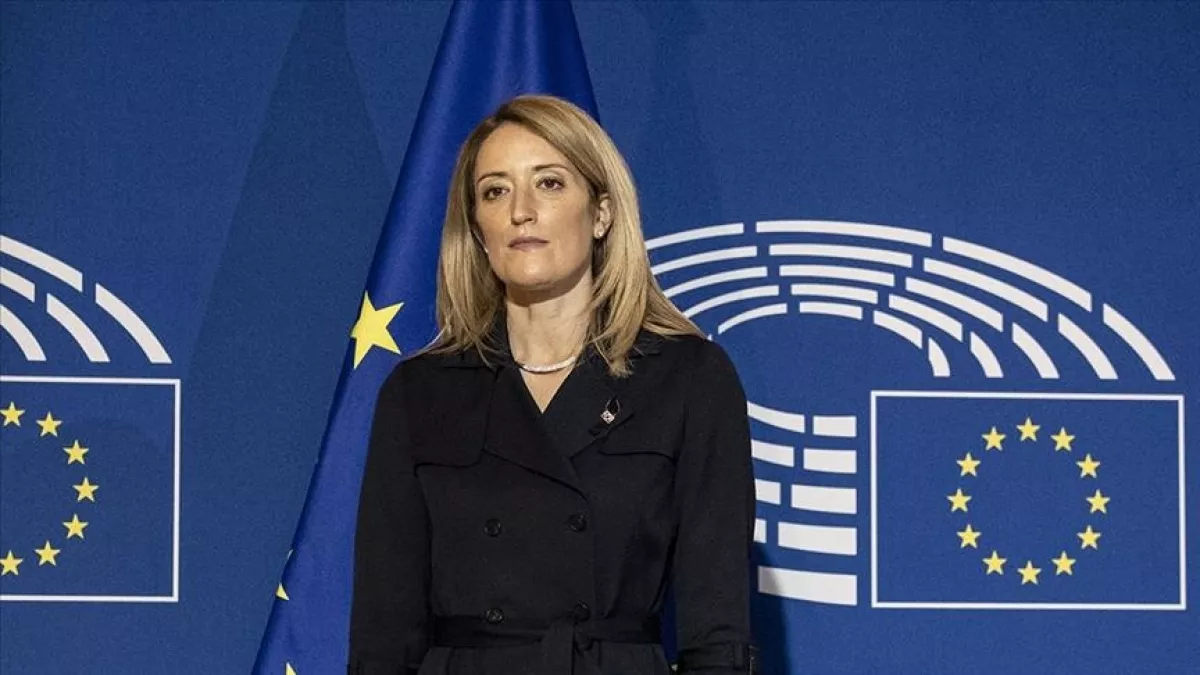
As the European Parliament president said in an exclusive interview with Euronews, “in such times of uncertainty, having friends matters”. The EU is therefore seeking to establish a legal framework for a special status for like-minded partners around the world. The three countries under consideration share many of the characteristics that appear to fit the EU’s criteria: they are established democracies with close historical and institutional ties to Europe, share an Anglo-Saxon political tradition, have developed market economies, substantial natural resources and advanced high-tech sectors.
The idea of creating a new “outer orbit” around the EU — potentially bringing together non-European states that are closely aligned with Europe politically, economically and strategically — therefore has a realistic prospect of becoming a practical reality. This could be particularly relevant if, following Canada’s example, these countries seek a special partnership with the European Union while stopping short of full membership.
Conditional urgency
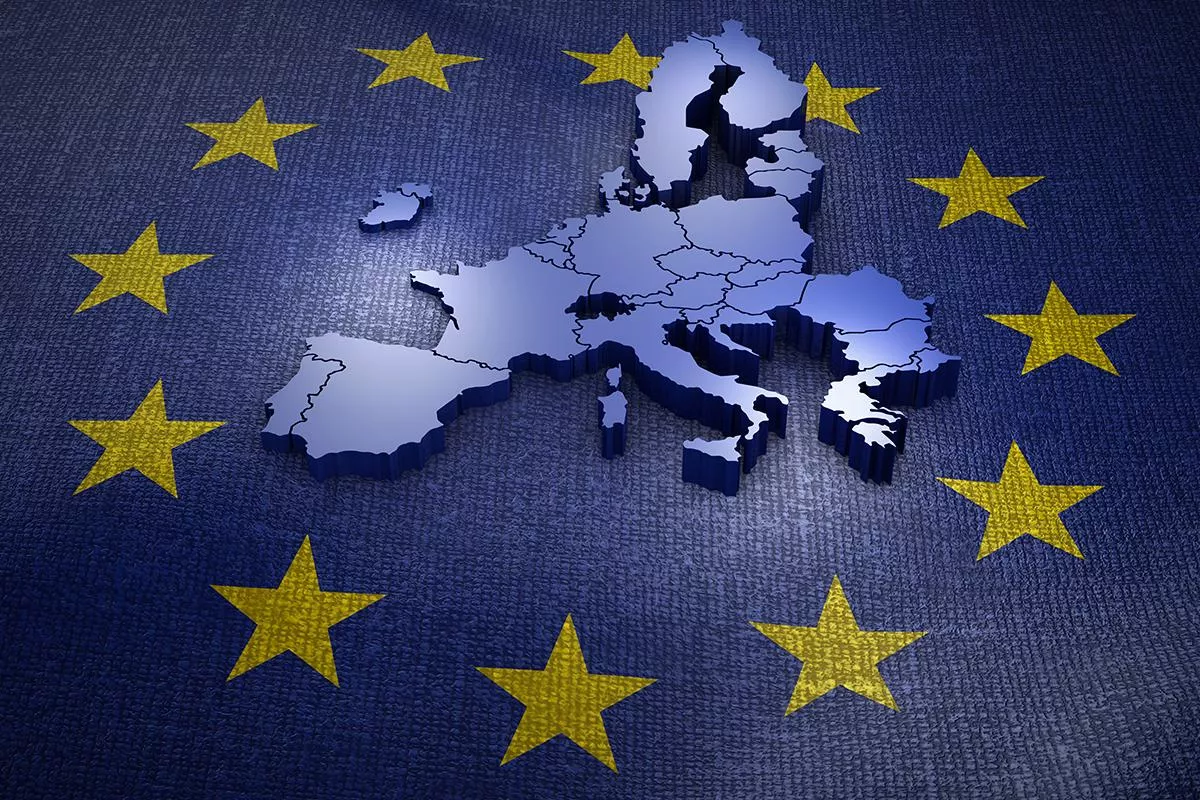
If one asks why the idea of creating such a format has emerged precisely now, the answer is not hard to find: amid profound tectonic geopolitical shifts, the European Union has come face to face with the unavoidable need to tackle a whole range of complex challenges — strengthening its defence capabilities, reducing critical dependencies, diversifying supply chains, securing access to rare minerals and preserving open trade relations.
Against this complex backdrop, Canada, Australia and New Zealand appear to be ideal partners for Brussels. Canada boasts vast natural resources, a powerful industrial base, enormous energy potential and geographical proximity to the Euro-Atlantic security system. Australia, a continent-sized state, is one of the key and most stable actors in the Indo-Pacific, with strategic reserves of critical minerals. Meanwhile, the “Land of the Long White Cloud”, although smaller in economic terms, plays a crucial stabilising role in the southern Pacific.
For Europe, therefore, it makes strategic sense to build a network of institutional partnerships with reliable players in the North Atlantic and Indo-Pacific regions.
Brussels offers an opportunity

The rapprochement is already gaining momentum. In March 2026, the EU and Australia concluded a key Security and Defence Partnership Agreement and successfully completed negotiations on a comprehensive free trade agreement. In June, the European Commission officially announced the conclusion of negotiations on Australia’s association with the prestigious Horizon Europe research programme. Starting in 2027, Australian research and industrial organisations will gain expanded access to European research funding on terms fully comparable to those available to participants from officially associated countries.
Thus, Australia’s partial “association” with European institutions is already taking shape in practice in specific areas. While this does not yet amount to associate membership in the EU itself, a solid institutional infrastructure for deep integration is being established.

As for New Zealand, the free trade agreement between Brussels and Wellington entered into force as early as May 1, 2024, significantly expanding New Zealand’s access to the European market for goods and services and laying a solid foundation for deeper economic ties. In addition, New Zealand is de facto among the countries associated with Horizon Europe, demonstrating its successful experience of participating in the EU’s technological and research mechanisms.
Against this backdrop, Roberta Metsola’s statement — particularly in light of growing US protectionism and global turbulence — can be viewed as an effort by Brussels to build a broad alliance of states that are both values-aligned with Europe and economically oriented towards cooperation with it.
Pros and cons
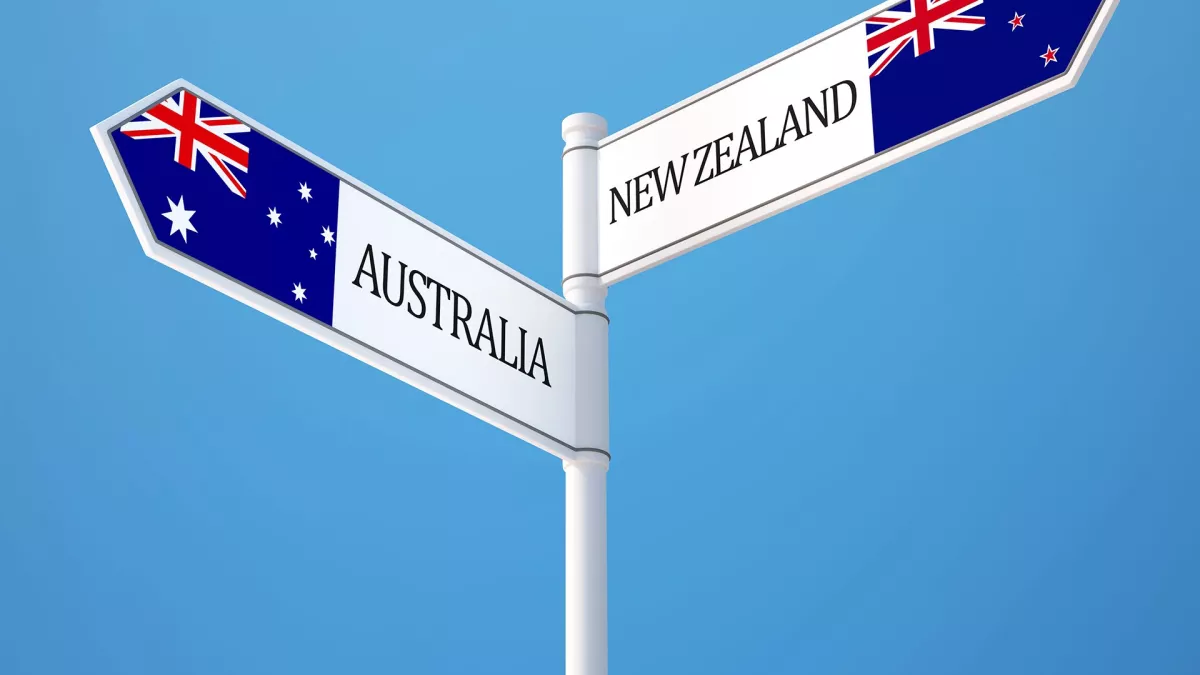
Australia occupies a unique geopolitical position: its security has traditionally been closely tied to the United States, while its key economic interests are centred on the Asia-Pacific region. Closer ties with the EU would allow Canberra to add another major global centre of power to its national security architecture. New Zealand operates within a similar framework, albeit on a smaller scale. For Wellington, associate membership would provide guaranteed access to the European market, large-scale investment, advanced technologies, as well as more restricted channels of cooperation in the security sphere.
However, serious political barriers stand in the way of implementing this ambitious plan, the main one being the need for the unanimous approval of all 27 EU member states to grant such a privileged status to non-European countries. This is an extremely sensitive issue: if Canada, Australia and New Zealand are offered overly broad privileges, some European capitals could block the initiative or demand equivalent terms for candidates from Eastern Europe and the Western Balkans.
The pilot project sets the tone
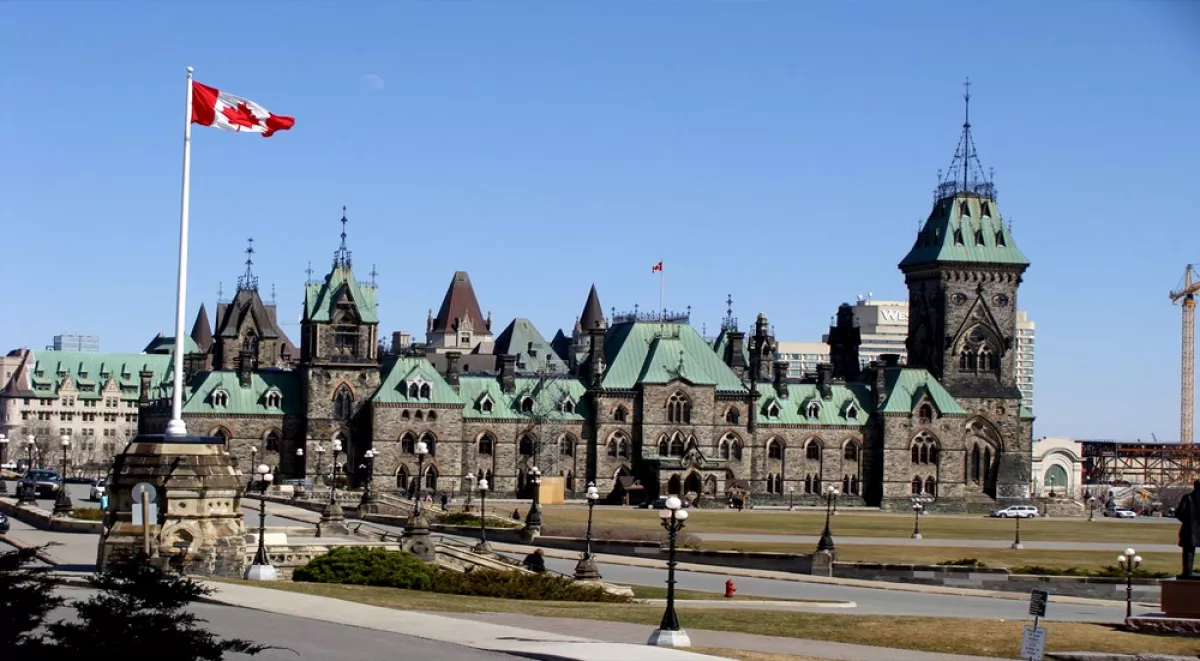
In essence, Metsola’s remarks suggest that the Canadian track will serve as a kind of pilot project. If this model proves viable, the EU could extend it to other key allies. A flexible political concept is now taking shape, but it has yet to be given a firm legal framework. If Brussels, Ottawa and other stakeholders manage to agree on a model that allows Canada to integrate deeply into EU institutions without disrupting the organisation’s existing institutional balance, the likelihood of extending it to Australia and New Zealand will increase sharply.
At the same time, if the parties encounter insurmountable disagreements over the distribution of powers, market access, voting rights and financial obligations, the project risks remaining little more than a declaration of intent.
Why does the EU need this?
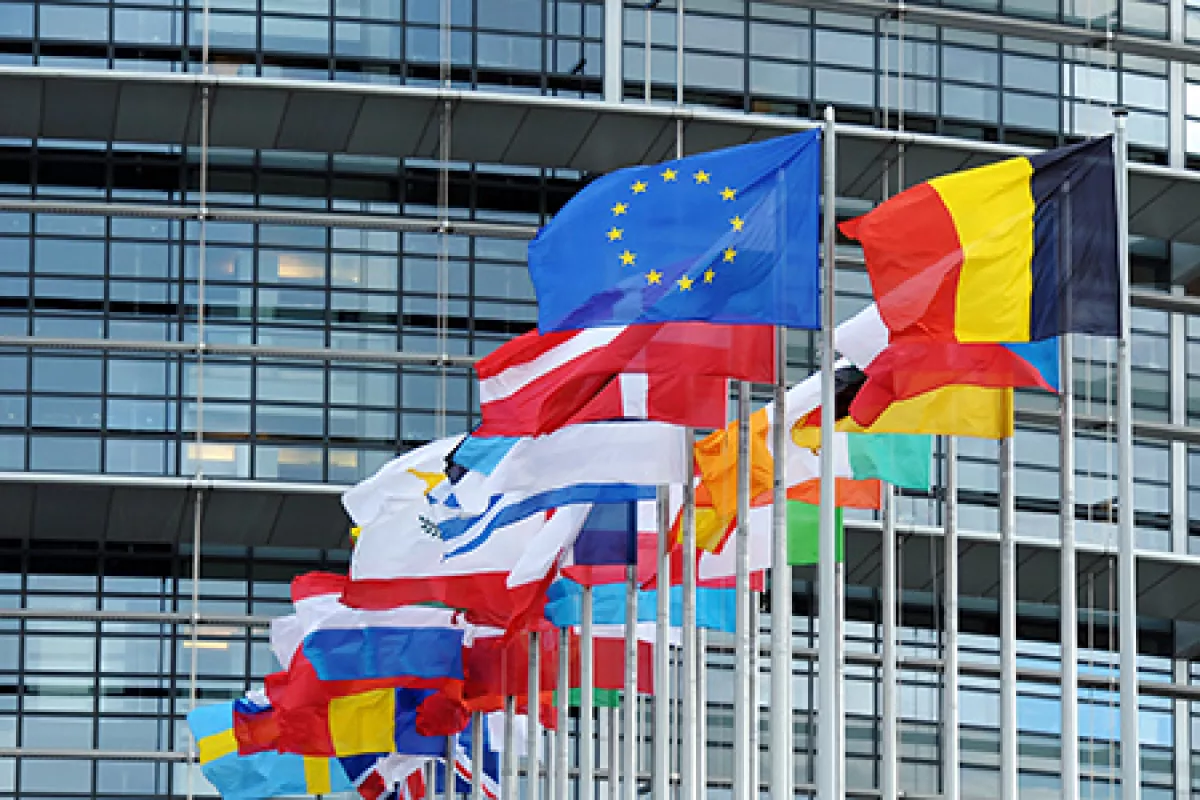
According to international experts, the emergence of the idea of multi-tiered European integration reflects the EU’s attempt to respond to the challenges of the current era, including the question of whether it is possible to create a space that would be considerably closer than a conventional partnership while remaining less demanding than full membership. Under such a scenario, the issue is a fundamentally new architecture of an “expanded Europe”, in which political, economic, defence and technological ties could exist at different speeds and levels.
Canada currently occupies the leading position precisely because Brussels has already publicly identified it as a potential first associate member of the bloc. Australia and New Zealand remain one step behind, as states that have been given a prospective path towards integration. In effect, the “Ottawa–Canberra–Wellington” chain has already been established at the level of geopolitical objectives, although it has yet to take legal shape. The next milestone in this process will be the EU–Canada summit, scheduled for October 29–30. Its outcome will show how far the Maple Leaf country has progressed towards associate membership, as the success or failure of this experiment will directly affect the prospects of Australia and New Zealand joining the European orbit.







 editor@caliber.az
 +994 55 444-88-98
 Азербайджан, Баку, ул. Низами, 203, Af Business House, 5-й этаж