










Battle for leverage Kallas and von der Leyen vie for control of EU foreign policy
A sweeping administrative reorganisation began at the European Union’s overseas missions on September 1, 2026. Local technical staff are being cut, while financial management and contract-related functions are being transferred to Brussels and major regional hubs. This streamlining has coincided with heated debates over the EU’s new long-term budget for 2028–2034, with a group of economically conservative member states calling for cuts to spending on the foreign policy apparatus.
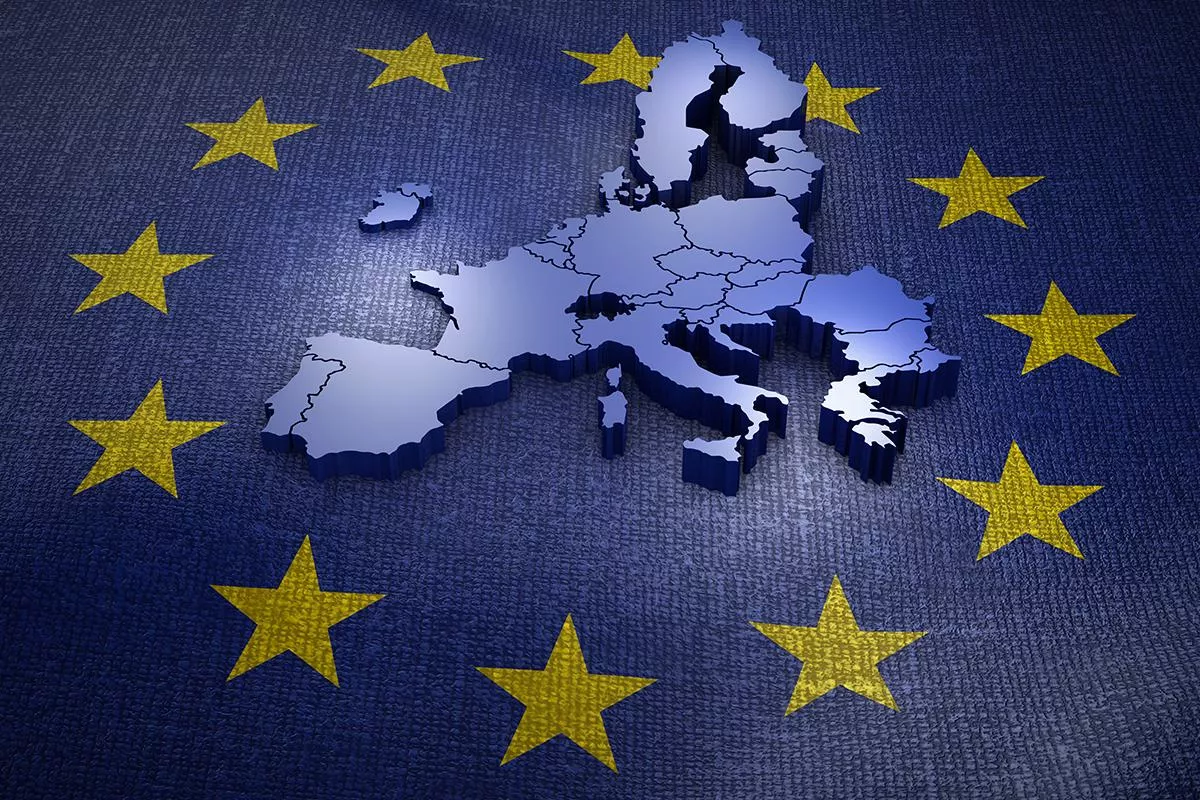
However, behind the arguments over cost-cutting lies a serious institutional crisis — the chronic paralysis of EU foreign-policy decision-making. Today, any collective move by Brussels, whether sanctions or official statements, must be approved unanimously by all 27 member states at meetings of the Foreign Affairs Council. This gives every national capital the power of veto. Amid major global crises, the mechanism allows individual states to block critical initiatives for months, leaving the EU slow and ineffective. Brussels acknowledges that the old system is no longer working. The only question is who will take control of foreign policy, and by what means — the European Commission under Ursula von der Leyen or the diplomatic service headed by Kaja Kallas.
The European External Action Service (EEAS), headed by Kallas, has 145 delegations and a staff of 6,000. The EU’s foreign policy chief also chairs the Foreign Affairs Council, acting as a moderator between sovereign governments. In September 2026, France and Germany proposed a radical plan to place a significant part of the EEAS apparatus under the direct control of the European Commission. At first glance, this may seem odd, since the member states’ veto power in the Council would remain. However, the Commission has a hidden motive.
Within the Commission itself, there is no veto — decisions are taken by a simple majority. If the EEAS diplomatic apparatus were brought under von der Leyen’s control, foreign policy could be recast in terms of “geo-economic instruments” — trade tariffs, access to the single market, sanctions and budget allocations. In these areas, the European Commission has extensive exclusive powers. By bringing the EEAS under her control, von der Leyen would be able to package foreign-policy decisions into large-scale economic agreements. It would be extremely difficult for the member states in the Council to veto a deal worth billions of euros over a single diplomatic clause.
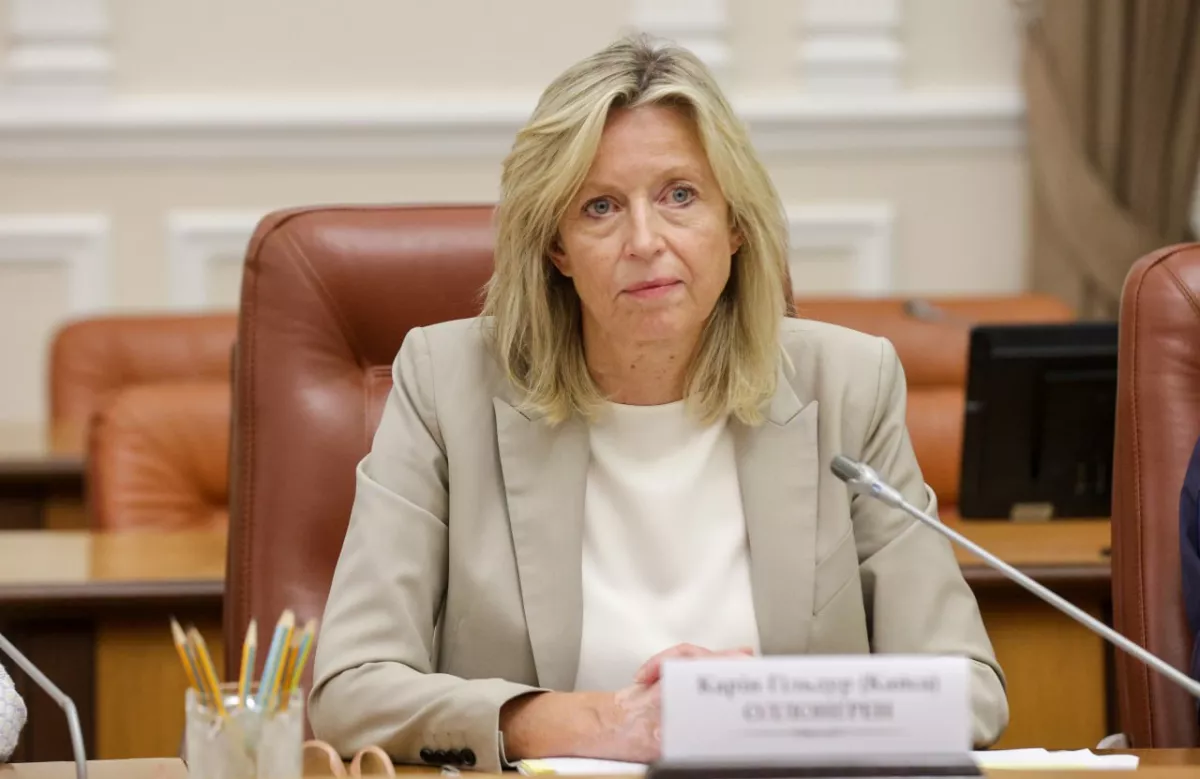
Thus, the European Commission is attempting a “quiet coup” — to take control of the diplomatic service and circumvent the national veto through financial leverage. For Kallas, this would mean being reduced from an independent player to a subordinate of von der Leyen, and she has begun mounting strong institutional resistance. Backed by the support of the new EEAS Secretary-General, Kajsa Ollongren, Kallas said that a majority of national capitals favour preserving the independence of her service. The EU foreign policy chief’s position is unequivocal: the root of the problem lies not in the structure of the diplomatic service, but in the way member states use their votes.
Germany and ten other countries have proposed an alternative way to overcome decision-making paralysis. Instead of a painful restructuring of the EEAS apparatus, Berlin has called for changing the rules of the game within the Foreign Affairs Council itself — replacing the national veto with qualified-majority voting. This would deprive individual capitals of the ability to hold the EU to ransom, allow decisions to be taken swiftly by a majority vote, and help Kallas effectively set the agenda while preserving the sovereignty of her service.
Nevertheless, the European Commission continues its offensive, and on September 28 the dispute escalated into the field of security. Von der Leyen announced the creation of a pan-European emergency coordination mechanism for hybrid threats and acts of sabotage. Kallas’s response was notably cool: she said there was no clear majority in support of the idea, while a number of EU countries explicitly warned that the Commission’s initiative must not duplicate NATO’s functions.
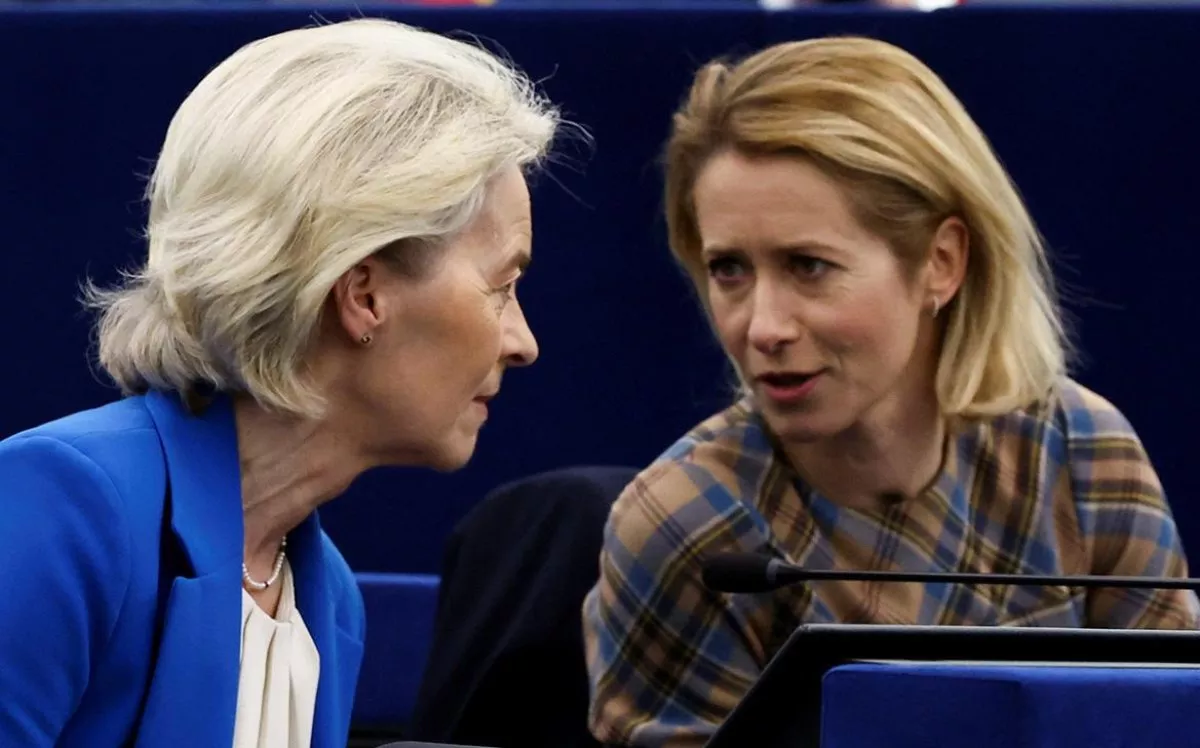
Although Kaja Kallas has so far managed to preserve the legal status quo and defend the autonomy of her service, long-term trends are working against her. In today’s geopolitics, traditional diplomatic declarations are giving way to hard economic action. As long as the EU member states’ Council remains divided over the veto, the European Commission enjoys a considerable institutional advantage. By controlling the allocation of funds, the EU’s future budget and the preparation of all economic documents, Ursula von der Leyen can gradually take over real governance functions, bypassing the framework of the Lisbon Treaty.
However, this institutional battle is far from over: backed by the national capitals of small and medium-sized member states and by the authority of new EEAS Secretary-General Ollongren, Kallas has no intention of giving ground. The battle over where the real centre of power in European foreign policy will lie is only entering its most acute phase.







 editor@caliber.az
 +994 55 444-88-98
 Азербайджан, Баку, ул. Низами, 203, Af Business House, 5-й этаж