










An Englishman in New York Burnham’s first test with Trump
Andy Burnham’s first meeting with Donald Trump went more or less as the British side could have hoped: no public clashes, plenty of compliments, and a pledge to keep the dialogue going.
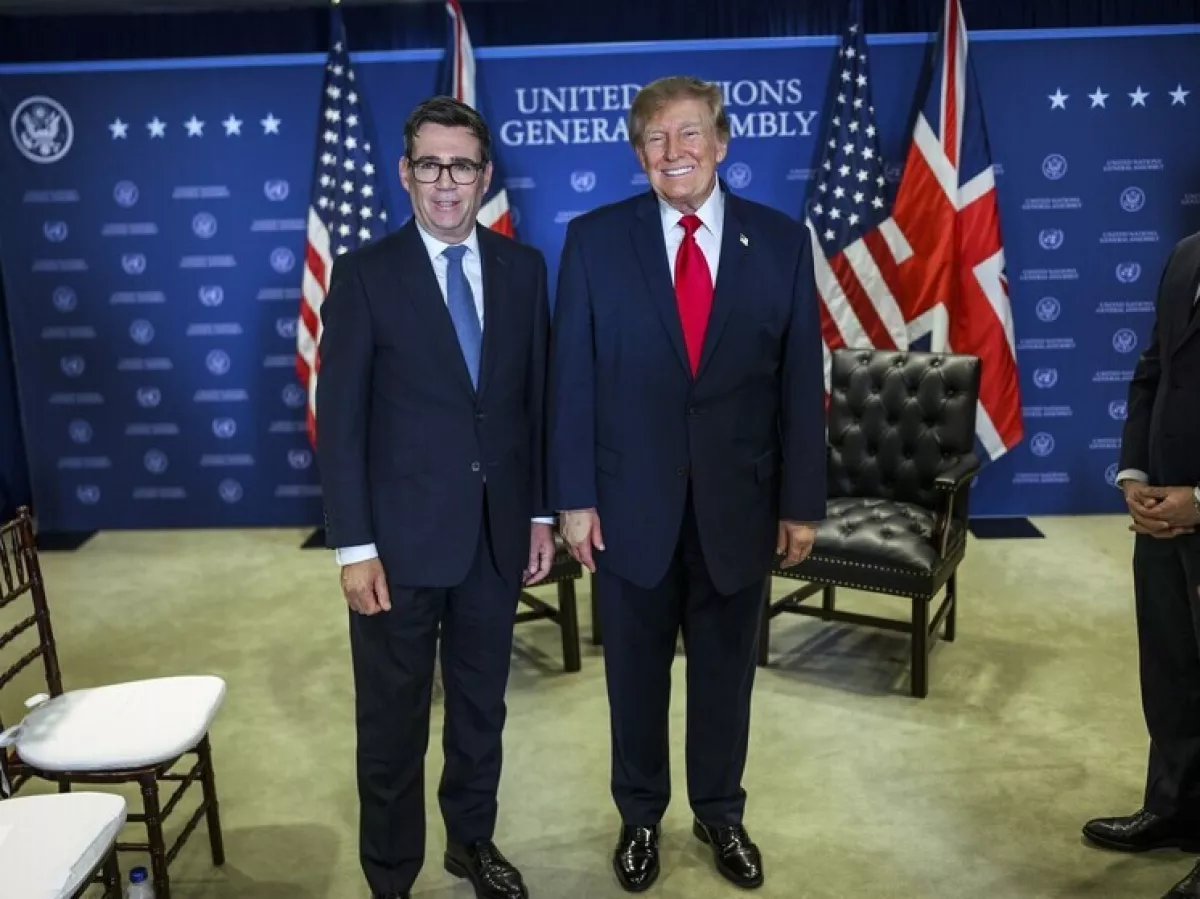
The US president described Burnham as a “natural businessperson” and said he would make an “excellent prime minister”, adding that relations between Washington and London were going better under Burnham than they had under Keir Starmer. The British politician, for his part, spoke of having “a good relationship” with Trump and stressed the need to strengthen ties.
For the “King of the North”, who took office only at the end of July, that was no small achievement. The meeting took place in New York on the sidelines of the UN General Assembly, with Burnham having to navigate one of the more unpredictable settings in modern diplomacy: a public conversation with Trump in front of the cameras.
Judging by the reaction from British officials, the encounter delivered close to what they had hoped for. Yet beneath the cordial atmosphere, substantive differences quickly began to surface.
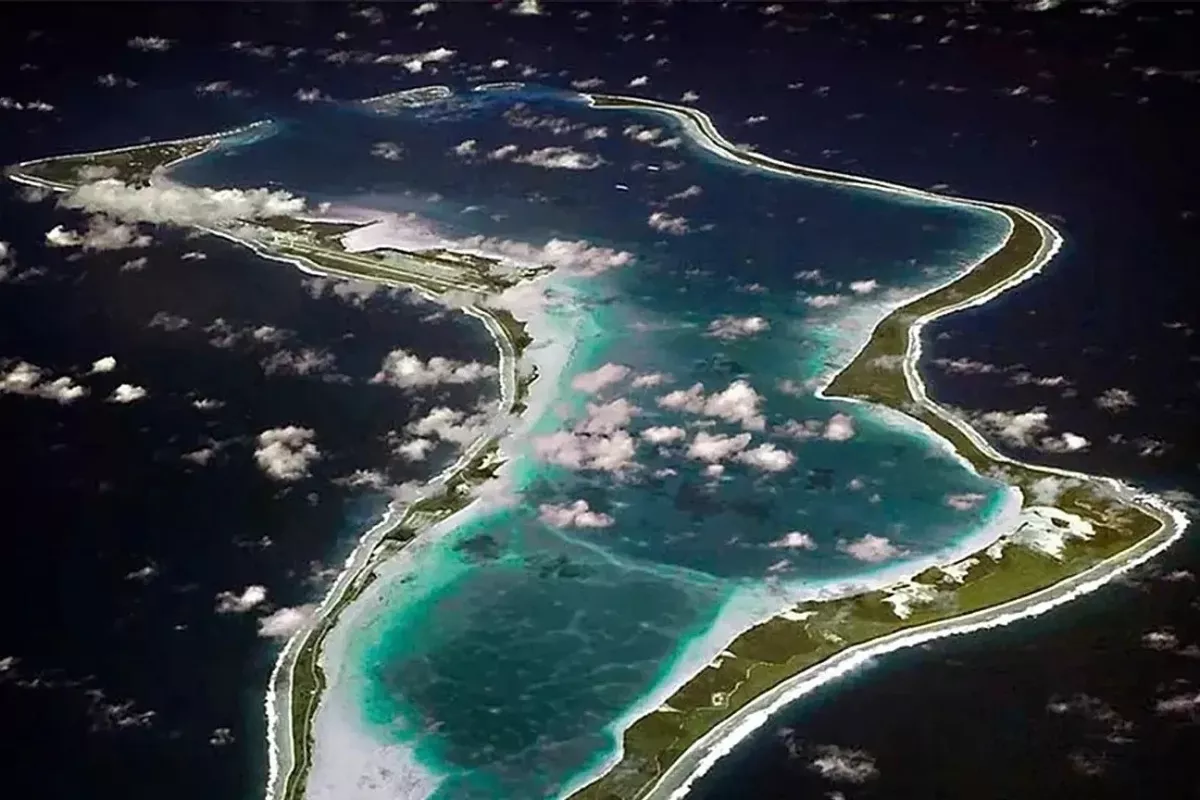
The most prominent point of contention was the Chagos Archipelago. Trump once again described the British-Mauritian agreement on the islands as a “terrible deal”. Under the agreement, former prime minister Keir Starmer’s government agreed to transfer sovereignty over the archipelago to Mauritius while retaining a long-term lease on the Diego Garcia military base — a facility of major strategic importance to both the United States and the United Kingdom.
Burnham did not challenge Trump directly, saying instead that he was ready to work with all sides to find a solution. It is worth recalling that pressure from Washington has effectively put the ratification of the UK-Mauritius agreement on hold in the British Parliament.
The wording was significant: Burnham left the door open to a possible review of the terms of the agreement he inherited from the previous government. Trump appeared to take note of that opening. The first meeting therefore gave London a channel for political engagement with Washington, while allowing Washington to signal where it expects greater flexibility from the new British government.
Discussions of other contentious issues were even more restrained. Burnham set out the British position on the Falkland Islands (Malvinas), making clear that London would firmly defend the islanders’ right to self-determination and their right to retain their British status. The two sides also discussed Ukraine, trade, migration and the situation surrounding Iran.
Interestingly, there is no public evidence that the two leaders had a substantive discussion about artificial intelligence, another area where their positions diverge. Burnham arrived in New York with plans to use the UK’s upcoming G20 presidency to help develop international rules governing AI. Trump, meanwhile, spoke out against global regulation of the sector at the UN that same day. For now, the British prime minister and the US president chose to leave those differences aside during their first conversation.
And that may be the main takeaway from the meeting. It did not resolve the differences between London and Washington, but it established a channel for dialogue that Burnham will now have to make use of. In that sense, the first encounter provided the British prime minister with a relatively successful diplomatic starting point.







 editor@caliber.az
 +994 55 444-88-98
 Азербайджан, Баку, ул. Низами, 203, Af Business House, 5-й этаж