










“European integration” — a ticket to the front line? Article by Vladimir Tskhvediani
The issue of dialogue with the EU on Georgia’s European integration, which the country’s authorities had “postponed” until 2028 in November 2024, has once again become sharply relevant. Georgian Foreign Minister Maka Botchorishvili stated that Tbilisi is ready to resume dialogue on European integration.
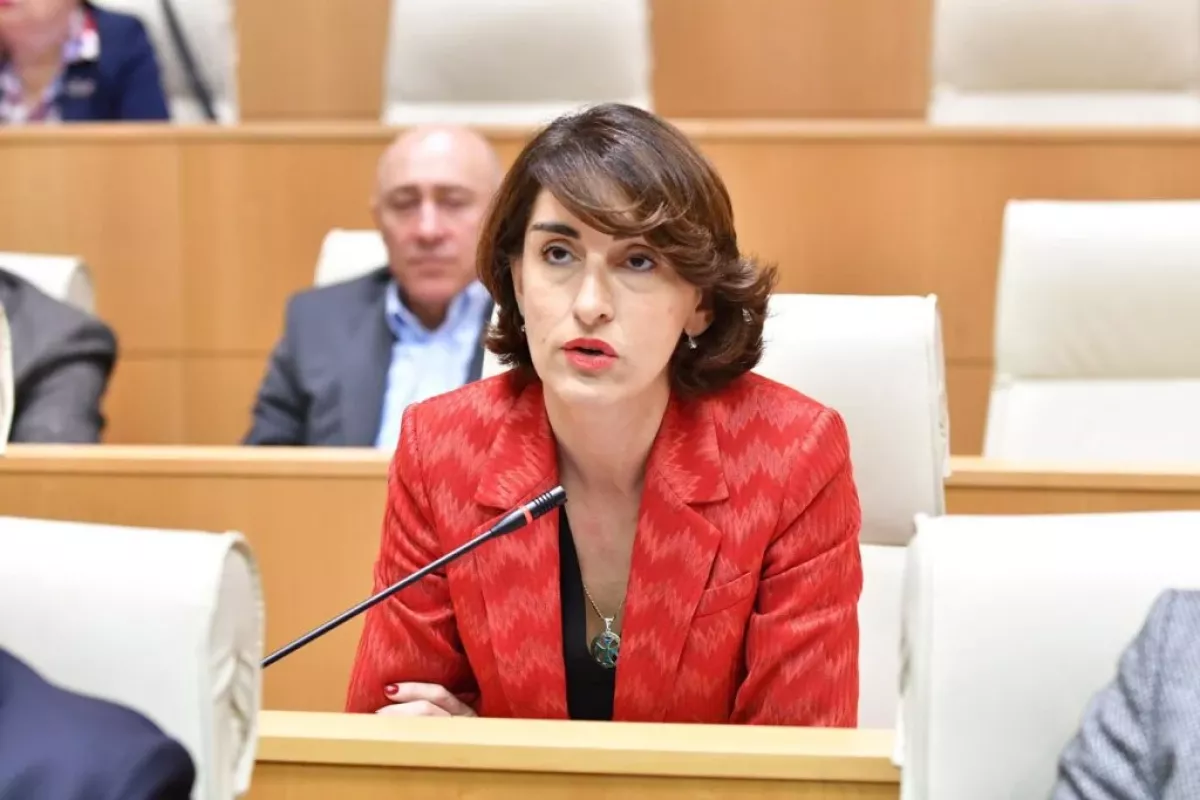
“Instead of blackmail - let there be action. We are ready to launch negotiations with the European Union as soon as the European Union Council makes its decision,” she said. According to her, discussions on accession are possible provided that Brussels returns to fulfilling its obligations under the Association Agreement and engages in full political dialogue. She also recalled that on July 9, 2024, the EU Ambassador to Georgia, Paweł Herczyński, explaining the European Council’s decision of June 27, 2024, announced the suspension of Georgia’s accession process to the European Union.
The issue of “resuming European integration” was raised at the initiative of the “For Georgia” party of former Prime Minister Giorgi Gakharia. On April 15, 2026, MPs from this party summoned Maka Botchorishvili to parliament and urged her to answer 19 questions concerning the suspension of Georgia’s EU integration process and other foreign policy issues.
The Foreign Minister’s statement about readiness to resume dialogue can be considered significant. It is evident that pressure is being exerted on the Georgian authorities, including through Giorgi Gakharia’s party, which is associated with German influence. Europeans are also concerned about the prospects of increasing Russian influence in Georgia. It is no coincidence that one of the opposition’s main concerns has been the possible restoration of diplomatic relations with Russia. In this regard, Maka Botchorishvili urged not to worry: “Under conditions of Russia’s occupation of part of Georgia’s territory, there can be no talk of restoring rail links or diplomatic relations.”
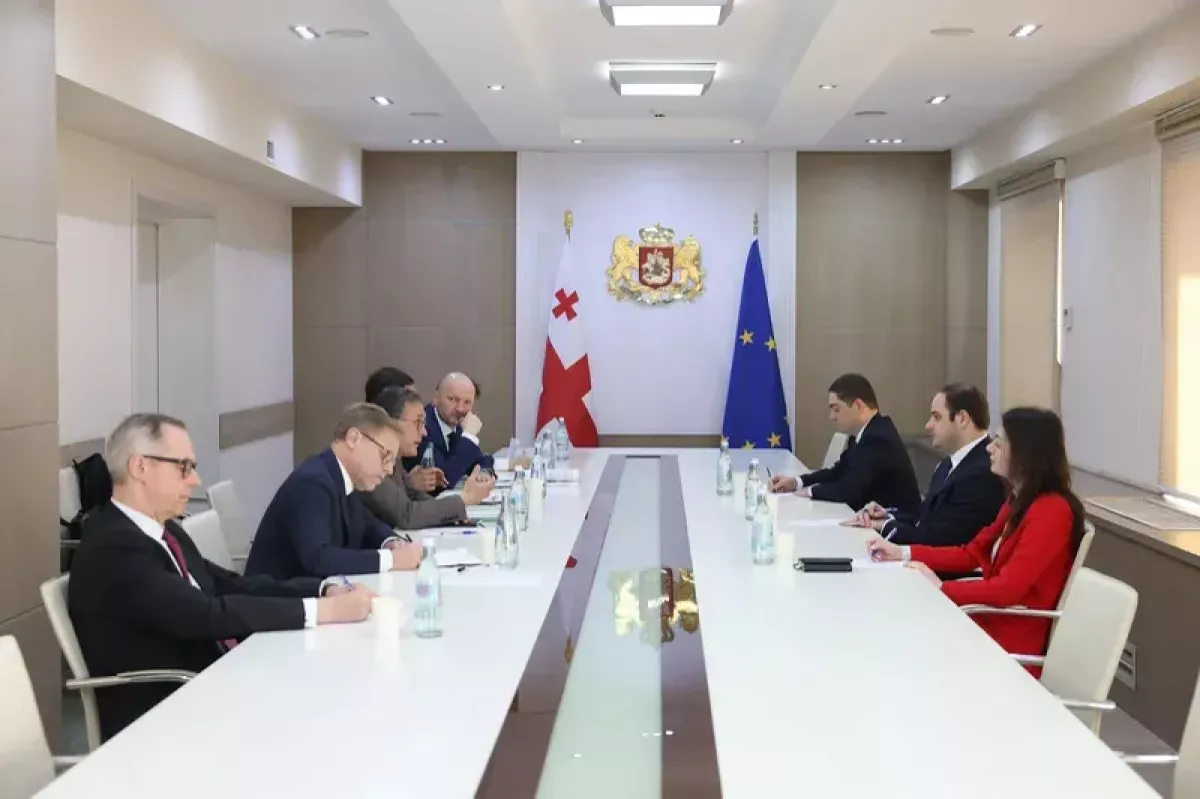
That the issue of European integration was raised not by coincidence was confirmed by events the following day. On April 16, 2026, a delegation from the “Weimar Triangle” countries visited Georgia, including the Director for Eastern Europe, the Caucasus, and Central Asia at the Federal Foreign Office of Germany, Niklas Wagner; the Director for Continental Europe at the Ministry for Europe and Foreign Affairs of France, Brice Roquefeuil; and the Deputy Director of the Department for Eastern Neighborhood Policy and Enlargement at the Ministry of Foreign Affairs of Poland, Michał Giergoń.
Notably, the “Weimar Triangle” brings together EU countries with the most significant military potential, which is being actively expanded. This applies not only to Germany and France, but also to Poland, whose defence spending has reached 4.81% of GDP — higher than in other EU countries and almost approaching the 5% benchmark set for NATO members at the Hague summit.
In addition to the now routine meetings with opposition leaders, the delegation held talks with the head of the Georgian government administration, Levan Zhorzholiani. Following the meeting, it was stated that Georgia intends to continue reforms provided for under the Association Agreement and the Deep and Comprehensive Free Trade Area (DCFTA) agreement.
Immediately after the visit of the “Weimar Triangle” representatives to Tbilisi, the Russian Foreign Ministry issued a warning about the possible consequences of Georgia’s European integration. Although the meetings did not address the country’s imminent accession to the EU, Russian Foreign Ministry spokesperson Maria Zakharova stated that EU membership means “forced accession” to anti-Russian sanctions.
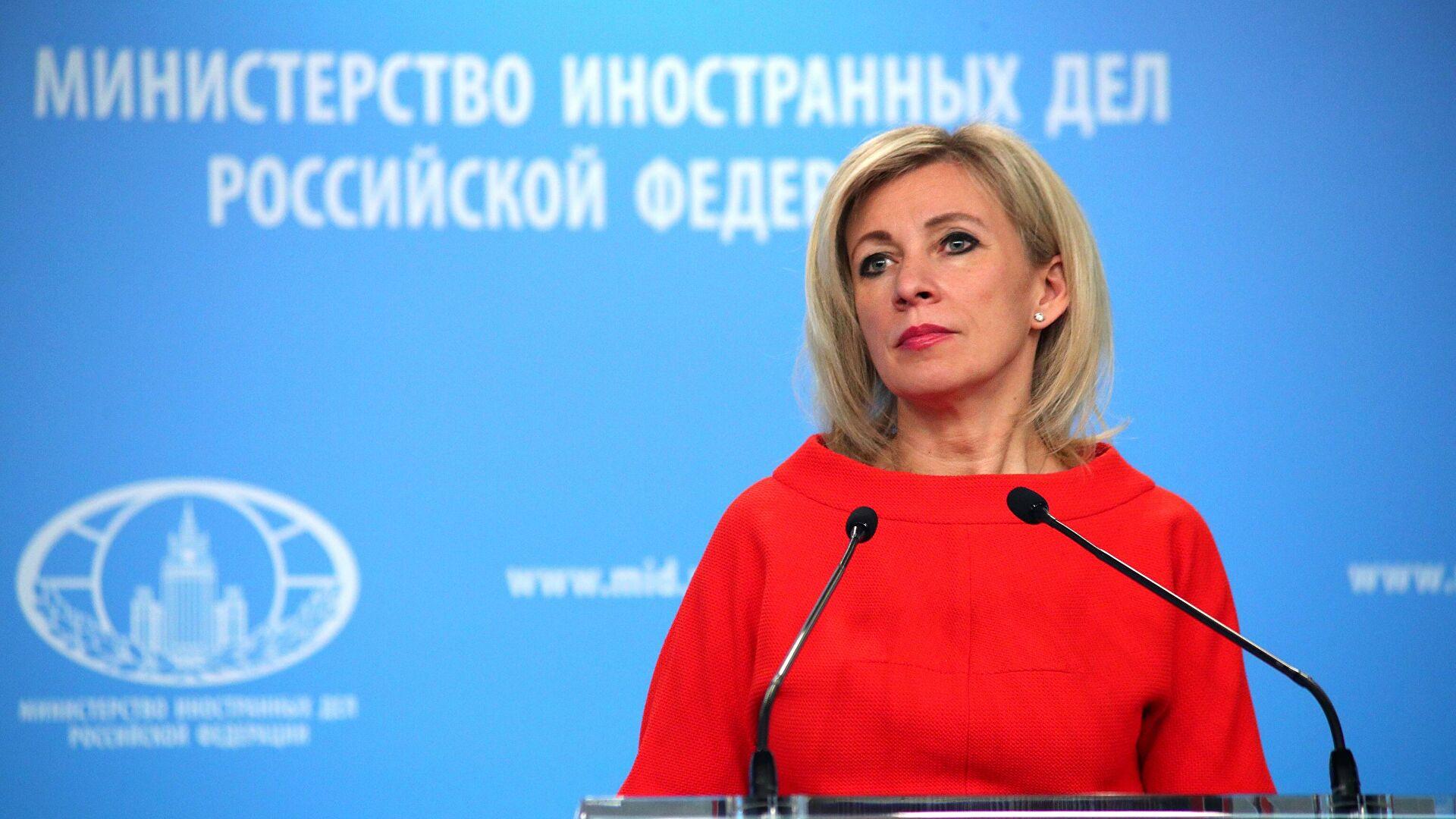
“What would this mean for Georgia in practice? For example, the suspension of air traffic with Russia, the introduction of a strict visa regime… Russia would have to include Georgia on the list of countries with unfriendly regimes and extend reciprocal economic measures to it, with all the ensuing consequences for Georgian producers of mineral water, fruit, wine — everything that is supplied to our country,” Zakharova said.
According to her, the European Union “imposes unjustified sanctions, provokes anti-Russian actions, almost openly supports attempts to organise a coup d’état, imposes alien values on the Georgian people, and in effect forces them to abandon their own culture and identity.”
“We do not quite understand how Tbilisi can aspire to join this union… Essentially, Brussels is pushing Georgia towards what, as everyone already knows, is an abyss,” she stressed.
The sharp reaction of the Russian Foreign Ministry immediately after the meeting between Georgian authorities and representatives of the “Weimar Triangle” shows that Georgia’s European integration is no longer solely about economics and free trade. Especially given that geographically the country is distant from the EU and is only limitedly integrated economically with it.
Today, European integration for candidate countries is increasingly viewed as part of a broader EU strategy linked to preparations for a potential large-scale military confrontation.
The key question is whether Georgia will be able to maintain neutrality and state resilience or, in a negative scenario, find itself on one side of the line of a potential conflict. As recent events in the Persian Gulf demonstrate, a small state located on or near strategically important communications routes can find itself "on the front line," even against its will. Before February 28, 2026, few would have expected that the UAE and other Gulf monarchies would be subjected to strikes on their territory due to the war between the United States and Iran, yet today this has already become reality. At the same time, the Middle East is only one theatre of what is still an unfolding Third World War.
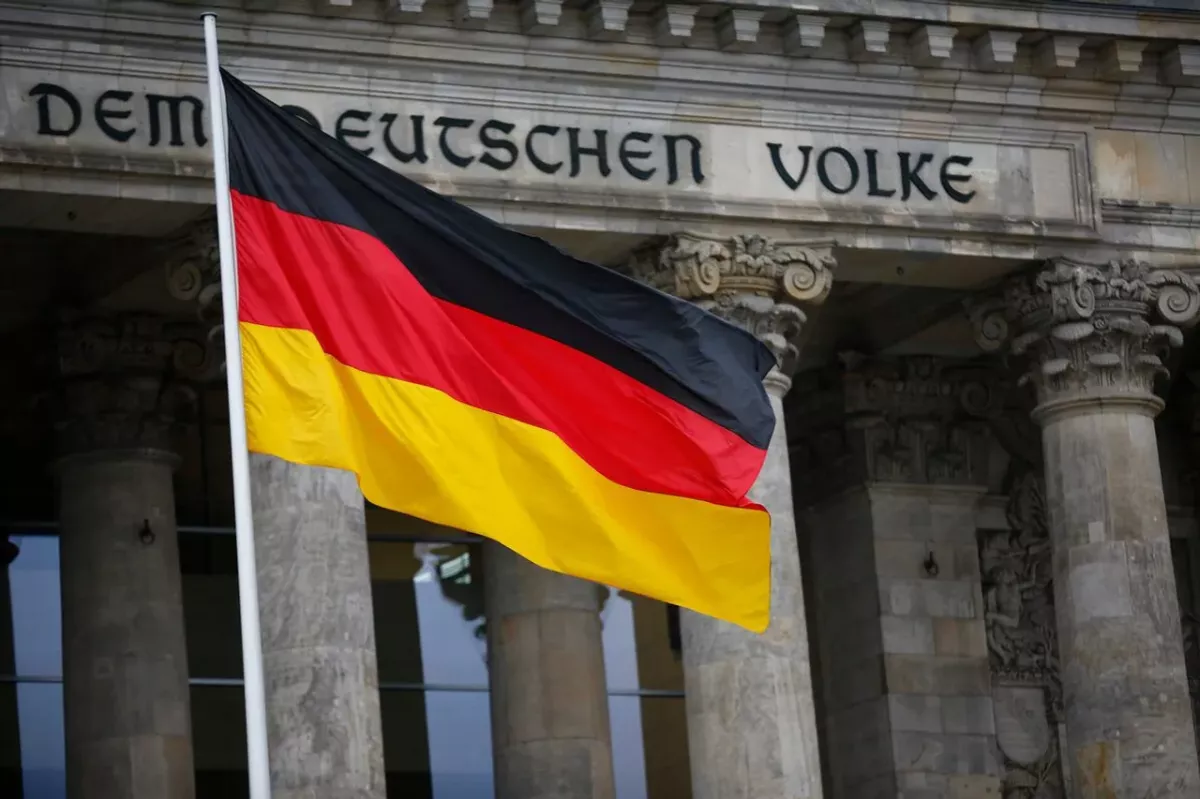
The fact that Germany is actively preparing for a “large war” in Europe is indicated by a number of signs. In particular, from January 1, 2026, a new version of the conscription law entered into force, providing for the requirement for men of draft age (17–45) to obtain permission to travel abroad for a period exceeding three months. This provision is not currently being enforced; however, in the event of Germany being drawn into a large-scale conflict, it could certainly be reinstated.
Poland is also actively building up its military potential, and should not be underestimated. It should be recalled that during the 2003 Iraq War, it effectively deployed the third most significant contingent after the United States and the United Kingdom. Moreover, following the war, Iraq was divided into four occupation zones — two American, one British, and one Polish — with the Polish zone including the Shiite holy cities of Najaf and Karbala.
Thus, at the beginning of the 21st century, Poland made a bid for the status of a military power and for a certain period obtained a zone of responsibility far beyond not only its modern borders but also its historical sphere of influence. Today, its army is significantly stronger than in 2003, and the perception among Polish politicians of the country’s “mission” as a frontline outpost of the Western world has not disappeared.
Attempts to promote these values, albeit so far in the form of “peaceful” support for pro-Western protest movements, have already been undertaken. At the same time, Georgia and the South Caucasus are significantly closer to Poland than Iraq or the Persian Gulf have ever been.
Poland’s absence from direct military involvement in the current conflict against Iran, unlike in 2003, is explained not so much by a pacifist stance, but rather by preparations for another potential conflict — with Russia. A number of experts consider such a scenario to be almost inevitable.
The strategic objective is also barely concealed — the weakening of Russian influence in the Baltic region, where Kaliningrad is located in close proximity to Poland. The first “signals” have already been observed: drone attacks on Russian ports in Ust-Luga and Primorsk. Russia has directly accused the Baltic states of facilitating the transit of Ukrainian UAVs. However, given the geography, such routes could also have passed through Polish territory.
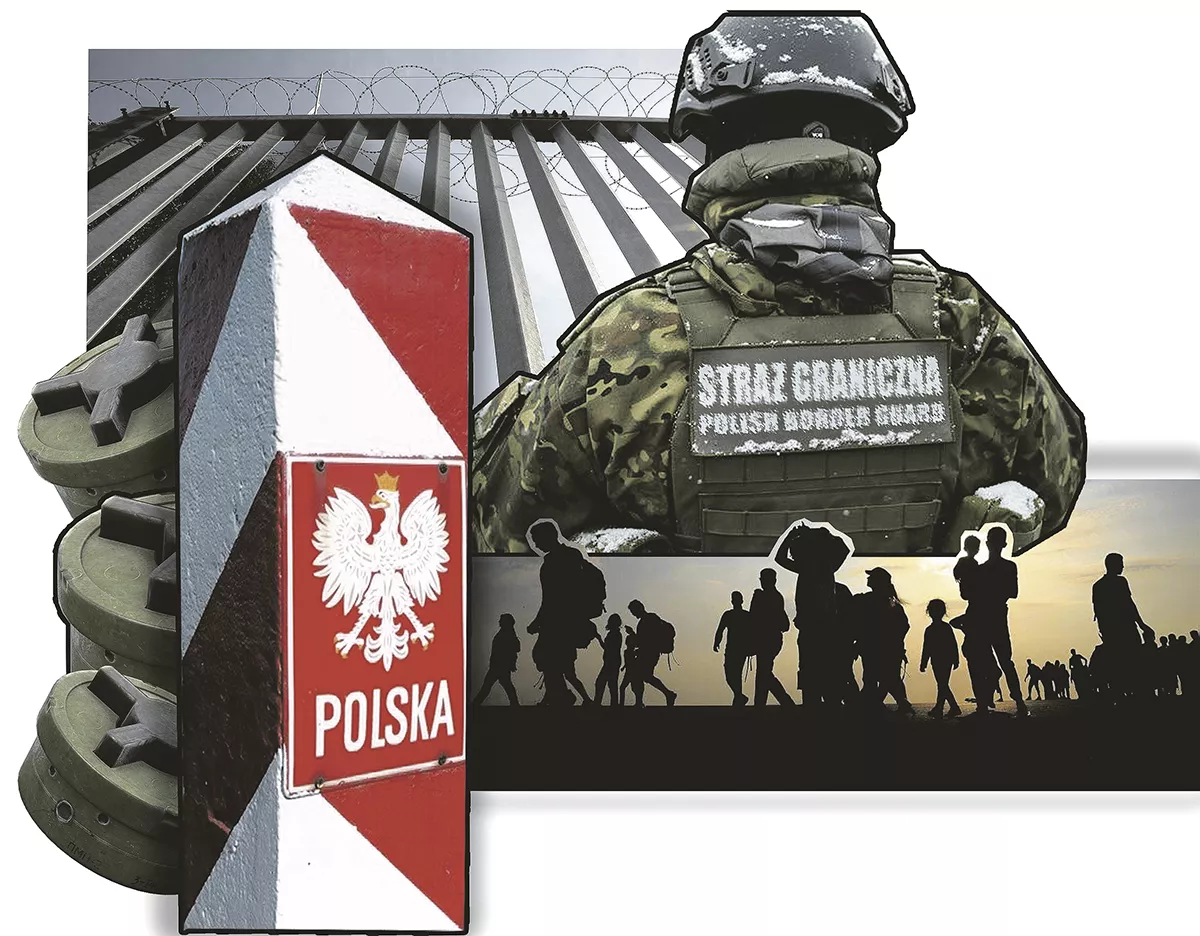
If such incidents continue, any one of them could become a formal pretext for the outbreak of a large-scale conflict involving Poland. At the same time, according to military experts, the Baltic states in such a scenario could be quickly sacrificed, despite their membership in the EU and NATO. The example of the Gulf countries shows that even close economic ties do not guarantee security.
Within the framework of strategic planning for a possible war in Europe, the question of opening a “second” or even “third front” (if the Russia–Ukraine conflict is not yet resolved or frozen by that time) is increasingly being raised. The initiative could come from either side.
For Russia, a simultaneous escalation in the Baltic region, restrictions on Black Sea communications (which are already occurring due to drone strikes on ports), and a possible blockade of the “North–South” corridor through the Caspian Sea, Iran, and the port of Bandar Abbas could significantly reduce its room for manoeuvre. In such a case, the key route between Eurasia and the West could become the Middle Corridor and Georgia’s Black Sea ports. The importance of this route under certain conditions could become comparable to the Strait of Hormuz — and possibly even exceed it. Just as war in the Middle East sharply increased the stakes around Hormuz, a similar increase in significance could also occur in relation to Georgia.
The main question is who, in the event of an escalation of a global conflict, will control Georgia and the communications passing through it. Against this backdrop, discussions about the country’s prospects for joining the EU appear more like political cover. Georgia’s current authorities are not interested in being drawn into war on either side, especially in exchange for uncertain prospects of European integration. At the same time, European countries are interested in having a strategic foothold in the South Caucasus.
Attempts to change power in Tbilisi through protest scenarios have so far been unsuccessful, while waiting for the 2028 elections in order to bring loyal forces to power may be a luxury external actors do not have time for.
Within this logic, the current Georgian leadership is increasingly being pushed towards accelerated European integration, which in practice may mean involvement in a future conflict “on the right side”.
Thus, pressure on Georgia is already being exerted today from both West and East — in the context of a forming line of potential global confrontation.
By Vladimir Tskhvediani, Georgia, exclusively for Caliber.Az







 editor@caliber.az
 +994 55 444-88-98
 Азербайджан, Баку, ул. Низами, 203, Af Business House, 5-й этаж