










May 9: A flashpoint of tension Will the Ukrainian Armed Forces strike Moscow?
As is well known, the Russian side traditionally attaches great importance to dates and events associated with May 9. Evidence of this was seen in Russian President Vladimir Putin’s recent conversation with U.S. President Donald Trump, during which Putin proposed declaring a ceasefire with Ukraine specifically for that date.
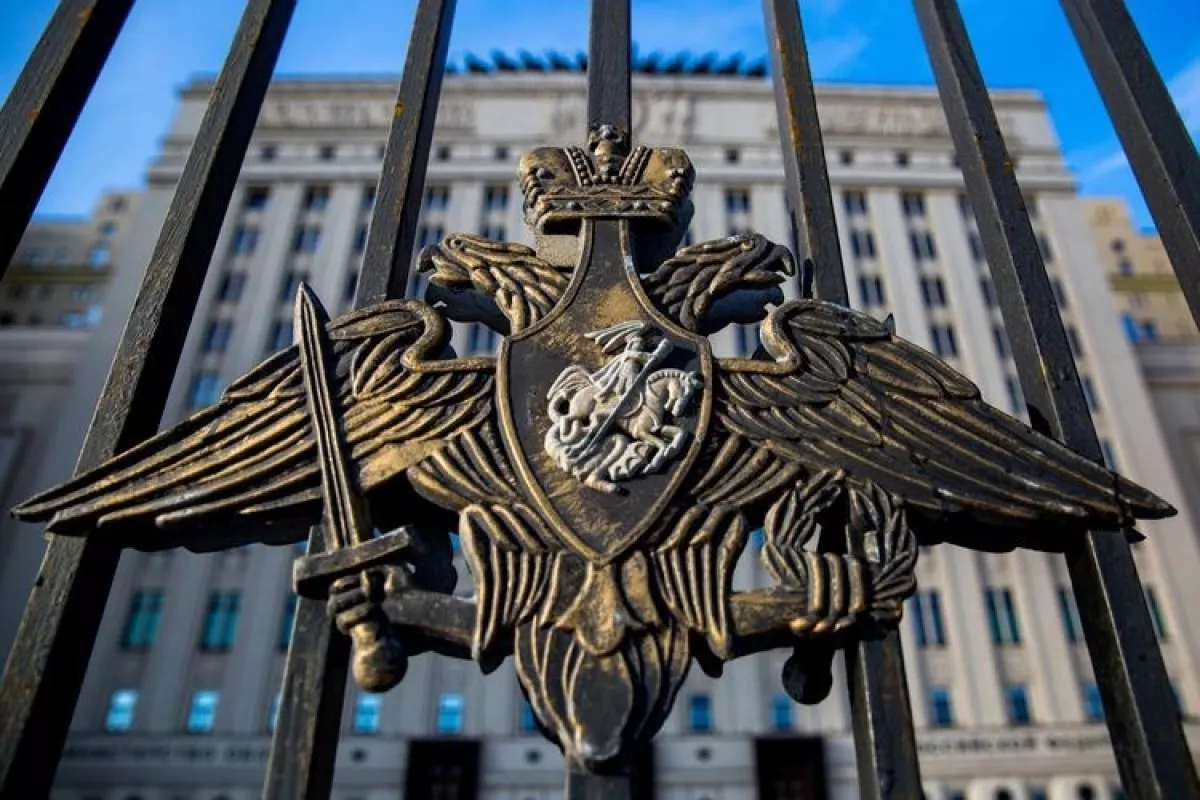
On the eve of the celebrations, Russia officially announced a ceasefire from 00:00 on May 8 until May 10. In a statement on the matter, the Russian Ministry of Defence said that Russian forces would “completely cease combat operations along the frontline” during this period.
“At the same time, strikes by missile forces and artillery, long-range precision weapons launched from sea- and air-based platforms, as well as attack unmanned aerial vehicles against Ukrainian Armed Forces deployment sites and infrastructure facilities linked to the defence-industrial complex and the armed forces deep inside Ukrainian territory, will also cease,” the statement said.
At the same time, the statement also reiterated a threat previously voiced by the Russian side to launch a “massive missile strike on central Kyiv” in the event of attempts to “disrupt the celebration of the 81st anniversary of Victory in the Great Patriotic War in Moscow.”
“If Ukraine violates the ceasefire, the Russian army will deliver an adequate response,” the Russian defence ministry warned.
For his part, later that same evening, Ukrainian President Volodymyr Zelenskyy published an address in which he recalled that Kyiv had proposed establishing a ceasefire starting from midnight on May 6. However, according to him, Russia never officially responded to the proposal and continued carrying out strikes on Ukrainian cities and frontline positions.
“They [the Russian authorities] want Ukraine’s permission to hold their parade, so that they can safely walk through the square for one hour once a year — and then continue killing our people and waging war,” he said.
“We have received messages from certain states close to Russia saying that their representatives intend to be in Moscow. A strange desire… at a time like this. We do not recommend it,” Zelenskyy added.
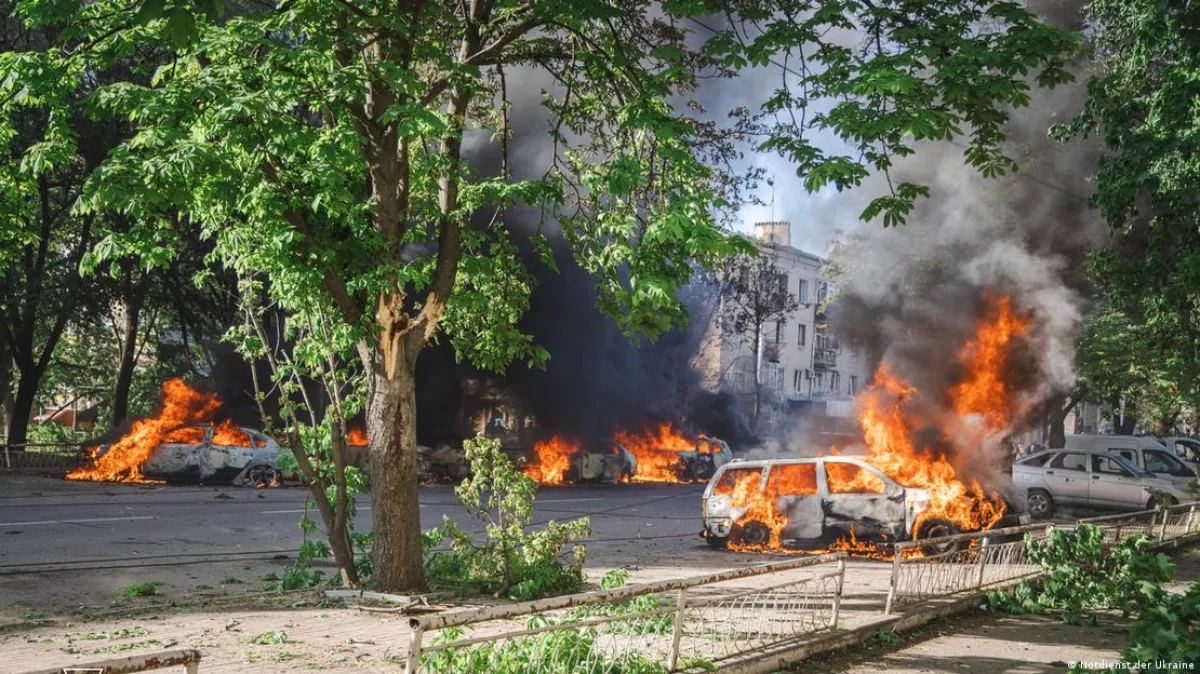
And here it must be noted that Kyiv’s response appears entirely symmetrical. To avoid sounding unfounded, it is worth recalling that Russia ignored the ceasefire declared by the Ukrainian side on the night of May 5–6 and carried out massive strikes on Kharkiv, Zaporizhzhia, Kherson, and Kryvyi Rih. Moreover, in central Sumy, two Russian drones struck a kindergarten building. As a result of these actions, civilians were once again killed and injured.
The reaction within Ukrainian society was naturally proportionate: President Volodymyr Zelenskyy is being urged to deliver the harshest possible response, with a specific target repeatedly named for drone and missile strikes — Moscow and Red Square.
And judging by the above-mentioned statement, the Ukrainian leader intends to take into account the sentiments of citizens who have been living for more than four years under constant missile and drone attacks. At the same time, even loud threats from Russia have failed to produce the desired effect.
This concerns, in particular, reports that the Russian Foreign Ministry sent a note to diplomatic missions and international organisations accredited in Ukraine warning of possible strikes on the Ukrainian capital, including against so-called “decision-making centres,” in the event of attacks on Moscow on May 9.
Russia’s foreign ministry also reportedly called on foreign states, if necessary, to evacuate their diplomats and citizens from Kyiv in advance.
However, for example, the European Union does not plan to alter the size of its diplomatic mission in Kyiv following Russia’s statements. This was confirmed on May 7 in Brussels by EU foreign affairs spokesperson Anouar El Anouni.
And this is a highly revealing moment, because the current situation differs radically from what was observed before the outbreak of the Russian-Ukrainian war.
Back in late January 2022, the United States, the United Kingdom, Australia, and Germany began partially evacuating diplomats’ family members and non-essential personnel. On February 12–14, the U.S. State Department officially announced the suspension of consular services in Kyiv and the relocation of part of its staff to Lviv. Many Western countries urged their citizens to leave Ukraine.
As a result, on the day the war began, most of the remaining Western embassies announced either their closure and temporary relocation to Lviv or the evacuation of staff from the country altogether.
Now, as we can see, the situation is unfolding in exactly the opposite direction.
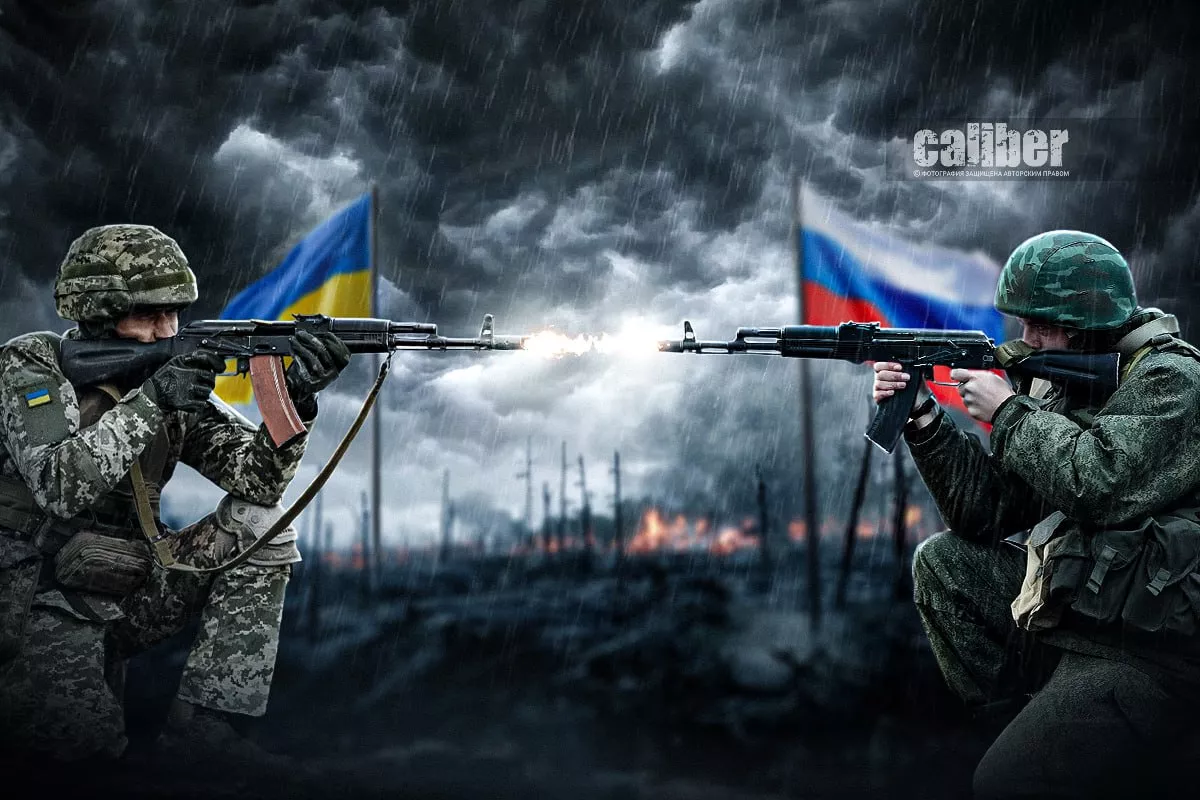
So, will Ukraine ultimately strike Moscow on May 9 — and Red Square in particular? I believe not. It appears more logical to expect Ukrainian attacks on other Russian cities, especially given that the Kremlin has effectively “stripped bare” many regions by redeploying air defence systems from across the country to the capital, the Moscow Oblast, and Saint Petersburg.
In this context, it is worth recalling a recent publication by Bloomberg, which focused on the significant expansion of Ukraine’s long-range strike capabilities, including the use of unmanned systems. Put simply, Ukrainian drones are now reportedly capable of reaching up to a quarter of Russian territory, where more than 70 per cent of the population resides.
This factor carries not only military, but also psychological and political significance. For the first time in a long while, Russian society is finding itself in a situation where the consequences of the war are no longer abstract, but tangibly felt.
This is changing perceptions of the conflict within Russia itself and gradually eroding the previous model of detached observation. It is entirely possible that May 9 could become the day when residents of various Russian cities experience for themselves what Ukrainians have endured for more than four years.







 editor@caliber.az
 +994 55 444-88-98
 Азербайджан, Баку, ул. Низами, 203, Af Business House, 5-й этаж