










Concerns out of place France once again preoccupied with the South Caucasus
The French Senate has once again decided to put on concerned expressions and deliver concerned speeches about developments in the South Caucasus. This time, during public hearings in the upper chamber of the National Assembly on 6 May, Senator Étienne Blanc asked the Minister for Europe and Foreign Affairs of France, Jean-Noël Barrot, what steps Paris is taking in response to the “destruction by Azerbaijan of Christian heritage in ‘Nagorno-Karabakh’” as well as the “detention of Armenian prisoners in ‘inhumane conditions’.”
Barrot responded briskly in the sense that the issue of Christian heritage remains at the centre of the French government’s attention, while also adding something rather vague about the need to work in this direction through UNESCO and the International Court of Justice of the United Nations.
At the same time, it is noteworthy that the minister chose not to answer the question about the “Armenian prisoners,” stating instead that on all other matters related to Armenia, attention should be drawn to the French president’s state visit to Yerevan and the European Political Community summit held in the Armenian capital, which symbolise the country’s integration into the European family of nations.
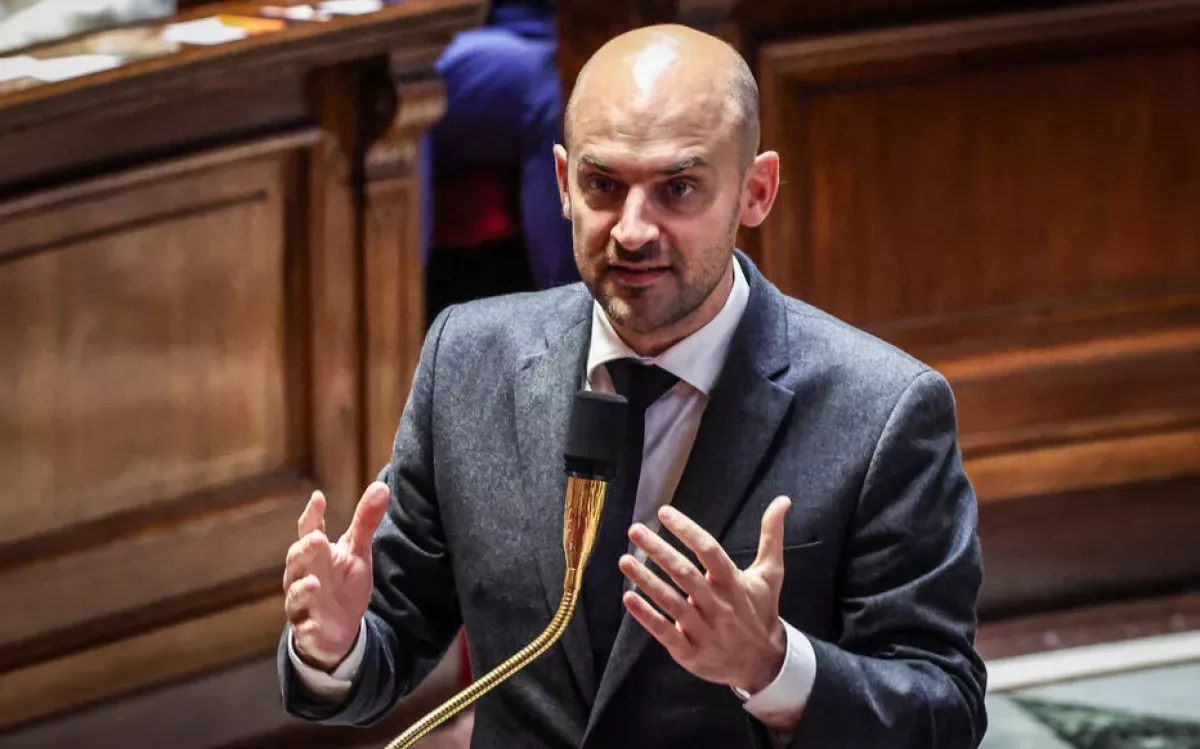
In Baku, this “unity” is unlikely to attract much attention. However, the mere fact that the French minister resorted to false narratives and the anachronistic term “Nagorno-Karabakh” was sufficient for Azerbaijan’s Ministry of Foreign Affairs, through its spokesperson Aykhan Hajizada, to issue a statement firmly rejecting Barrot’s remarks regarding the country.
According to Hajizada, the French minister’s use of the term “Nagorno-Karabakh” in reference to the Karabakh region, which is the sovereign territory of Azerbaijan, is unacceptable.
“At a time when conditions for lasting peace have been created in the region following the just war waged by Azerbaijan on its sovereign territories within the framework of the norms and principles of international law, we strongly condemn such provocative statements by the French side, which question Azerbaijan’s sovereignty over its territories and cast doubt on the protection of cultural and religious heritage.
It is a clear example of a double standards that the French Minister, who ignores the destruction of hundreds of mosques and other cultural heritage sites in the Azerbaijan’s territories during Armenia’s occupation, comments on the demolition of certain structures dating back to the occupation period and makes inappropriate references to the proceedings before the International Court of Justice,” the Azerbaijani Foreign Ministry spokesperson noted in particular.
In addition, the ministry stated that France’s calls to send an assessment mission from UNESCO to Karabakh distort the reality on the ground. Hajizada reminded that Azerbaijan had repeatedly taken the initiative to host such missions, but their implementation was obstructed, including by Armenia and France. This fact, the Foreign Ministry noted, is reflected in UNESCO’s 2005 report.
Notably, the new wave of hysteria regarding an alleged threat to “Armenian historical heritage in Karabakh” was triggered by the demolition, at the end of last month, of an illegally constructed religious building built during the years of occupation in the city of Khankendi.
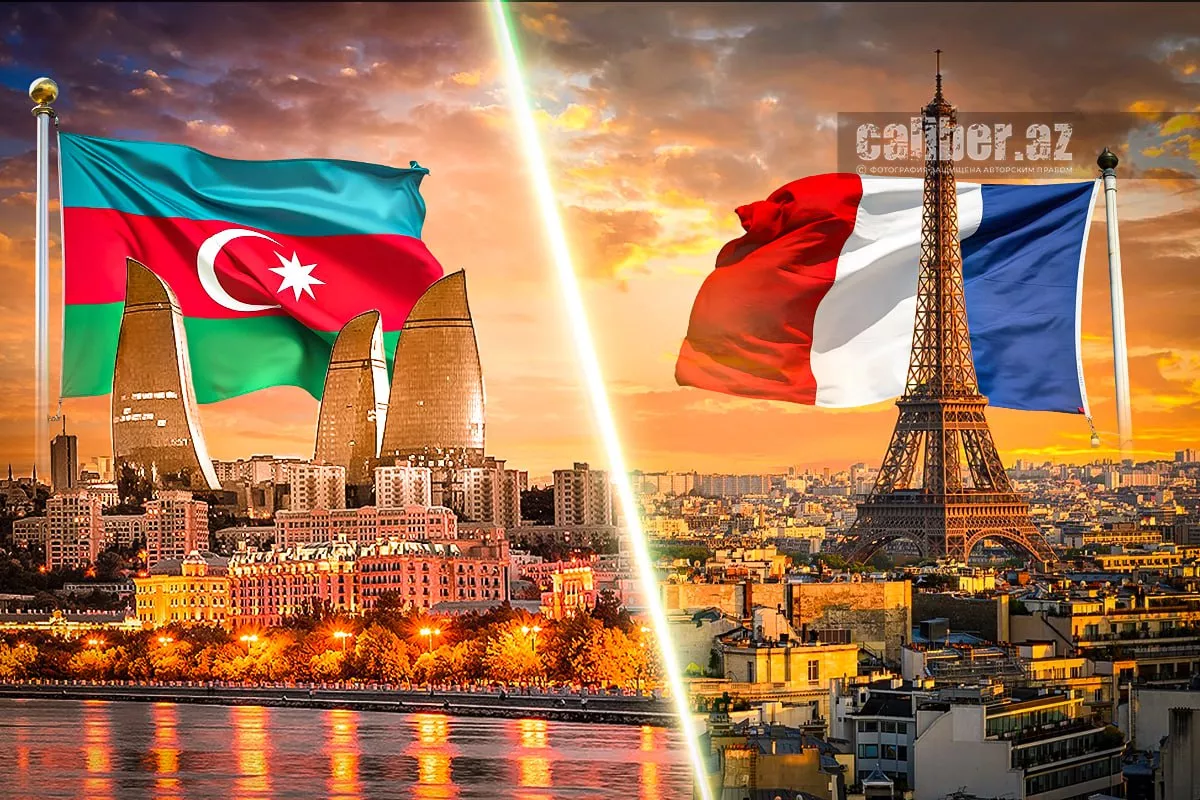
It is noteworthy that official Yerevan itself, fully aware of the lack of historical value of the demolished church, did not react in any way to the event. Thus, in recent months, we have witnessed a truly absurd picture, where certain political circles in the West, and especially legislative bodies in a number of countries, through their statements and initiatives, undermining the peace process in the South Caucasus, are effectively working against the interests not only of Azerbaijan but also of Armenia.
Returning to the issue of preserving Christian heritage, it should be noted that in the aforementioned comment by Azerbaijan’s Foreign Ministry, Aykhan Hajizada emphasised that historical and religious monuments located on the sovereign territory of Azerbaijan are part of the country’s national cultural heritage and are protected regardless of their origin or secular or religious affiliation.
In this context, it is worth recalling how representatives of the diplomatic corps accredited in Azerbaijan recently visited the Gazanchi Church in Shusha, built in the second half of the 19th century.
Moreover, Baku has always been sensitive to the issue of historical monuments and has contributed to their preservation not only in Azerbaijan but also worldwide. In this context, the activities of the Heydar Aliyev Foundation in restoring monuments of medieval architecture in the Vatican are widely known.
Azerbaijan enjoys an excellent reputation in this regard, and it cannot be undermined by a handful of Turkophobic and Islamophobic voices in France or any other country. The French Parliament—specifically its upper chamber in this case—presents a rather dismal spectacle, where instead of addressing the pressing issues that have accumulated in France and around the world, it is busy debating yesterday’s news, which, moreover, never even existed.







 editor@caliber.az
 +994 55 444-88-98
 Азербайджан, Баку, ул. Низами, 203, Af Business House, 5-й этаж