










Diplomacy without intermediaries Facts vs. the European Parliament’s stereotypes
Against the backdrop of yet another anti-Azerbaijani resolution adopted by the European Parliament, a highly significant and illustrative development was the visit of members of the diplomatic corps accredited in Azerbaijan to Karabakh and East Zangezur.
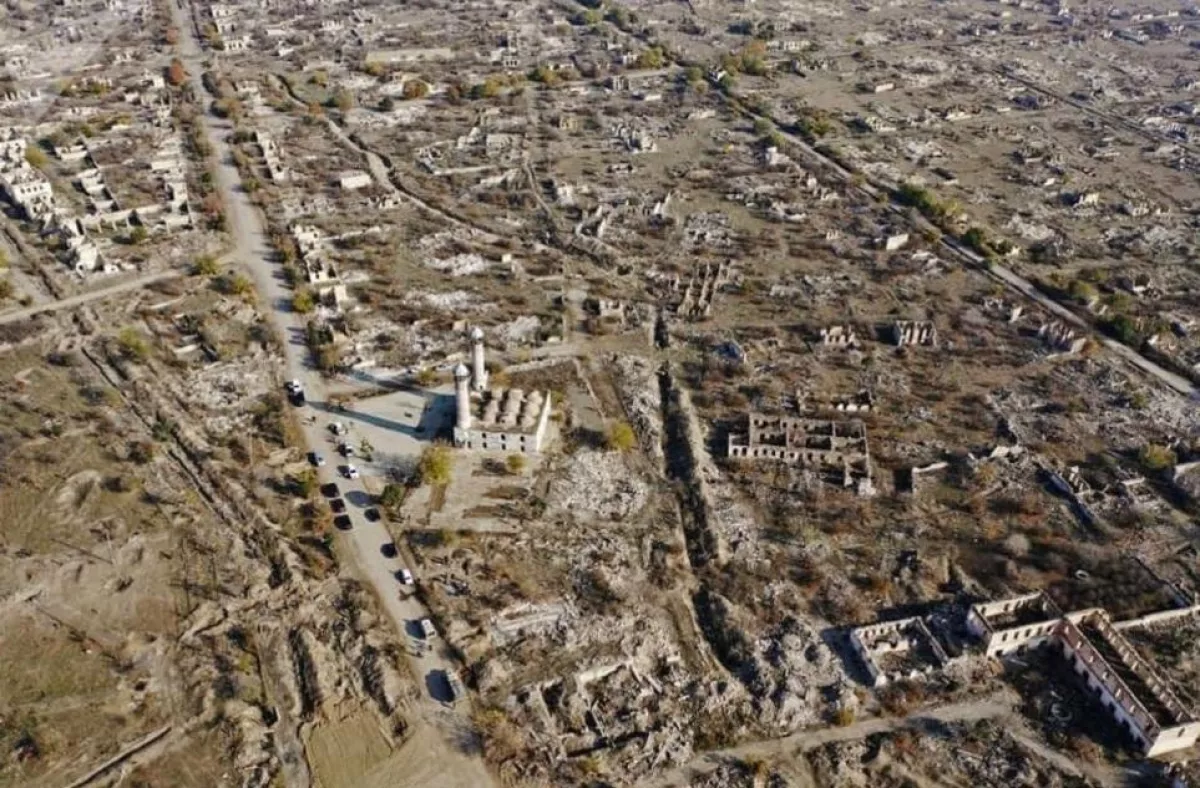
As is well known, for decades, Karabakh was associated exclusively with conflict, military operations, destruction, and humanitarian tragedy. The consequences of the long-term occupation of Azerbaijani territories are staggering in scale — including a large number of missing persons whose fate remains unknown to this day, destroyed cities and villages, devastated infrastructure, ecocide, and landmines that contaminate up to 12–13% of the country’s territory and pose an ongoing threat.
Despite this difficult legacy of conflict, Azerbaijan demonstrates its readiness for long-term peace, emphasising its commitment to the principles of good-neighbourliness and regional responsibility, and consistently implementing its declared goal of revitalising Karabakh and East Zangezur.
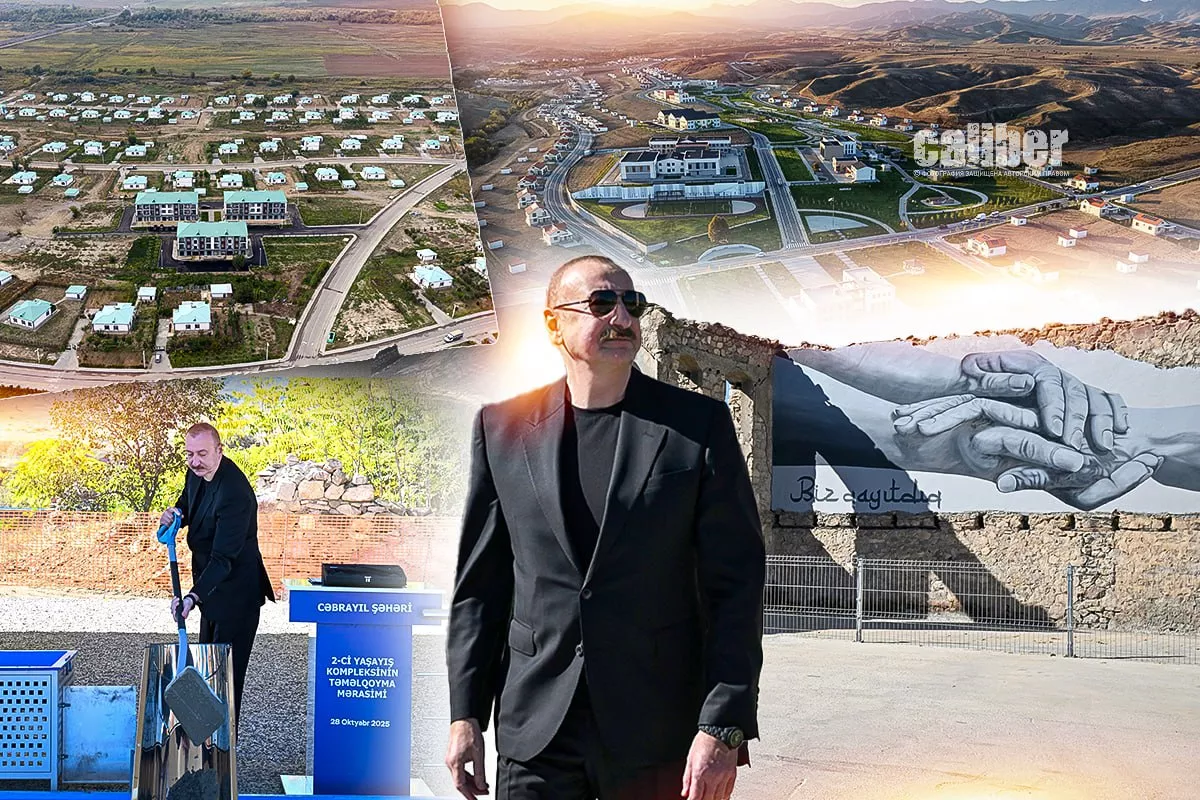
Today, new modern settlements are being built on the site of former ruins, economic zones are being created, and infrastructure is being developed — all of which are being implemented by the Azerbaijani state using its own resources. Particular attention is drawn to the transformation of Khankendi, which is increasingly acquiring the features of a peaceful and dynamic regional centre. Educational institutions such as Karabakh University are being opened here, and a new socio-economic environment oriented towards the future is taking shape.
This represents a fundamentally different image of the region — Karabakh and East Zangezur are gradually leaving behind the years of occupation and are turning into a space of development, innovation, and sustainable growth.
Against this backdrop, the meaninglessness and irrelevance of the European Parliament’s anti-Azerbaijani resolution becomes even more evident. It carries neither legal force nor any practical mechanism for implementation, and — most importantly — it lacks any grounding in the objective reality on the ground.
It is particularly telling that such “documents” are typically adopted at moments when regular contacts between Baku and Yerevan are taking place at various levels, including discussions on border delimitation and trade and economic issues. In other words, a new status quo is being consolidated in the region, based on the principles of international law, mutual recognition of sovereignty, and sound pragmatism. In this context, the priority is shifting away from confrontation towards cooperation, both on a bilateral level and in a broader regional format.
Against this backdrop, the visit of more than 150 ambassadors, diplomats, military attachés, and other representatives of the diplomatic corps from 62 countries and international organisations to the Azerbaijani territories liberated from occupation acquires particular significance. This visit was not merely a familiarisation tour; it served as an instrument of direct diplomacy, enabling participants to form an understanding of the situation without intermediaries or political filters.
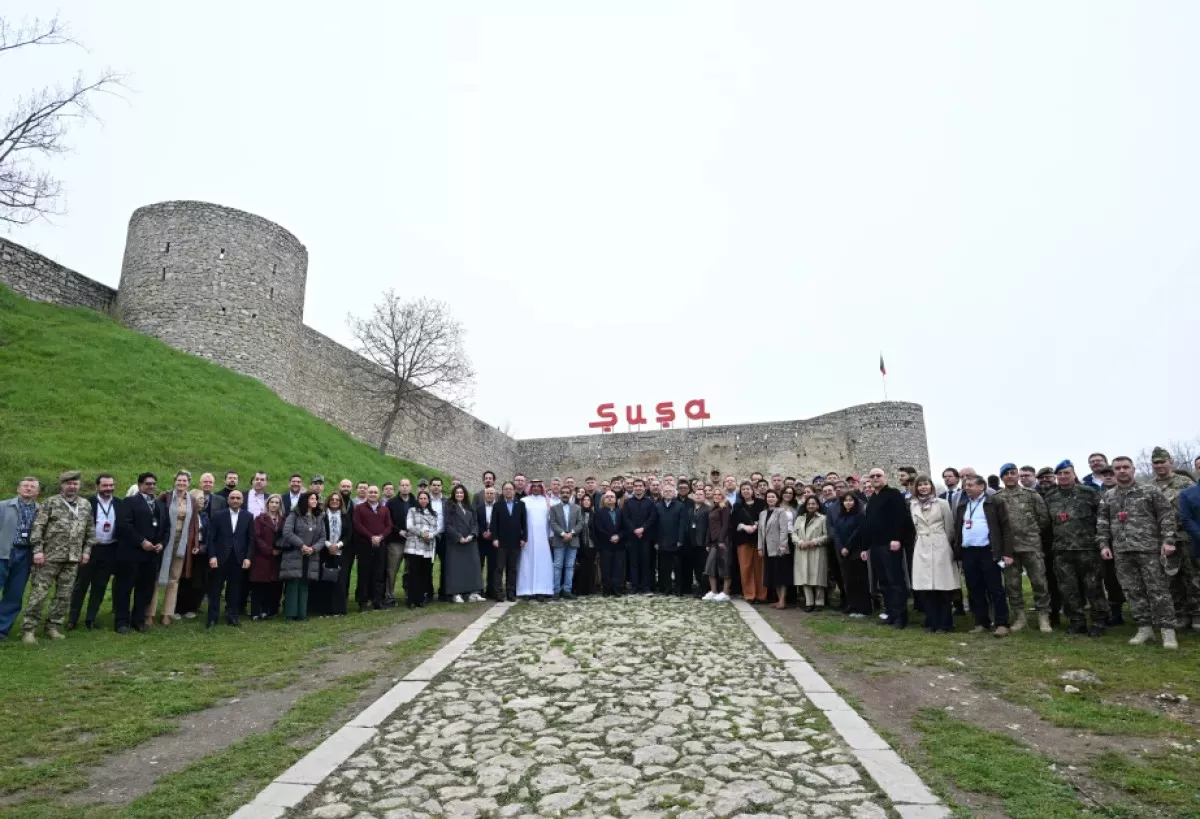
Such a format of engagement can be seen as a far more effective way of conveying the truth to the international community than declarative documents adopted within European institutions. Visual and first-hand perception of reality inevitably has a stronger impact than any textual resolutions.
This visit is also a response to those who continue to rely on outdated or distorted perceptions of the situation in our region and make certain attempts to undermine the fragile de facto peace that has been established in the South Caucasus. However, such actors should take into account the following indisputable truth: the future of the region is determined by the actions of regional states and their commitment to dialogue, and no external force is capable of altering this constant.







 editor@caliber.az
 +994 55 444-88-98
 Азербайджан, Баку, ул. Низами, 203, Af Business House, 5-й этаж