










UAE shifts course: disappointment in OPEC and a bet on Israel Analysis by Shereshevskiy
On April 28, the United Arab Emirates (UAE) announced its withdrawal from the Organisation of the Petroleum Exporting Countries (OPEC), as well as from the OPEC+ format. The decision is driven by both economic and political reasons.
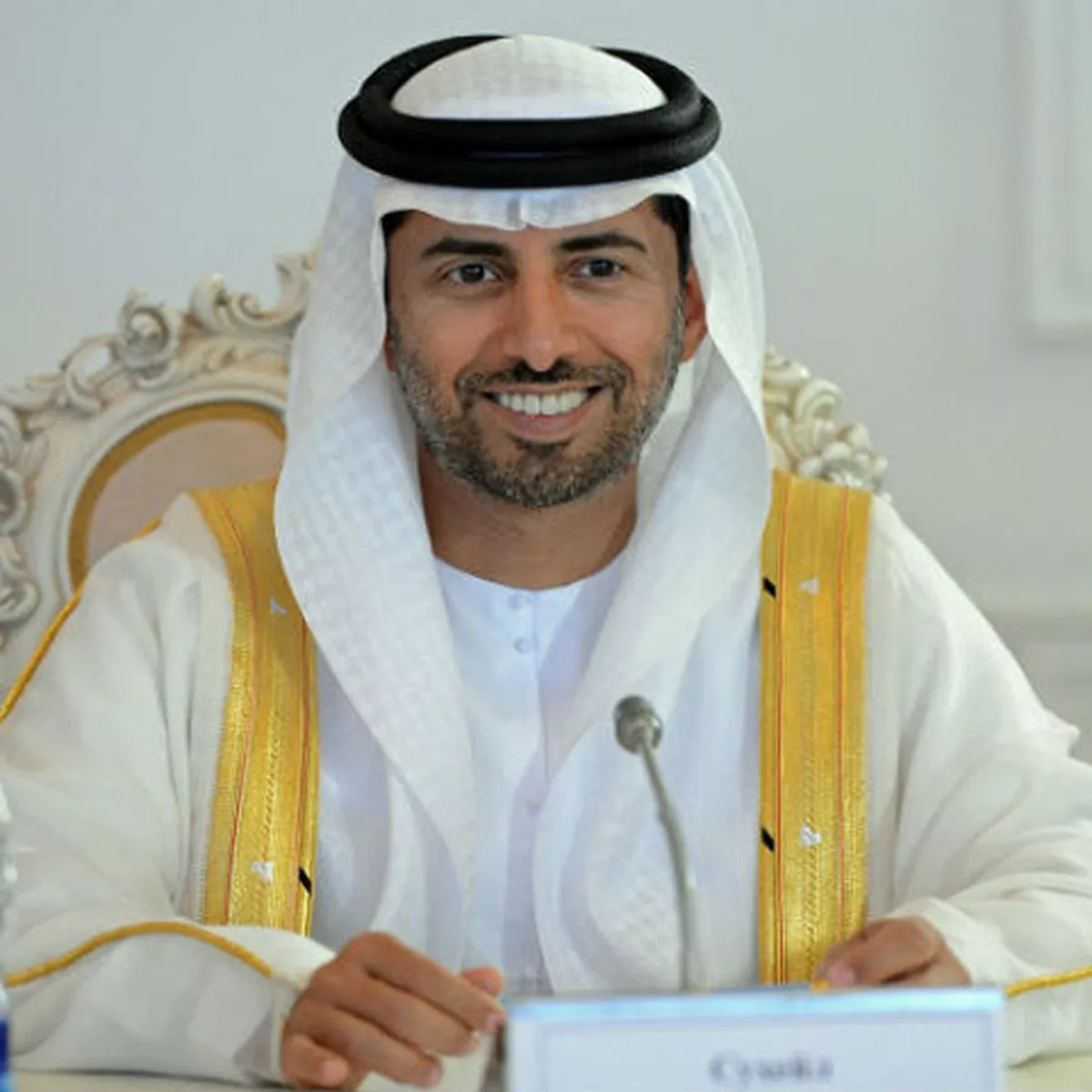
UAE Energy Minister Suhail Al Mazrouei told Reuters that the decision was made by the country’s leadership after reviewing its energy strategy. Officially, the UAE intends to leave these alliances on May 1.
This step by Abu Dhabi will not have an immediate impact on oil volumes on the market. Al Mazrouei confirmed this, noting that the current situation is shaped by developments in the Strait of Hormuz. It has been blocked by Iran, which has mined the waters and is carrying out missile and drone strikes on vessels attempting to pass without its permission. In turn, the United States is blocking Iranian ports, hindering the export of Iranian oil. These factors have led to a sharp reduction in oil supplies to the global market. Until recently, about 20 per cent of global oil trade passed through the Strait of Hormuz.
The UAE continues to export about 2 million barrels of oil per day through the port of Fujairah, located outside the Strait of Hormuz. However, due to the ongoing blockade, its export capacity has been significantly reduced: before the conflict, volumes stood at around 3 million barrels per day. Under the current infrastructure constraints at Fujairah, increasing exports is not yet possible.
The decision comes amid a sharp political crisis in the Persian Gulf and rising oil prices, which could lead to a global economic recession. It “reflects the UAE’s long-term strategic and economic vision and evolving energy profile, including accelerated investment in domestic energy production,” the Emirates’ Energy Ministry said in a statement. This move is also linked to the country’s long-term political and defence plans.
Economic factors
The exit from OPEC reflects rising oil demand and ongoing instability in global markets.
“With demand nearing a peak, the calculation for producers with low-cost barrels is changing fast, and waiting your turn inside a quota system starts to look like leaving money on the table,” says Jorge León, head of geopolitical analysis at the research and consulting company Rystad Energy.
As noted earlier, before the conflict, the UAE was producing about 3 million barrels of oil per day, while its production capacity stood at around 4.8 million and continues to grow. In this context, the Emirates are seeking to fully realise their potential by strengthening their position in the global market. Leaving OPEC is viewed as a tool to accelerate the increase in production.

Axios analyst Ben Geman notes that the UAE’s decision to leave OPEC after more than 50 years of membership comes at a time when the country remains the group’s third-largest producer—after Saudi Arabia and Iraq. In his view, in the long term, this step will make it more difficult for the organisation to control production and prices.
A similar assessment is contained in a Rystad Energy analytical note: “A structurally weaker OPEC, with less spare capacity concentrated within the group, will find it increasingly difficult to calibrate supply and stabilize prices.”
UAE’s political and defence strategy is changing
Political considerations also played a significant role in the UAE’s decision. The U.S.–Israeli confrontation with Iran has fundamentally altered the situation in the Persian Gulf region, although the prerequisites for this had existed earlier. The Emirates no longer wants to depend on collective decisions made within pan-Arab organisations, as these do not provide it with an adequate level of security. This is no longer just about OPEC. Theoretically, the UAE could also withdraw from the Arab League, as well as from a number of other international organisations. It is possible that the Emirates have found more effective allies.
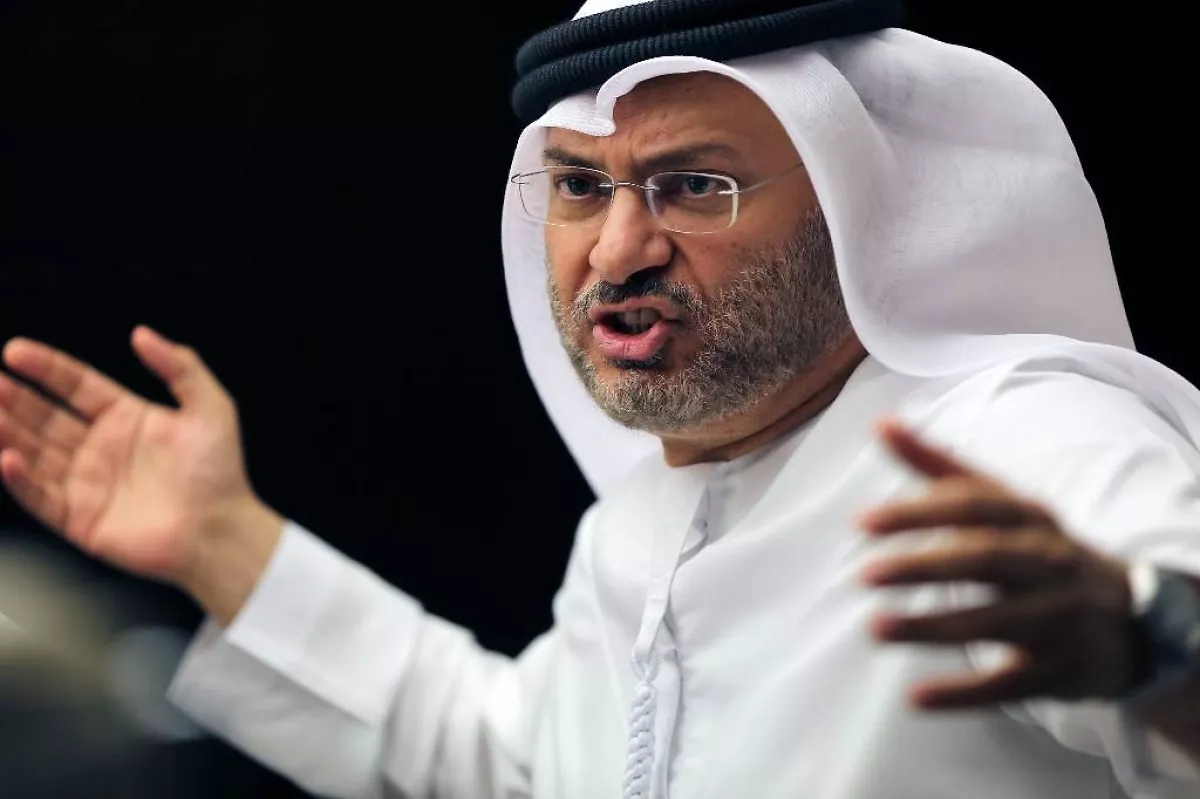
Anwar Gargash, diplomatic adviser to the UAE president, sharply criticised Arab countries. His frustration was triggered by their response to Iranian attacks. Since the start of the war—on February 28—the Emirates have been targeted by Iran more frequently than other Persian Gulf states. Around 2,200 drones and more than 550 cruise and ballistic missiles have been launched at their territory. Cities and critical infrastructure facilities have been among the targets.
However, Tehran has struck not only at the current situation but also at the UAE’s strategic prospects. The Emirates are actively modernising their economy by developing the technology sector, tourism, nuclear energy, and banking, attracting multi-billion-dollar investments, foreign specialists, and advanced technologies. Money prefers silence and stability, yet under conditions of Iranian strikes and the closure of the Strait of Hormuz, the entire strategy of transitioning to a post-oil future has, to put it mildly, been called into question. Moreover, the strait remains blocked, and Iran is claiming control over shipping in the area. This gives Tehran a powerful lever of pressure on regional countries, as it effectively gains the ability to regulate the passage of vessels. All of this is reshaping the Emirates’ military and political strategy.
Previously, the UAE relied on support and protection from the United States, cooperation with Arab Gulf countries, and working arrangements with Iran. UAE banks served as one of the key places for storing the assets of Iranian elites. However, this did not prevent Iran from striking the country’s territory, while Arab states failed to provide the necessary level of security. Taken together, this has led to a shift in the UAE’s foreign policy direction.
“The GCC countries supported each other, but politically and militarily, I think it was the weakest position in history. I expected such a weak stance from the Arab League, and I'm not surprised by it, but I don't expect it from the GCC, and I am surprised by it,” Gargash noted.
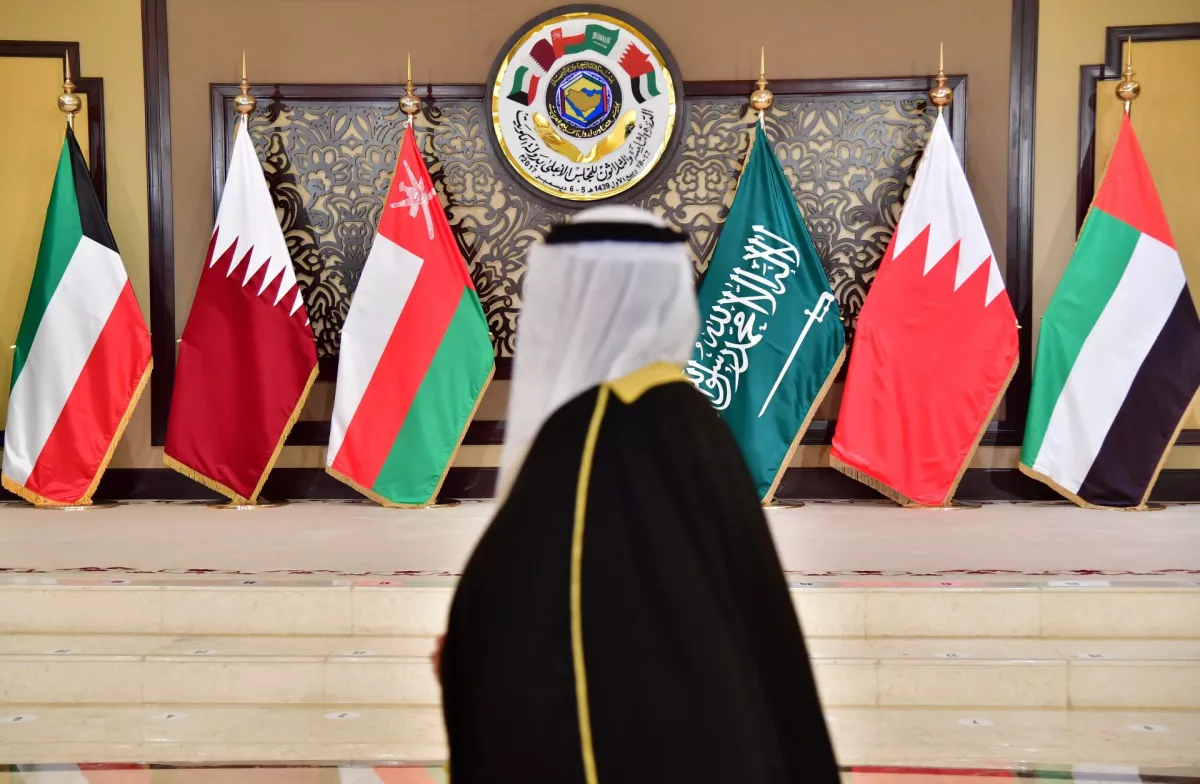
The GCC includes Bahrain, Qatar, Kuwait, the UAE, Oman, and Saudi Arabia. This raises the question: could the Emirates also leave this organisation? Such a scenario cannot be ruled out. In any case, the bloc’s muted response to Iranian attacks—especially against the backdrop of support provided to the UAE by Israel—has noticeably influenced its strategic thinking.
Recently, international media have reported that, during the confrontation with Iran, Israel deployed its “Iron Dome” air and missile defence system to the UAE. Along with it came crews and security units. This means that, for the first time in history, the Israeli military conducted a joint operation on UAE territory, defending the country from missiles and drones. Moreover, the Israeli Air Force carried out strikes on missile launchers in southern Iran, preventing attacks on Emirati territory.
Israeli Prime Minister Benjamin Netanyahu decided to deploy an “Iron Dome” battery following talks with UAE President Mohamed bin Zayed Al Nahyan. In fact, this was the only significant military assistance the Emirates received from regional countries after requesting support.
UAE officials now openly state that the war with Iran has changed their worldview. In an interview with Axios, a senior official noted that anyone who helps protect the country from Iranian attacks will be viewed positively.
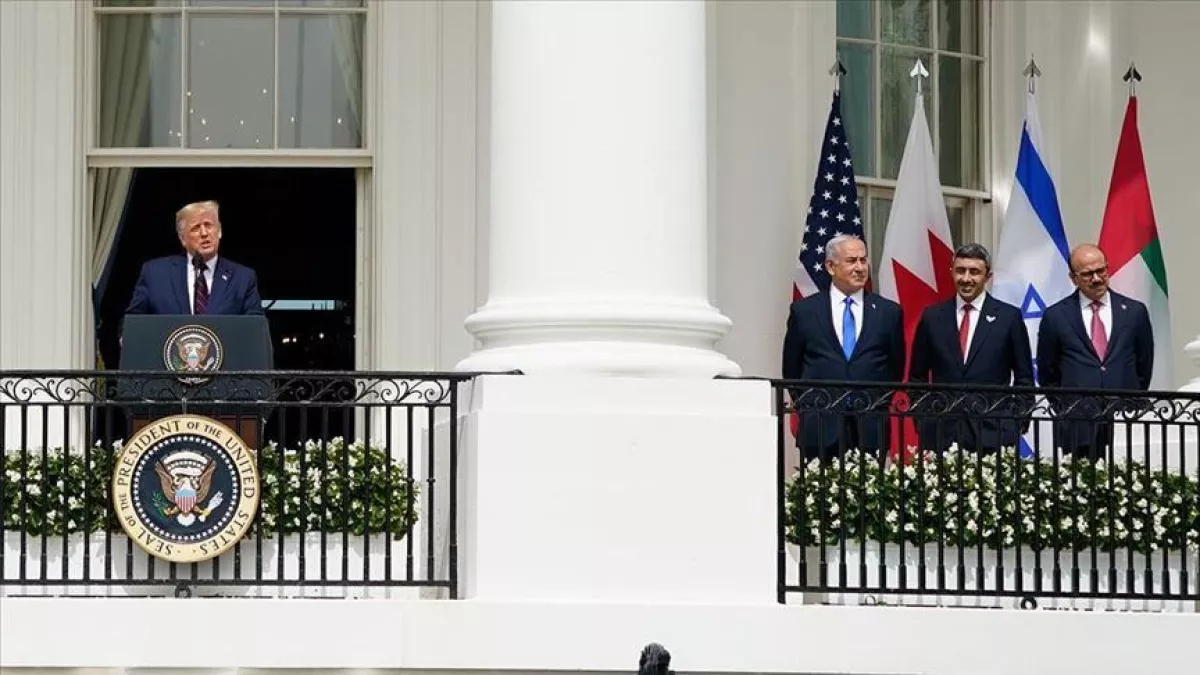
Back in 2020, the UAE and Israel signed an agreement to normalise relations under the Abraham Accords. Bahrain and Morocco later joined the process.
Despite existing disagreements, including over the issue of Gaza, both sides note that their partnership has reached an unprecedented level.
Tareq al-Otaiba, a former UAE National Security Council official, emphasised: “Primarily, the United States and Israel have proved to be true allies by offering support through extensive military aid, intelligence sharing, and diplomatic backing.”
Another senior UAE official, in an interview with Axios, put it even more succinctly: “We are not going to forget it.”
For Israel, cooperation with the UAE is of strategic importance.
First, it opens opportunities for economic integration—an alliance between Israeli high-tech and defence companies and Emirati investment resources.
Second, just as Iran seeks to bring its military assets closer to Israel through support for Hezbollah, Israel is interested in positioning its infrastructure closer to Iran.
Thus, the UAE’s decision to leave OPEC lies in the same political dimension as its rapprochement with Israel and the cooling of relations with Arab states. The UAE still relies on Washington, but U.S. policy has become less predictable, prompting the Emirates to hedge its risks. Disappointed in their Arab partners, they are increasingly deepening cooperation with Israel. For the Arab world, this is an extremely sensitive issue: traditional ties are weakening, while new ones are strengthening.







 editor@caliber.az
 +994 55 444-88-98
 Азербайджан, Баку, ул. Низами, 203, Af Business House, 5-й этаж