










War without peace in sight Who benefits from the Russia–Ukraine war?
The capital of Ukraine, May 15, 2026. State flags across the city have been lowered to half-mast, and all entertainment events have been banned as Kyiv mourns those killed in a massive Russian strike. And this is far from the first tragic day in the lives of Ukrainians, who have now been living through a full-scale war for more than four years.
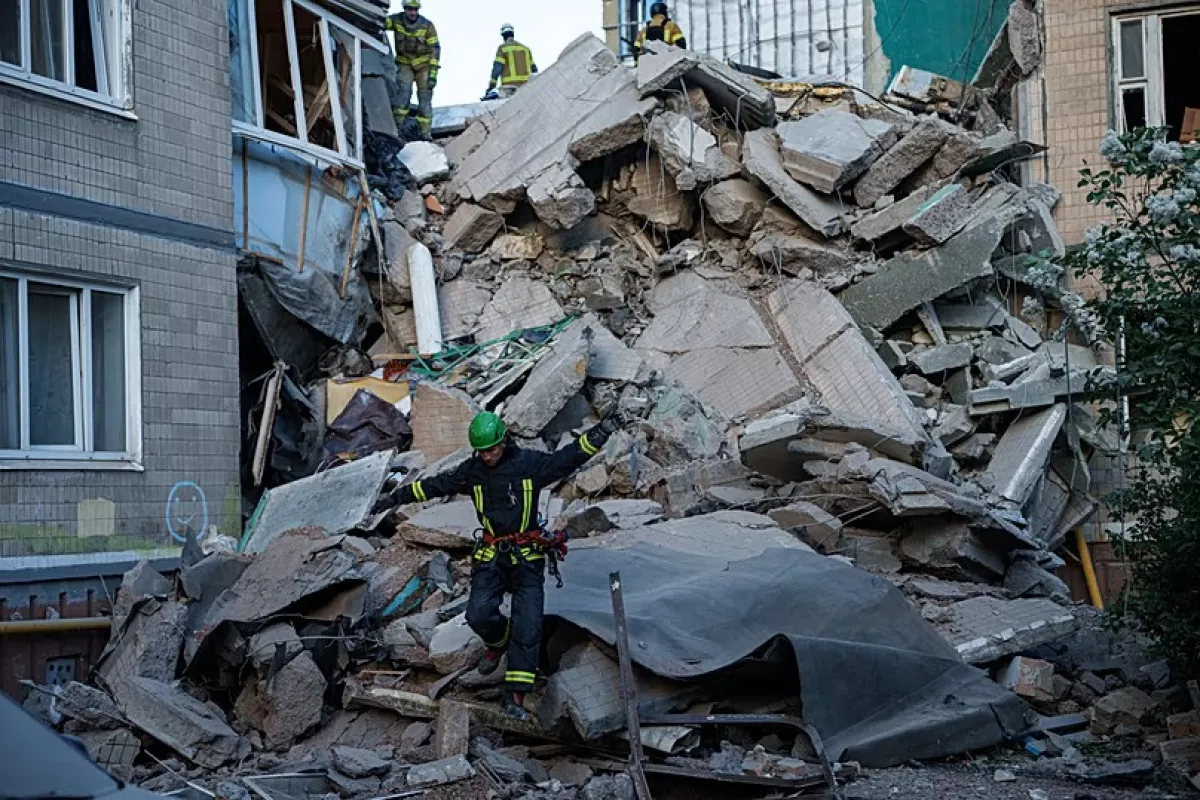
According to the Ukrainian Air Force, following a large-scale drone assault on May 13, Russia launched a combined attack on Ukraine overnight into Thursday, deploying 56 missiles and 675 drones. Kyiv was the main target of the attack. Five districts of the capital came under Russian fire, and in the Darnytskyi district, a Kh-101 cruise missile destroyed a nine-storey residential building, killing 24 people, including three children.
And it must be assumed that the list of victims will not end there: Ukrainian President Volodymyr Zelenskyy reported signs that Russia is preparing yet another massive missile and drone strike, with the so-called “decision-making centres” likely to become the primary targets.
This suggests that the end of this horrific war remains a long way off — Russia has no intention of stopping, despite the fact that since the beginning of the year Ukrainian drones have struck at least 16 Russian oil refineries and disabled 11% of the country’s oil-processing capacity, dealing a blow to petroleum exports. According to the IEA, in April these exports fell by 340,000 barrels per day, reaching their lowest level on record.
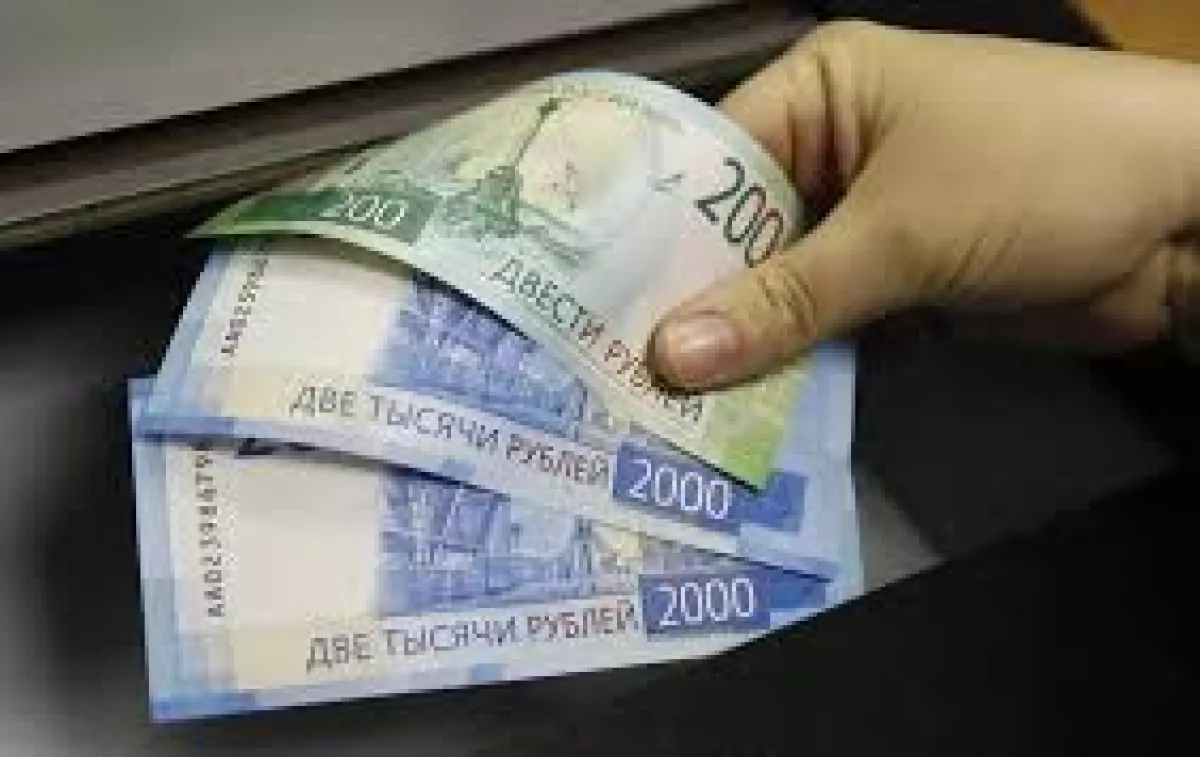
Nor are the Russian authorities being deterred by Western sanctions, which are slowly undermining Russia’s economy, or by the fact that the country’s population is rapidly sliding into economic pessimism. According to an April survey conducted by the Public Opinion Foundation at the request of the Central Bank, for the first time since December 2022, respondents expressing negative expectations about their financial situation over the coming year outnumbered those with positive expectations.
The Kremlin is also ignoring the fact that even Russian propagandists who once openly encouraged the war have now changed their tune. For example, Anastasia Kashevarova stated that the issue of mobilisation, currently being discussed within the command of the Russian Armed Forces, could become catastrophic: if such a decision is made, Russia would face a mass human sacrifice.
“If it is possible to mobilise five million people — do we even have enough weapons for them? And is there any point in mobilising them at all, if we continue wasting human resources by sending thousands of people under drones… for what? So that they simply die? How many Russians are being killed — the wounded, the disabled, the missing,” she said.
Another Russian propagandist, Zakhar Prilepin, noted that Ukraine is far stronger than they had imagined. In particular, he acknowledged that Ukraine has achieved a tangible advantage in the use of drones, while Russian forces are losing captured territories and “the trends are worsening.”
Kyiv fully understands that the Russian leadership has no intention of abandoning its maximalist goals and will continue insisting on Ukraine’s capitulation. However, Ukraine has no intention of agreeing to such terms, especially since Europe, judging by recent statements, also appears interested in the continuation of the war.
In particular, NATO Secretary General Mark Rutte proposed that member states of the alliance allocate 0.25% of their GDP annually to military assistance for Ukraine. Should this plan be approved, the total volume of annual aid to Kyiv could rise to approximately $143 billion per year. As we can see, the very proposal made by the alliance’s secretary general effectively signals his confidence that the Russian-Ukrainian confrontation is unlikely to end anytime soon.
Meanwhile, the European Union’s Special Envoy for Ukrainians, Ylva Johansson, stated in an interview with Deutsche Welle that the EU will likely extend temporary protection for Ukrainians for another year — until March 2028.
“Given the current situation, I think the European Commission will propose extending it for one more year. And I believe the EU member states will agree to this,” she said.
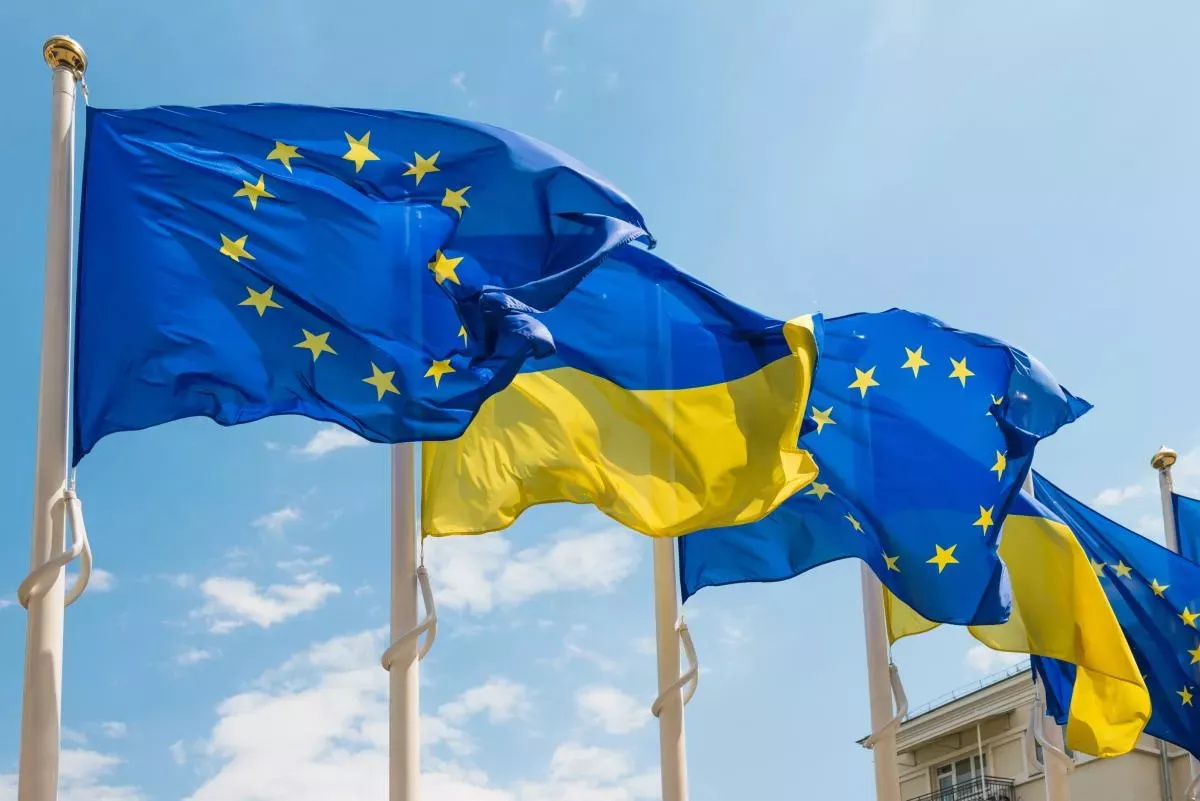
Such plans can indeed be interpreted as a political signal. Formally, this is “only” a one-year extension, but the logic of such decisions always goes beyond the calendar. In the EU as a whole, strategic decisions are not made with a short-term horizon in mind.
If a horizon of 2028 is being discussed, it means that European institutions are already factoring in a scenario of a prolonged conflict or, at the very least, long-term instability that would prevent millions of Ukrainians from safely returning home. This is the key point. At the same time, temporary protection does not only imply the right to reside, but also access to the labour market, education, and social systems.
In other words, this amounts to the de facto integration of Ukrainians into the societies of European states. And the longer this mechanism remains in place, the higher the likelihood that a significant share of refugees will not return to their homeland even after the end of hostilities. Ukraine thus risks facing an even more severe “demographic drain” effect.
Such a scenario suggests that, after the war, the country will have to rebuild itself with a smaller and more vulnerable human resource base. However, apparently, this concerns neither Russia nor those forces in Europe that see Ukraine as a tool for reducing the Russian threat for their own benefit.
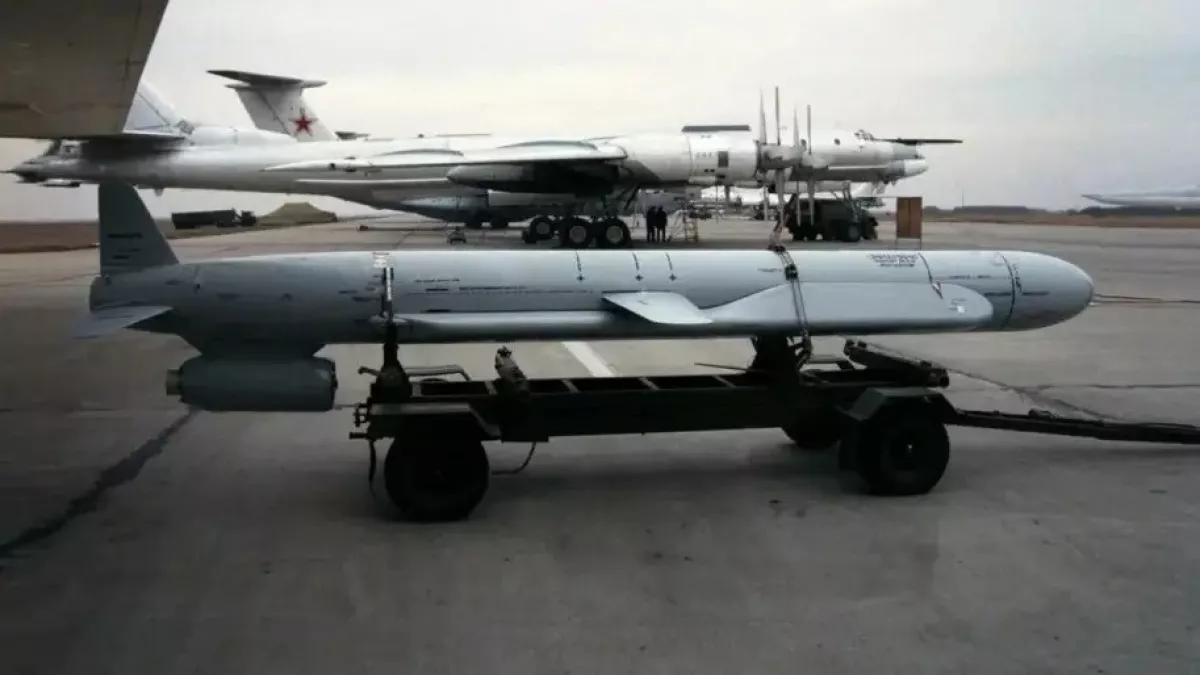
In this context, I will cite facts that, for any reasonable person, can only provoke indignation and anger. As stated by the adviser and presidential commissioner for sanctions policy, Vladyslav Vlasiuk, all Kh-101 missiles used in the strike on Kyiv, including the one that hit a residential building, were, according to Ukrainian experts’ conclusions, manufactured in the second quarter of 2026, and each of them contained more than 100 components of Western origin.
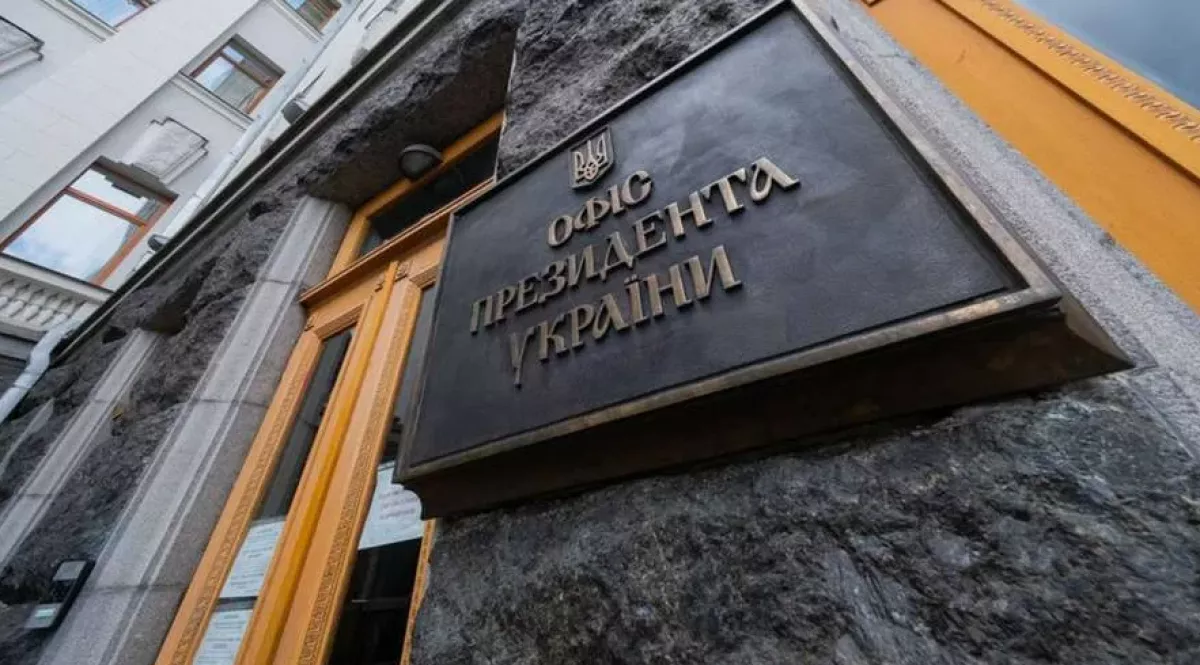
In addition, according to a document provided to Financial Times by the Office of the President of Ukraine, a Kh-101 missile identical to the one that struck a residential building in Kyiv on May 14 — and examined after a Russian attack on 20 January — contained microchips from US brands such as Texas Instruments, AMD, and Kyocera AVX, as well as components from Germany’s Harting Technology Group, the Dutch company Nexperia, and others.
As we can see, these facts indicate that there are forces in the West that not only do not seek an end to the Russian-Ukrainian war, but also cynically profit from it.







 editor@caliber.az
 +994 55 444-88-98
 Азербайджан, Баку, ул. Низами, 203, Af Business House, 5-й этаж