










Debts of the world order The UN budget on the brink of collapse
The United Nations is experiencing one of the most severe crises in its history. Increasingly, there is discussion of the possibility that by the end of summer, it could face a full-scale liquidity shortage. Secretary-General António Guterres has already openly spoken about the risk of a financial collapse, while within the Organisation itself there are discussions about budget cuts, program closures, and staff layoffs.
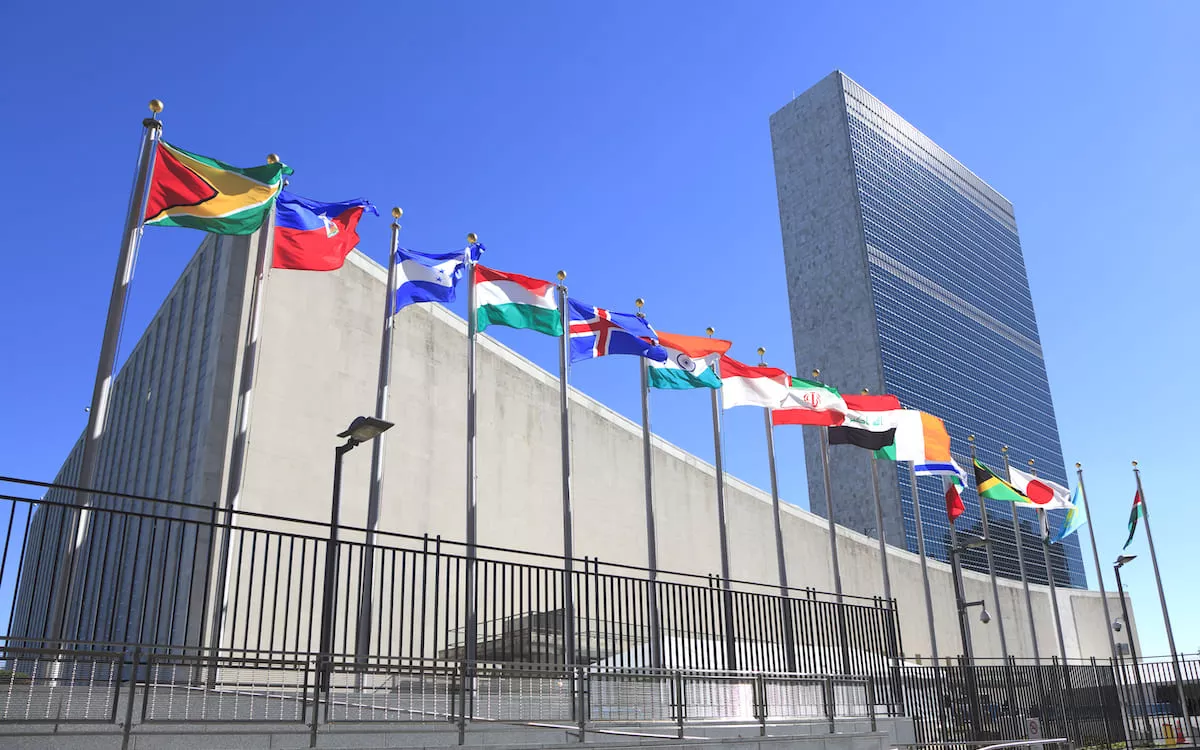
The crisis is primarily caused by delays in mandatory contributions from the largest donor states. According to Western media and the UN itself, the United States owes more than $4 billion to the Organisation. China, which in recent years has become one of the key supporters of the United Nations system, has delayed payments of approximately $445 million, although Beijing did transfer part of the funds in spring 2026. The United States and China together account for around 42% of the Organisation’s core budget.
However, the financial difficulties are merely the external manifestation of a much deeper process. The world is gradually moving away from the system of international relations that emerged after the Second World War. The United Nations was created as a platform where major powers could reach agreements even under conditions of intense confrontation. The very structure of the Security Council was built around the idea of mutual deterrence and the need for consensus. The right of veto effectively meant recognition of the notion that a direct confrontation between nuclear powers poses a threat to all of humanity.
For decades, this system functioned far from perfectly; however, it was precisely what helped keep conflicts within limited bounds. The world went through the Cold War, regional crises, and the collapse of colonial empires without a global military confrontation between the major powers.
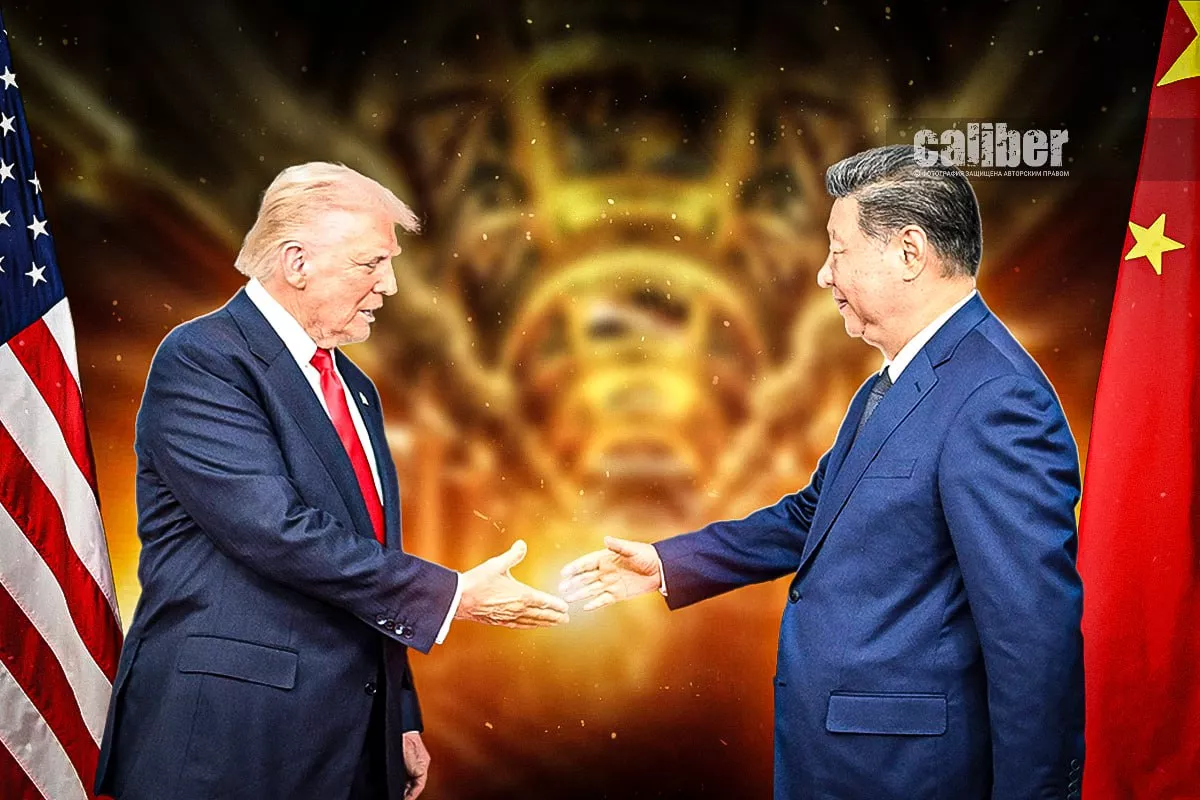
Today, the problem is that leading players are increasingly less interested in preserving the existing rules. The United States is gradually losing interest in the UN mechanisms as an instrument of international policy. Within the American establishment, the view has strengthened that the Organisation constrains Washington’s freedom of action in foreign policy. The Trump administration, in general, sees international organisations as a threat to America’s prosperity, on the grounds that they promote globalist ideas that limit the sovereignty of individual states.
China acts differently, but its approach also reflects an effort to reshape the balance within the UN. Beijing continues to fund the Organisation while simultaneously seeking to strengthen its own influence over international structures. Western think tanks increasingly argue that China views the UN as one of the platforms for future global leadership. What is at stake is a struggle over norms, standards, and the political rules of the 21st century. And now, it appears, the Middle Kingdom is using the financial crisis of the United Nations—initially triggered by the United States—to increase its own significance within the Organisation. After all, why create a new structure when one can gain influence through the authority of an existing one?
In any case, both the American and Chinese positions demonstrate their lack of trust in the UN system as we have come to know it, and therefore in the broader system of international relations it represents. In this sense, they are not the first to acknowledge the Organisation’s systemic crisis; criticism of the UN today comes from virtually all sides—it is accused of bureaucracy, slowness, and an inability to prevent wars.
But this is only one side of the problem. It is important to remember that over the decades, a vast infrastructure of international cooperation has been built around the UN. Through its agencies flows assistance to refugees, vaccination coordination, epidemic control, food supplies, as well as peacekeeping missions. Even today, amid ongoing crises, many humanitarian operations in Africa, Asia, and the Middle East continue to function precisely thanks to UN structures.
And now the Organisation is facing funding shortages even in the humanitarian sphere. Agencies acknowledge that they are forced to choose which regions to support as a priority. A reduction in humanitarian programmes would amount to a failure of the entire eighty-year framework of global cooperation and mutual assistance that has been built over decades of experience.
However, a crisis is a crisis precisely because it affects all dimensions. And one of the key questions is: “At what cost will the transformation of the existing system of international institutions take place if its collapse is irreversible?” History shows that global structures rarely disappear peacefully. The League of Nations effectively ceased to exist with the outbreak of the Second World War, and the United Nations emerged as a product of a new world order.
The current crisis is alarming precisely because the major powers have not yet put forward a common vision of the future. Washington, Beijing, Moscow, European countries, and states of the Global South all have different ideas about how the world should be organised in the coming decades, while regional conflicts involving major powers are hanging by a thread, on the brink of escalating into a global war. However, many analysts argue that a world war has long been underway. If that is the case, then one can only hope that it will come to an end soon. And what the new organisation responsible for the world order will be called is a secondary matter.







 editor@caliber.az
 +994 55 444-88-98
 Азербайджан, Баку, ул. Низами, 203, Af Business House, 5-й этаж