










Ceuta: Europe’s southern flashpoint The migration crisis testing EU borders
The mass migrant breach into the Spanish semi-enclave of Ceuta, located in North Africa, has become the largest migration incident in the European Union since the 2015 migration crisis. Within just a few hours, tens of thousands of people crossed the border between Morocco and Spanish territory, triggering a humanitarian catastrophe, numerous casualties, and the effective collapse of the city’s infrastructure.
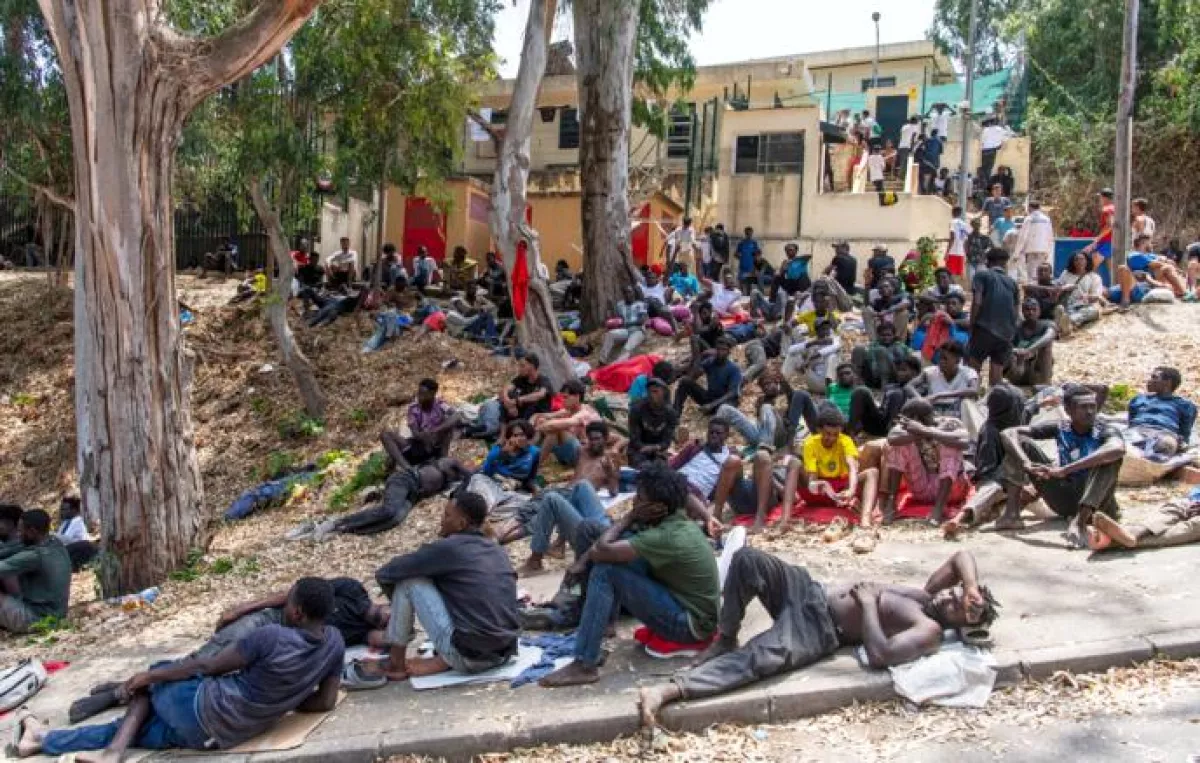
Although a significant number of those who arrived were returned to Moroccan territory in the first days following the incident, the crisis quickly took on a pan-European political dimension. Ceuta has long been one of the most vulnerable points along the European Union’s external border. Together with Melilla, it is the only section of the EU’s land border with Africa. However, the current incident proved unprecedented not only because of its scale but also because of its political consequences. It has once again raised a question that in recent years appeared to have been partially resolved: “Is the European Union as a whole capable of controlling its own external borders?”
A decade ago, the migration debate was largely framed as a confrontation between a humanitarian approach and a policy of strict border control. Today, the divide has become far deeper. Within the European Union, two distinct approaches have effectively emerged.
The first, supported by Spain, Portugal, Belgium, Luxembourg, and to a large extent Germany and France, calls for a combination of stricter protection of the EU’s external borders while preserving the common asylum system and sharing responsibility among all member states.
The second approach is most actively promoted by Italy, Hungary, and several Central European countries. Their priority is to impose maximum restrictions on illegal migration, accelerate deportations, and move asylum application procedures outside the European Union. These views are also gaining traction among increasingly popular right-wing parties in France, Germany, the Netherlands, and Austria, and the crisis in Ceuta provides these forces with a powerful argument.
For a significant part of European society, what happened appears to be yet another indication that the existing migration management system is failing to ensure the security of the EU’s external borders. This, in turn, is likely to further strengthen public demand for tougher measures. Even moderate parties that have traditionally supported a more liberal approach are already being forced to adjust their rhetoric in order not to lose the initiative to their political rivals.
In the very first days of the crisis, calls for emergency measures emerged within the EU, while some politicians even questioned Spain’s ability to effectively protect the Union’s external border. Italian Prime Minister Giorgia Meloni, for instance, temporarily suspended the Schengen agreement for arrivals from Spain. Meanwhile, the leaders of 22 EU countries signed a joint letter to the bloc’s leadership demanding an immediate collective response and stronger protection of external borders. In the final stage of the crisis, European Commission President Ursula von der Leyen called for “doubling efforts” to build physical barriers and strengthen deportation procedures.
Analysts, meanwhile, point to three most likely scenarios for how events may unfold. The first involves the accelerated construction of a new system for protecting the EU’s external borders. This would not only mean the technical strengthening of border controls but also expanding the powers of Frontex (the European Border and Coast Guard Agency — the EU’s official supranational agency responsible for the security, coordination, and protection of the external borders of the Schengen Area), establishing additional migrant processing and detention centres outside the European Union, and concluding new agreements with North African countries.
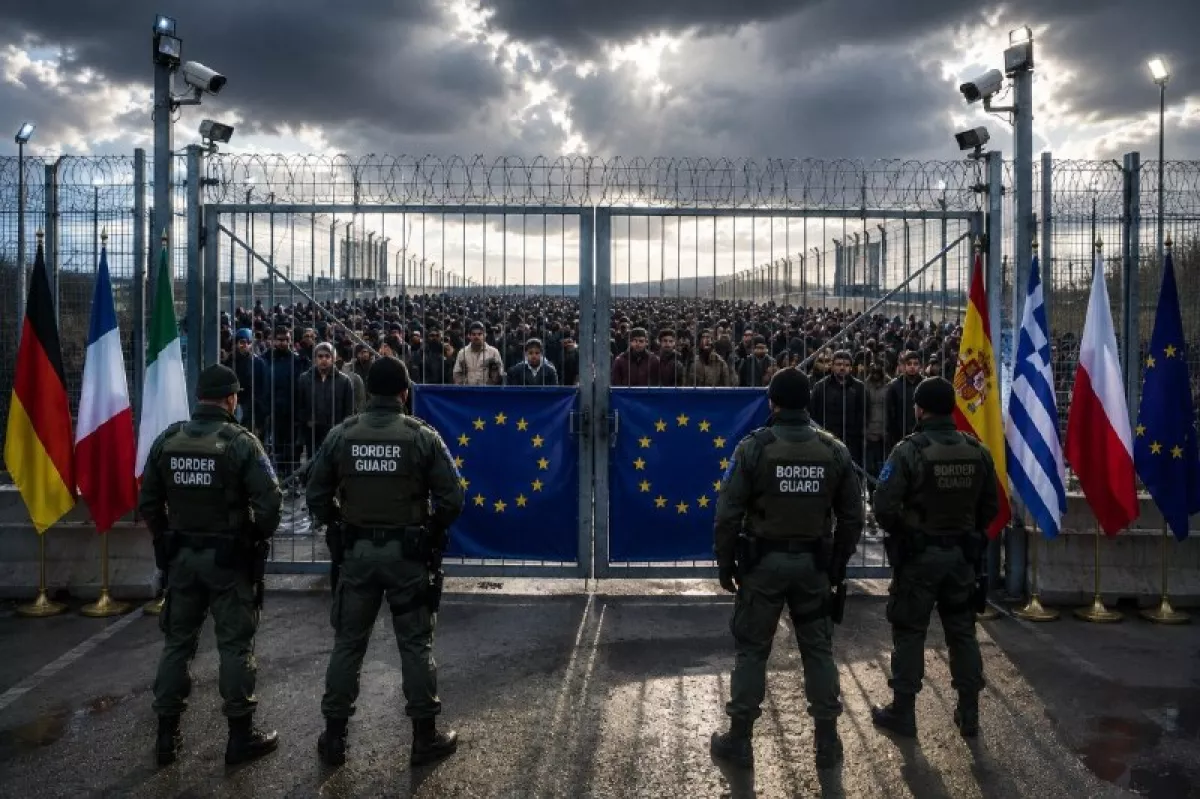
The second scenario envisages a gradual shift by the EU toward a significantly tougher migration policy. Many measures that appeared politically impossible just a few years ago are now being discussed at the government level.
There is also a third option: maintaining the current compromise between humanitarian obligations and stronger border controls. However, this appears to be the most unstable scenario. Every new large-scale migration wave is likely to once again divide European societies and deepen tensions between member states.
Ceuta has demonstrated that migration has now become a central element in the internal struggle among European political elites and a major factor reshaping the EU’s political landscape. This is precisely why the repercussions of the current crisis are likely to be felt for far longer than the time needed to address its immediate consequences.







 editor@caliber.az
 +994 55 444-88-98
 Азербайджан, Баку, ул. Низами, 203, Af Business House, 5-й этаж