










The Iran war trap: all the cards have been played Analysis by Serhey Bohdan
The week began with a new wave of US strikes against Iran. The conflict between the two countries is reshaping the post-Cold War order in the Middle East. Yet it is the United States and its allies—those who created that order—that stand to lose the most. In building it, however, they pushed major players beyond its boundaries: Iran and its allies, who now have little left to lose.
The biggest mistake is believing your own propaganda
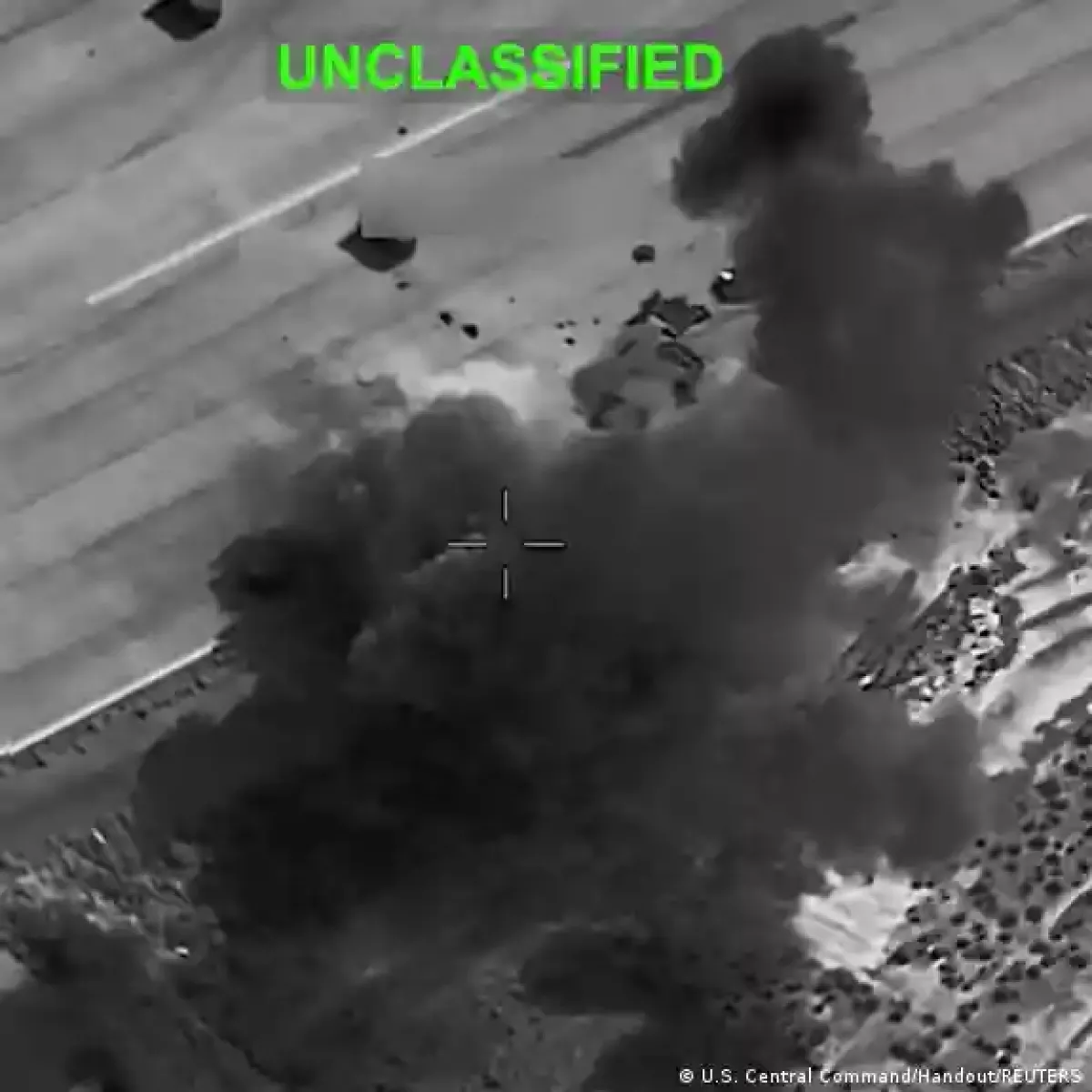
On Monday, US President Donald Trump declared that Iran would "pay many times over" for the American soldiers killed late last week. On Wednesday, he added that the United States would destroy Iranian infrastructure if Tehran refused to relinquish control over the Strait of Hormuz.
These threats, however, failed to deter Iran. Iranian forces continued striking US bases and the infrastructure of American corporations in neighbouring countries, while the US attacks on Iran did little to diminish Tehran's ability to sustain its retaliatory campaign.
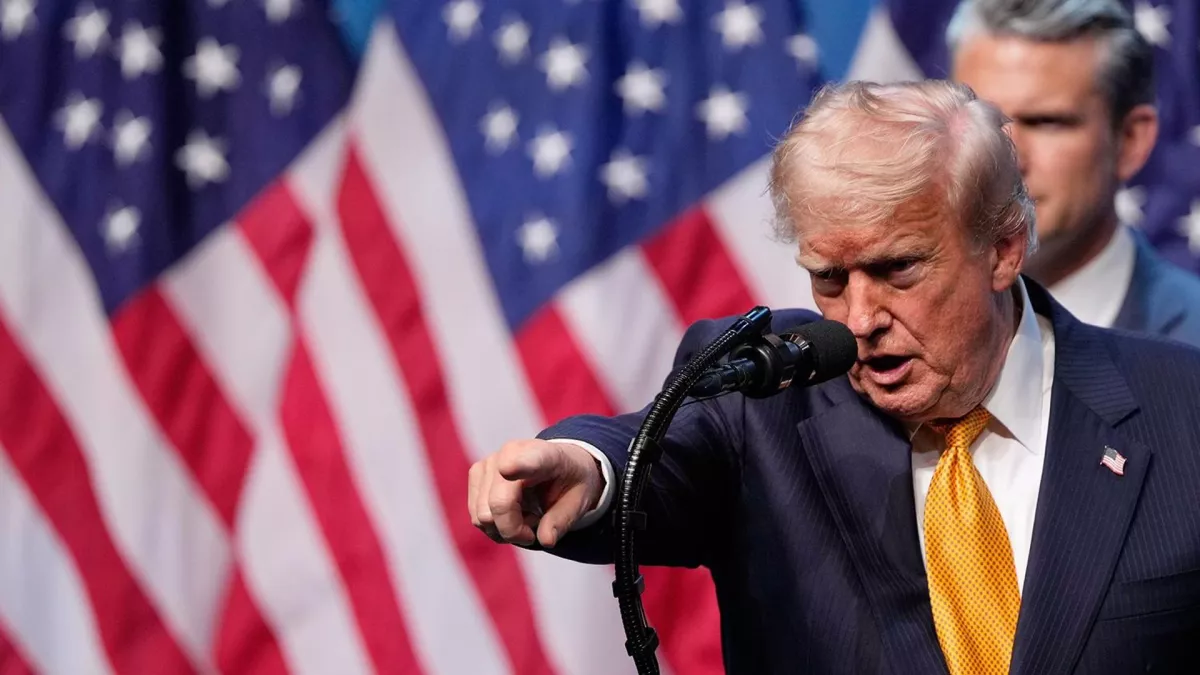
It is therefore hardly surprising that, in this deadlocked situation, the US House of Representatives on Thursday passed a resolution calling for an end to the war with Iran. It was the second resolution of this largely symbolic nature. Even so, it is significant because it reflects the prevailing mood within the American political establishment—not only among the opposition Democratic Party. In principle, there is little disagreement over confronting Tehran; on this issue, the mainstream political forces in the United States have reached something close to a consensus.
What concerns them is the balance of the military campaign. In terms of intensity, last year's campaign and this year's fighting have fallen somewhere between a full-scale war and the "cold peace" that had existed between Iran and the United States before hostilities began.
In recent years, that "cold peace" had been accompanied by the gradual dismantling of Iran's regional network of partners—as illustrated by the collapse of the Assad regime and the significant weakening of Lebanon's Hezbollah—as well as by efforts to wear Iran down through sanctions. Tehran pushed back, but avoided serious escalation. Until 2025, its confrontations with Israel and the United States often resembled carefully choreographed displays, with the launch of slow-moving drones announced in advance and missile strikes on US bases calibrated to avoid casualties.
To many observers, this appeared to reflect weakness on Iran's part. The country seemed mired in internal divisions and domestic opposition. Yet appearances were deceptive. The West ultimately became a victim of its own policies. Over the past several decades, USAID and similar organisations, working in tandem with their European partners, funded and helped establish a wide network of media outlets and NGOs intended to strengthen the Iranian opposition.
Among other things, these efforts promoted narratives about an "Iranian perestroika," courageous women defying a medieval regime, and long-discredited figures from the Iranian opposition—from the exiled crown prince to the militant Mojahedin-e Khalq and Kurdish armed groups. In the end, however, it was the very architects of this propaganda who came to believe it: Western strategists themselves.
These misconceptions, combined with the undeniable strategic gains achieved during the period of "cold peace," ultimately encouraged Washington to attempt to finish off its adversary. Last year's war had a clear but unrealistic objective: the destruction of Iran's nuclear facilities. Achieving that goal by military means was impossible because of both Iran's geography and the sophistication of its nuclear programme. By that point, Tehran possessed too many facilities, too many specialists, and too much technological expertise for such an operation to succeed. Nevertheless, the attempt was made.
The Somali scenario
The second war became a logical continuation of the first in precisely this sense. If Iran's nuclear facilities could not simply be bombed out of existence, then its ability to develop nuclear weapons could only be eliminated either through a political settlement or by destroying the country's broader physical capacity to sustain such a programme. Years of narratives portraying the Iranian regime as being on the verge of collapse made the latter option especially tempting. Destabilising Iran, it was believed, would cripple its industrial base, while its scientists and technical experts would scatter on their own.
The radical opposition assured Washington that it had ready-made strategies for overthrowing the regime and fed the Americans and their allies the same ideas that have long become a cliché for anyone familiar with Iranian politics. The Mojahedin-e Khalq clearly revived its longstanding obsession with eliminating key state officials and security figures in the hope of triggering the collapse of the state and society, while former Kurdish Marxists promoted a plan to establish themselves as the vanguard of the opposition and create a “liberated zone” along the Iran-Iraq-Türkiye border. These concepts had been tried successfully in operational terms during the 1980s, but they failed to bring their authors to power.
In fact, renewed attempts to implement these schemes by the summer of 2026 are precisely what created a problematic strategic imbalance for Washington in the Middle East. The large-scale destabilisation effort launched last winter through opposition activists in major cities and the infiltration of Kurdish militants achieved little beyond exposing and dismantling opposition networks inside Iran. It also provoked a tough response from Türkiye, which made clear that it would not tolerate any attempt to relocate terrorist structures linked to the former Kurdistan Workers’ Party (PKK) from the Syrian-Turkish frontier to the Iranian-Turkish border.
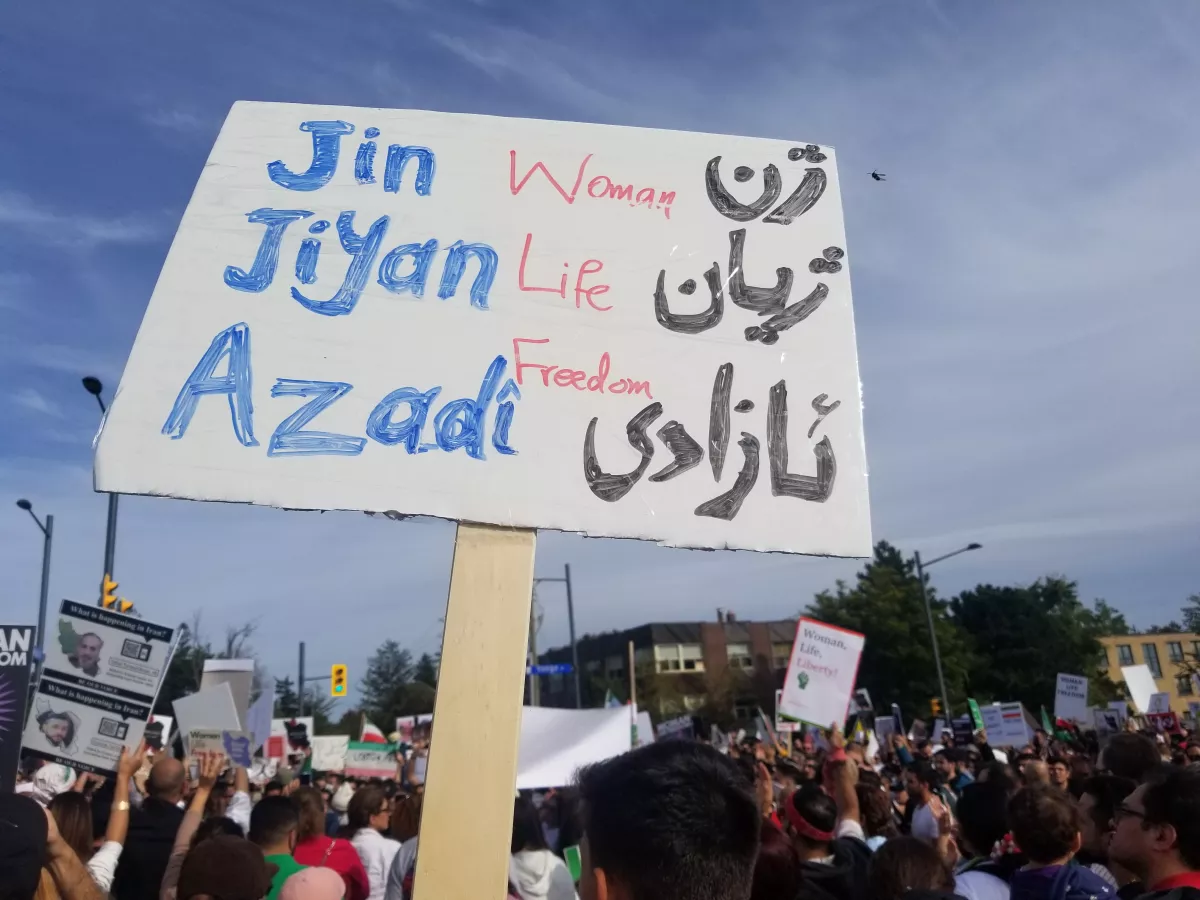
The campaign marked the culmination of an earlier, costly yet ultimately futile effort to destabilise Iran by exploiting Kurdish separatist networks—an effort that began with the high-profile "Woman, Life, Freedom" movement.
Even more far-reaching consequences, however, stemmed from the campaign of assassinations targeting senior political and security officials. Rather than bringing down the system, it paved the way for more radical forces to consolidate power in Tehran.
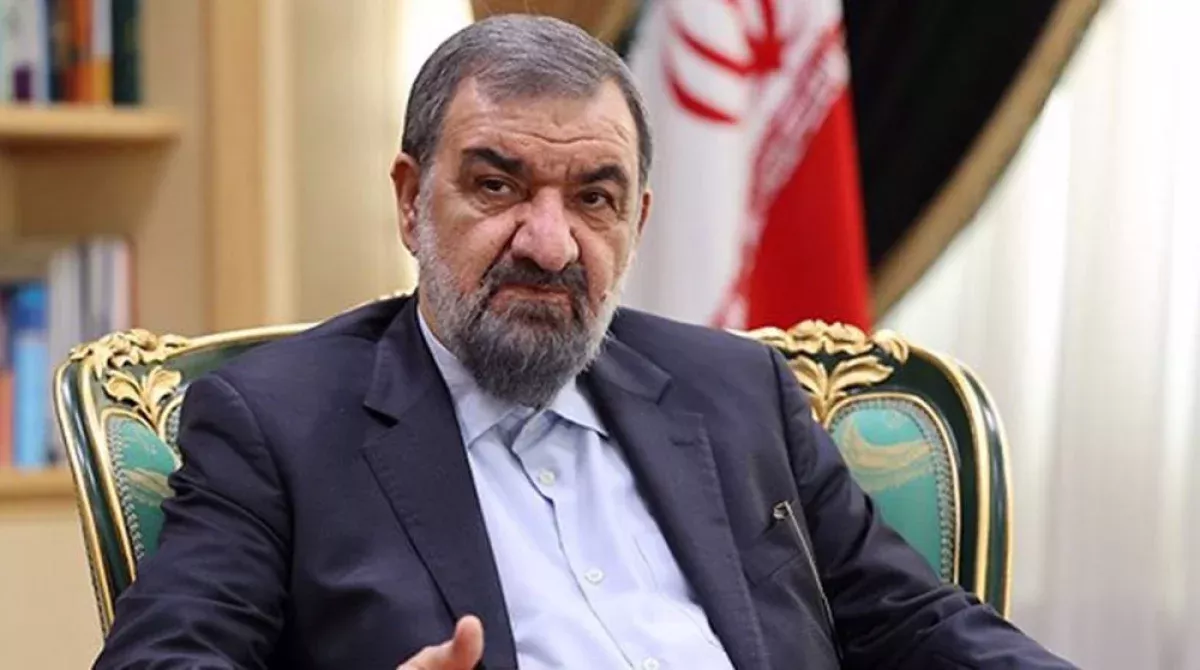
Today, statements issued on behalf of the new Supreme Leader, Ayatollah Mojtaba Khamenei, are periodically delivered by former Islamic Revolutionary Guard Corps (IRGC) commander Mohsen Rezaei and other figures from the same political camp. In practice, it is these individuals who now constitute the country's real leadership. This has profound implications. For example, it is worth recalling that officials within the IRGC had been developing plans to close the Strait of Hormuz in the event of a military confrontation with the West since at least 1986. Yet Iran's top leadership refrained from taking such a step—not in the 1980s, and not even in 2025.
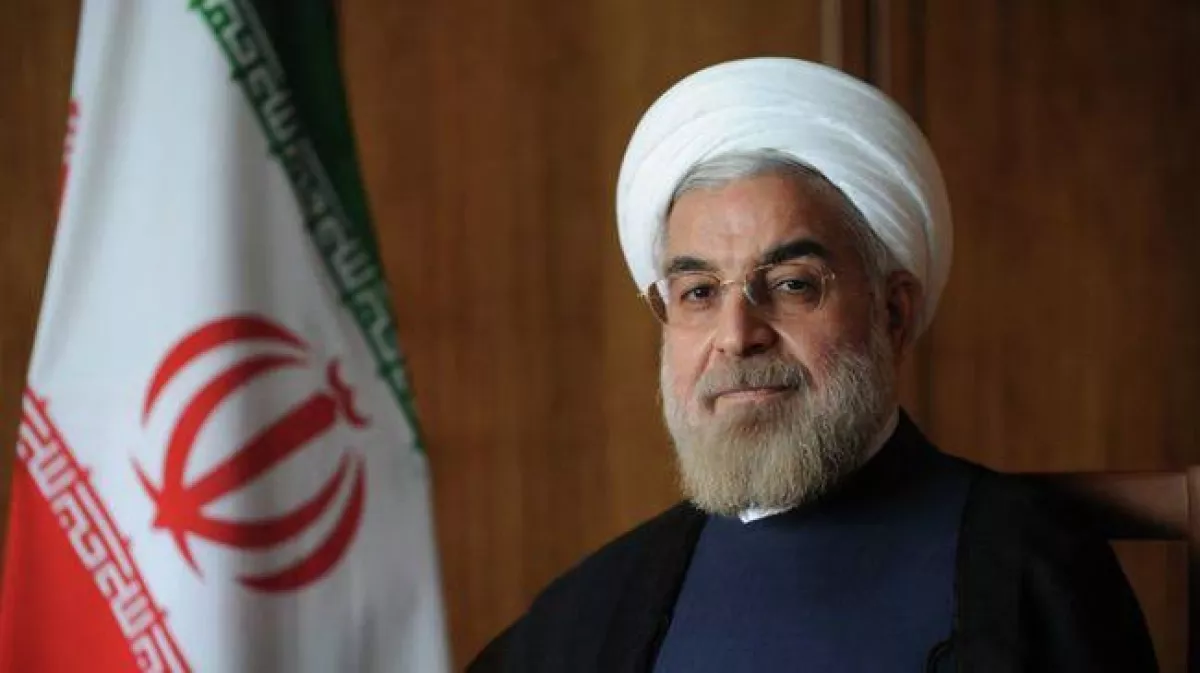
Political forces allied with the new leadership openly argue that previous attempts to reach an accommodation with the West produced no meaningful results. A revealing public debate took place in Iran just days ago, during which participants questioned the limited achievements of negotiations conducted under the traditional diplomatic framework. One example frequently cited was the period after President Hassan Rouhani came to power in 2013, when he immediately agreed to negotiations over Iran's nuclear programme, culminating in the well-known nuclear agreement.
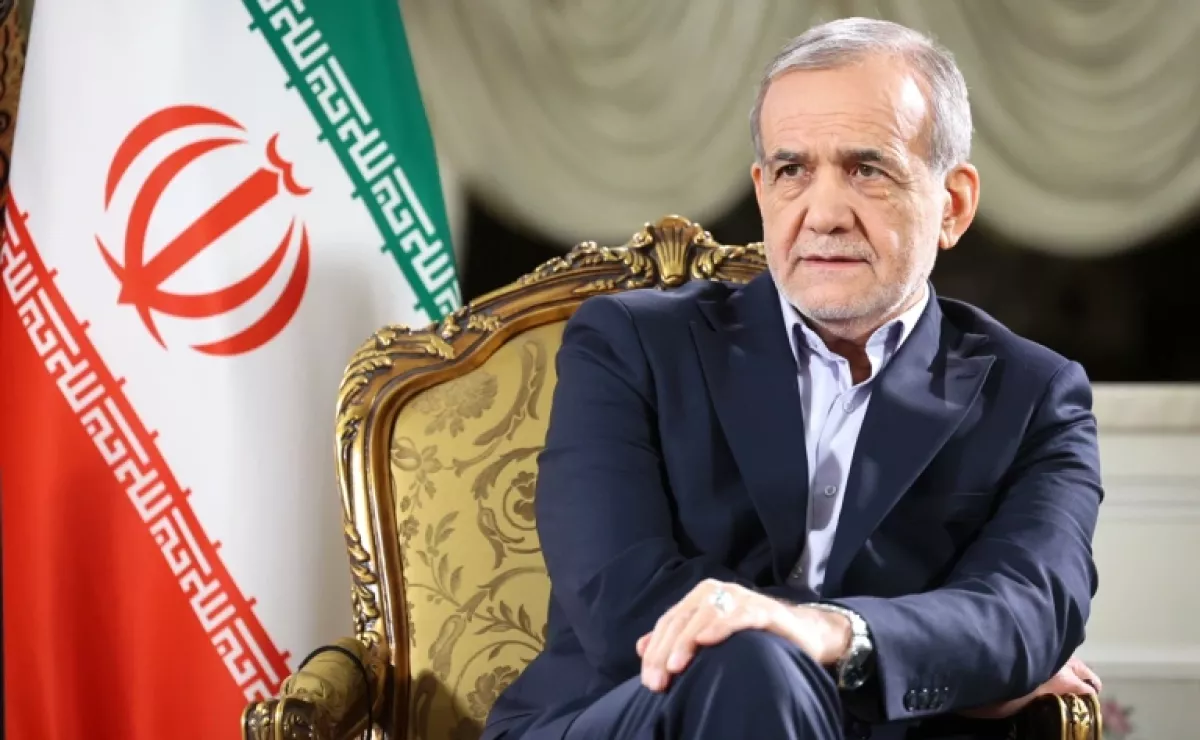
Despite this, the number of sanctions imposed on Iran rose from 802 in 2013 to roughly 1,500 by 2021, when Rouhani left office. On two occasions in recent years, Iran found itself at war while negotiations were still underway. Even the most recent ceasefire—during which Iran's civilian leadership, represented by President Masoud Pezeshkian, Foreign Minister Abbas Araghchi, and Parliament Speaker Mohammad Bagher Ghalibaf, negotiated the unfreezing of Iranian assets held abroad—failed to bring about the lifting of Western sanctions. As a result, the advocates of a hard-line approach, now in power, intend to continue the confrontation while waiting for the diplomatic conditions for a settlement to mature.
Only the option of a major war remains
Washington has already played many of the cards at its disposal—missile and air strikes, the assassination of key figures, and attempts to destabilise Iran through the opposition. Yet none of these measures succeeded in eliminating Iran's nuclear programme, bringing about regime change, or destabilising the country. This raises the obvious question: what comes next? As early as the spring, Washington signalled that it was prepared to return to a state of "cold peace," but Tehran has no interest in restoring the pre-2025 status quo. By leveraging its control over the Strait of Hormuz as a means of pressuring the West, Iran is effectively preventing any return to the previous situation.
In doing so, Tehran is forcing the United States to continue military operations—albeit in the form least favourable to Washington: limited missile and air strikes. Iran has reason to believe that the White House is unlikely to authorise either a ground invasion or a large-scale air campaign. After all, even the invasions of far smaller countries such as Afghanistan and Iraq required the formation of broad international coalitions and the consent of most neighbouring states to use their territory. In Iran's case, the United States can currently rely only on Israel, while none of Iran's neighbouring countries appears willing to allow its territory to be used for such an operation.
Against this backdrop, the US leadership has hinted that it is considering strikes against the economic heart of Iran—its southwestern regions, particularly Kharg Island, which plays a pivotal role in the logistics of Iranian oil exports. In practice, however, capturing the island would be impossible without first securing a beachhead on part of the Iranian coastline. As a result, the only realistic military option would be to destroy the infrastructure located there.
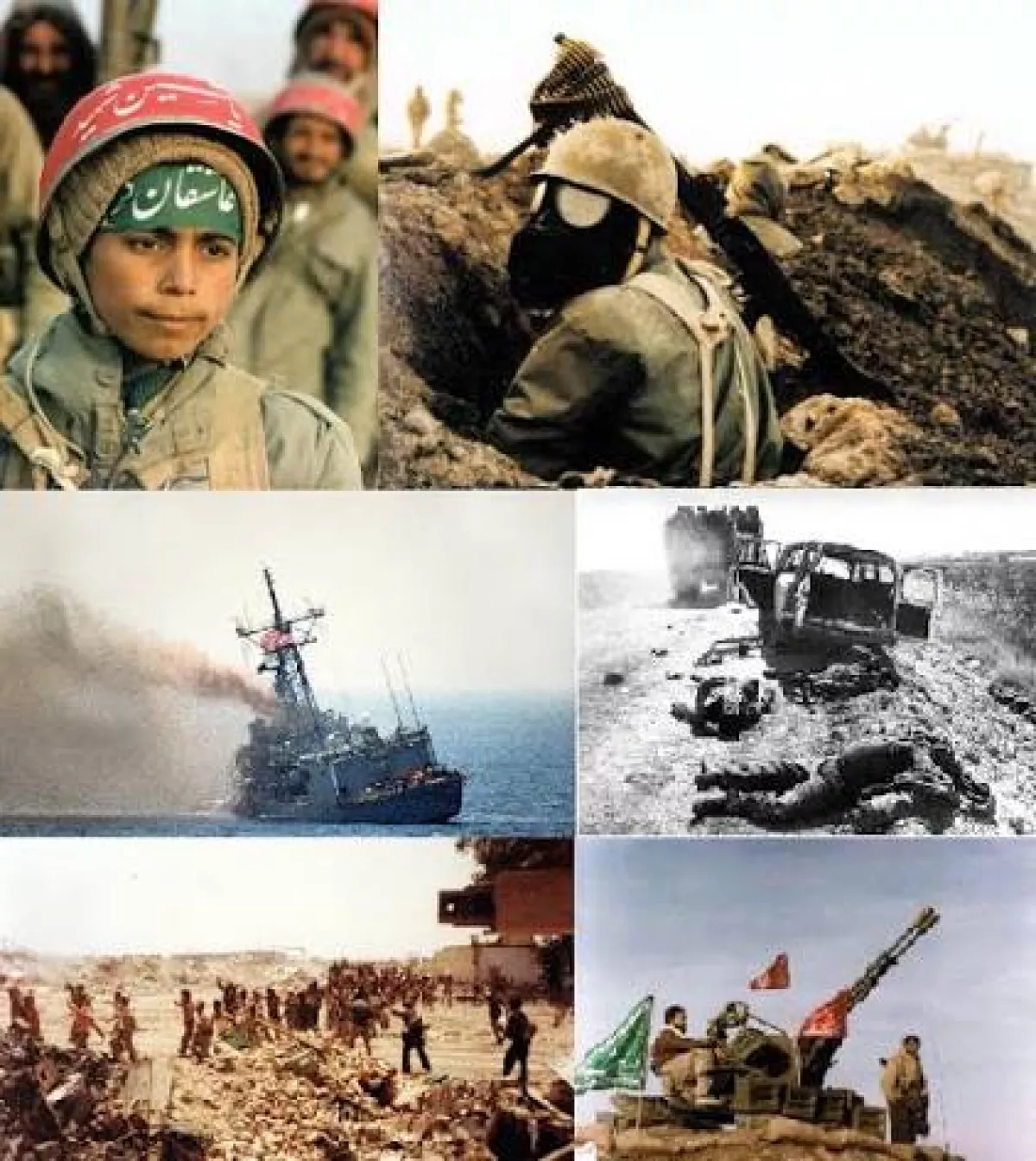
This, too, is a strategy drawn from the playbook of Tehran's adversaries in the 1980s. At the time, Iraq sought to deprive Iran of its oil revenues by destroying infrastructure on Kharg Island. Iran responded in kind by targeting Iraqi oil facilities, triggering the so-called "Tanker War" in the Persian Gulf—a conflict that even American and Soviet naval escorts for third-country oil tankers proved unable to contain.
Today, Iran is effectively replicating that scenario on a much larger scale. In response to any attempt to deprive it of its oil exports or destroy its energy infrastructure, Tehran threatens to strip America's regional allies of their own ability to export oil—or even to function normally. Because these states are among Washington's most important and influential partners in the Middle East, this strategy significantly narrows the United States' options for exerting pressure on Iran.
In theory, the United States is certainly capable of defeating Iran militarily. The real question, however, is whether the cost—in terms of financial resources, lost strategic opportunities, and the overall outcome—would make such a campaign worthwhile. That cost is already becoming apparent. And it extends far beyond the additional $67 billion in funding that US Secretary of Defense Pete Hegseth requested from Congress on Tuesday. While this is undoubtedly a substantial sum, it is modest compared with the Pentagon's annual budget of roughly $1.5 trillion. Financial costs, however, are only part of the equation. As long as the US dollar remains the world's primary reserve currency, the global economy effectively continues to serve as a source of inexpensive financing for the United States. Far more important than the monetary burden are the broader strategic consequences.
The cost of confrontation: from Europe to the Pacific
Even the current series of operations against Iran has already forced the United States to reduce its military presence in Europe. American officials have avoided acknowledging this publicly. Yet the list of military assets that Washington informed its European allies in June would be withdrawn from the continent leaves little doubt about where they are being redeployed. According to the list, the number of F-16 and F-15E fighter aircraft stationed in Europe will be reduced from 150 to 100, while the fleet of maritime patrol aircraft will shrink from 26 to 15. Most notably, all aerial refuelling tankers are to be withdrawn. The United States has also notified its allies of plans to redeploy two bomber task forces, as well as to remove one warship and an aircraft carrier strike group from Europe.
The war with Iran and its regional allies has not yet escalated into a full-scale conflict, yet Washington has already been compelled to transfer a significant portion of its military assets away from one of its principal strategic theatres—the confrontation with Russia, which has effectively slipped down the list of US strategic priorities.
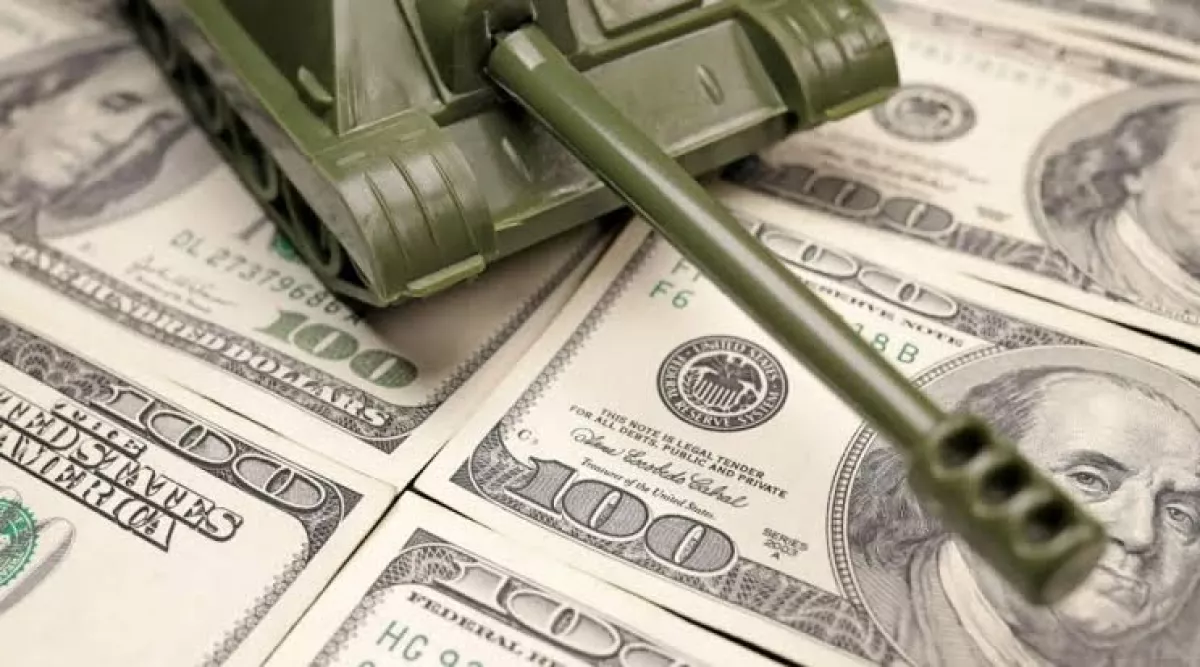
In other words, further investment in the war with Iran is pushing the United States toward what historian Paul Kennedy called “imperial overstretch.” After studying the history of several major empires, he concluded that when the military and political commitments of a dominant power grow faster than its economic capabilities, this ultimately leads to the decline of that state. Kennedy calculated that the threshold beyond which decline begins is reached when military spending exceeds 10% of GDP, or 5% in the presence of additional pressures (which, today, affect all Western powers).
At first glance, this does not appear to threaten the United States, since its current figure stands at around 3.4%. So why, then, is Trump so determined to reduce these costs and demanding that European powers increase their defence spending to this risky 5% level?
The answer is probably that the situation is not as favourable as it seems. First, US military spending actually rises throughout the fiscal year, meaning the final figure may turn out to be higher. Second, the US budget has long been running a massive deficit, while the country is burdened by enormous public debt. If these factors are taken into account, the threshold may already have been exceeded—and Trump’s efforts to mobilise allies in order to reduce “imperial overstretch” begin to make more sense.
The signs of this overstretch are already visible—not only in the reduction of the American military presence in Europe and the growing criticism of Washington from EU and NATO countries. Similar problems are emerging in the Middle East and East Asia, affecting even what was once a sacred area of American policy: nuclear non-proliferation.
Last weekend, it emerged that, amid difficulties in ensuring Saudi Arabia’s air and missile defence capabilities against Iranian attacks, Washington was effectively prepared to allow the kingdom to pursue the development of nuclear weapons. The situation facing the Saudi monarch is becoming increasingly serious. For months, missiles and drones have been arriving from the north—from Iran—and last week the ceasefire that had been in place since 2022 between Saudi Arabia and the Iran-aligned Yemeni Houthi rebels collapsed.
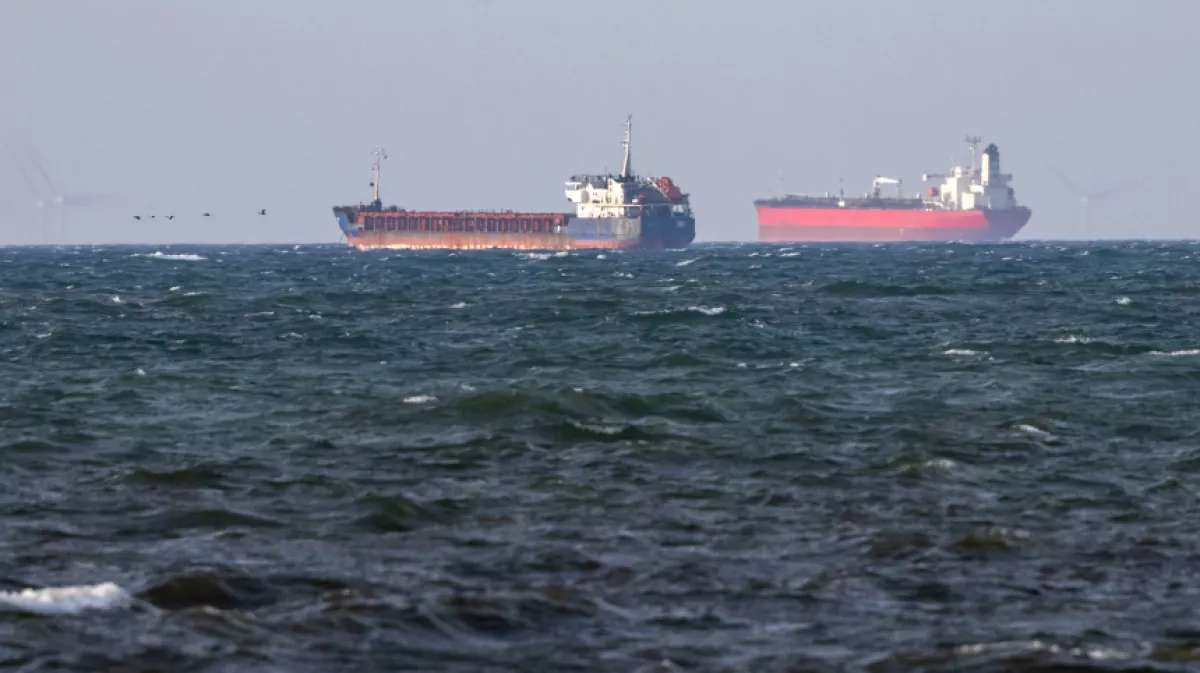
Since Monday, the Houthis have closed the Bab el-Mandeb Strait to Saudi vessels. One of America’s most important allies has found itself in a situation where it is coming under fire from both the north and the south—from Iran and Yemen, respectively. As a result, Riyadh has begun asking legitimate questions about the credibility of US security guarantees for Saudi Arabia, a country that for decades has invested more than almost any other state in the American defence industry and the US military.
One possible response to these concerns was a Saudi-US nuclear energy agreement reportedly prepared for signing. The deal would have granted Riyadh the right to enrich uranium independently and reprocess nuclear fuel without additional inspections by the International Atomic Energy Agency (IAEA). This proposal sparked objections both in the United States and abroad, particularly in Israel.
On Thursday, Trump attempted to change the course of the discussion, stating that the agreement would not include any such provisions. However, judging by his earlier remarks—as well as comments from White House Press Secretary and other officials—the question of potentially granting Saudi Arabia access to the nuclear fuel cycle has already been raised.
A similar process is emerging in East Asia, where America’s key ally in the region—Japan—is facing an increasingly assertive China. On Monday, Japanese Defence Minister Shinjiro Koizumi stated that the time had come to openly discuss whether it remains appropriate to maintain Japan’s “three non-nuclear principles”: the refusal to possess, produce, or allow the introduction of nuclear weapons into Japan. These three principles were adopted in 1967 in exchange for the “nuclear umbrella” provided by the United States.
Tokyo is now effectively expressing doubts over whether the United States alone can continue to provide sufficient security guarantees. These statements were clearly coordinated with Washington. By the end of the year, Japan is expected to publish updated national security doctrine documents, which may include a reference to nuclear weapons.
The only way for the United States and its allies to preserve the existing balance of power in the Middle East would be either a ground operation or a large-scale air campaign against Iran. Despite the harsh rhetoric and threats, such scenarios remain unlikely. For Washington, becoming even more deeply entangled in a war with a major regional power would be extremely risky amid unresolved disputes within the Western alliance itself, as well as ongoing confrontations with its rivals in Europe and East Asia.
At the same time, a political settlement also appears unlikely for now. The balance of power in Iran and the region has already shifted too far to simply restore the pre-war status quo. Meanwhile, Washington is unwilling to build a new regional order that includes Iran and its allies, fearing the reaction of its regional partners, who naturally understand that such a transformation could reduce their strategic value to the United States.
As a result, the regional order will likely continue to erode gradually, further destabilising the global international system.







 editor@caliber.az
 +994 55 444-88-98
 Азербайджан, Баку, ул. Низами, 203, Af Business House, 5-й этаж