










The Middle Eastern trap: how escalation undermines Gulf states’ plans Analysis by Shereshevskiy
The longer the blockade of the Strait of Hormuz continues, the less clear the future of the Arab states of the Persian Gulf and their further plans becomes.
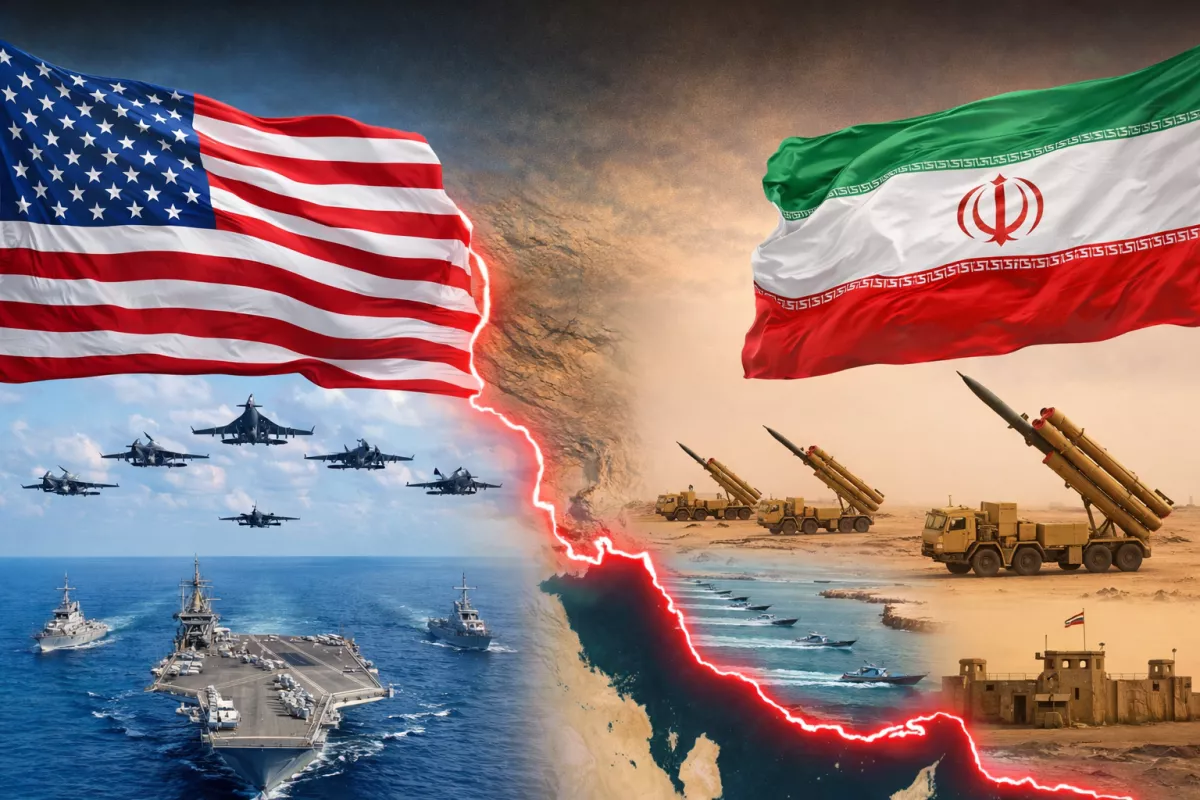
As is known, the conflict is accompanied by periodic intensifications of military activity: Iran attacks tankers attempting to pass through the strait, the United States seeks to ensure their security by carrying out strikes against Iranian territory, and Tehran responds by targeting US allies in the region, such as Kuwait and the United Arab Emirates. This confrontation is creating negative consequences not only for the entire world, as it could push the global economy into recession, but also for the Gulf Arab monarchies — Saudi Arabia, the UAE, Kuwait, Qatar, Bahrain, and Oman.
If such a situation continues for too long, many countries around the world may begin transforming their energy sectors. A prime example of this approach is the “world’s factory” — China, which is investing enormous resources in the development of both renewable energy sources, including wind and solar power, and nuclear energy. It is entirely possible that many other countries will follow a similar path. At the same time, there is also a possibility that in the coming years, preference will increasingly be given to oil and gas fields located outside the Gulf region.
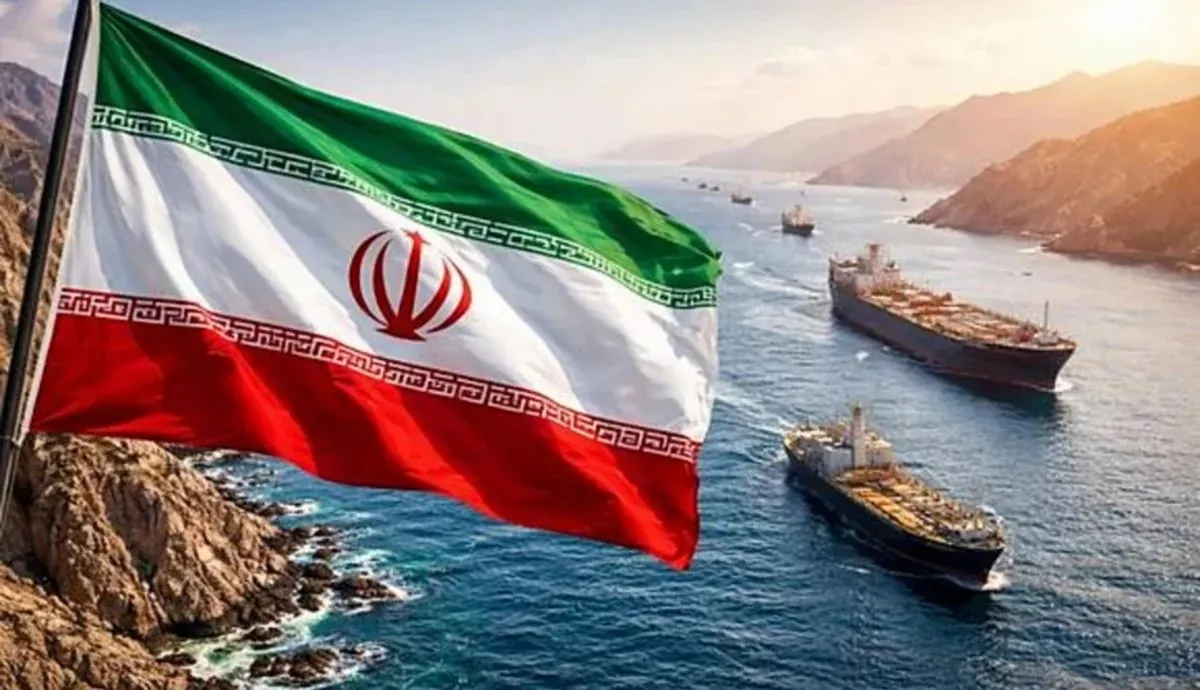
In other words, just as the COVID-19 pandemic sharply accelerated the digitalisation of the global economy, the blockade of the Strait of Hormuz could provide a powerful impetus for the transition to “green” energy and the reduction of dependence on hydrocarbons. However, this will be a long process, and during this transition new oil and gas fields will be developed, alternative logistics routes bypassing this vital waterway — and possibly even the Gulf states themselves — will be established.
The situation is further aggravated by the factor of the Bab el-Mandeb Strait, where tensions remain high. Due to the maritime embargo declared by Yemen’s Houthi movement against Saudi Arabia and the subsequent attacks on tankers, commercial shipping traffic has fallen by more than half. At the same time, rerouting vessels around this passage involves additional costs.
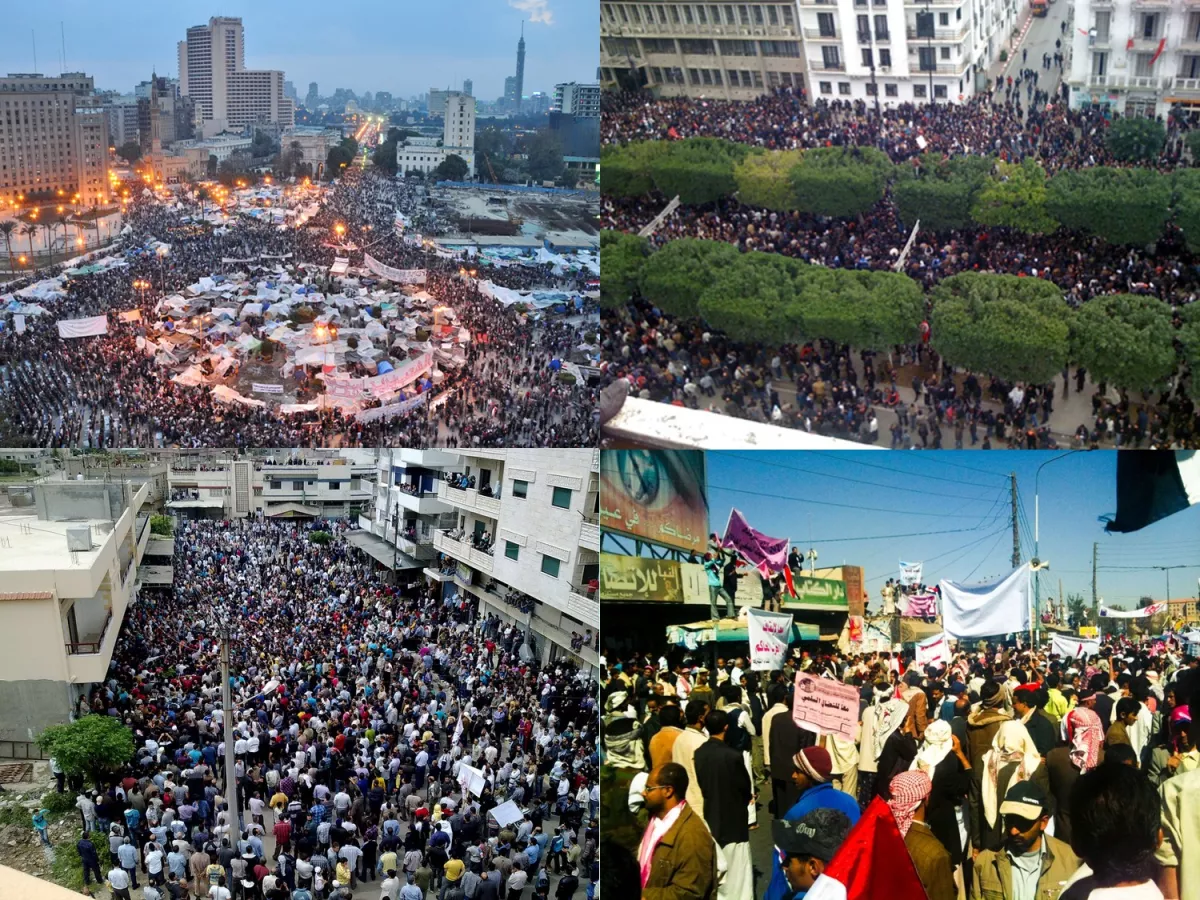
All of the above, combined with a more assertive Iran that is striking neighbouring countries as part of its strategy of “horizontal escalation” — thereby testing the limits of what is acceptable — represents a factor capable of undermining the stability of the Gulf states. These countries have set themselves the goal of transitioning to a post-oil economy based on advanced technologies in order to become Middle Eastern counterparts of South Korea and Japan. If this project fails, the Arab states of the Persian Gulf, with their populations numbering in the millions and accustomed to extensive state support, will gradually but inevitably begin to grow poorer and could ultimately become potential candidates for a new phase of the “Arab Spring.”
For this reason, the success of this transition is directly tied to the very survival of the Arab state systems, which are channeling vast revenues from oil and gas exports into the creation of modern energy, transport, and port infrastructure needed to attract investors, establish networks of advanced industries, develop the technology sector and tourism, and transform themselves into safe havens for international finance — where reliability is combined with a lack of excessive scrutiny over the origins of funds.
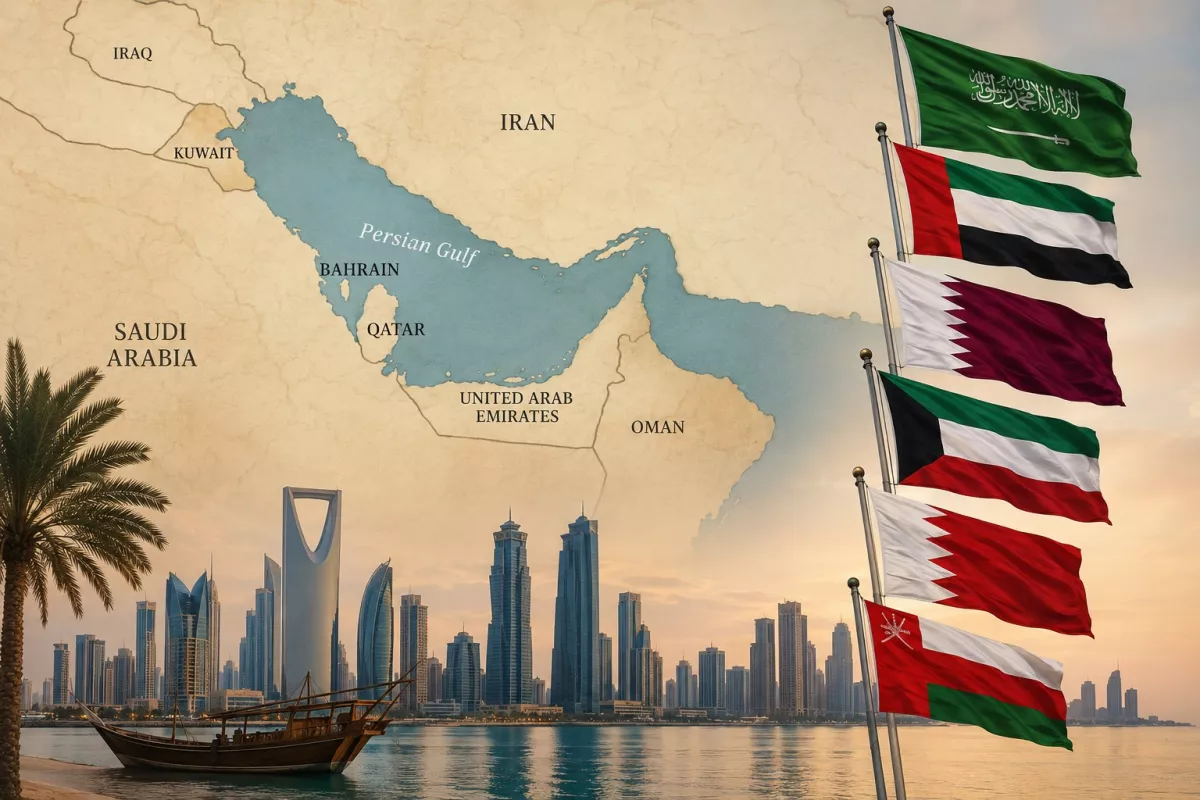
Thus, the Gulf states are seeking investors and financiers, but the key challenge is that, amid a situation in which Iran regularly launches attacks on their territories and confidently — as far as circumstances allow — signals its intention to control the region through the “Axis of Resistance” — an alliance that includes Yemen’s Houthis, Iraqi militant groups, Hezbollah, and Hamas — few will be willing to take such a step. After all, as the saying goes, money thrives on stability.
As we can see, the Gulf states’ fundamental programme of structural transformation has now come under pressure, and it is difficult to predict the direction in which events will develop. However, one thing is clear: today’s Iran, where power is concentrated in the hands of the Islamic Revolutionary Guard Corps, known for its highly radical outlook and uncompromising approach, poses a permanent set of risks to the Arab states of the Persian Gulf.







 editor@caliber.az
 +994 55 444-88-98
 Азербайджан, Баку, ул. Низами, 203, Af Business House, 5-й этаж