










Milei, the left’s nemesis Argentina’s president sparks a diplomatic storm
The recent visit of Argentine President Javier Milei to Brazil turned into one of the loudest diplomatic scandals of recent months.
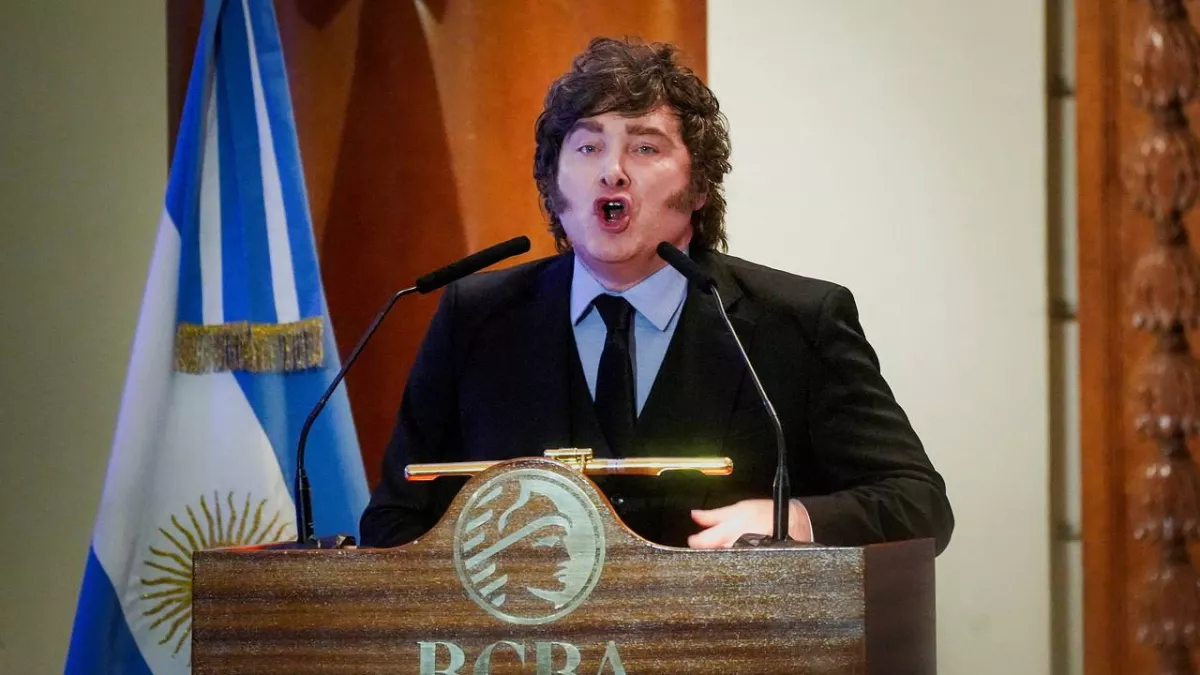
Speaking at the Liberal Party congress in São Paulo, the famously outspoken Argentine leader endorsed the candidacy of Flávio Bolsonaro (the son of former Brazilian President Jair Bolsonaro, who is currently under arrest) in the presidential election and called the incumbent president, Luiz Inácio Lula da Silva, "the convict," while describing his government as "bald trash." Brasília responded immediately: the country's ambassador was recalled from Buenos Aires for consultations.
The very fact that Argentina's sitting president took part in an election campaign event in a neighbouring country speaks volumes. Milei has effectively entered the struggle for power in South America's largest nation, openly calling for the defeat of left-wing forces throughout the region. Such actions go far beyond the bounds of customary diplomatic practice.
What is happening coincides with a noticeable shift in the policies of the Trump administration. Washington is increasingly viewing international affairs through the lens of ideological confrontation, a framework well known from the Cold War era. Such rhetoric helps the White House unify its domestic and foreign policy agendas. Significantly, the United States' principal strategic rival today is a country that continues to be governed by the Communist Party—the People's Republic of China.
It is precisely this circumstance that has brought the ideological factor back into global politics, even though the economic realities of the 21st century have long outgrown the classical Cold War model. Liberal globalisation, which Trump has consistently opposed, has at the same time created the conditions for China's unprecedented rise. As a result, the rivalry with Beijing has taken on strategic, economic, and ideological dimensions. Against this backdrop, the growing strength of left-wing political forces in various countries is increasingly perceived in Washington as a process that could objectively reinforce the position of the United States' principal competitor.
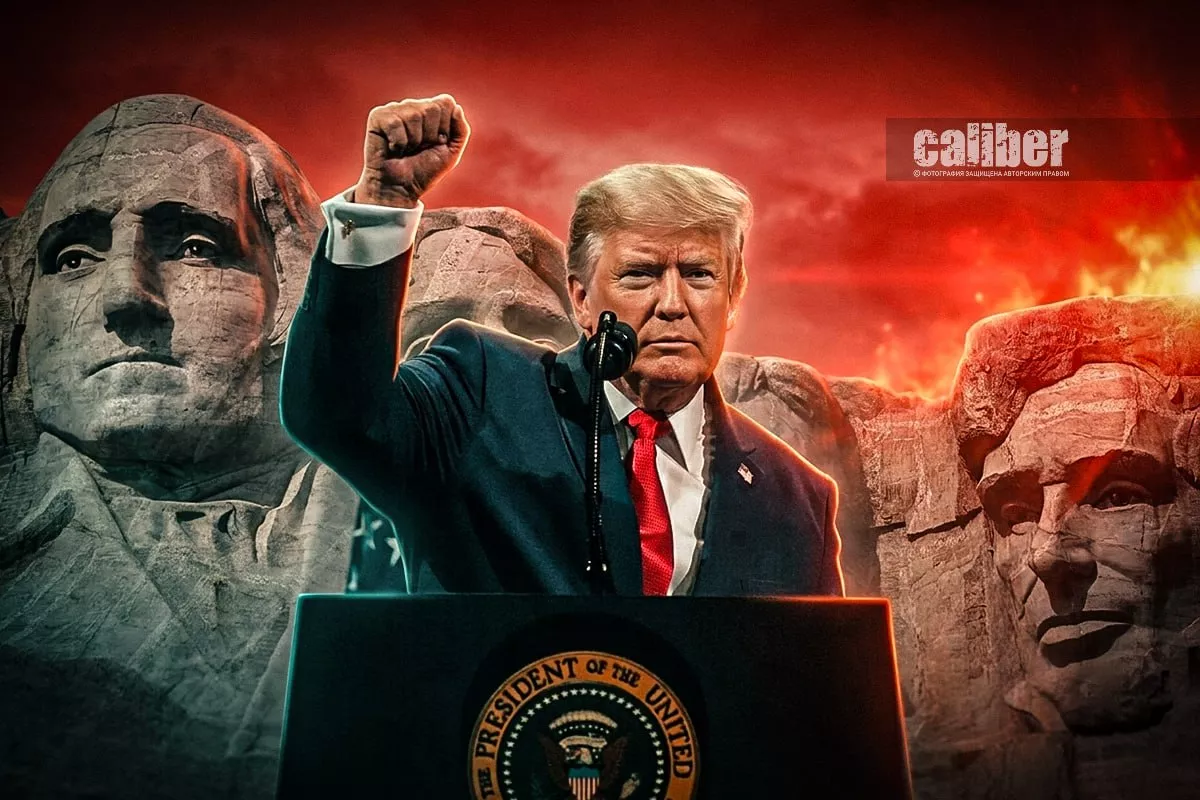
This trend was vividly illustrated by Donald Trump's speech at Mount Rushmore in early July of 2026. The U.S. president declared that there was a "resurgence of the communist menace" and accused radical progressives of attempting to destroy the American identity. The fight against left-wing ideas occupied a central place in the address and was presented as one of the United States' foremost priorities.
Washington's foreign policy is gradually coming to reflect this approach. Its hardline stance toward Cuba, criticism of the region's left-wing governments, and open support for conservative politicians all form part of a broader pattern. Against this backdrop, Milei appears to be one of the White House's most consistent allies in Latin America.
The Argentine president's outburst in São Paulo and the subsequent recall of Brazil's ambassador suggest that the region is entering a new political cycle. Presidential elections in individual Latin American countries are increasingly becoming part of a broader ideological confrontation. Judging by current trends, it is this confrontation that will largely shape relations among the countries of the Western Hemisphere in the years ahead.
However, the Milei episode reflects another trend that has become increasingly evident in recent years—the rapid erosion of diplomatic conventions. Leaders and foreign ministers are increasingly allowing themselves actions that, until recently, would have been regarded as unacceptable interference in the internal affairs of other countries. One need only recall that, ahead of Georgia's 2024 parliamentary elections, the foreign ministers of Lithuania, Estonia, and Iceland travelled to Tbilisi and addressed participants at an opposition rally on Rustaveli Avenue, openly demonstrating their support for the protest movement.
In this sense, Milei's trip to Brazil appears less an exception than yet another manifestation of a new diplomatic era, in which ideological solidarity is increasingly taking precedence over the traditional principle of non-interference.







 editor@caliber.az
 +994 55 444-88-98
 Азербайджан, Баку, ул. Низами, 203, Af Business House, 5-й этаж