










Zelenskyy’s deadline Can Ukraine end the war before winter?
A new statement by Ukrainian President Volodymyr Zelenskyy on his intention to end the war — presented as a strategic goal aimed at increasing diplomatic pressure on Russia, mobilising international partners, and bringing the situation to a point where Moscow will have “no alternative but peace” — is being widely discussed both in the media and among experts.
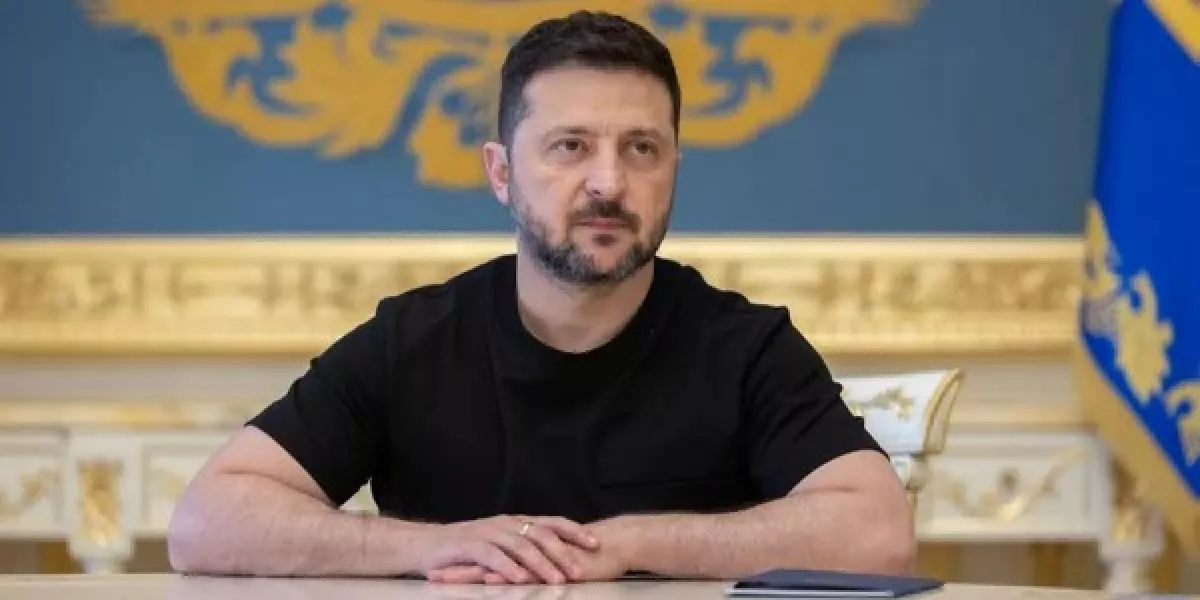
Speaking at a meeting with Ukrainian ambassadors in Kyiv, Zelenskyy said that Ukraine would do everything possible to ensure that the war ends before the winter season begins. He also outlined a clear roadmap designed to persuade Russia to move toward peace as soon as possible: “This year, your task [the ambassadors’ task — ed.] is to provide maximum support for the government of Ukraine’s external track in relations with our partners.”
At the same time, Presidential Office adviser Mykhailo Podolyak clarified that Kyiv is proposing various ceasefire formats — from partial truces in the air and energy sectors to freezing the conflict along the current front line, followed by a transition to negotiations. Moreover, according to him, Zelenskyy is ready for a personal meeting with the Russian leadership.
At first glance, all of this appears to be an attempt to find an optimal way out of a protracted confrontation. However, a deeper examination of the situation raises a number of serious questions regarding both the very setting of these goals and the political logic behind such statements. The analysis should begin with the fact that Zelenskyy has long been known for making high-profile and ambitious statements that are later either adjusted or gradually disappear from the political agenda.
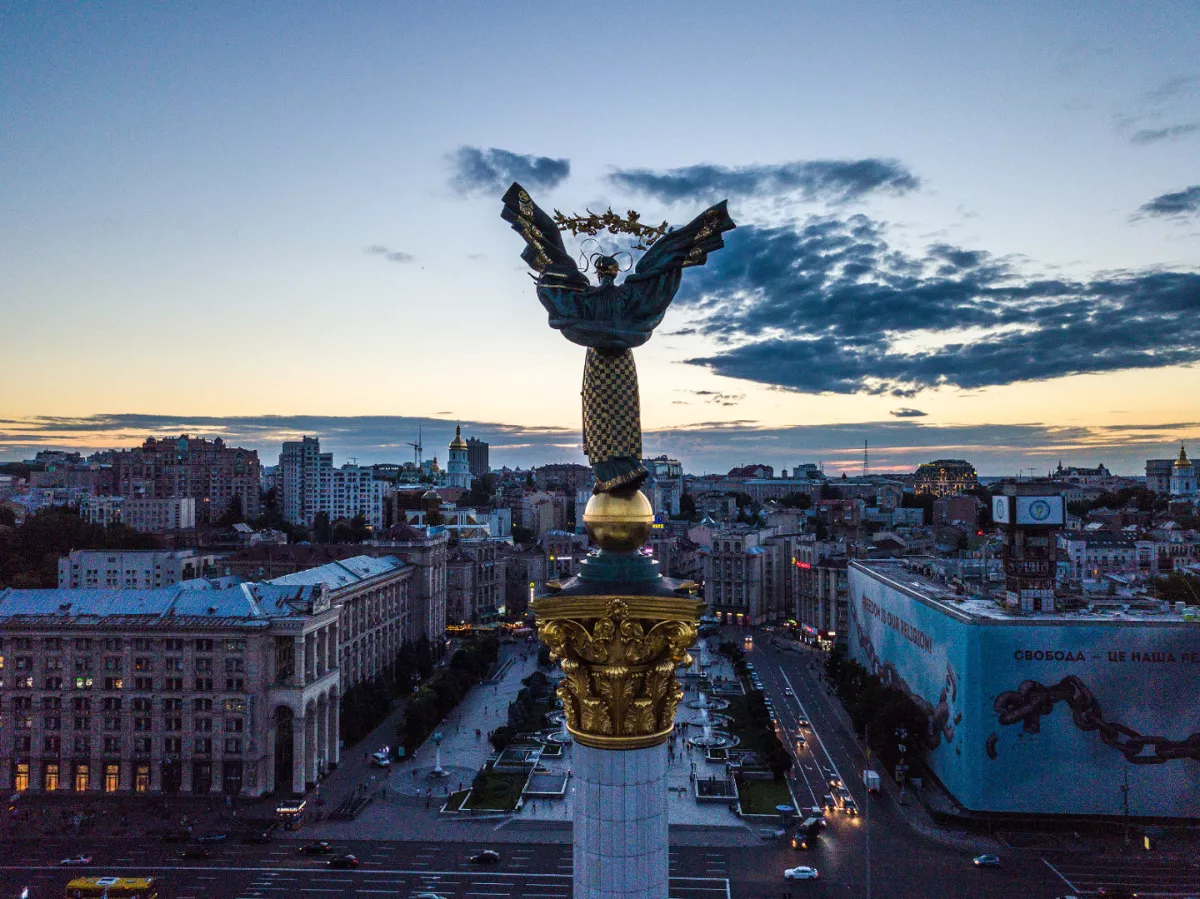
One of the most striking examples is the previously declared goal of restoring Ukraine’s borders as of 1991. Today, the Ukrainian president has effectively acknowledged that achieving this objective is impossible in the foreseeable future. A similar situation has emerged with the issue of Crimea’s de-occupation, where the phrase “at this stage” should not be misleading. In essence, this amounts to an acknowledgement that previous political promises lack practical mechanisms for implementation under current conditions.
And this is not merely a rhetorical evolution — it represents a shift in the strategic horizon. Against this backdrop, the new statement about ending the war by winter appears more like a political signal than a plan capable of being translated into reality. The approaching winter adds further tension to the situation. In a peaceful country, discussions of this kind in August might seem premature, but Ukraine is living under conditions of a full-scale war and a severely damaged energy infrastructure.
Under these circumstances, preparations for the heating season should begin almost immediately after the previous one ends. However, an increasing number of Ukrainian experts are pointing to a worrying gap between the authorities’ high-profile statements and the actual pace of preparations. If this gap persists, winter could become not merely a difficult period, but a critical one — marked by large-scale power outages, social tensions, and economic losses.
The situation is further complicated by purely military factors. Ukraine continues to face shortages of air and missile defence capabilities, particularly when it comes to intercepting ballistic missiles. This means that critical infrastructure, including bridges and transport hubs in Kyiv, remains a potential target. Their destruction could have severe consequences not only for the capital but for the country as a whole, disrupting logistics, economic ties, and governance systems. Thus, the security factor is directly linked to the factor of time: the longer the war continues, the greater the risk of accumulating critical damage.
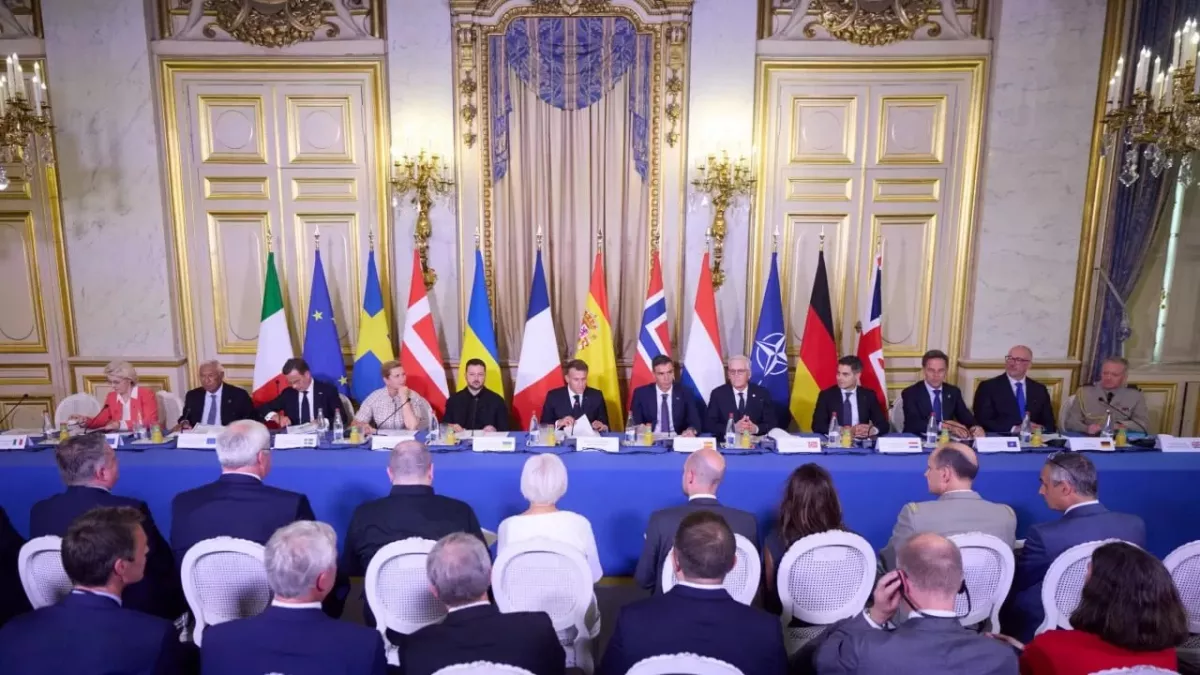
An equally important aspect is the foreign policy dimension. Western support remains a key element of Ukraine’s strategy. However, a worrying trend is emerging in Europe — the gradual weakening of political leadership. The resignation of Keir Starmer, the approaching end of French President Emmanuel Macron’s term in office, and the unstable position of German Chancellor Friedrich Merz create risks of a potential leadership vacuum, as these figures largely form the backbone of the “coalition of the willing” — the core group of countries actively supporting Kyiv.
Their possible departure or weakening positions could lead to a decline in coordination and political resolve within the European Union. For Ukraine, this means one thing: the window of opportunity may begin to close.
At the same time, it should not be forgotten that the Russian leadership is also closely monitoring developments: Moscow sees both Ukraine’s internal difficulties and potential shifts in Western support. Under these circumstances, Russia has no obvious incentive to rush toward ending the war. On the contrary, the logic of prolonging the conflict may appear more advantageous — based on the expectation of a gradual depletion of Kyiv’s resources and a weakening of its international backing. This makes the prospect of achieving peace before winter highly unlikely.
It is clear that Volodymyr Zelenskyy finds himself in a situation where his room for manoeuvre is rapidly narrowing: on one side are the pressures of war and domestic challenges; on the other is uncertainty over continued external support. This is precisely why statements from the Ukrainian leadership calling for a ceasefire and a swift end to the confrontation have become increasingly frequent. However, a significant gap remains between political rhetoric and reality, especially given that Russian officials continue to regularly state that the “objectives of the special military operation remain unchanged.”







 editor@caliber.az
 +994 55 444-88-98
 Азербайджан, Баку, ул. Низами, 203, Af Business House, 5-й этаж