










Georgia’s forgotten regions: Tbilisi launches a revival mission Article by Vladimir Tskhvediani
On July 29, 2026, during a briefing at the Government Administration, Georgian Prime Minister Irakli Kobakhidze announced the creation of the position of State Minister for Regional Policy within the government structure. Mamuka Mdinaradze will assume this post while simultaneously continuing to serve as Deputy Prime Minister.
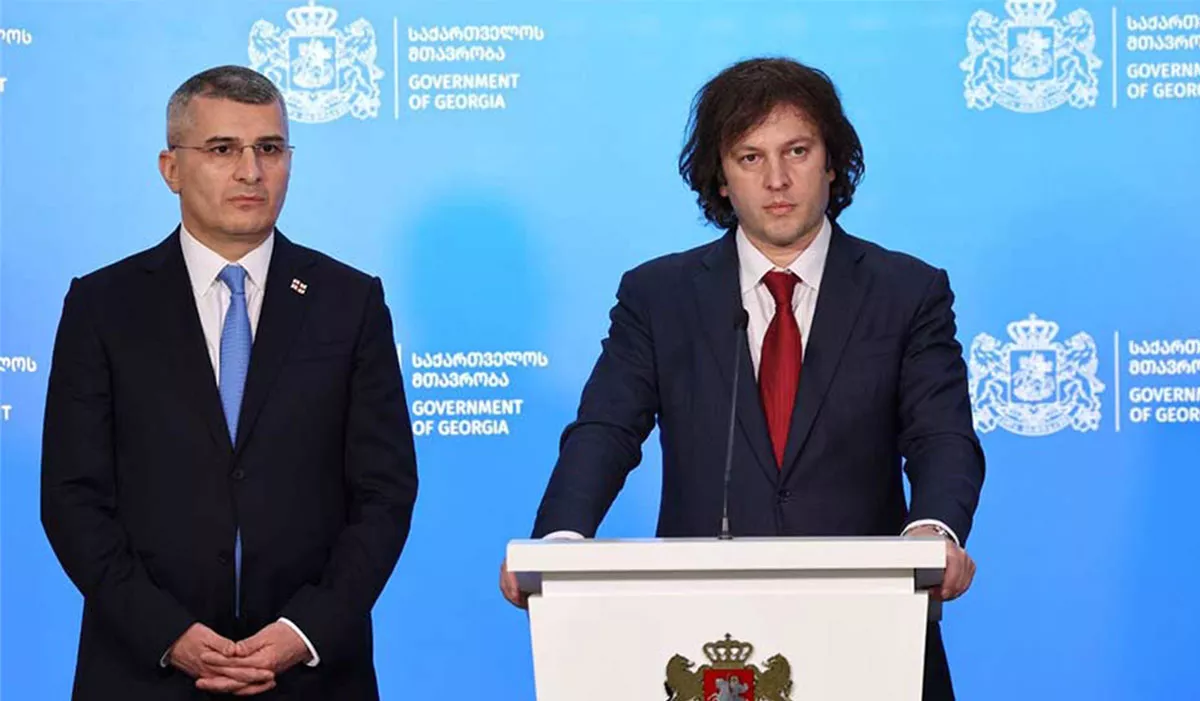
The disproportionate growth of capital cities and one or two major economic centers against the backdrop of the decline of the provinces is a problem faced by many countries in Europe and Asia. Unfortunately, Georgia is experiencing similar processes. A construction boom continues in Tbilisi and Batumi, while the population is increasingly concentrating in these cities. At the same time, Georgia’s rural regions remain in a state of economic depression and continue to lose population.
According to Georgia’s National Statistics Office, Tbilisi accounts for 53.1 per cent of the country’s GDP, while Adjara, with its capital Batumi, contributes another 9.3 per cent. The remaining ten regions account for only 37.6 per cent of GDP.
The demographic situation is similar: positive natural population growth has been recorded in only three regions—Tbilisi, Adjara, and Kvemo Kartli. In all other regions of the country, natural population decline is observed due to the outflow of young people from rural areas.
The mountainous regions are in an especially difficult situation, where the number of abandoned villages continues to grow. Of Georgia’s 3,617 villages, 200 already have no permanent residents, while 278 are home to ten or fewer people, meaning they may also become deserted in the near future. Rural schools are closing, whereas in Tbilisi and Batumi, parents of first-grade students often struggle to find a place in a school close to home due to overcrowding.
Meanwhile, it is largely the votes of rural residents that have enabled the ruling Georgian Dream party to remain in power. By contrast, support for the opposition has been strongest in Tbilisi. The continued decline and depopulation of the regions, in itself, calls into question the political future of the ruling party.
On the other hand, economic growth has provided the government with additional budgetary resources that can be directed toward regional development. Through the redistribution of budget subsidies, it is entirely possible to reduce the gap between the capital and the provinces. However, there is a high risk that without reforming the local self-government system and taking strong measures against corruption at the local level, the allocated funds will simply be spent inefficiently or even embezzled without producing any tangible results.
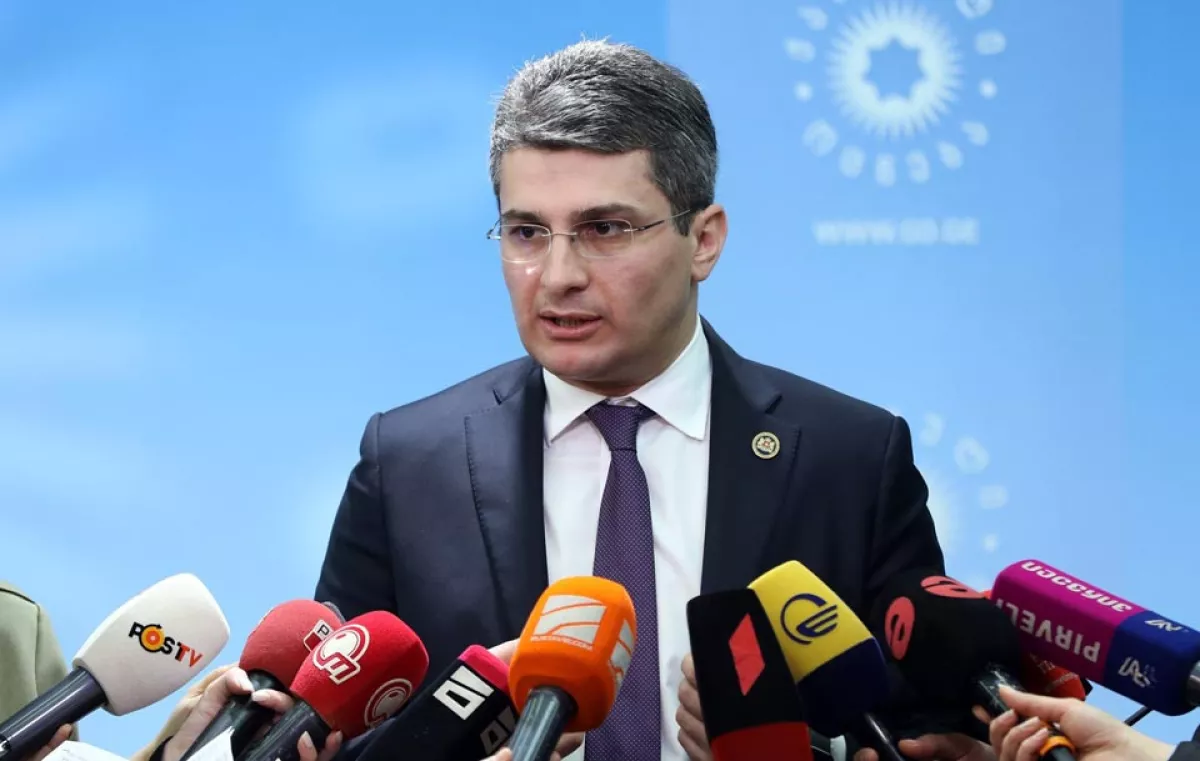
It is for this reason that Mamuka Mdinaradze, who played an important role in enabling the government to strengthen control over law enforcement agencies amid external destabilization threats and attempts to organize “revolutionary” coups, has been appointed to oversee regional development.
Mamuka Mdinaradze occupies a special place in Georgia’s modern political history. He has a reputation as a tough and uncompromising leader and is a close ally of party leader Bidzina Ivanishvili on key political issues, including the defense of the country’s national interests under conditions of external pressure.
As a member of parliament, Mamuka Mdinaradze became known for his firm stance against dragging Georgia into war. In June 2022, he openly stated that the European Union was pressuring the country to open a “second front.”
In recent years, Mamuka Mdinaradze has been entrusted with the most difficult and responsible tasks within the Georgian Dream team. He headed the ruling party’s parliamentary faction during the period of political confrontation with the radical opposition and attempts to organize street unrest.
In September 2025, Mamuka Mdinaradze became the head of Georgia’s State Security Service (SSS) and, according to the authorities, prevented an attempted “revolutionary” coup planned by the opposition to coincide with the local elections on October 4, 2025. In April 2026, he was appointed Deputy Prime Minister and State Minister for the Coordination of Law Enforcement Agencies. His performance in this role was also highly praised by Prime Minister Irakli Kobakhidze.
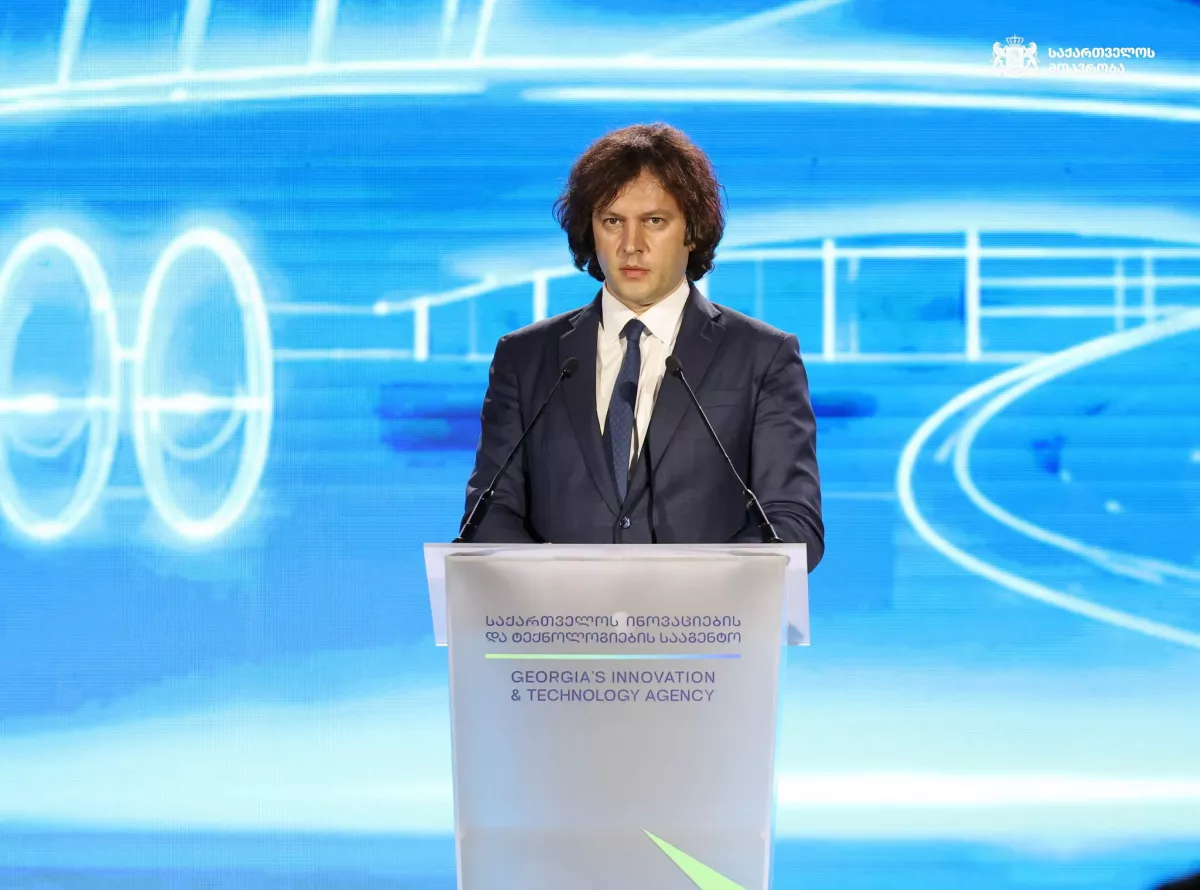
“Several months ago, Mamuka Mdinaradze assumed the position of State Minister for Law Enforcement Affairs, where he made a very significant contribution to establishing a system of coordinated work among law enforcement agencies. The work carried out during this period enables us to ensure the effective coordination and functioning of law enforcement structures in the future without the need for a separate State Minister position,” Irakli Kobakhidze stated, thereby making it clear that the government's priority at this stage is regional development.
“The effective implementation of regional policy is today a task of extraordinary importance for the state, one that Mamuka Mdinaradze, as a politician with exceptional political and administrative experience, is best suited to accomplish,” the prime minister said.
The fact that responsibility for regional development has been entrusted to Mamuka Mdinaradze—a figure who has established himself as a tough and uncompromising executor of the Georgian Dream party’s political course—indicates that the authorities intend to seriously address the problems of the regions’ economic underdevelopment and demographic decline. It is clear that the effects of increased support for the regions will not be immediate. However, if the authorities succeed in reversing the negative trend of hyper-urbanization and the uncontrolled growth of the capital, and the regions stop losing population, Georgia’s experience may prove valuable for other countries facing similar challenges.
By Vladimir Tskhvediani, Georgia, exclusively for Caliber.Az







 editor@caliber.az
 +994 55 444-88-98
 Азербайджан, Баку, ул. Низами, 203, Af Business House, 5-й этаж