










US and Europe: Allies heading toward a new confrontation? Analysis by Teymur Atayev
On the night of July 28, U.S. Under Secretary of War for Policy, Elbridge Colby, announced that the Pentagon had begun a review of NATO’s strategy on the European front. “The ice has been broken,” as the character from a once-famous literary work used to say.
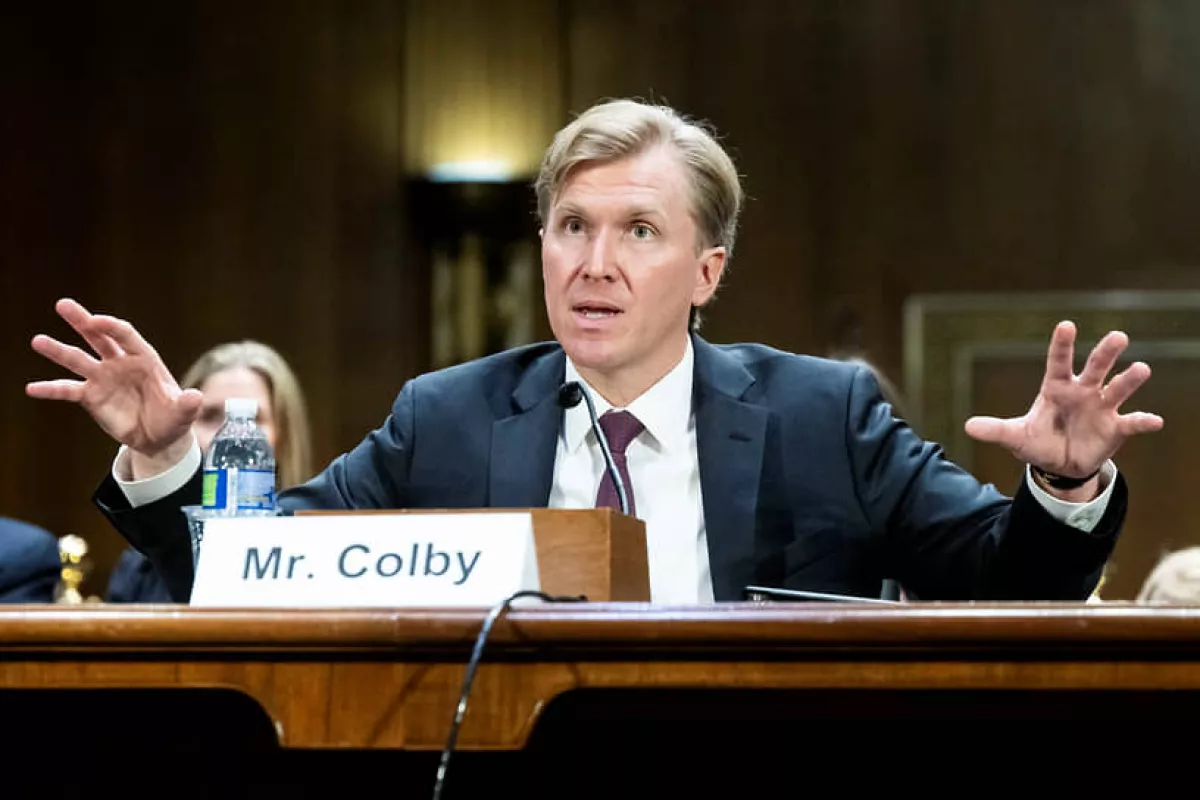
Colby referred to a statement made by U.S. Defense Secretary Pete Hegseth at the June meeting of defence chiefs in Brussels, where he announced the launch of a six-month review of the deployment of American troops in Europe. The goal of this process is to ensure rapid and irreversible progress toward a NATO model in which Europe assumes primary responsibility for its own defence.
The move is part of the implementation of the “NATO 3.0” concept presented by Hegseth in Brussels. Under this concept, NATO should become a fully-fledged military alliance focused on hard power and genuine deterrence. At the same time, Europe, playing the leading role in ensuring the continent’s security, should emerge as a powerful military force allied with a strong America.
Overall, the review of the U.S. military presence in Europe effectively implements the provisions of the 2026 U.S. National Defense Strategy, which emphasised the need for European allies to take the leading role in Europe and in other theatres in countering threats that are less serious for us but more serious for them, with critical but more limited support from the United States.
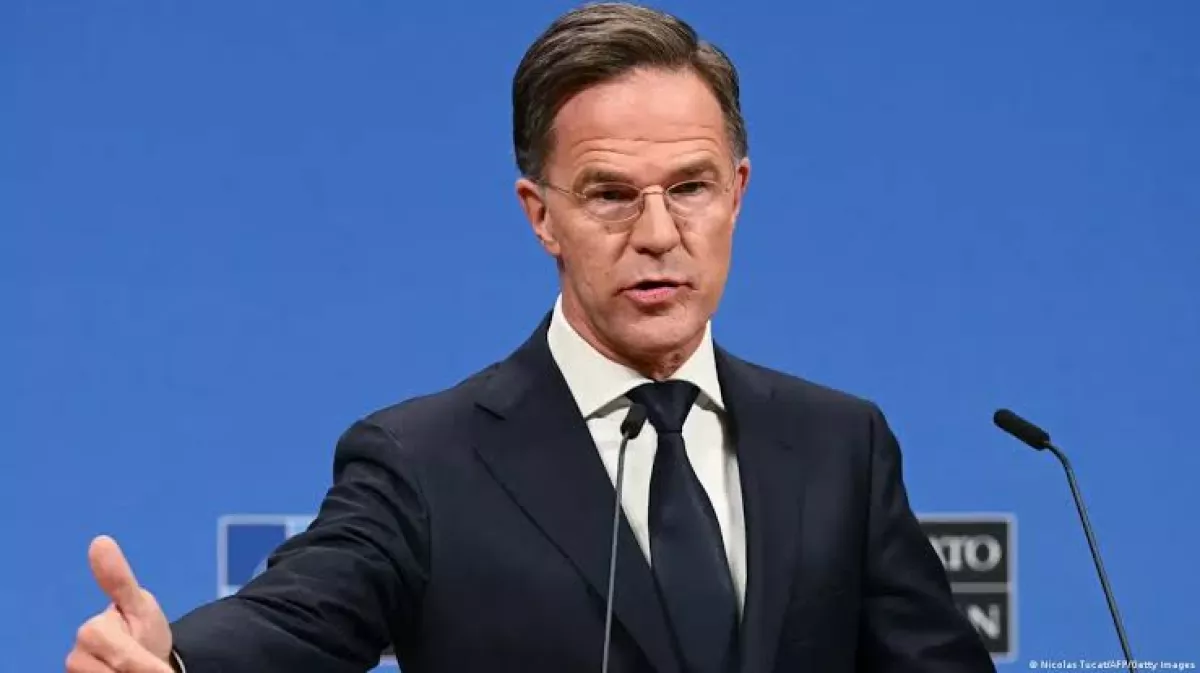
As a result, following the June meeting of NATO defence ministers, the alliance’s Secretary General Mark Rutte stressed the importance of European allies taking on greater responsibility for defence while benefiting from American strength.
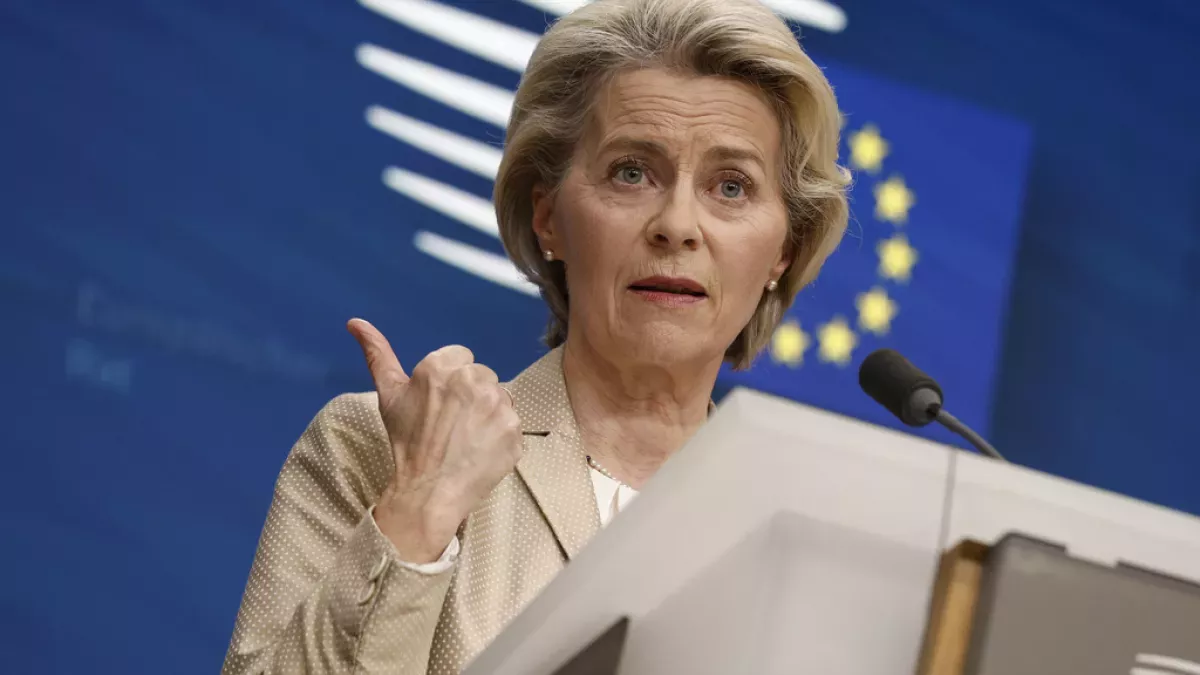
Meanwhile, at the July NATO summit in Ankara, European Commission President Ursula von der Leyen stated that there was full determination to close the gaps we see in the defence sector. In particular, this involves mobilising €800 billion by 2030, which is expected to be invested in building a strong industrial and defence-industrial base.
The declaration adopted at the Ankara summit highlighted the collective strength of NATO member states as the foundation for creating “a stronger Europe within a stronger NATO.”
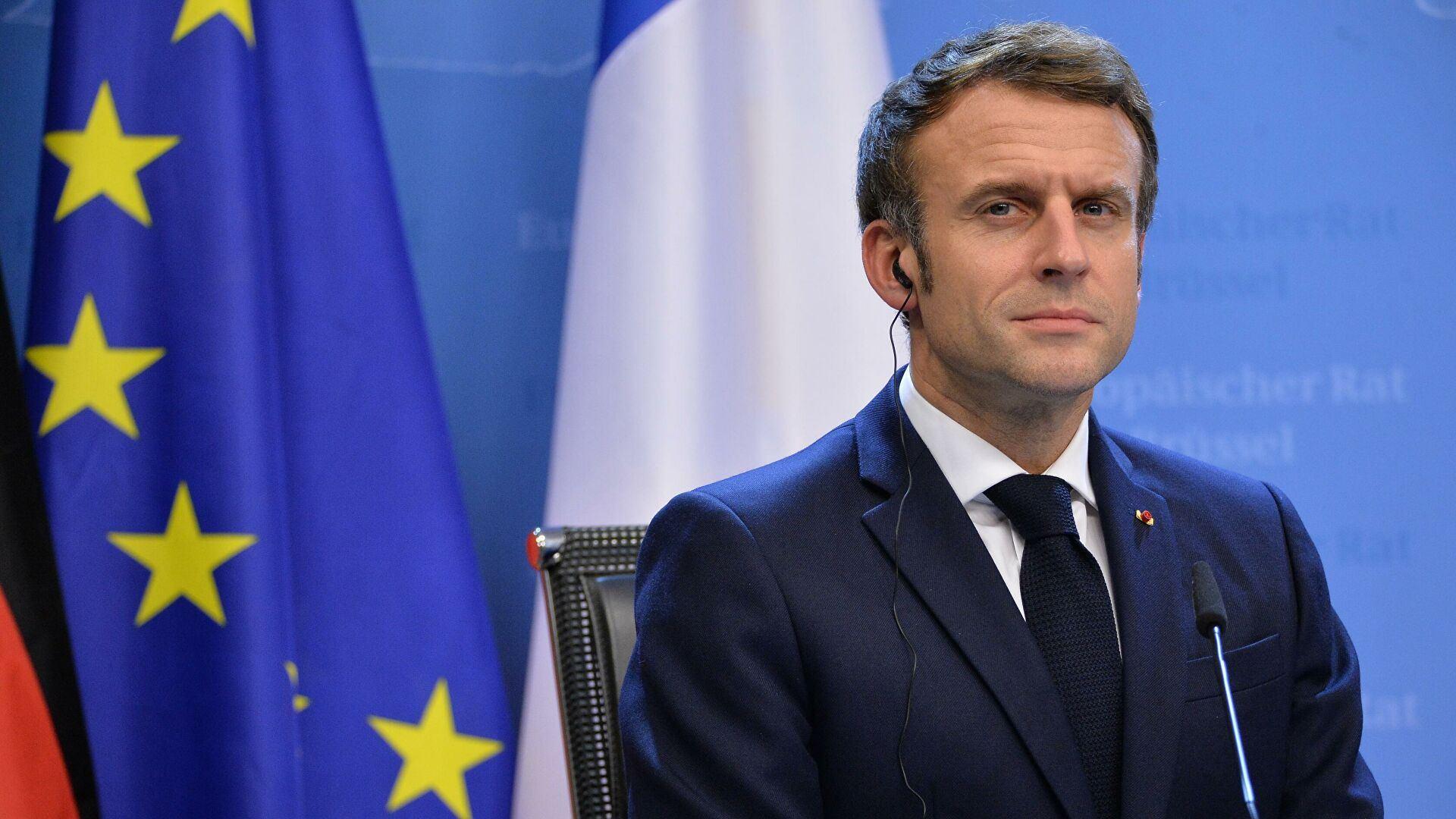
According to a number of analysts, the emerging situation should encourage European policymakers to further advance the idea of European strategic autonomy, long advocated by French President Emmanuel Macron.
In this regard, particular attention is being drawn to Paris’ official position on the French “nuclear umbrella” for Europeans, reflected in Macron’s introduction of the concept of “forward deterrence.” This doctrine aims to more deeply integrate France’s nuclear capabilities into Europe’s strategic security architecture, albeit without providing formal guarantees comparable to NATO’s nuclear umbrella.
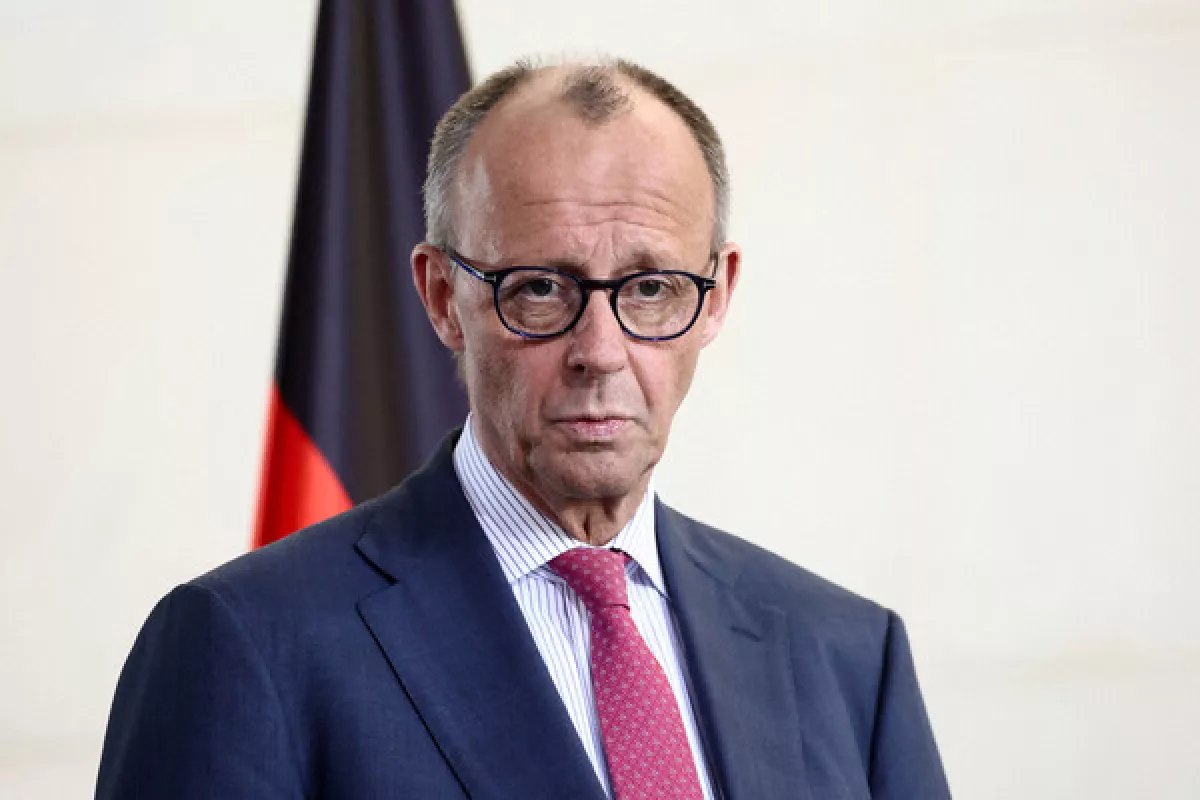
Against this backdrop, in March of this year, France and Germany established a “nuclear coordination group” to enhance cooperation on nuclear strategy issues. As a result, earlier this month, following a bilateral meeting, German Chancellor Friedrich Merz announced Berlin’s plans to deploy its own conventional armed forces during French nuclear exercises scheduled for September.
It cannot be ruled out that further developments along similar lines will emerge in the near future. However, it is still too early to speak of a smooth transition for NATO toward the new realities. According to experts, recent events at the United Nations provide evidence of this.

Last Friday, UN High Commissioner for Human Rights Volker Türk was re-elected for a second term by a wide margin, despite opposition from the United States, Russia, and Israel.
Then, on Monday, American diplomats walked out of the UN meeting hall during a speech by their French counterparts after the latter criticised the human rights situation under the Trump administration.
Describing the incident as a “surprise move,” the Associated Press viewed the walkout by the U.S. delegation as reflecting not only the existing disagreements between Donald Trump and Emmanuel Macron, but also broader tensions in relations between the United States and Europe, including issues related to Trump’s commitment to NATO, possible changes in the deployment of U.S. troops in Europe, and a range of other challenges.
In other words, even if European countries agree in certain cases to meet Washington’s demands, including increasing defence spending, mutual distrust between Europe and the United States continues to deepen.
For example, the United States announced the introduction of new tariffs on 60 trading partners, including the European Union, citing the inability of these countries and territories to ensure compliance with the ban on imports of goods produced using forced labour.
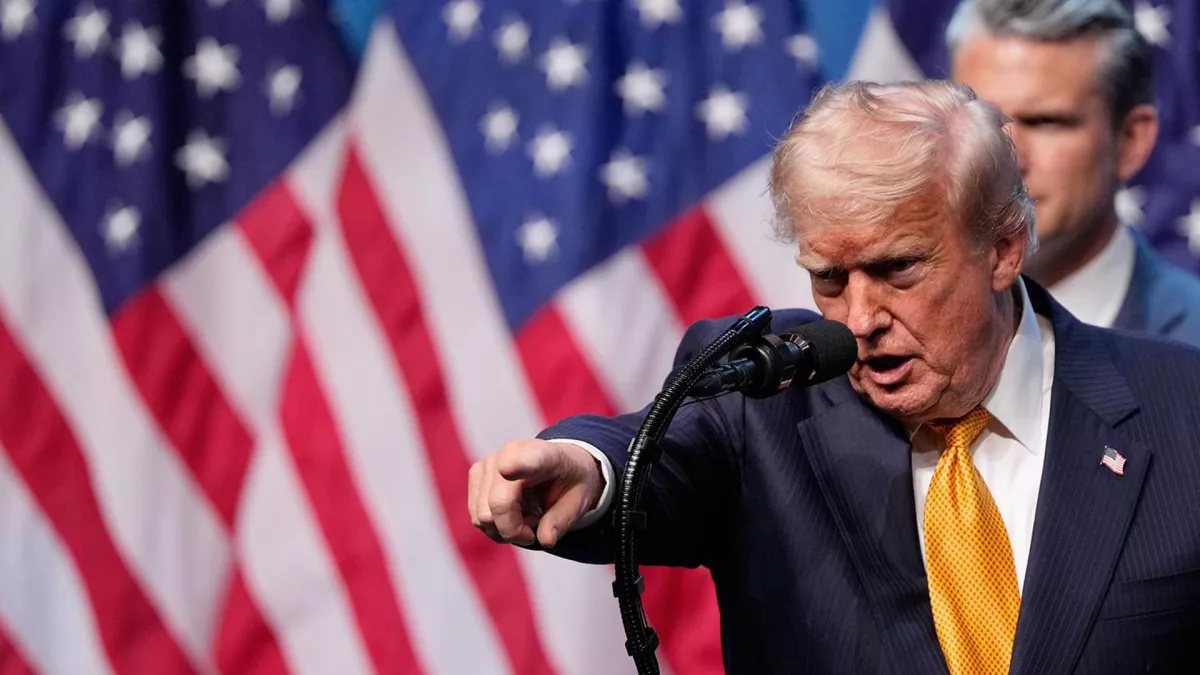
Donald Trump subsequently threatened the European Union with additional tariffs in response to the European Commission’s €890 million fine imposed on Google for violating the Digital Markets Act (DMA). And, almost immediately, the anti-French gesture by the U.S. delegation at the United Nations followed.
Therefore, developments in the transatlantic space only appear on the surface to reflect disagreements between Washington and Brussels within the framework of NATO. According to some analysts, what happened in the UN meeting hall on Monday may prove to be merely the beginning of a further deterioration in relations.







 editor@caliber.az
 +994 55 444-88-98
 Азербайджан, Баку, ул. Низами, 203, Af Business House, 5-й этаж