










Georgia no longer rushes toward the European Union Article by Vladimir Tskhvediani
The Georgian authorities have, for the first time, spoken about the possibility of effectively abandoning the country's aspiration to join the European Union.
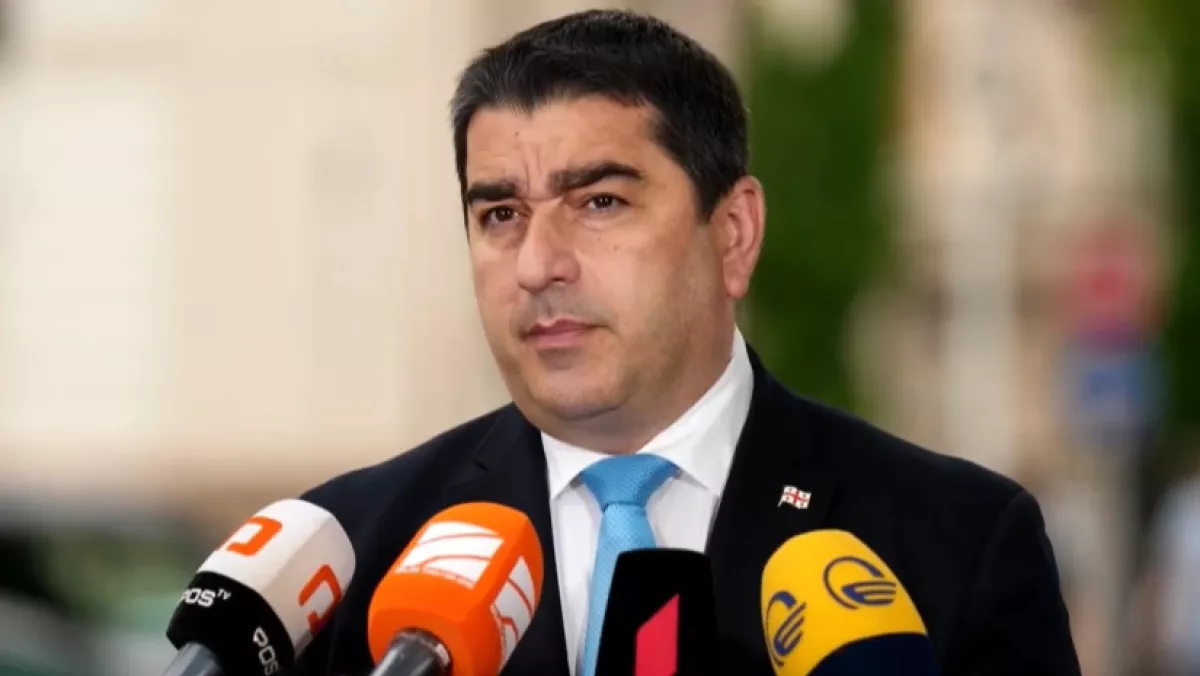
Speaker of Parliament Shalva Papuashvili wrote on social media that, for a small country like Georgia, it could even be more beneficial to remain outside the European Union. The reason is the effectively impending abolition of the principle of consensus in EU decision-making.
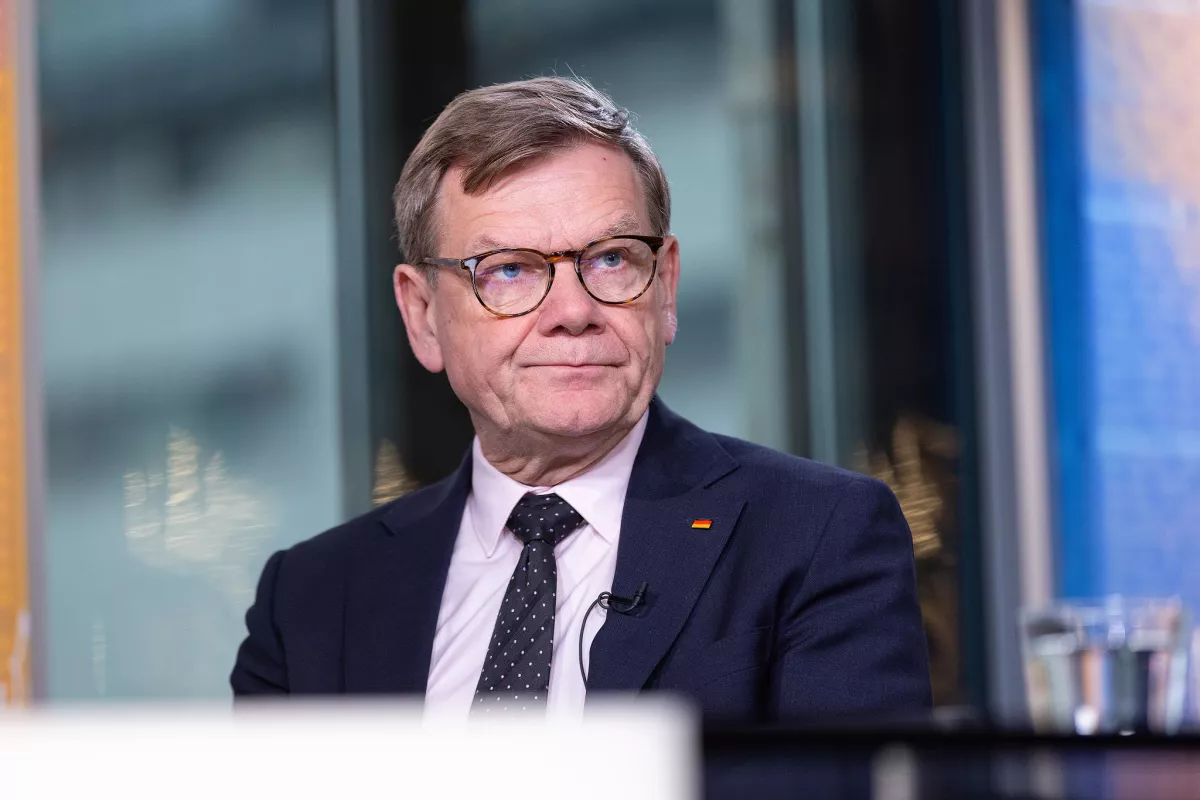
In the spring of 2026, German Foreign Minister Johann Wadephul proposed that decisions in the European Union be adopted by qualified majority voting instead of by unanimity. His initiative received the support of representatives of the EU's largest member states, which is hardly surprising.
Brussels has long been looking for a pretext to reduce the influence of smaller states within the European Union. Hungary's blocking of a number of European initiatives concerning Ukraine under the leadership of Viktor Orbán provided such a pretext.
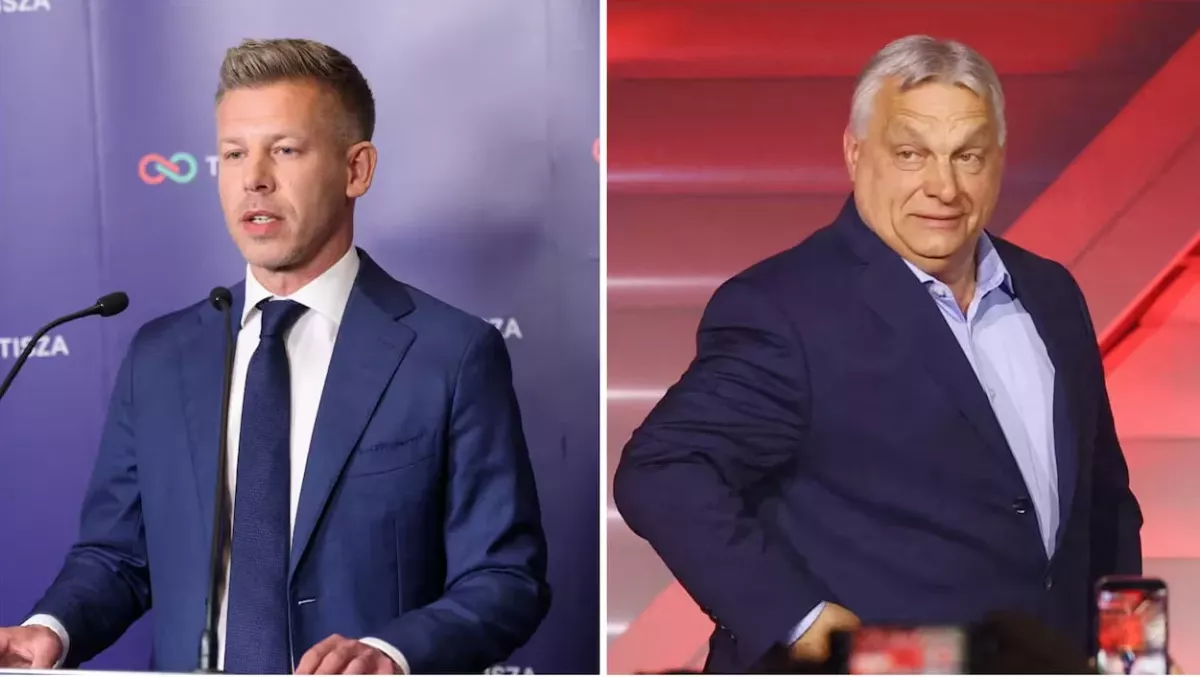
Although elections have since been held in Hungary and Viktor Orbán was replaced by the more supportive of these initiatives Péter Magyar, there are no plans to abandon EU reforms aimed at greater centralisation and reducing the powers of individual member states.
There has been little criticism within the EU itself of Johann Wadephul's proposal. Everything suggests that the European Union's transformation, with the role of smaller member states being diminished, will be rapid and irreversible. In this regard, Shalva Papuashvili stated:
"According to the German Foreign Minister, 12 countries have already joined Germany's initiative to abolish the principle of consensus in the EU. If this initiative is implemented, the European Union will almost certainly cease to be a union of equal members and instead become one governed by the major powers.
Membership in the European Union is important precisely because a country can support decisions that benefit it, advance its own interests, and block decisions that would harm it. If a country is deprived of this ability, then the EU also loses its significance as a mechanism for protecting national interests.
Under such circumstances, it may even be more advantageous for a small state to remain outside the European Union, since it would at least retain the freedom to make its own decisions."
By making these remarks, the Speaker of Parliament made it clear that EU membership in the form proposed by supporters of the reform is unacceptable for Georgia.
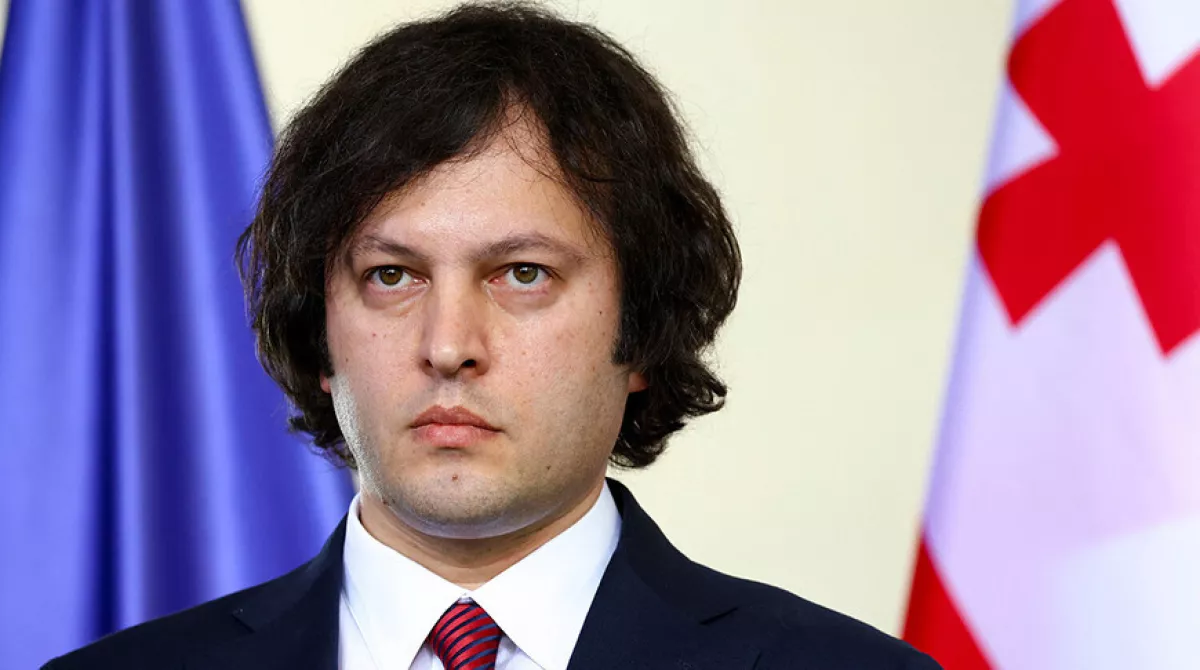
It is worth recalling that after Prime Minister Irakli Kobakhidze announced on November 28, 2024, that Georgia would suspend its EU accession negotiations until 2028, the opposition brought tens of thousands of supporters onto the streets and attempted to organise what it described as a genuine "pro-European revolution." At that time, there was no talk of Georgia abandoning its aspiration to join the European Union—the ruling Georgian Dream party spoke only of a "pause" in the country's European integration. Nevertheless, the situation at the end of 2024 was extremely tense. Only the authorities' tough measures to neutralise the organisers of the unrest prevented an attempted coup d'état.
Today, however, a senior official—the Speaker of the Georgian Parliament—has openly written that the European Union is not particularly necessary for his country. In doing so, Shalva Papuashvili signalled that Georgia's overall course toward European integration could be reconsidered. At the same time, his "anti-European" social media post was not followed by any significant public outrage from the opposition, protests, or mass demonstrations. This may be interpreted as an indication that the Georgian public is gradually shedding its "European illusions."
Support for "European integration at any cost" in Georgia is significantly lower today than it was two years ago. Even without EU membership, the country continues to post GDP growth rates that exceed those of most European states. Visa-free travel to Europe has also allowed hundreds of thousands of Georgian citizens to see everyday life in European countries firsthand, including their economic difficulties and social challenges.
As a result, the European Union no longer appears to many Georgians as the "earthly paradise" that the country must join at any cost. Against this backdrop, the ruling Georgian Dream party and its representatives have effectively begun an information campaign advocating a departure from the course of European integration.
At the same time, the opposition did not even attempt to use Shalva Papuashvili's "anti-European" statement to spark a new wave of protests.
The opposition's regular demonstrations in central Tbilisi have long since become small in scale and marginal. Following the start of reconstruction work on Rustaveli Avenue, the Georgian capital's main thoroughfare, the protests were relocated to the area around Avlabari metro station, where they now attract little public attention. This indicates that not only the authorities but also Georgian society are beginning to recognise the low likelihood of the country's integration into the European Union.
By Vladimir Tskhvediani, Georgia, exclusively for Caliber.Az







 editor@caliber.az
 +994 55 444-88-98
 Азербайджан, Баку, ул. Низами, 203, Af Business House, 5-й этаж