










Atlantic shield: Denmark bets on Faroe Islands in great Arctic game Article by Matanat Nasibova
In today’s geopolitical landscape, the Arctic is becoming one of the main arenas of rivalry between global powers and a point where their strategic interests converge. Against this backdrop, Denmark has decided to significantly strengthen its position in the North Atlantic by signing an agreement with the authorities of the Faroe Islands to expand military cooperation.

In particular, Danish Defence Minister Jeppe Bruus and Faroese Minister of Foreign Affairs and Fisheries Bárður á Steig Nielsen recently agreed on a gradual expansion of Denmark’s military presence in the archipelago. The agreement provides for joint exercises with the islands’ coast guard, support for NATO maritime operations, F-35 fighter jet patrols, as well as the deployment of frigates and transport aircraft. According to the Danish defence chief, Copenhagen is demonstrating its serious commitment to regional security while at the same time increasing its contribution to the collective defence of the North Atlantic Alliance.
At first glance, the move may appear to be merely an expansion of defence cooperation within the Kingdom of Denmark. In reality, however, it reflects much broader processes linked to the struggle for control over northern routes and ensuring security in the Arctic region. A particularly important role in this context is played by Greenland — where, as the saying goes, it all began.
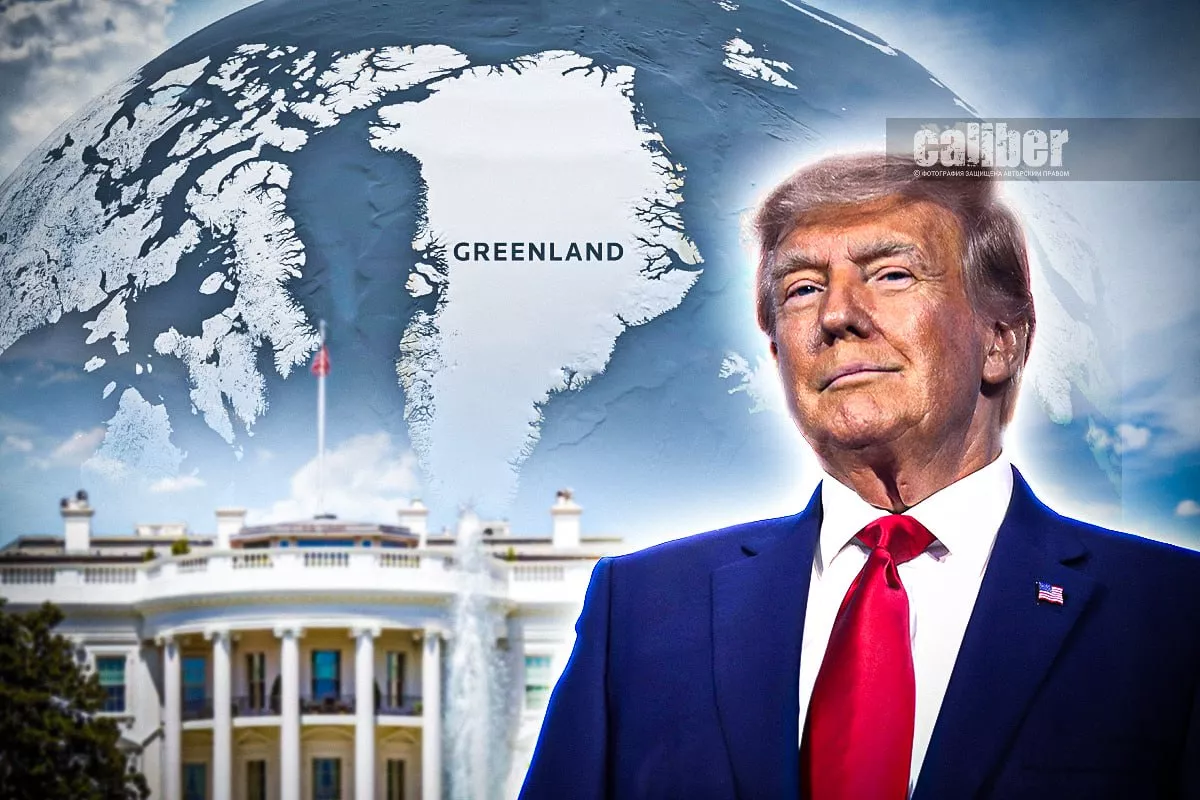
As is well known, after Donald Trump’s return to the White House, Washington once again began emphasising the strategic importance of the island and repeatedly stressed that Greenland holds exceptional significance for the security of the United States and North America, and therefore should come under American control “one way or another.” In Copenhagen, such statements were perceived not merely as political rhetoric and an encroachment on Danish sovereignty, but also as an additional incentive to strengthen its own position in the Arctic, signalling that the country has no intention of loosening its control over the autonomous regions of the Kingdom.
Later, the United States and Denmark moved toward a certain degree of consensus over the Greenland issue. As The Washington Post reported, after at least five rounds of negotiations, the two sides came closer to a compromise that would allow Washington to expand its military presence on the island without undermining Danish sovereignty or the authority of Greenlandic institutions. However, as recent developments show, Copenhagen has not abandoned its own plans — a point clearly underscored by the agreement reached with the Faroe Islands, which, given the archipelago’s geographical location, is anything but coincidental.
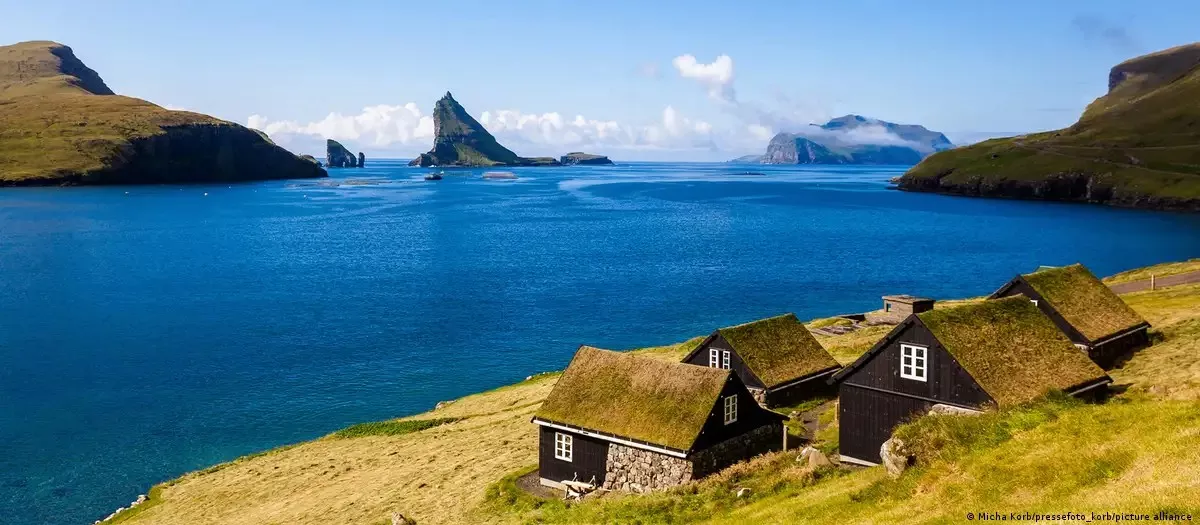
Brief background: The Faroe Islands are an autonomous territory and an archipelago of 18 islands in the North Atlantic, belonging to the Kingdom of Denmark and located along a strategically important frontier. The area forms part of the so-called GIUK Gap (Greenland–Iceland–United Kingdom) — a crucial passage between the Arctic Ocean and the Atlantic, which has traditionally been of key importance for monitoring and controlling naval movements, particularly those of submarines.
Viewed through this lens, the aforementioned agreement should be considered within the context of the rapidly changing situation in the Arctic, which in recent years has firmly emerged as one of the key arenas of global competition. For instance, Russia has been steadily strengthening its military presence in the High North, modernising Arctic infrastructure, expanding its network of military bases — including facilities such as the “Arctic Trefoil” and “Northern Clover” complexes — conducting large-scale exercises, and increasing control over the Northern Sea Route. At the same time, China’s interest in northern transport corridors and the prospects of Arctic development has also been growing.
Against the backdrop of these developments, the United States is taking significant steps to counter the growing influence of Russia and China by launching the ICE Pact (a joint icebreaker-building initiative with Canada and Finland) and expanding satellite surveillance capabilities. The strategy also includes tighter oversight of scientific research, greater consolidation among NATO allies, and enhanced combat training for forces operating in extreme conditions. As a result, the North Atlantic Alliance itself is being forced to adapt its strategy to the new realities.
In this context, the agreement between Denmark and the Faroe Islands should not be viewed as merely a local initiative, but rather as part of a broader restructuring of the North Atlantic security architecture. Amid intensifying rivalry between global powers, Copenhagen is seeking to achieve several objectives simultaneously: strengthen its own sovereignty, increase its role within NATO, and secure the Kingdom’s position as one of the key players in the Arctic region.







 editor@caliber.az
 +994 55 444-88-98
 Азербайджан, Баку, ул. Низами, 203, Af Business House, 5-й этаж