










From promises to justifications Why is Zelenskyy changing his rhetoric?
The full-scale Russian-Ukrainian war remains a key factor shaping European security. At the same time, one fundamental point is beyond dispute: the course of the confrontation, its dynamics, and its consequences depend not only on Russia’s actions but also to a significant extent on decisions made by the Ukrainian authorities. In this context, the role of Ukrainian President Volodymyr Zelenskyy is increasingly being discussed, particularly his strategy of public statements, expectations, and the issue of responsibility.
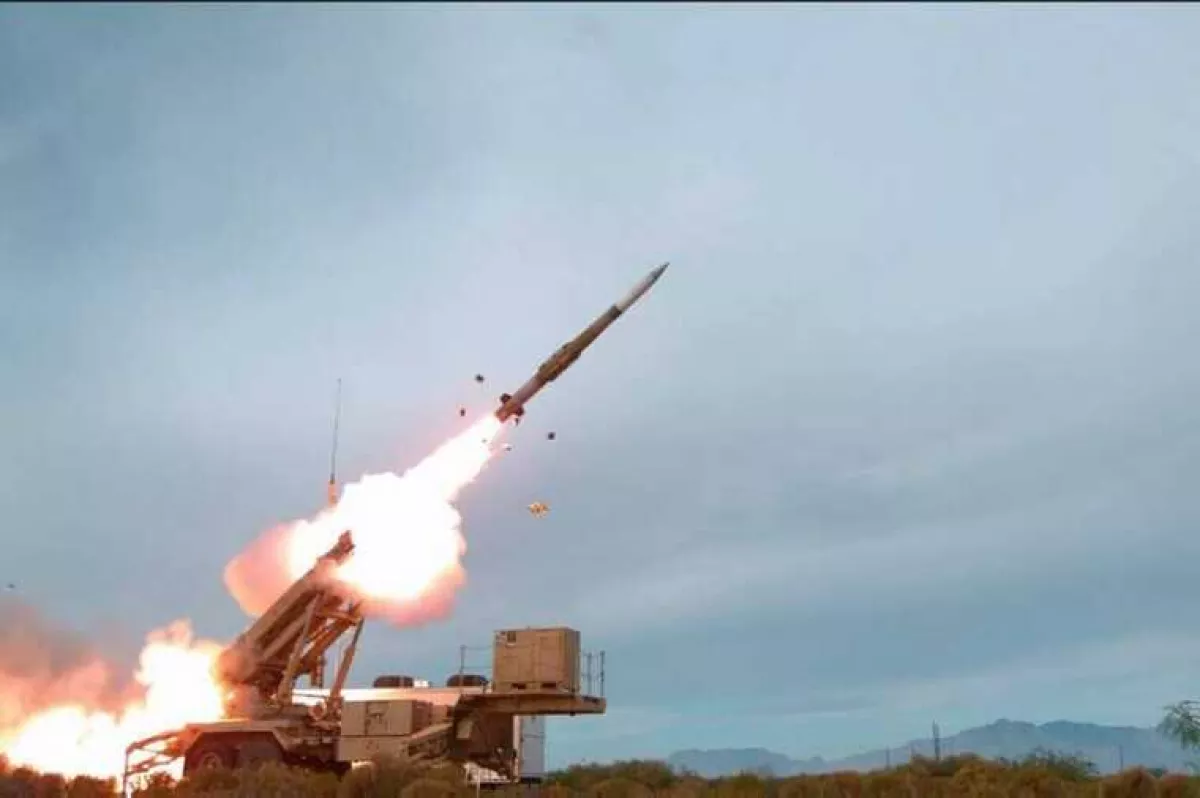
A particularly illustrative example is Kyiv’s request for additional interceptor missiles for Ukraine’s Patriot air defence systems. In a July 28 interview with Axios, Zelenskyy said Ukraine urgently needed around 300 missiles to protect its energy infrastructure during the winter period. The argument appeared logical, given that Russia has indeed been carrying out regular large-scale strikes against Ukraine’s energy system and other targets. The issue, however, lies elsewhere — namely, in the circumstances under which this request was made.
As is known, US stocks of Patriot and THAAD missile interceptors have been significantly depleted following the latest escalation in the Middle East. This is also indicated by estimates from the Center for Strategic and International Studies (CSIS): as of February 27 — before the outbreak of the conflict — the United States had 2,330 Patriot interceptors. By April 8, this stockpile had fallen to 1,030 units, while as of July 27, after the resumption of the military phase, the US arsenal reportedly contains between 759 and 827 Patriot interceptors.
Given these circumstances, a legitimate question arises: “Why make a public request that is highly unlikely to be fulfilled?” Seeking an answer opens up broad space for various interpretations. For instance, such a move may have been intended to exert maximum pressure on allies, demonstrate an active stance by the authorities to the domestic audience, or establish a pre-emptive narrative framework in case of negative consequences in the form of future destruction.
The last point is particularly significant: if the necessary assistance does not arrive, responsibility could be partially shifted onto Ukraine’s partners.
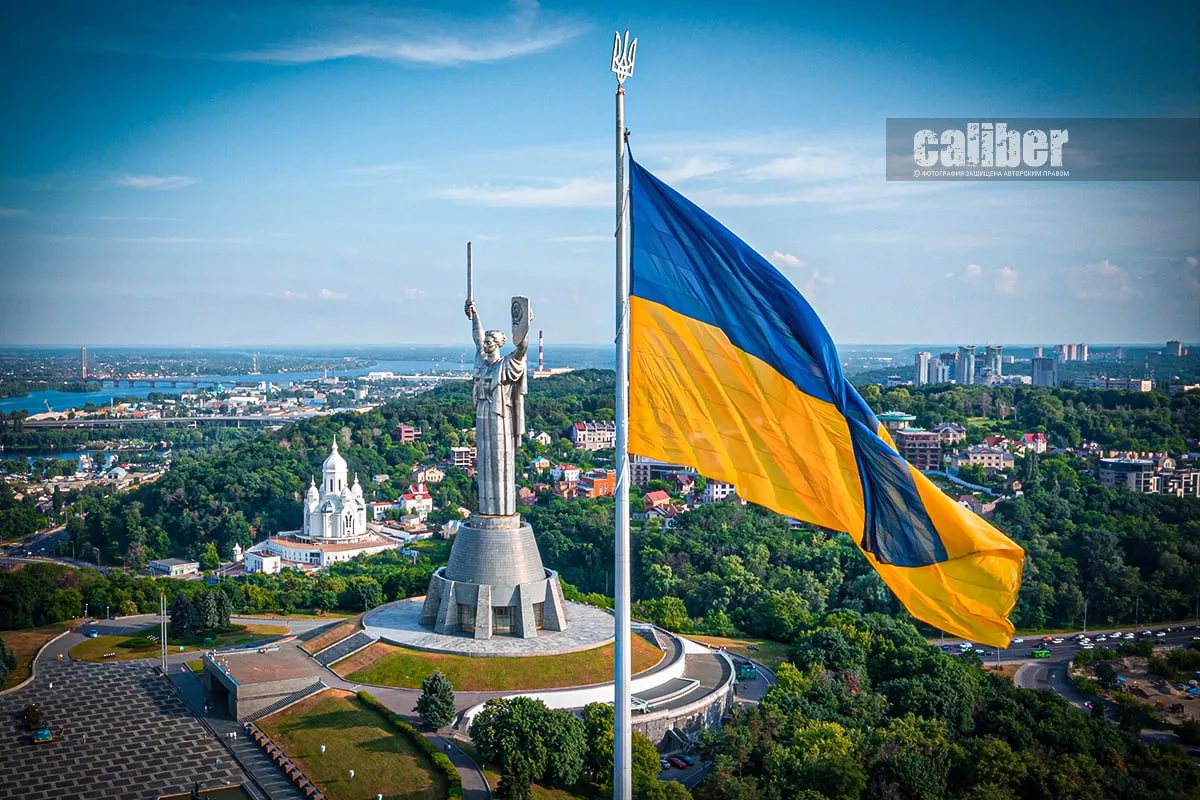
The evolution of Zelenskyy’s position on the issue of Ukraine’s territorial integrity is also drawing attention. In a recent interview with Fox News, he said that the issue of returning Crimea is not currently on the agenda. “It's a pity – no. Or not yet. We will see,” he stated, while emphasising that the most important thing for Ukraine is its people.
“The land is very important, it is our territory, it is our history, it's about our houses. But the most important thing is not to lose people,” the Ukrainian leader said. This statement has sparked open irritation among his political opponents, who point to numerous reports of forced mobilisation practices in the country.
Social media platforms are indeed flooded with footage showing people in camouflage — who are not always former military personnel and are often identified as former or current athletes and so-called “fixers” — violently confronting Ukrainian men of conscription age and forcibly pushing them into vehicles.
In turn, Zelenskyy’s remarks on Crimea raise at least some questions: he is effectively acknowledging his inability to retake it, and therefore to ensure the full restoration of Ukraine’s territorial integrity, despite having previously maintained a different position.
For example, on June 6, 2023, during a press conference, he stated that “Ukraine must be within its 1991 borders.” Then, on July 1 of the same year, during a briefing with Spanish Prime Minister Pedro Sánchez in Kyiv, he stressed that Kyiv would be ready for a diplomatic settlement of the war only once the country had returned to its 1991 borders.
Not much time has passed since then, and today we are witnessing Zelenskyy demonstrate — and not for the first time — a completely different stance. In late February, in an interview with the BBC, when discussing the possibility of Ukraine returning to its 1991 borders, he said that “That depends not just on us, but on our partners. So as of now that's not possible.” In doing so, he effectively nullified his own previous commitments.
Zelenskyy’s opponents also remind him of what they describe as his underestimation of the risk of a full-scale invasion before February 2022, the prioritisation of infrastructure projects over increased defence spending in the pre-war period, as well as overly optimistic expectations regarding counteroffensives and the timeline for ending the war.
At the same time, the main theme of criticism directed at Zelenskyy concerns not so much the mistakes and miscalculations themselves, but rather the lack of acknowledgement of them. The same pattern can be observed today: the Ukrainian leader does not admit responsibility for the fact that Crimea may not be returned.







 editor@caliber.az
 +994 55 444-88-98
 Азербайджан, Баку, ул. Низами, 203, Af Business House, 5-й этаж