










Alliance beyond geography: what connects Israel and the Western Balkans? Review by Artem Kirpichenok
Although Israel and the Western Balkans are not connected geographically, the history of relations between the State of Israel and the countries of this region dates back many years. Today, amid the worsening global political situation, Israel's ties with some of these countries have not only strengthened but have also acquired new features characteristic of a strategic partnership.
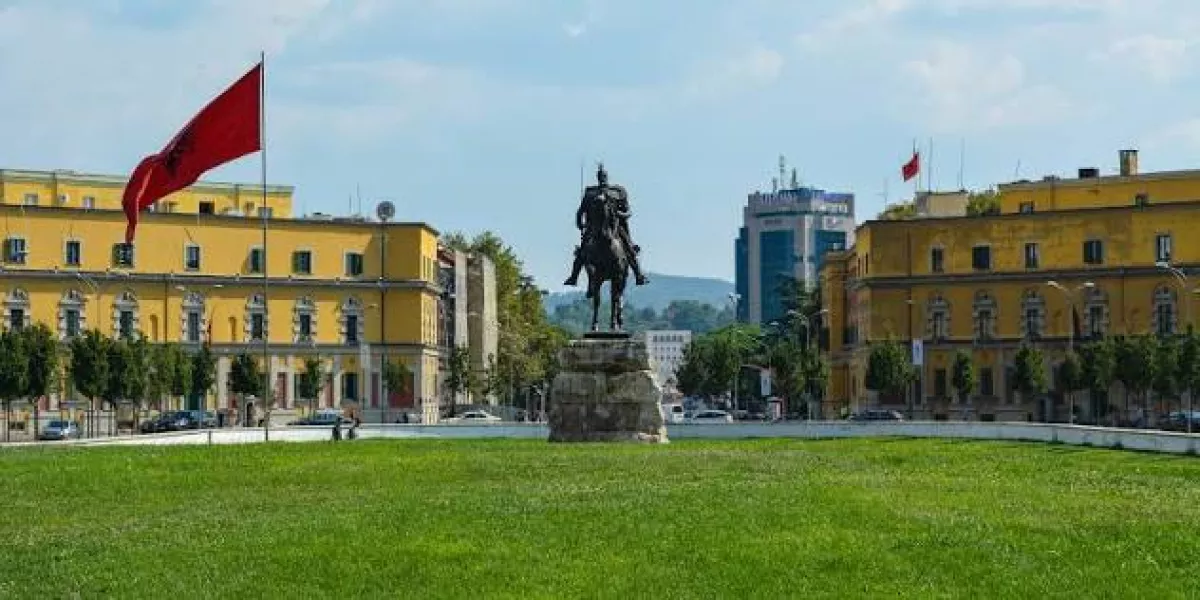
Albania occupies a special place in Israel's "Balkan diplomacy"—a country with a predominantly Muslim population whose relationship with Israel was forged during the darkest years of the twentieth century. As is well known, by the beginning of the Second World War, around 200 Jews lived in Albania. In the years that followed, the country welcomed and sheltered between 2,000 and 3,000 Jewish refugees from Germany, Austria, Serbia, and Greece. Moreover, Albanians—both Muslims and Christians—widely refused to hand Jews over to the Nazis. They hid them in their homes, gave them Albanian names, and provided them with forged documents.
At the heart of this was the Besa—a traditional code of honour that obliges a person to protect any guest even at the cost of their own life. The Jewish people have not forgotten this: the Yad Vashem Memorial has officially recognised dozens of Albanians as Righteous Among the Nations. During the Cold War, however, Albanian-Israeli relations largely came to a halt due to certain geopolitical factors. Following the fall of the Iron Curtain, diplomatic relations between the two countries were officially established on August 19, 1991.
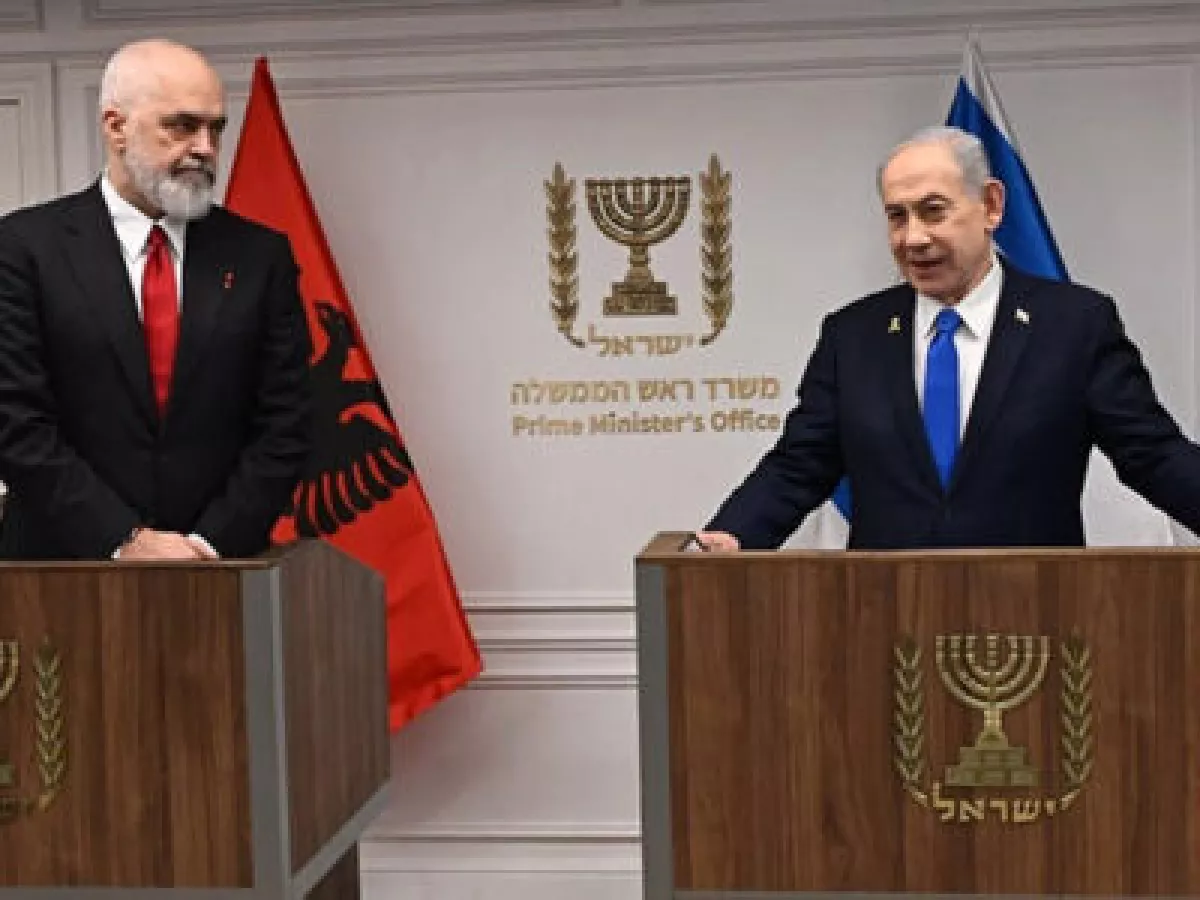
Contemporary Albanian-Israeli relations are fully in keeping with the spirit of the Abraham Accords and encompass a wide range of areas. Following major cyberattacks on Albanian government systems, Israel provided Tirana with its advanced technologies to help protect critical IT infrastructure, and in 2023 the two sides signed a cybersecurity agreement.
That same year, Albania and Israel signed a landmark defence memorandum, which led to a major contract with the Israeli company Elbit Systems for the supply of drones and artillery to Tirana, as well as the construction of a UAV manufacturing facility in Albania. Politically, Albania has consistently supported Israel in international forums. A notable example was Prime Minister Edi Rama's visit to Israel in January 2026 and his address before the Knesset.
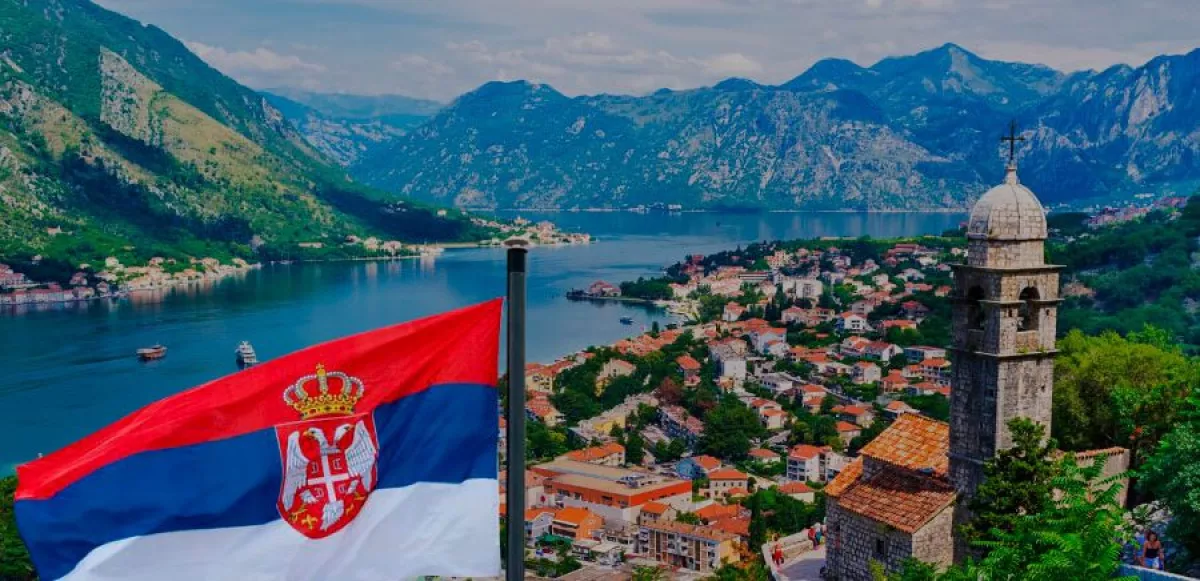
Israel's ties with another major Western Balkan country—Serbia—were originally built on the shared wartime experiences of the Jewish and Serbian peoples during the Second World War. Subsequently, bilateral relations went through a period of cooling, also caused by political upheavals, but following a phase of rapprochement they acquired a new status.
At the end of April 2026, Jerusalem hosted the first-ever official interstate Strategic Dialogue. Serbian Foreign Minister Marko Đurić and Israeli Prime Minister Benjamin Netanyahu formally announced the elevation of bilateral relations to the level of a strategic partnership. The two sides are negotiating a Free Trade Agreement and have announced the establishment of the Serbian-Israeli Chamber of Commerce. In July 2026, Belgrade also hosted the large-scale "Partners in a Changing World" summit, underscoring the trilateral geopolitical framework of cooperation between Serbia, Israel, and the United States.
As for military-technical cooperation, it can rightfully be described as unprecedented. According to Serbia's Statistical Office, arms exports to Israel increased from €3 million in 2023 to €114 million in 2025. During the first months of 2026 alone, 17 military transport flights were carried out from Serbia to Israel, primarily delivering artillery shells produced by Serbian defence enterprises.
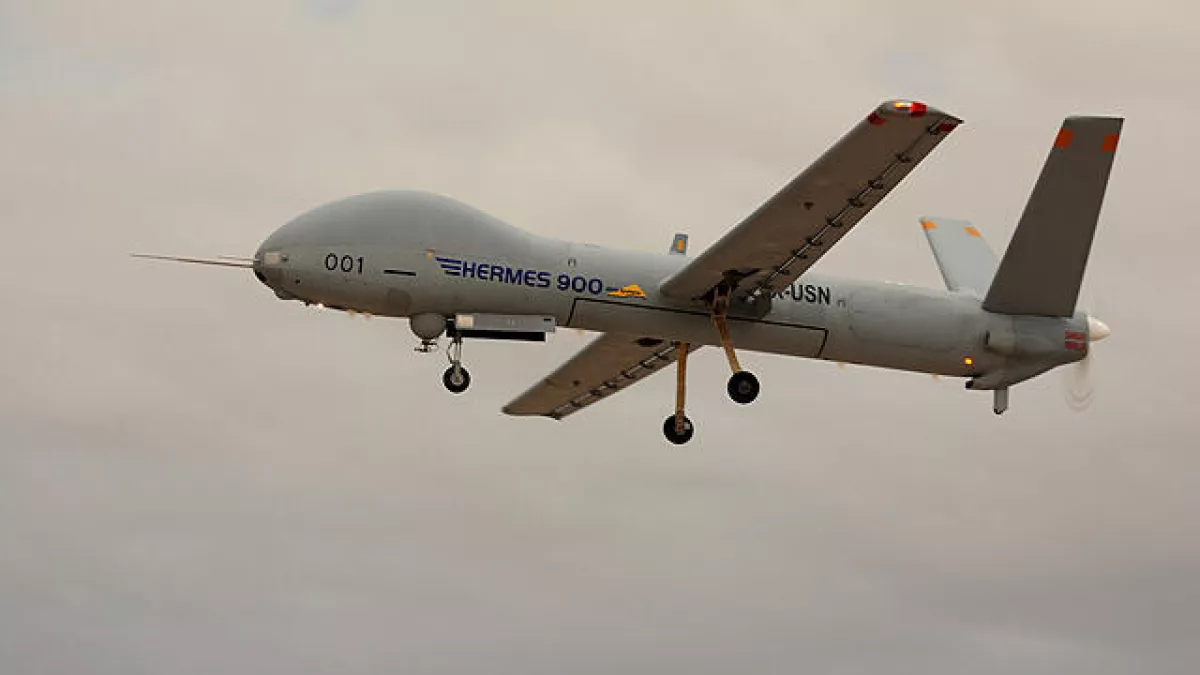
In addition, in August 2025, Belgrade signed a major $1.63 billion contract with the Israeli defence company Elbit Systems. The Serbian Armed Forces are procuring precision-guided missile systems, loitering munitions, electronic warfare (EW) systems, and Hermes 900 heavy unmanned aerial vehicles. The two countries also have an agreement on the mutual protection and exchange of classified defence information, which has helped accelerate arms deliveries. In addition, joint production of armed drones under Israeli license has been established at Serbia's state-owned defence company Yugoimport SDPR.
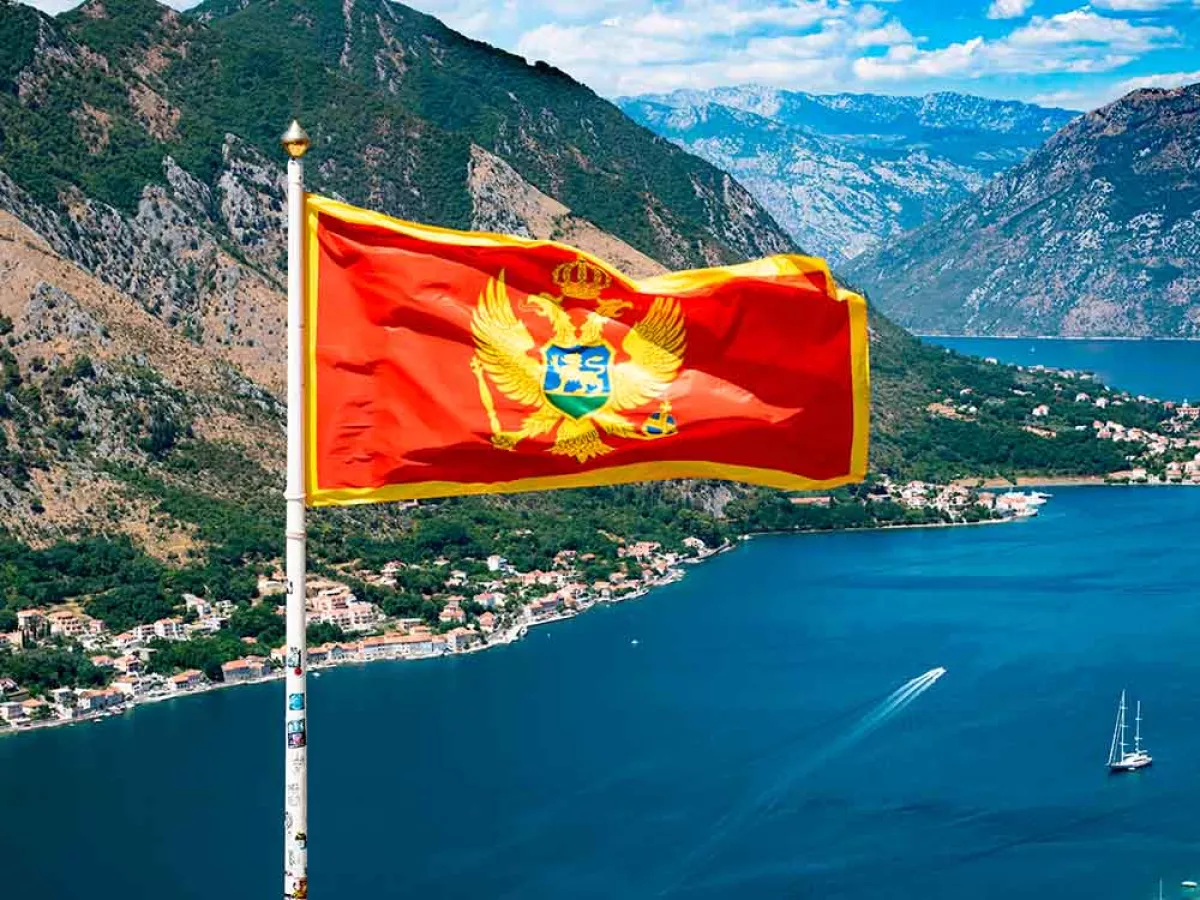
Israel's relations with such Western Balkan countries as Montenegro and North Macedonia are based primarily on cooperation in civilian sectors—including tourism, agricultural technologies, and Israeli investment in real estate—without a significant military component.
However, Skopje is already purchasing Israeli civilian and military IT solutions to protect government databases and communication networks from external interference, while Podgorica is selectively acquiring Israeli small arms and communications systems. This form of cooperation suggests considerable untapped potential for future development. Relations between Bosnia and Herzegovina and Israel somewhat cloud the Western Balkan landscape, although progress in resolving certain geopolitical differences could also pave the way for warmer ties on this front.
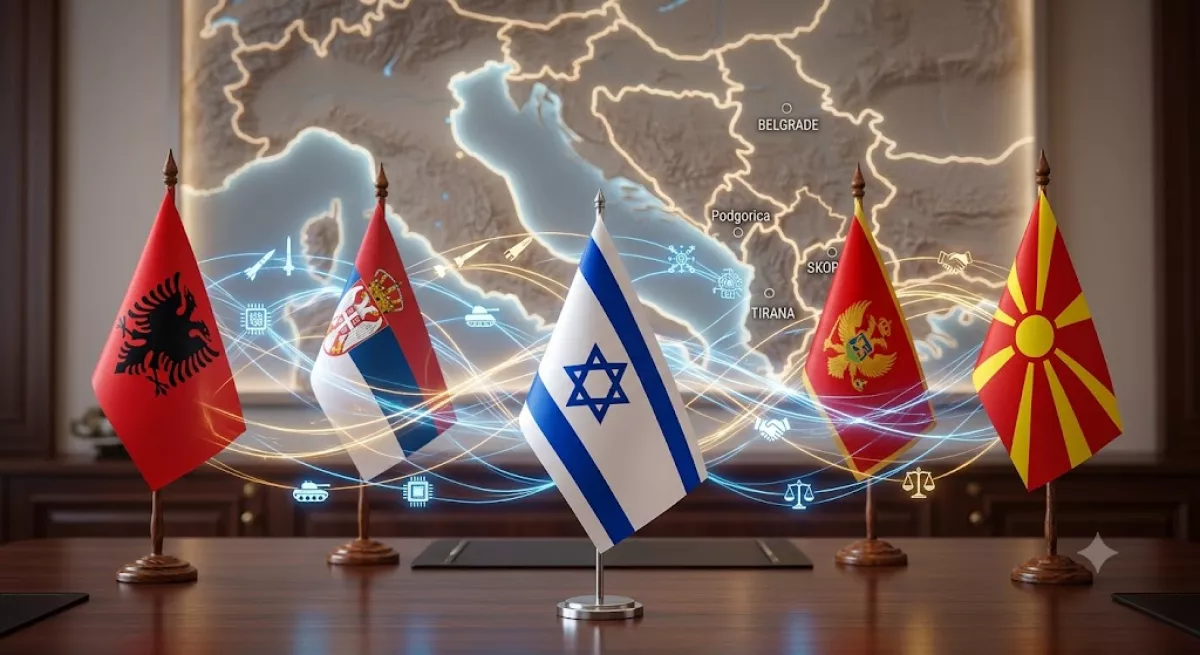
Overall, the Western Balkans are viewed by the Israeli leadership as a pragmatic "security network" that enables the country to maintain access to armaments, technological cooperation, and political support while bypassing the European Union's more stringent consensus-based decision-making procedures.
In turn, close cooperation with Israel provides the countries of the Western Balkans with a powerful alternative lever of sovereignty. Serbia gains access to advanced defence technologies that strengthen its military without the political conditions often associated with the European Union; Albania is building a reliable shield against cyberattacks while developing its own defence industry; and Montenegro and North Macedonia are diversifying their economies through major investments. As a result, the region is converting its partnership with Israel into greater technological independence, strengthening its position within NATO, and gaining an influential channel of communication with Washington.
In summary, it can be argued that relations between the State of Israel and the countries of the Western Balkans will continue to develop along an upward trajectory. At the same time, these ties will remain grounded in historical examples of genuine humanity, for which neither national nor religious affiliation matters—a principle that carries particular significance in today's pragmatic and polarised world.







 editor@caliber.az
 +994 55 444-88-98
 Азербайджан, Баку, ул. Низами, 203, Af Business House, 5-й этаж