










London expands military alliances in Europe Brexit, Remain and other aspects of Starmer’s policy
Recent domestic political developments in the United Kingdom appear to have only strengthened Prime Minister Keir Starmer’s determination to remain at Downing Street. Nevertheless, the Labour Party’s defeat in the recent elections has dealt a significant blow to his standing within the country.
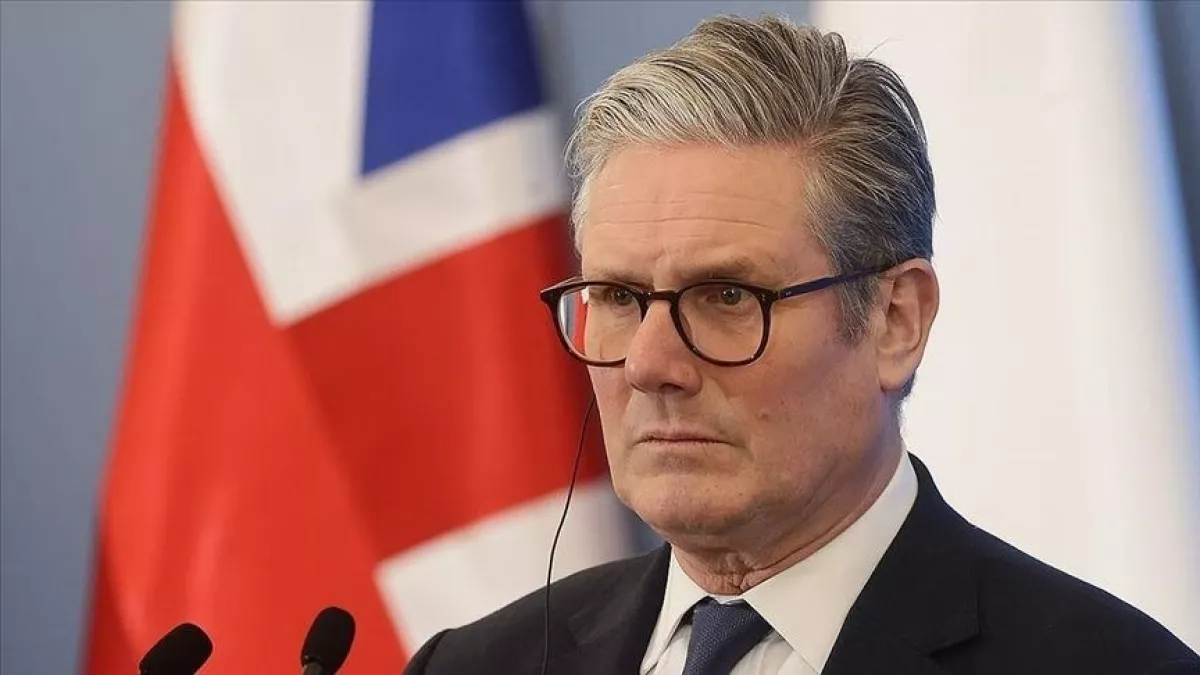
Background: Sir Keir Starmer has served as leader of the Labour Party since 2020 and has been Prime Minister of the United Kingdom since July 2024. In the local elections held in May this year, the right-wing populist Reform UK emerged victorious, continuing its steady rise across various regions of the United Kingdom. As a result of the vote, Labour lost ground in England, Scotland and Wales, surrendering around 1,500 council seats and control of dozens of local authorities.
This defeat effectively undermined confidence in Starmer’s government. As a result, more than 90 Labour MPs called on the Prime Minister to resign or, at the very least, announce a definite date for his departure. In addition, several ministers left the government in protest, including Health Secretary Wes Streeting. Despite the open intra-party crisis and the party’s disastrous electoral performance, however, Keir Starmer has refused to step down voluntarily.
One indication that the British Prime Minister has no intention of conceding defeat and is instead seeking to advance his country’s interests in Europe was the major defence and security agreement signed recently between the United Kingdom and Poland. In essence, the pact forms part of Starmer’s broader strategy to strengthen ties with the European Union, despite Britain’s decision to leave the bloc in the 2016 referendum—a decision formally sealed by Prime Minister Boris Johnson’s signature on the final withdrawal agreement on January 24, 2020.
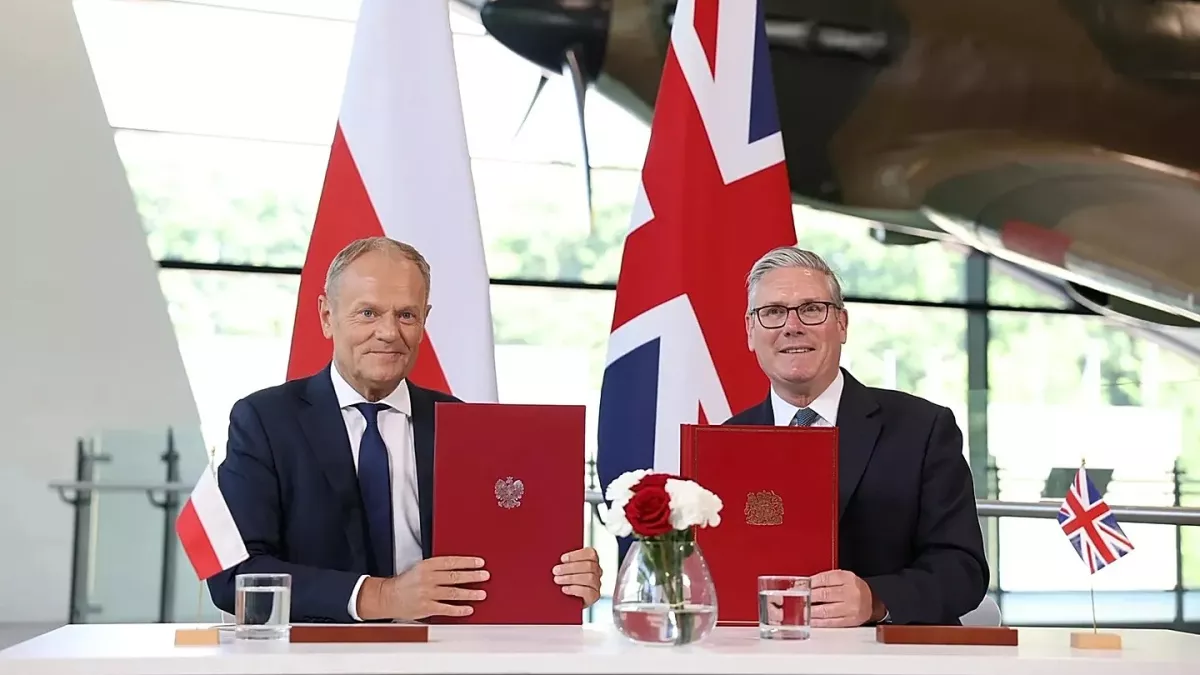
From a geopolitical perspective, the agreement can be viewed in the context of strengthening European security and NATO’s collective defence, countering cyberattacks and hybrid threats, as well as expanding joint arms production and air defence capabilities. On the other hand, given that Britain had previously concluded similar agreements with France and Germany, the document also serves as a clear indicator of the United Kingdom’s growing rapprochement with its European allies.
In other words, while for Warsaw the agreement represents a means of securing additional security guarantees from one of Europe’s leading powers, for London it is a tool for expanding its influence in Eastern Europe in the post-Brexit era—a subject that continues to generate heated debate across the Kingdom.
Among the critics of Brexit is the aforementioned Wes Streeting, who described the vote to leave the European Union as a catastrophic mistake.
“It’s left us less wealthy, less powerful and less in control than at any point before the industrial revolution,” he said while addressing the Labour Party’s Progress conference, even suggesting that Britain could one day rejoin the European Union.
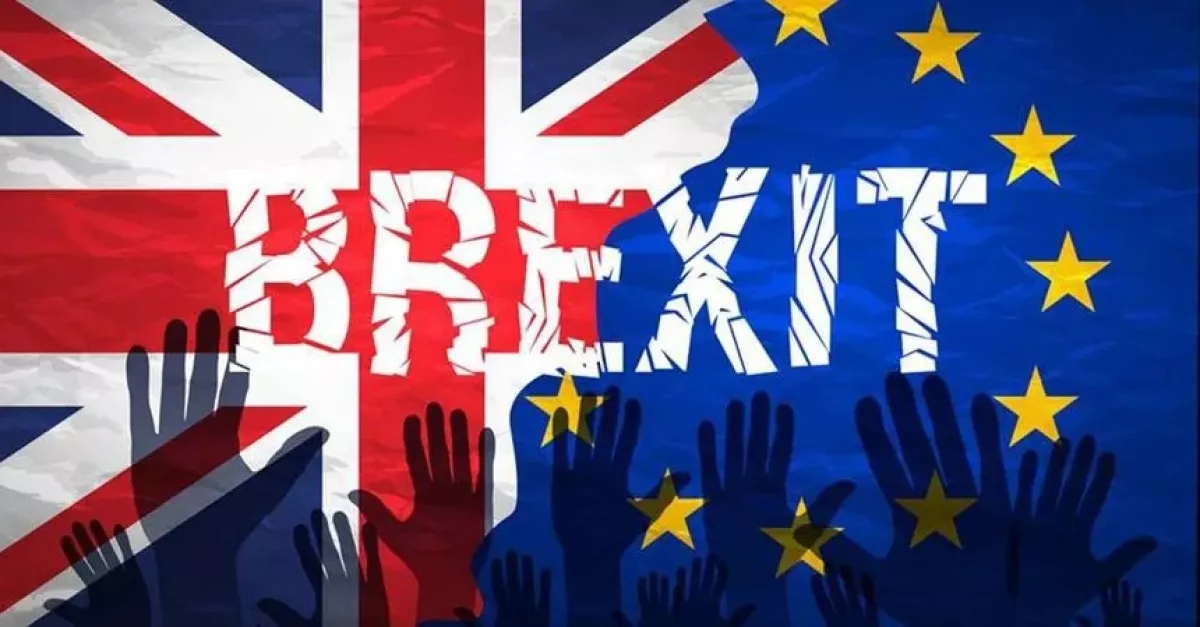
For the time being, however, despite the renewed prominence of Brexit-related debates in British political circles, Starmer has not officially made rejoining the European Union a policy objective. Yet a closer examination of his position over the years reveals a more nuanced picture, one that points to a certain duality in the Prime Minister’s approach.
During the 2016 referendum, for instance, Starmer was an outspoken supporter of the UK remaining in the EU. He backed the Remain campaign, which advocated continued British membership of the European Union, supported the idea of holding a second referendum on Brexit, and repeatedly criticised the manner in which the Conservatives handled the withdrawal process. In subsequent years, however, he adjusted his rhetoric, apparently concluding that attempts to reverse Brexit would only deepen divisions within British society and damage the Labour Party’s electoral prospects.

Today, Starmer’s position can be summarised as follows: Brexit is irreversible, Britain will not rejoin the European Union—at least not under his government—but relations with the EU should be made stronger and more pragmatic. The series of defence agreements between the United Kingdom and its European NATO allies serves as a clear illustration of this approach. Through these initiatives, Starmer is seeking to demonstrate that London remains an influential player in Europe despite no longer being a member of the European Union.
This strategic orientation suggests that the United Kingdom is likely to pursue additional defence agreements with European countries in the near future, particularly with those that view closer ties with London as a means of enhancing their security. Such a trend may become even more pronounced amid growing concerns over Washington’s intention to significantly scale back American security guarantees in Europe.







 editor@caliber.az
 +994 55 444-88-98
 Азербайджан, Баку, ул. Низами, 203, Af Business House, 5-й этаж