










De la Espriella’s rise: Rightward Colombia is back in Washington’s camp ANALYSIS BY MATANAT NASIBOVA
Following a string of conservative and centre-right election victories across Latin America, Colombia has decisively ended its four-year experiment with left-wing governance, shifting its political orientation rightward and realigning closely with Washington. The political turn culminated on August 7 with the inauguration of President Abelardo de la Espriella, succeeding Gustavo Petro and ushering in a period of hardline conservative domestic policies and renewed security cooperation with the United States.
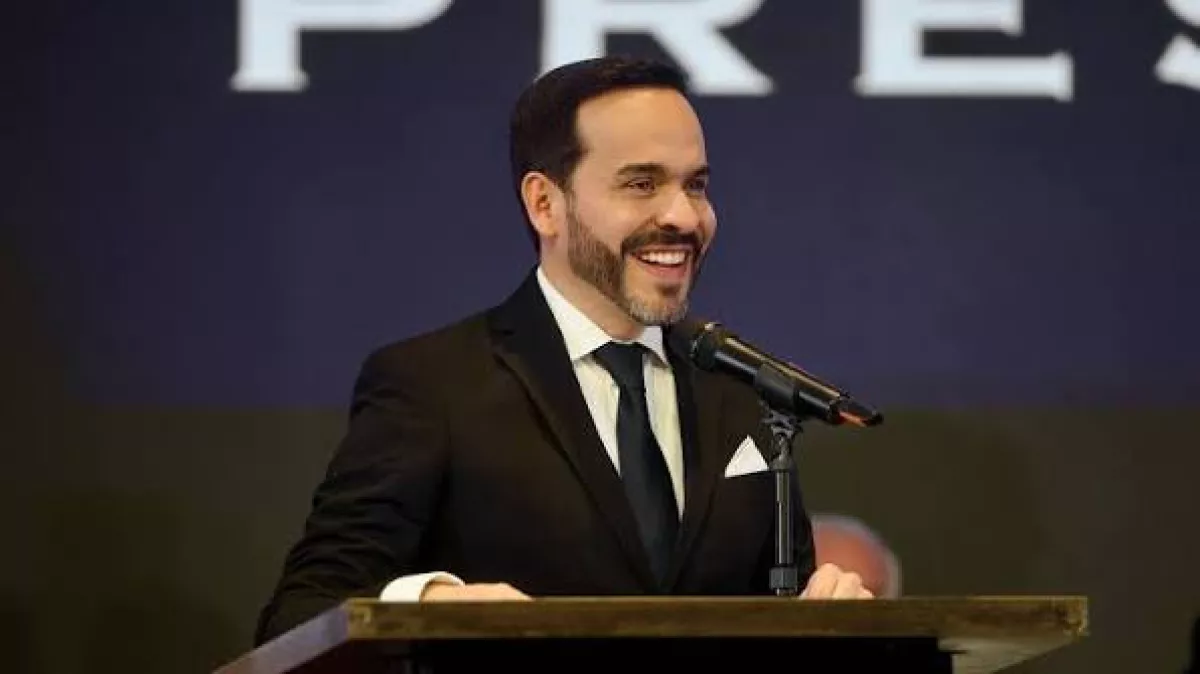
De la Espriella, a 48-year-old attorney and entrepreneur with no prior elected political experience, won a tightly contested presidential runoff on June 21 amid widespread political instability. He secured victory with 49.6% of the vote, edging out Iván Cepeda of the left-wing Historic Pact party by a margin of 0.9 percentage points.
Setting the tone in his inaugural address, de la Espriella designated the crackdown on criminal enterprise as his administration's paramount internal mandate. On foreign policy, he committed Colombia to joining the U.S.-initiated "Shield of the Americas" coalition.
Established by the Trump administration in March 2026, the "Shield of the Americas" is a political-military alliance tasked with combating transnational organised crime, drug trafficking cartels, and terrorist networks, while curbing extra-regional influence in the Western Hemisphere. De la Espriella’s alignment with the framework marks a sharp diplomatic departure from Petro's term, which was frequently strained by friction with the U.S. Congress.
The White House welcomed Colombia’s strategic realignment warmly. Officials in Washington pledged full backing for de la Espriella’s counter-narcotics and anti-terrorism campaign, framing these efforts as vital to hemispheric stability and economic development. To reinforce the partnership, the United States announced a $1 billion security assistance package for Bogotá.
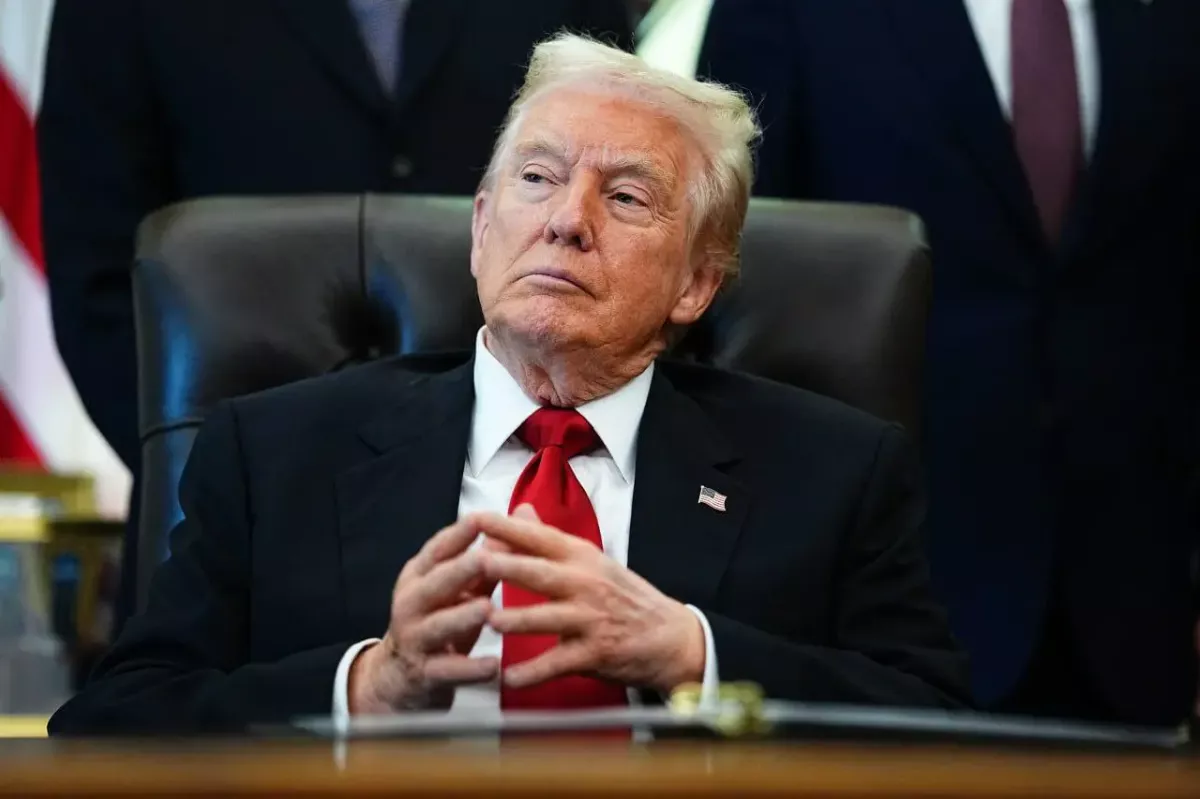
The rapid realignment between Washington and Bogotá represents a fundamental turn in U.S. policy toward Colombia. Only months prior, the bilateral relationship had frayed under the administration of former President Gustavo Petro, marked by rising diplomatic friction and heightened scrutiny from Washington.
In December of last year, U.S. President Donald Trump publicly declared a readiness to deploy military force against nations and transnational organisations engaged in drug manufacturing and trafficking, citing Colombia specifically. Following a U.S. military operation in Venezuela, Washington declined to rule out a potential military option involving Bogotá.
Tensions mounted further in March 2026 when The New York Times revealed that federal prosecutors in Manhattan and Brooklyn had initiated a criminal investigation targeting Petro. According to the report, the probe drew upon veteran narcotics prosecutors alongside specialised agents from the Drug Enforcement Administration (DEA) and Homeland Security Investigations (HSI).
Washington’s heightened focus on Colombia reflects deep-seated security concerns over the country’s internal lawlessness. Colombia currently holds an elevated crime index rating of 61.3 points. Organised drug cartels carry out rampant ransom kidnappings across vast swaths of the nation, while street-level fraud and pickpocketing rings operate extensively, frequently funnelling tribute payments to major criminal syndicates. Analysts note that safe havens remain scarce, with security largely confined to high-profile tourist enclaves and resort districts on the island of San Andrés.
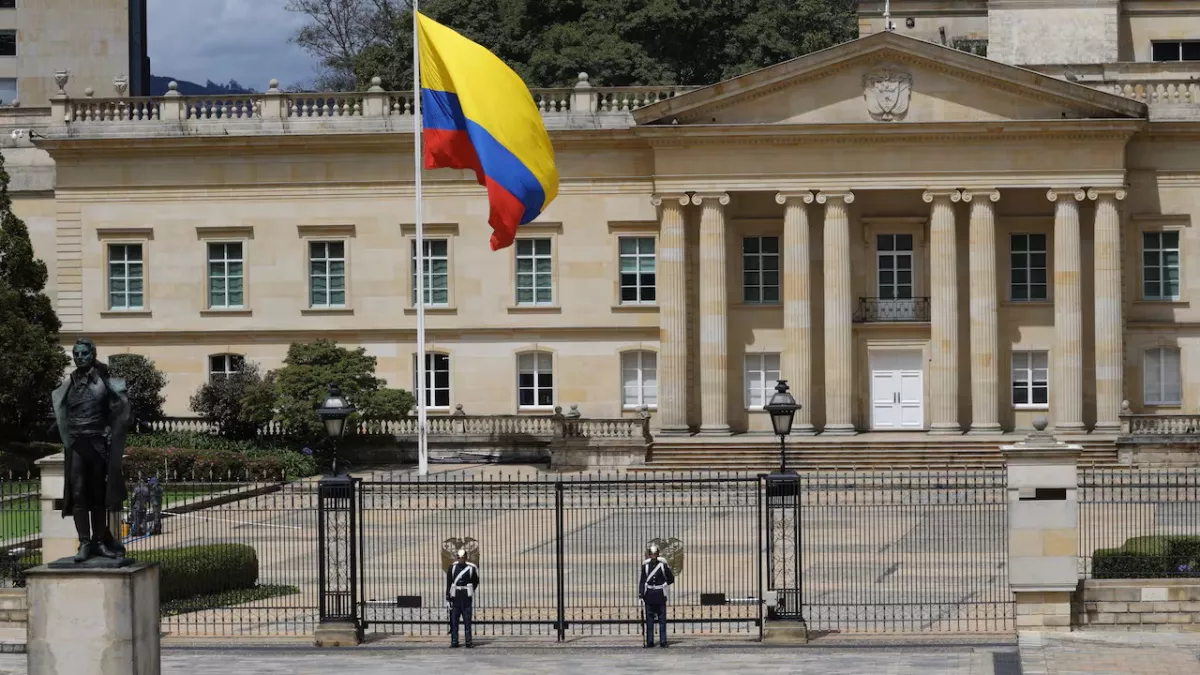
President Abelardo de la Espriella assumes office facing an arduous array of socio-economic and security crises. His approach represents a complete structural break from Petro’s agenda. Whereas the previous administration pursued simultaneous peace negotiations with various illegal armed factions, de la Espriella has made an uncompromising security crackdown and an explicit rejection of further talk-based concessions the central pillar of his presidency.
Political analysts attribute Abelardo de la Espriella’s electoral victory to his successful consolidation of widespread public grievance. His campaign effectively capitalized on voter frustration regarding escalating crime rates, economic stagnation, persistent drug trafficking, political fatigue, and a growing demand for assertive executive leadership alongside restored diplomatic ties with Washington.
De la Espriella’s domestic policy agenda centres on structural market reforms, including downsizing the public sector, bolstering private enterprise, and reviving robust state support for Colombia’s oil and gas industries. Observers note that the election outcome reflects less an ideological shift to the right than an explicit vote of no confidence in the previous administration's crisis-management model.
Despite his mandate, the newly installed president faces a significant structural vulnerability: the absence of a guaranteed majority in Congress. Legislative fragmentation risks deepening political deadlock and impeding radical legislative proposals, which may ultimately compel de la Espriella to negotiate concessions with opposition lawmakers on pivotal policy matters.
Moving forward, the administration’s core priorities are defined by three imperative objectives: restoring internal security, stabilising the national economy, and reforming state governance. His initial 100 days in office will serve as a critical benchmark, determining whether his government can sustain public confidence and heal deep societal polarisation across the nation.







 editor@caliber.az
 +994 55 444-88-98
 Азербайджан, Баку, ул. Низами, 203, Af Business House, 5-й этаж