










An Odyssey for an age of war: What is Nolan telling the modern world? Limansky’s analysis
In July, a new American-British adaptation of the ancient Greek epic hit cinemas, already sparking heated debate with its controversial interpretation. So what did its creators seek to convey to audiences in our own turbulent times?
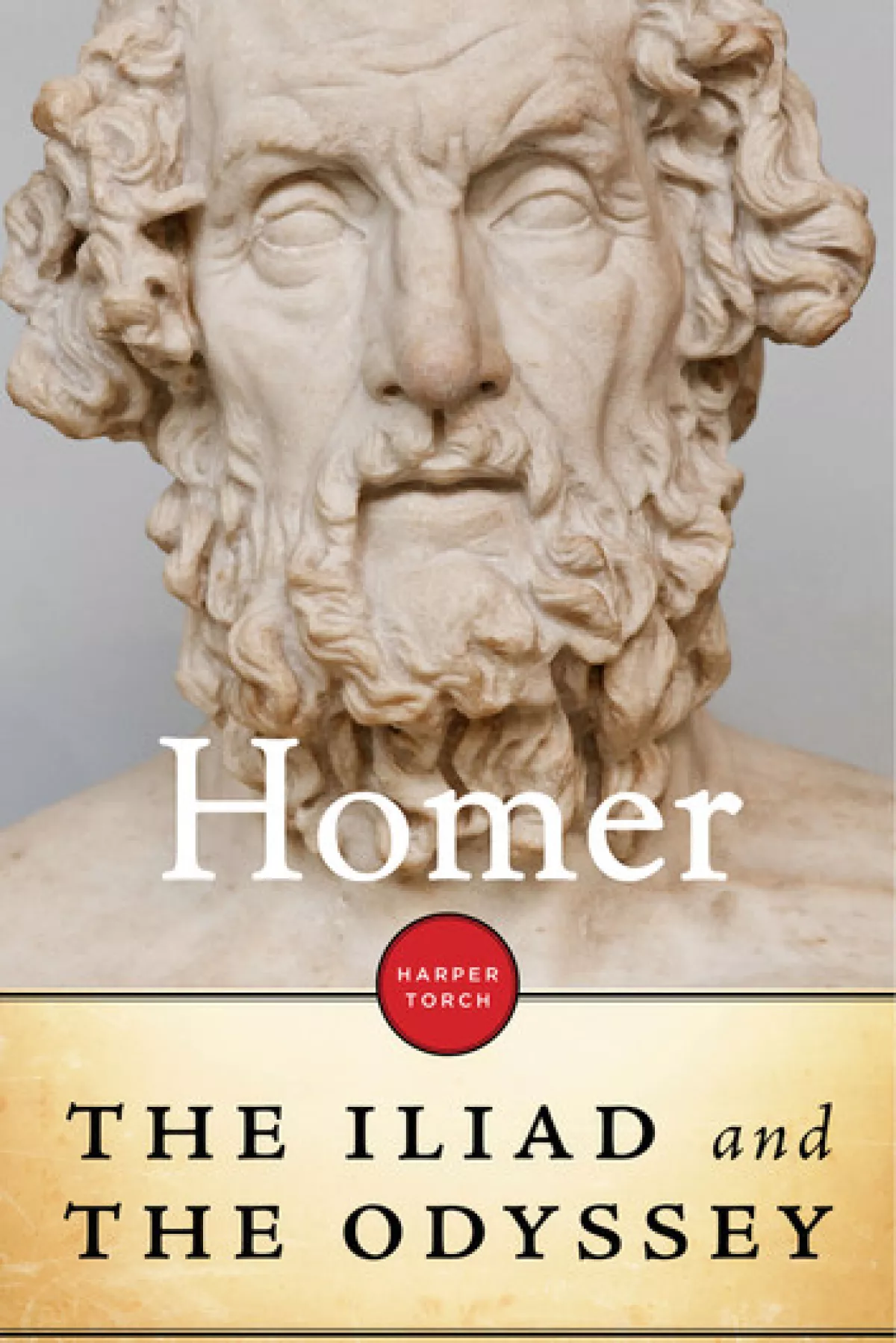
A premonition of the Trojan War
Undoubtedly, the Iliad and the Odyssey are among the central myths of European civilization. The dramatic narrative of the events of the Trojan War reflects not only the realities of that era but also crystallizes the code of the future Western world. The cult of heroes, their individual and often complex relationships with the gods, their daring voyages across the seas into the unknown, and the resourcefulness and determination of their leaders all played a significant role in the development of Europe.
Yet Odysseus in this film differs considerably from his familiar classical image. Here, he is not merely a resourceful leader, but also a philosopher seeking to make sense of the world and humanity’s place within it.
Nolan’s new film is not only highly dynamic but also remarkably realistic, following the traditions of old-school filmmaking. It was shot on large-format film, while the actors’ performances are marked by carefully calibrated psychological depth. At the same time, the minimal use of computer-generated effects lends this fantasy film an almost “documentary” sense of authenticity. The deeper meanings embedded in the story are also presented in a simple and accessible way for a mass audience.
War is the central theme of The Odyssey. This is hardly surprising for an epic about the Trojan War. However, the filmmakers do not glorify the conflict; instead, they draw attention to all its horrors. For the ancient Greeks, the Trojan War was, in a sense, a “world war,” as the fate of the Mediterranean—their main region of settlement and, essentially, the known world of the time—was at stake.
Odysseus (Matt Damon) offers Penelope (Anne Hathaway), who believes that everything is about the abduction of Helen, his own assessment of the Trojan War. And the king of Ithaca, almost like a modern left-wing intellectual, identifies control over vital trade routes as the true objective of the war.
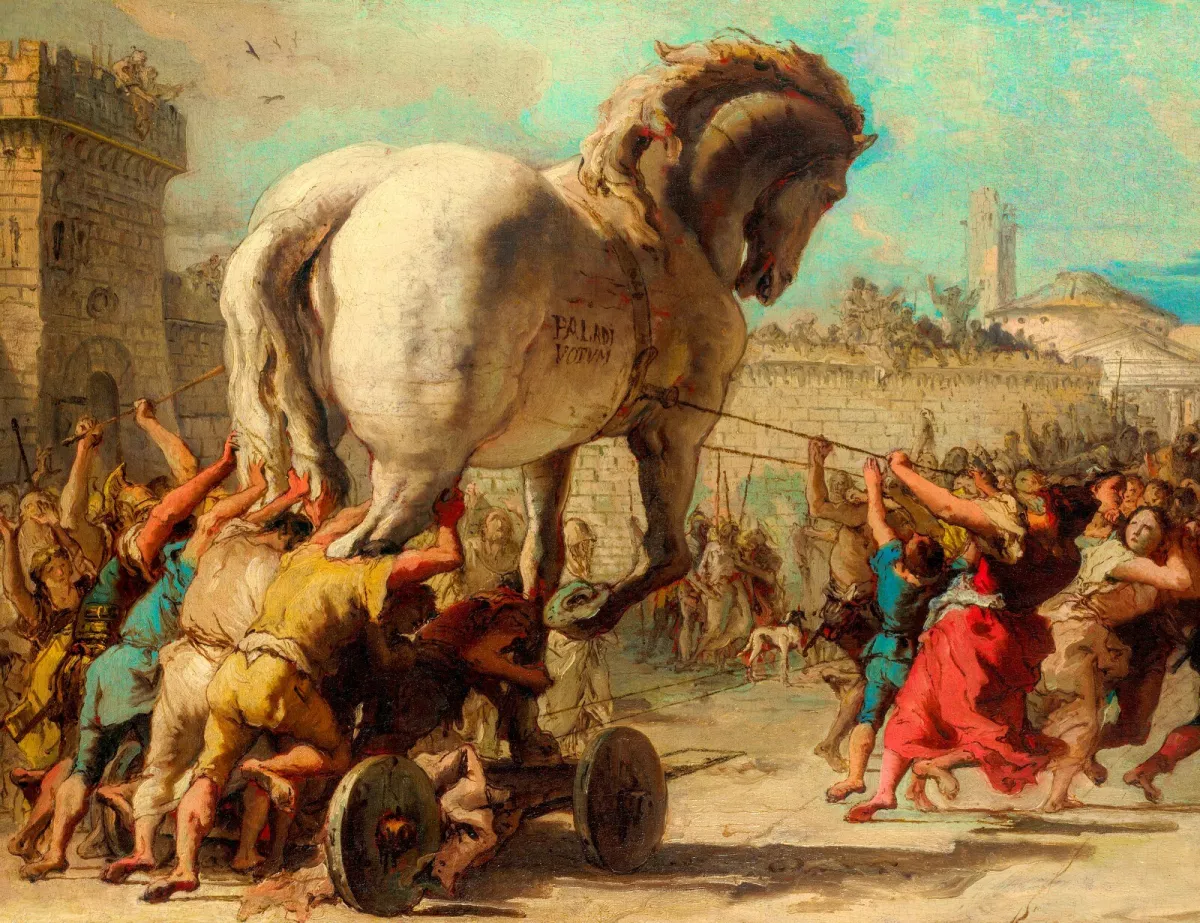
The film opens with the Trojans seizing the wooden horse, which will ultimately seal their fate. In the process, the soldier Sinon (Elliot Page) is killed. Odysseus had deliberately left him to certain death so that the Trojans would believe the story that the abandoned wooden horse was a gift to the goddess Athena.
Yet Sinon had volunteered for the war in exchange for a promised reward for his impoverished family, secretly taking the place of the aristocrat Antinous (Robert Pattinson), who had been chosen by lot to sail to Troy. But when the Achaeans emerged from the belly of the Trojan Horse, captured Troy, and subjected the city to a savage massacre, the film’s Odysseus undergoes a profound moral shock. This is especially true after Greek warriors, hardened to the extreme by the long siege, behead Athena herself in the fallen city.
In the king of Ithaca’s view, all of this constitutes a blatant violation of both divine laws and human rules—and could be a harbinger of the end of civilization.
An even more explicitly anti-war scene comes when Odysseus and his crew encounter the dead warriors who fell at Troy. Among them is Sinon, who bitterly reproaches Odysseus for deceiving him. After all, by leaving him behind with the Trojan trap, the king of Ithaca used a loyal soldier without telling him the truth.
Odysseus tries to justify himself, arguing that he could not have told Sinon the truth, because otherwise the ingenious plan would never have worked. Among the dead, the crew unexpectedly encounters the formidable commander of the entire Greek army, Agamemnon (Benny Safdie). Even victory in the Trojan War brought him no happiness: he was murdered by his own wife after returning home.
Ultimately, the unburied warriors stage a “rebellion of the dead,” and Odysseus and his companions barely manage to escape. The war brought happiness to no one—not even the victors.
According to one historical interpretation, the Trojan War not only led to the destruction of Ilion but also significantly weakened the victorious Achaean states. This subsequently left them vulnerable to the Sea Peoples and the Dorian invasion, bringing the advanced Mycenaean civilization to an end and ushering in the so-called “Dark Ages.”
Cunning or wisdom?
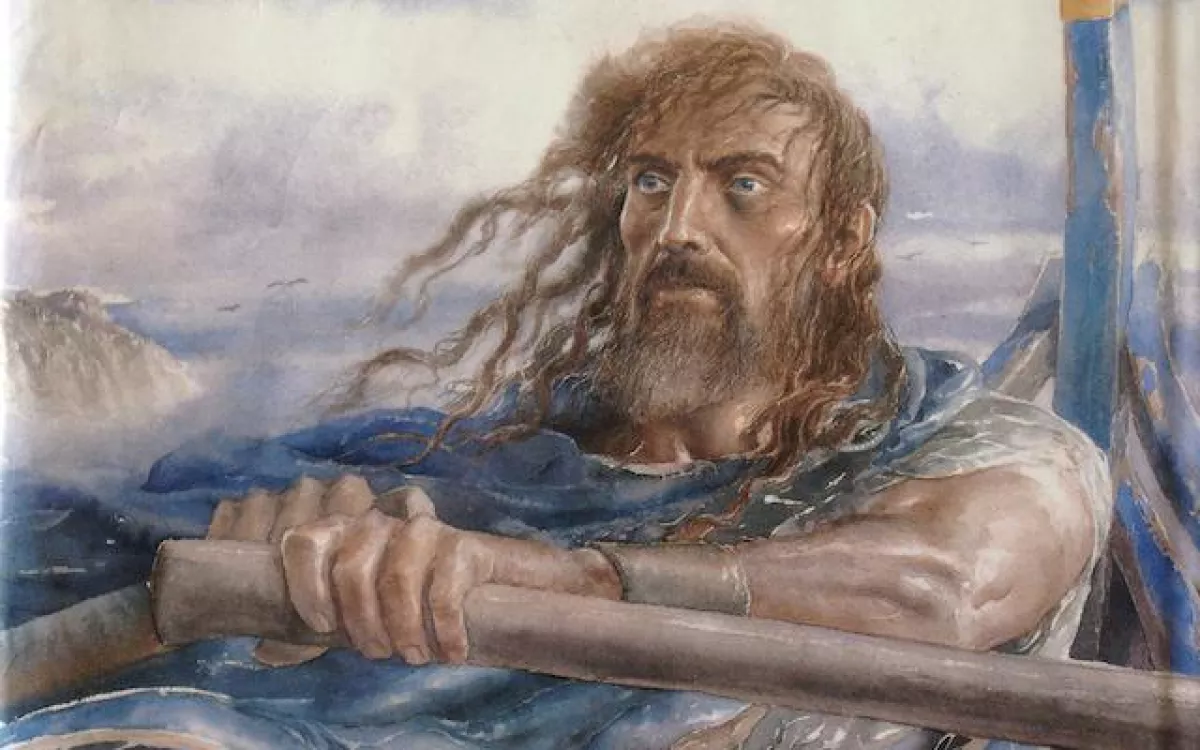
Another theme running like a red thread throughout Nolan’s film is the role of a wise ruler and his responsibility toward his people. The king of Ithaca considers it his duty to do everything possible to save his men and bring them home. To achieve this, the “cunning” Odysseus once again resorts to deception—for the sake of saving lives.
After receiving a prophecy from the blind seer Tiresias that everyone would perish in the whirlpool of Charybdis, while the monster Scylla would devour only six men, Odysseus keeps this from his crew, fearing they would reject what he sees as the only right course of action. Instead, he devises a trick that leads the crew to “choose” the lesser evil themselves—Scylla. At the same time, Odysseus the leader remains devoted to his men and stays with them to the very end.
Yet the director appears to have little faith in humanity’s reason and its ability to govern itself consciously, portraying people as blind hostages to their passions. In this context, the true causes of the wars and misfortunes that befall Odysseus and his companions are also revealed: human greed, pride, and the willingness to disregard established rules in pursuit of them. And the Greek gods punish such transgressions severely.
Ultimately, after once again ignoring Odysseus and succumbing to hunger by slaughtering the cattle of Helios, all his companions are punished by the gods and perish in a terrible storm at sea. Odysseus regrets having shown leniency and allowing his exhausted crew to land on the ill-fated island where Helios’s herd was kept.
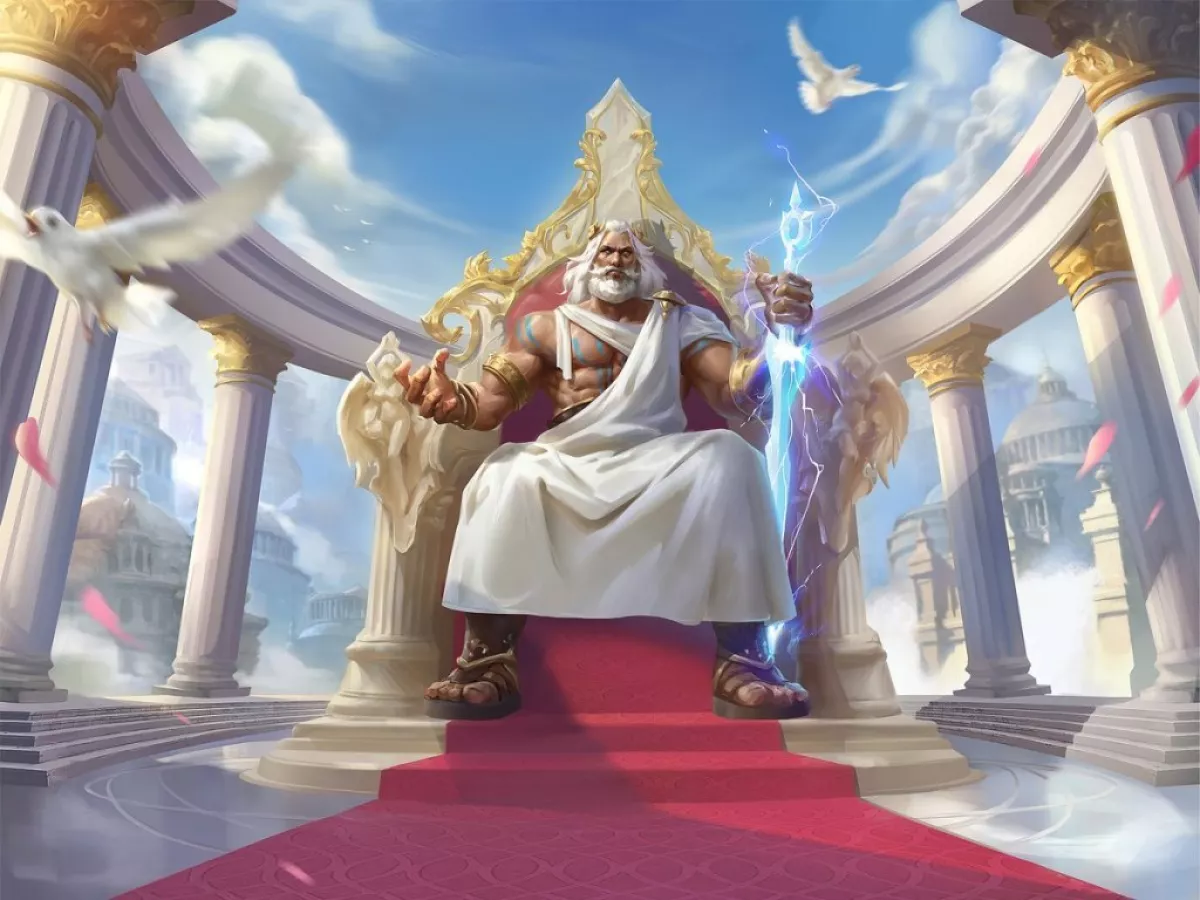
Yet Odysseus’s wisdom as a ruler also lies in his ability to make necessary compromises and maneuver through difficult circumstances. He does not openly defy the will of Agamemnon, the powerful king of Mycenae, and joins him in the war. At the same time, he refrains from imposing a general mobilization on Ithaca, instead limiting recruitment to a lottery and taking only a portion of the island’s young men to Troy.
The Antinous who is spared through this manipulation of the lot repays the king of Ithaca with the blackest ingratitude. Together with the other suitors, he effectively occupies Odysseus’s palace and lays claim to both Penelope’s hand and Odysseus’s throne. The arrogant aristocrat embodies the renegade and lawbreaker who has abandoned the principles of Zeus—someone willing to commit any treachery in pursuit of his desires and ambitions, showing no mercy toward the weak or the poor. He refuses even to remember Sinon, who died in his place. Yet Antinous is no hero precisely because he is utterly amoral, and despite all his cunning and scheming, he ultimately meets defeat.
Men and monsters
In the ensuing violent confrontation, Odysseus suffers grievous wounds but succeeds in killing Antinous and the other suitors. The rightful king of Ithaca reclaims his authority, yet chooses not to rule. Instead, he relinquishes the throne to his son Telemachus (Tom Holland).
For Odysseus himself is now, in a sense, also a violator of Zeus’s laws. After all, it was he who conceived the sacrilegious deception of presenting the Trojan Horse—a weapon of destruction—as an offering to the goddess Athena. Together with Penelope, Odysseus then sails westward to pay the proper honors to his fallen warriors.
Are they departing for another world, following the setting sun into the realm of the dead? Or are they setting out to discover a new world beyond the horizon—an ancient precursor to the discovery of America?
Yet for the king of Ithaca, strict adherence to tradition now seems to matter more than earthly power. Odysseus believes that following these traditions is precisely what can restore balance to the world and preserve civilization.
Can Christopher Nolan’s new film, then, be described as a manifesto for conservative traditionalism? Hardly. The director has always avoided openly identifying himself with any particular political doctrine. And if we were to force the film into an ideological category, we could just as easily label its creators anti-capitalists or critics of consumer society. After all, insatiable greed is portrayed in The Odyssey as one of the most destructive human vices—and a source of all its troubles.
At the same time, Nolan’s Homer is thoroughly modernized, and this has already sparked heated debate. In keeping with the spirit of the times, the filmmakers put distinctly feminist narratives into the mouth of the sorceress Circe, who turns Odysseus’s soldiers into pigs. Likewise, Penelope is outraged that, despite her many years of experience governing the kingdom, the throne must still pass, after Odysseus’s departure, to a man simply by virtue of his sex.
Meanwhile, Helen, the great beauty of the Hellenic world, is played by Kenyan-Mexican actress Lupita Nyong’o, while the Greek goddess Athena is portrayed by light-skinned African American actress Zendaya.
Yet it seems that the film modernizes the ancient epic precisely to bring modern humanity back to its roots and show that, whether confronting its fellow human beings in brutal conflict, the merciless forces of nature, or forces we do not yet understand (“monsters” and “sorcery”), a person must above all remain human.
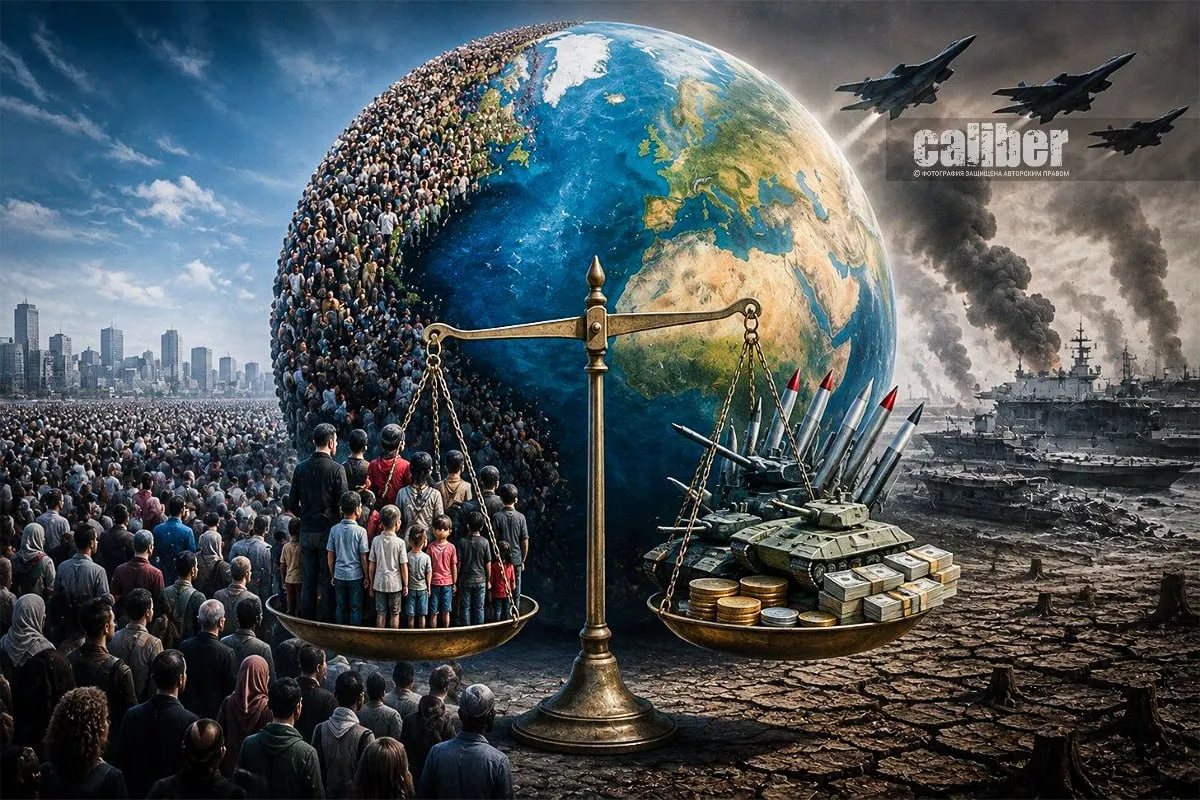
And only by resisting temptation, by renouncing reckless greed and ambition, can humanity hope to avoid another world war and an environmental catastrophe. After all, to escape self-destruction, humanity must somehow navigate between the Charybdis of all-consuming poverty and the Scylla of mindless competition and insatiable consumption…







 editor@caliber.az
 +994 55 444-88-98
 Азербайджан, Баку, ул. Низами, 203, Af Business House, 5-й этаж